
🌲 Coast Redwood
What it looks like
How to grow
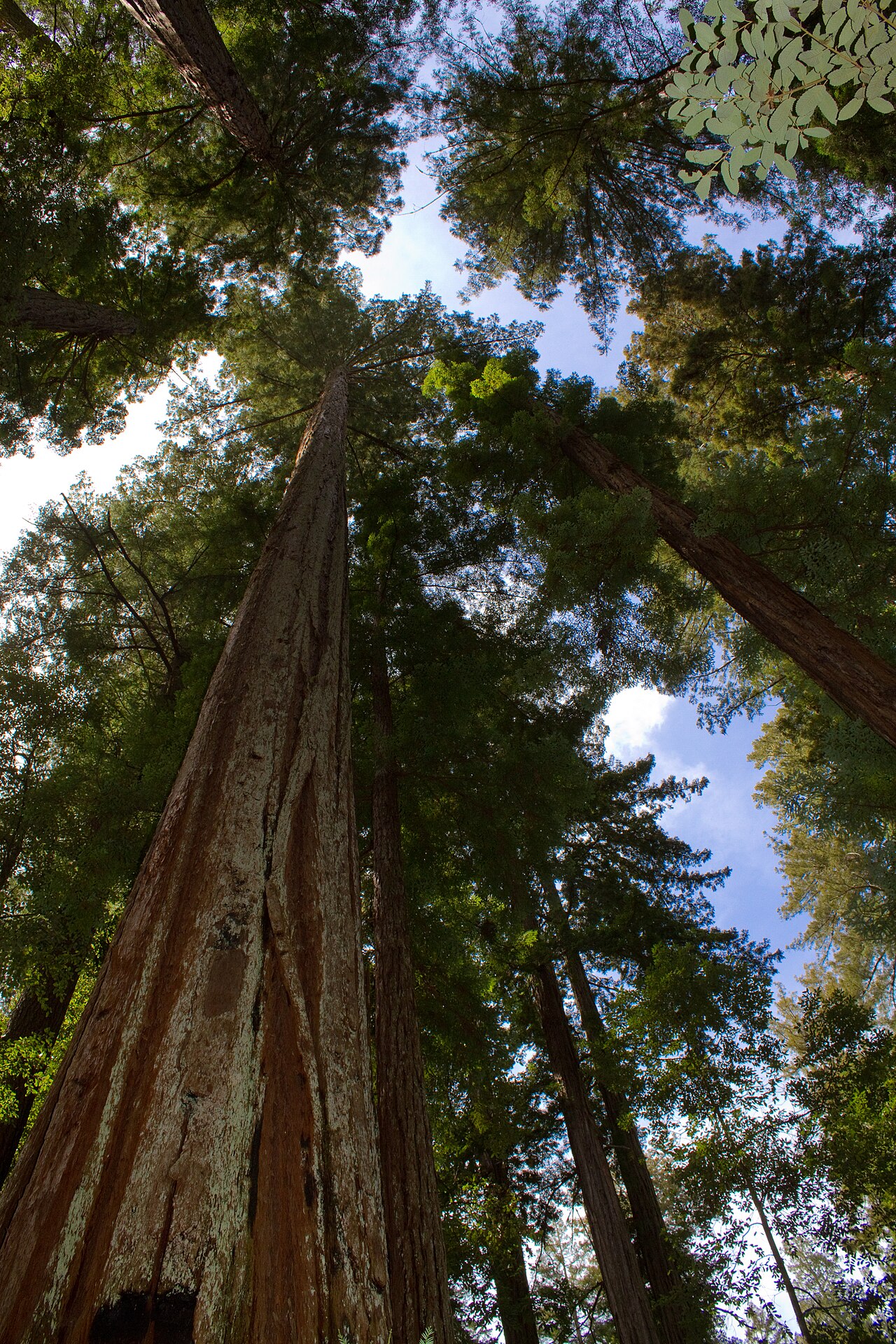
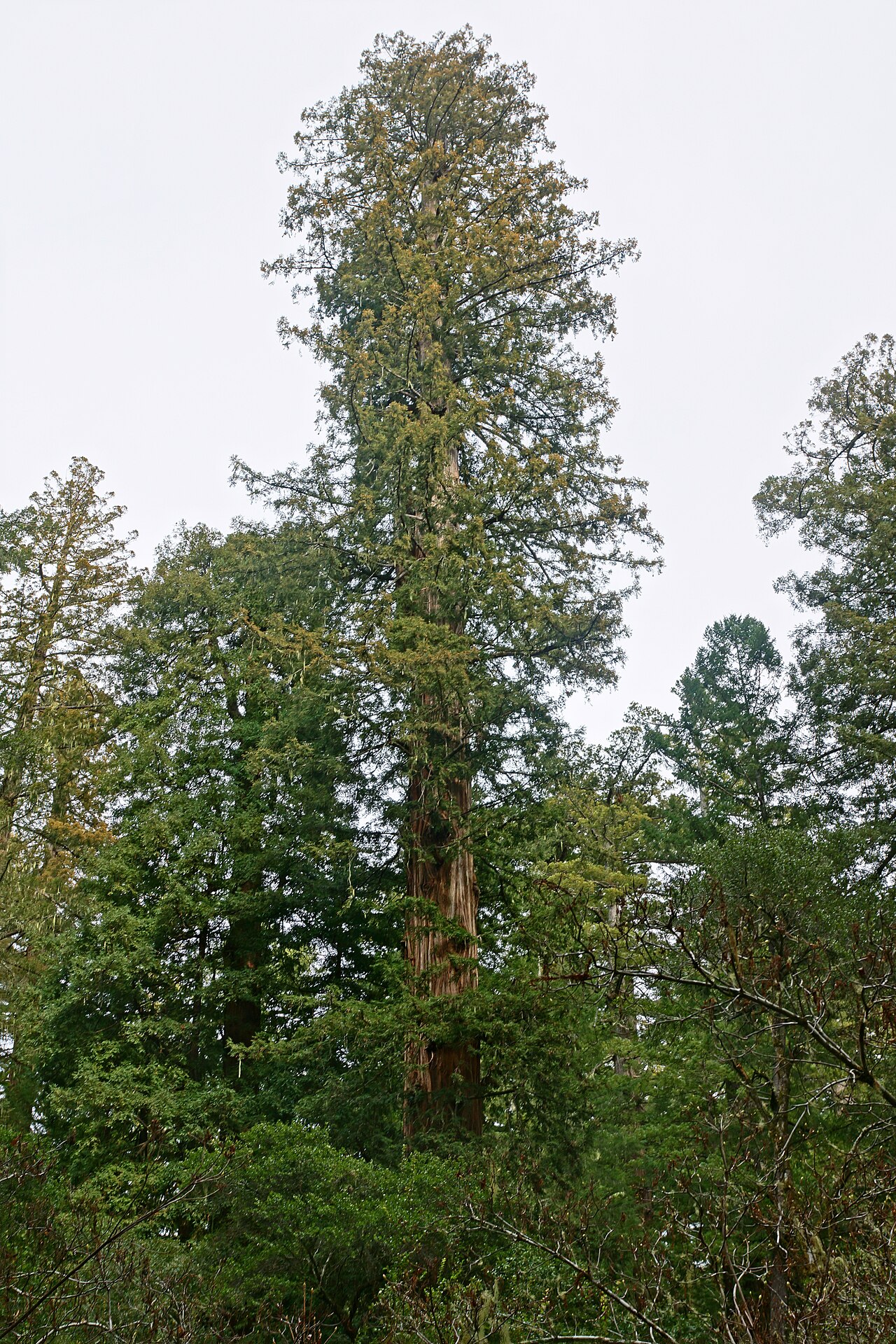
Coast redwood is the tallest tree species on Earth, reaching over 300 feet in its native California fog belt, though garden trees usually stay far smaller and compact cultivars such as Aptos Blue, Filoli and Yurok Prince suit ordinary yards. It is a fast-growing evergreen with flat, two-ranked needles, thick, fibrous, reddish bark and a narrow, conical crown. Plant in full sun to partial shade in moist, well-drained, acidic soil rich in organic matter, in a climate with cool summers and regular moisture — fog, rain or irrigation. It struggles in hot, dry, alkaline or polluted sites and in hard freezes below zone 7, so eastern gardeners should usually choose giant sequoia instead. Give it room and water, and it will reward you with astonishing growth.
Water & feeding
Water deeply and regularly, especially the first few years and in dry spells; coast redwood needs consistent moisture and suffers in drought, though it tolerates brief flooding. Mulch to hold moisture, and skip fertilizer unless growth is poor — compost is enough, and alkaline soil that yellows needles should be corrected by improving organic matter, not by heavy feeding.
Common problems
- Drought and heat stress — the main garden killer; this tree wants cool, moist air and soil.
- Iron chlorosis in alkaline soil — needles yellow; site it in acidic soil and add organic matter.
- Phytophthora root rot in waterlogged soil — drainage must be good, even though the tree likes moisture.
- Spider mites and scale in hot, dry sites — hose foliage and water rather than spraying first.
Notes
Coast redwood is a living fossil and a carbon giant, living for over a thousand years and sheltering entire ecosystems in its canopy. In a garden it is a statement tree: plant it where its height will be an asset, not a problem, and where its thirst for moisture can be met.
Browse all plant & pest guides
Propagation
Coast redwood can be grown from seed, but if seed were the only way, there would be far fewer redwoods in gardens than there are — because redwood seed is famously uncooperative. A mature tree produces an astonishing number of seeds, yet only a small fraction of them are viable, germination rates are low even under good conditions, and seedlings are slow to reach planting size. That is why nurseries and gardeners alike lean heavily on vegetative propagation: cuttings and basal sprouts give you a known plant, faster, with far less heartbreak. This section covers both, honestly, starting with the harder one.
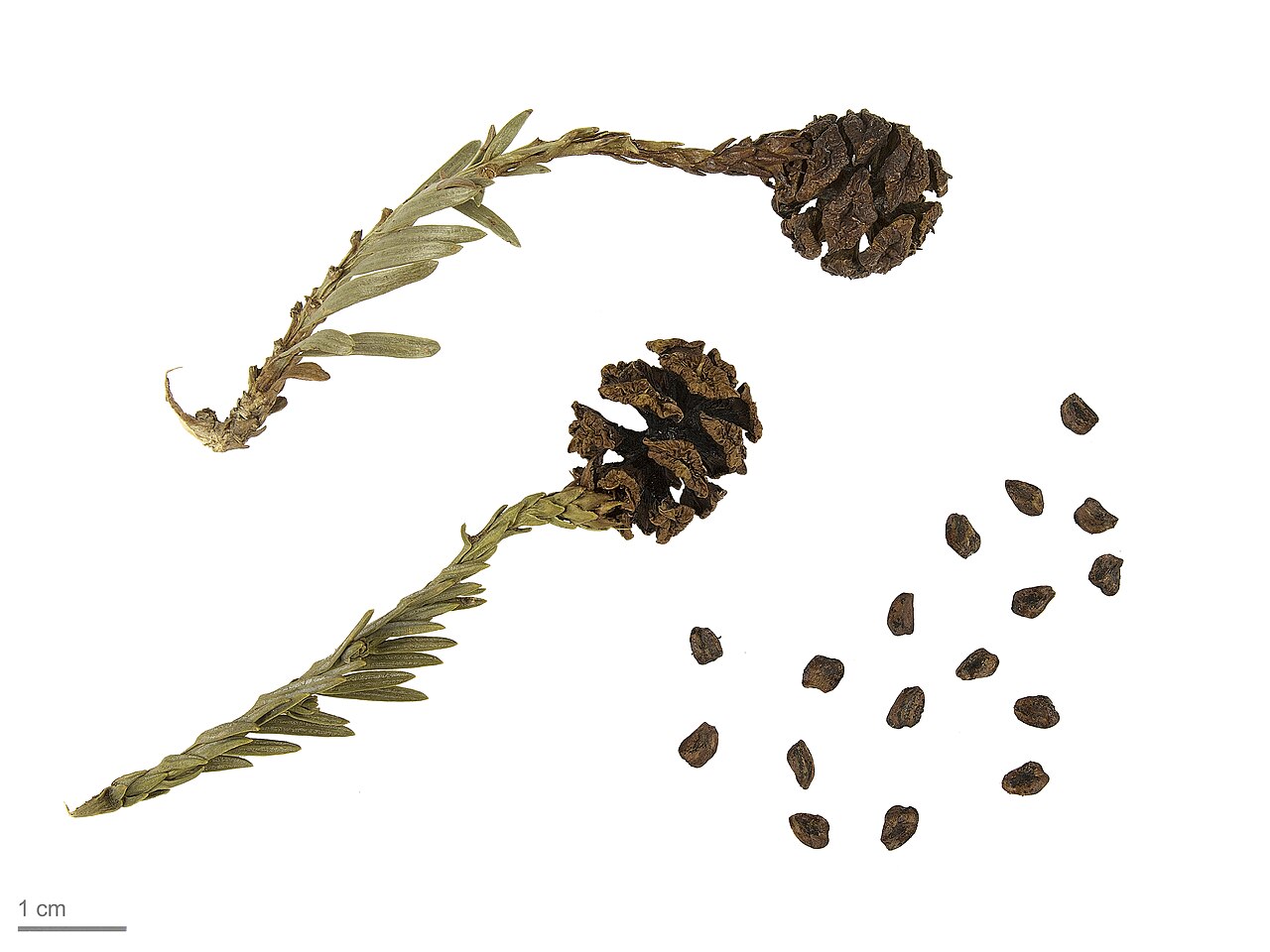
For seed, collect mature cones in late summer to autumn, when they have browned on the tree but before they have fully opened and shed. Dry the cones indoors in a paper bag and shake out the tiny winged seeds. Sow shallowly — barely covered — in a well-drained, moist seed-starting mix, and keep the tray in light shade with steady moisture. Some growers give the seed a cold, moist stratification period of a month or so in the refrigerator first, mimicking winter, and sources differ on how essential that step is; if you are sowing in autumn outdoors, winter does it for you. Sow generously, far more seed than you think you need, because most of it will not germinate, and prick out the seedlings into individual pots once they are large enough to handle. Grow them on under protection for their first winter or two — young redwoods are far more tender than the giants they become — and plant out in late spring once they are sturdy.
Cuttings are the more reliable route for a home gardener with access to a garden tree. Take semi-hardwood cuttings in late summer, from healthy young growth or from the vigorous sprouts that spring from the base of an established tree. Cuttings of around 6 to 12 inches, cut cleanly below a node, stripped of lower foliage, dipped in rooting hormone, and set in a humid, well-drained mix of peat and perlite will root over weeks to months under a plastic dome or in a cold frame — keep them moist, shaded, and patient. Basal sprouts with a heel of older wood attached root particularly well and are the closest thing to a shortcut this species offers. Grow rooted cuttings on in pots for a season or two before planting out; a rooted cutting is not yet a tree, and redwoods reward the gardener who does not rush them.
Two cautions to put up front. First, never take cuttings, cones, or sprouts from a wild redwood: wild trees are protected, and garden redwoods must come from nursery stock or from a tree already growing in a garden, with the owner’s permission. Second, a Florida reality check: coast redwood wants cool, foggy, moist coastal conditions, and Florida’s heat and humidity are a poor match — it is a tree for admiring in California groves and in cool-climate gardens, not a sensible Florida planting. Seedlings from a named garden form will also not come true: only cuttings preserve a cultivar’s exact character. Plant a redwood only where it has room to become enormous, because it fully intends to.
Varieties
Every named variety of Coast Redwood with its own growing guide:
- Aptos Blue Coast Redwood — The blue coast redwood: striking blue-green foliage on a fast, narrow evergreen, the redwood selected for color as much as size.
- Soquel Coast Redwood — The vigorous green redwood: a fast, classic-green selected form, the redwood for collectors who want the species at its best.