
🍓 Arctic Raspberry
What it looks like
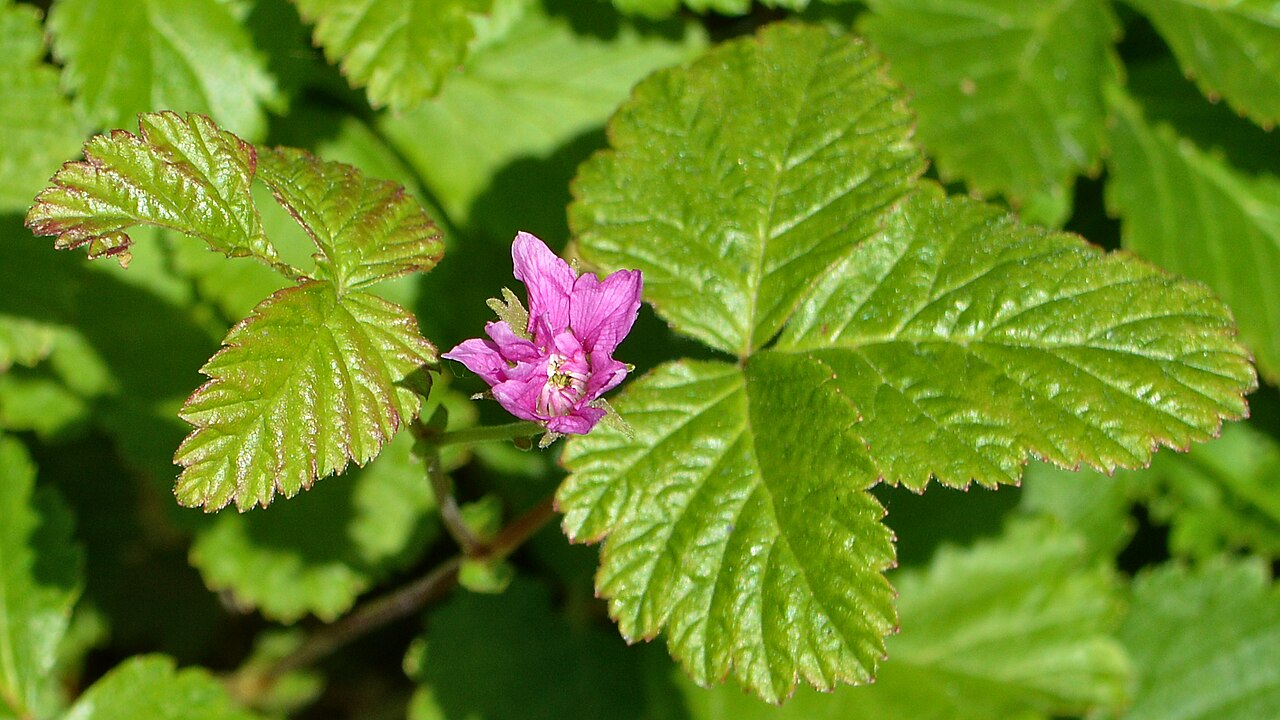
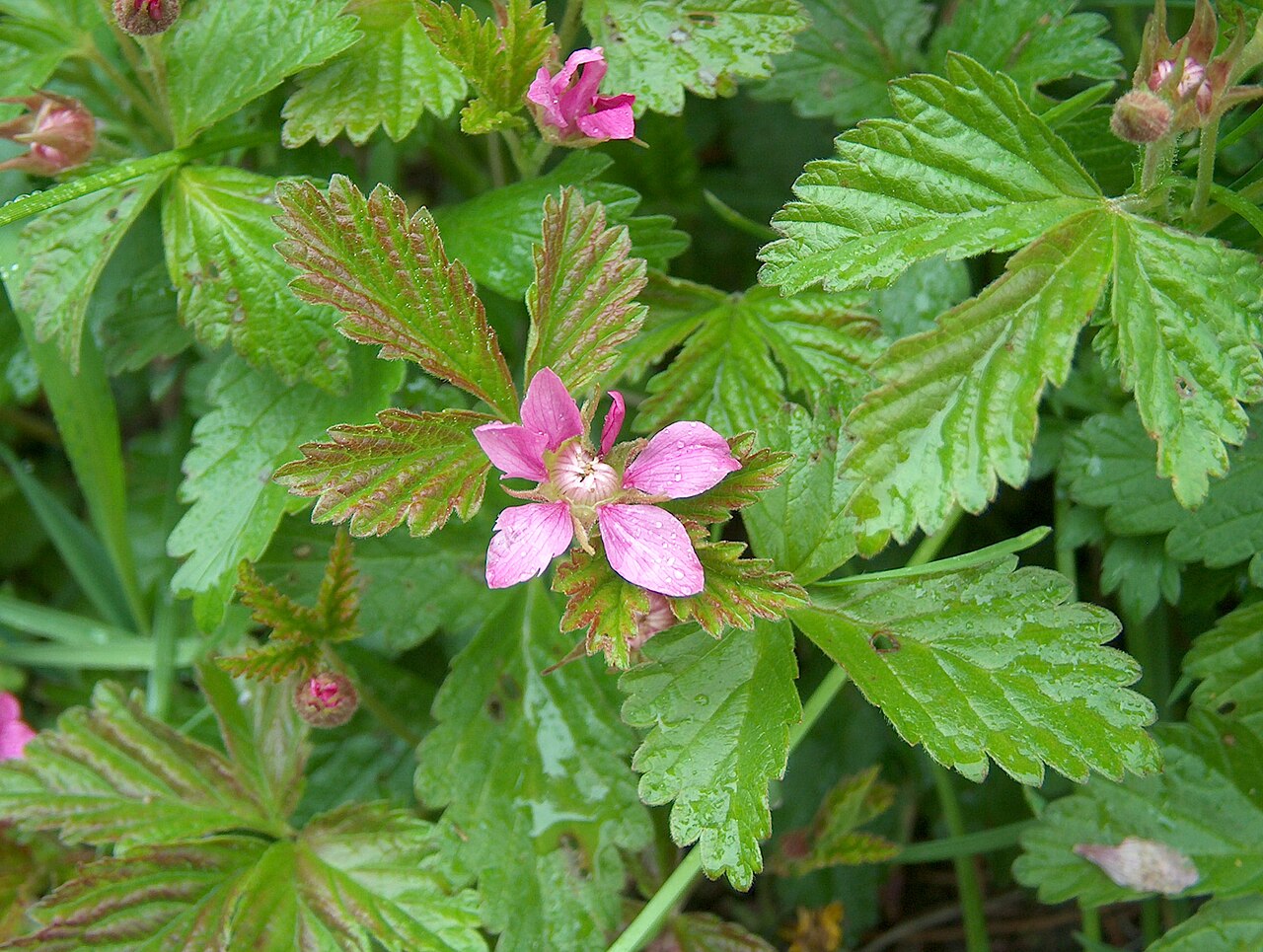
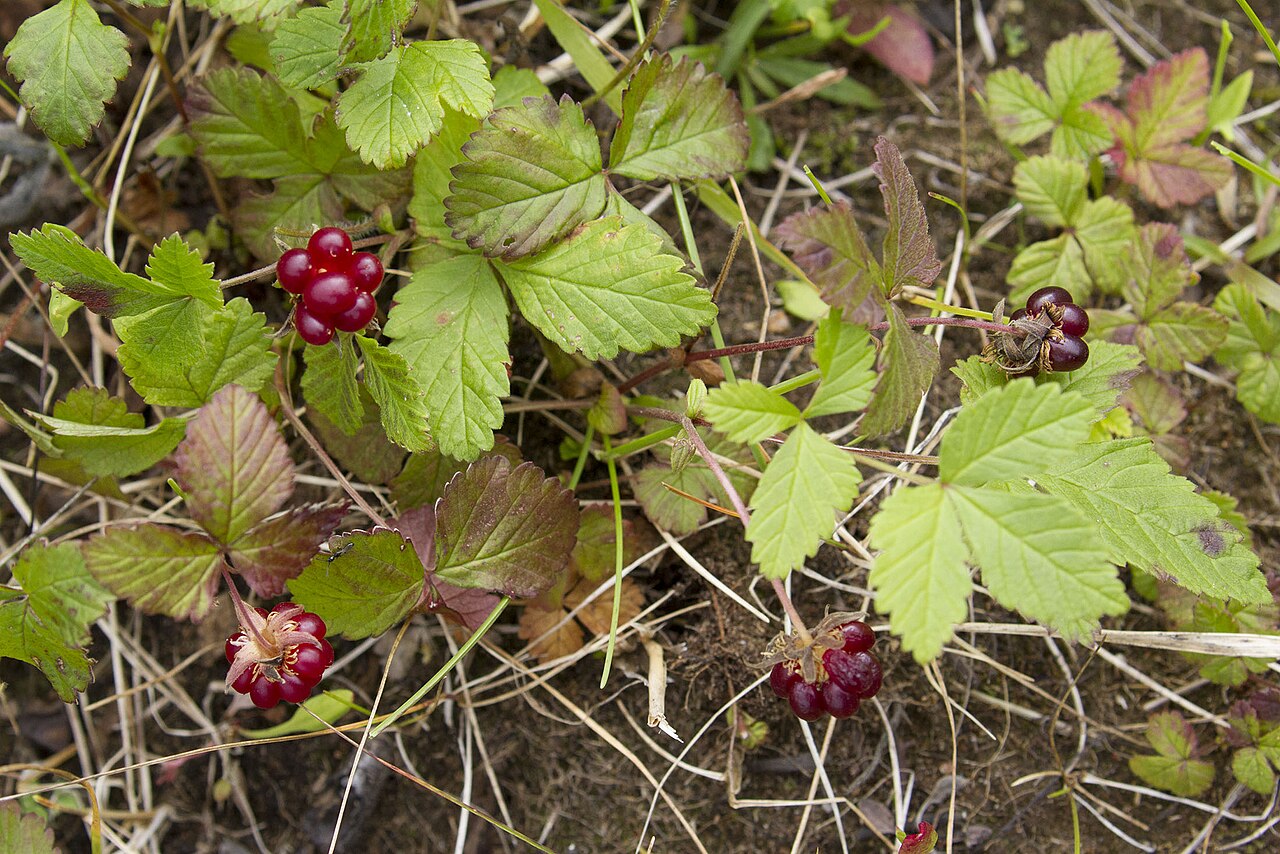
How to grow
Arctic raspberry is a low, creeping northern Rubus, only a few inches tall, bearing small, deep red fruit with an intense, perfumed raspberry flavor prized in Scandinavia and Alaska — and it needs what northern plants need: cold winters, cool summers, moist, acidic, humus-rich soil, and no baking heat. Plant it as a groundcover in a cool, moist bed, in full sun in the far north and partial shade farther south, and mulch with pine needles or bark. Crucially, it needs cross-pollination: plant at least two different varieties or clones, since a single clone fruits poorly. It spreads by runners into a low mat, which makes it a charming edible groundcover for a cool, damp corner — and a poor choice for a hot, dry garden, where it will simply give up.
Water & feeding
Keep soil consistently moist; arctic raspberry must not dry out, especially while fruit ripens. Mulch to hold moisture and keep roots cool. Feed lightly in spring with compost; rich feeding is unnecessary.
Common problems
- Heat — warm summers abort fruit; there is no workaround except a cooler site.
- Poor fruit set from a single clone — plant two varieties.
- Drought — a dry spell ruins the crop; mulch and water.
- Weeds in a low mat — hand-weed gently; runners are shallow.
Harvest
Pick when berries turn fully deep red and pull easily; they are small, soft, and intensely fragrant. Eat fresh, or cook into jam and desserts — a handful perfumes a whole dish. Handle gently; arctic raspberries crush at a touch.
Browse all plant & pest guides
Saving seeds
Arctic raspberry, Rubus arcticus, does set seed — it just makes you work for it, and then makes you wait. The fruit is a tiny cluster of drupelets, barely a mouthful, and each drupelet hides a small, hard seed with a stubborn streak. If you have fruit to spare, pick berries that are fully ripe, soft, and deeply coloured, and mash them gently in a bowl of water. The pulp floats and the good seed mostly sinks; pour off the pulp, rinse the seed clean, and spread it on paper to dry thoroughly. Seed stored damp, especially in a humid house, is seed on its way to mould, so dry it well, then keep it in a labelled envelope or jar, airtight, cool, and dark, with a desiccant packet if you have one.
Now the patience test: arctic raspberry seed needs a cold, moist rest before it will wake up, and sources disagree about how long that rest should be — published advice ranges from about a month to three or four months in the refrigerator. That disagreement is worth knowing, because it tells you germination will be uneven whatever you do. The practical approach is to mix the seed with damp sand or peat in a sealed bag, refrigerate it for several months over winter, then sow it shallowly in spring in a moist, well-drained mix, kept cool and bright but out of harsh sun. Do not let the mix dry out, and do not throw the tray away when nothing happens in a fortnight: germination can take weeks to months, and seedlings often arrive in dribs and drabs.
What you get from seed is a lottery ticket, not a clone. Seedlings will vary in vigour and flavour, and they will not be ‘Anna’ or ‘Beta’ — named cultivars only stay themselves when they are multiplied vegetatively, by division or root pieces. That matters twice over for this plant, because fruiting is best with two unrelated plants side by side: a patch grown from seed at least gives you genetic variety, which is exactly what cross-pollination wants. But if you want a known performer, division is the faster, surer route, and it is the honest recommendation if you already own a plant you love.
And the Florida caveat, stated plainly: this is a zones 2–6 plant of cold winters, and Florida heat is a hard limit, not a challenge to be overcome with enthusiasm. Seed saved in Florida is still worth saving if you garden in a cold climate or know someone who does, but do not expect a Florida patch to fruit — the chill it needs simply does not arrive. Save the seed, label it with the year and the parent plant, and send it where winter actually happens.
Varieties
Every named variety of Arctic Raspberry with its own growing guide:
- Anna Arctic Raspberry — The perfumed groundcover berry: tiny deep-red fruit with an outsized Arctic perfume, from a thornless plant barely ankle-high.
- Beta Arctic Raspberry — Anna's pollination partner: a vigorous, flavorful Arctic raspberry that fruits best when planted beside Anna or another unrelated cultivar.