
🍓 Beta Arctic Raspberry
What it looks like
Why this variety
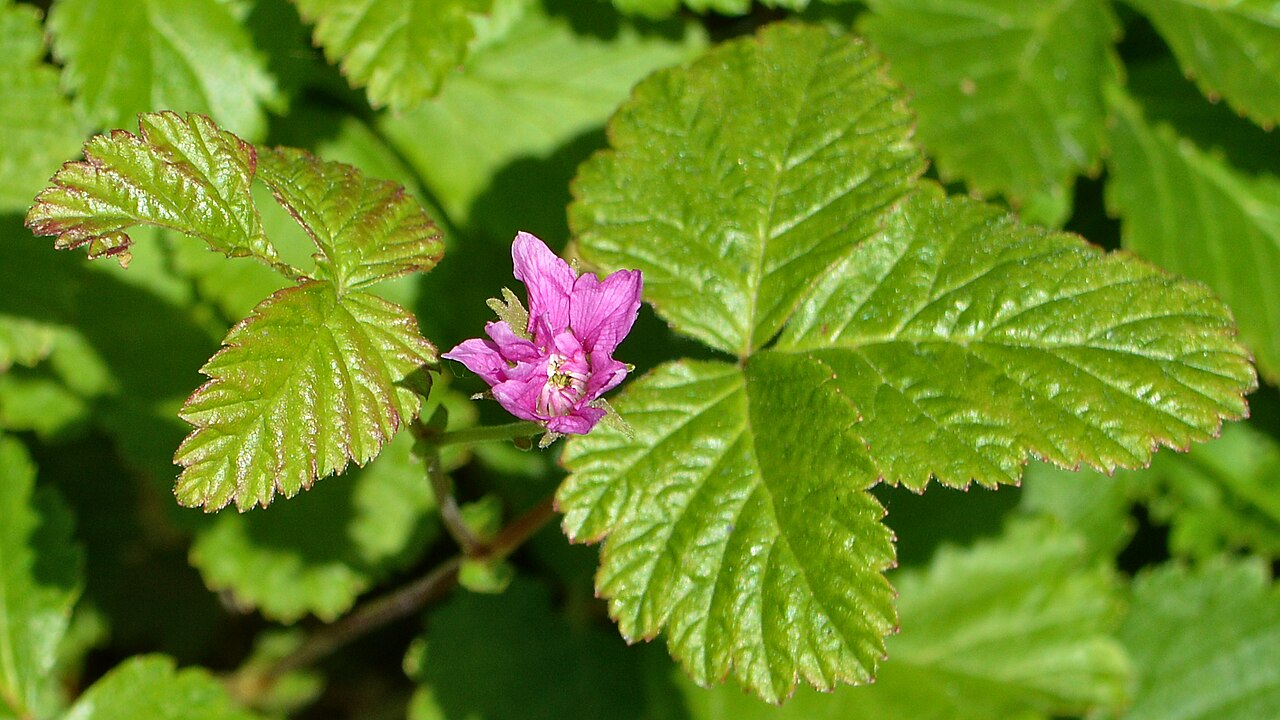
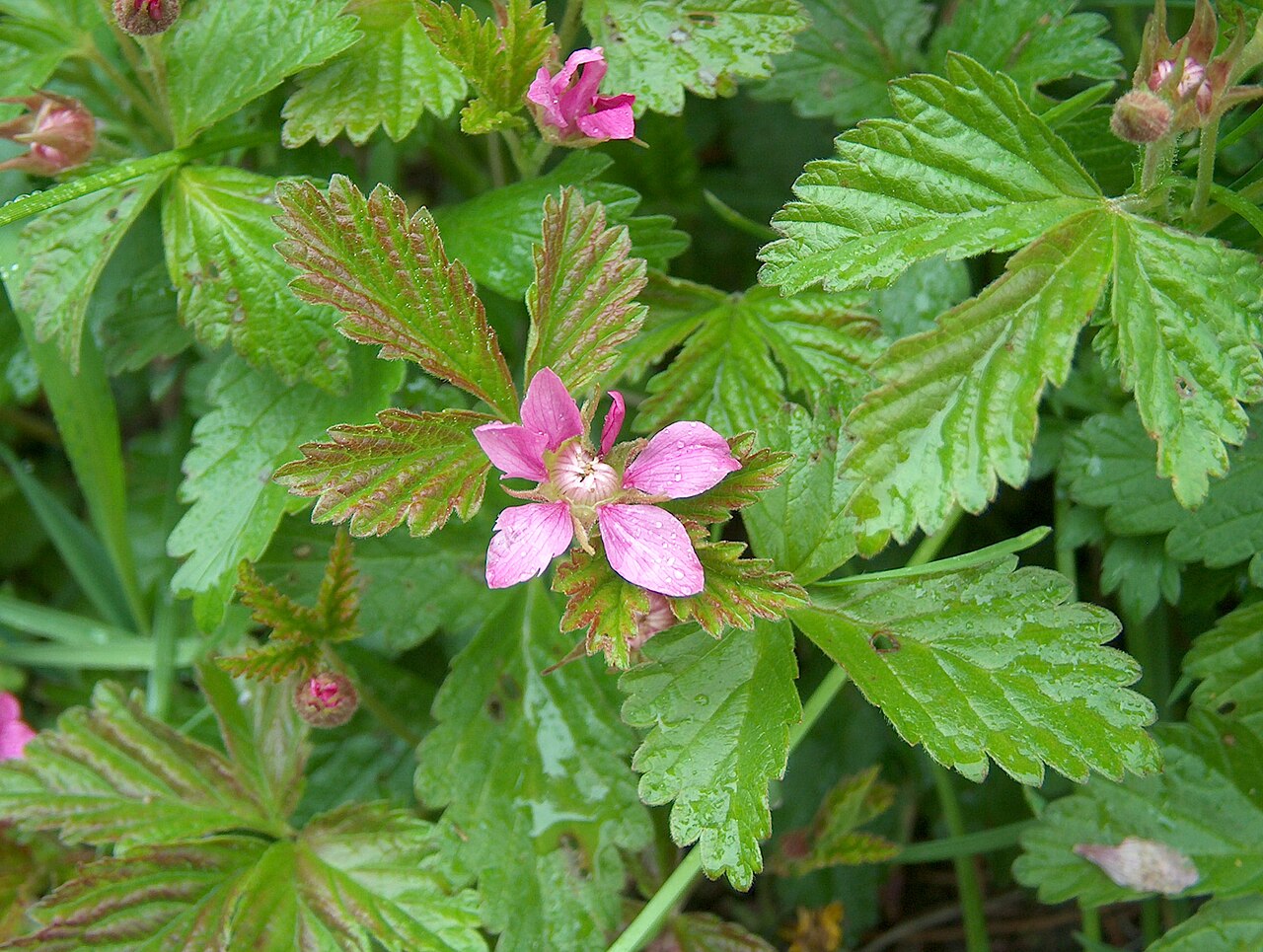
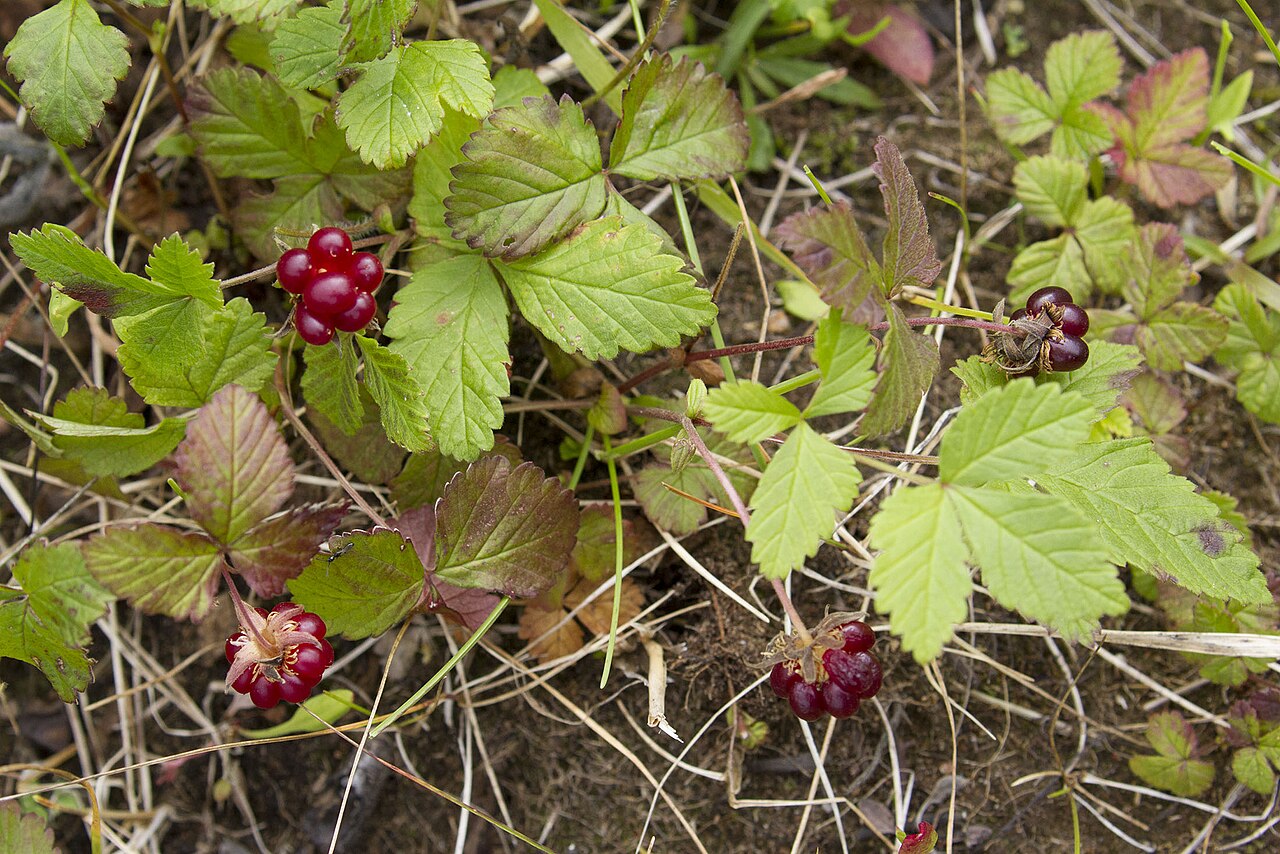
Beta is the other half of the classic pair, and the practical reason most gardeners grow Arctic raspberries at all: it is a vigorous, flavorful selection from the Swedish Balsgård breeding program, and it is the pollination partner Anna needs. Planted beside Anna, Beta’s flowers cross-pollinate Anna’s and vice versa, and both plants fruit — planted alone, either one flowers beautifully and fruits almost not at all. Beta’s own berries are small, deep red, and intensely perfumed, and its growth is a little more vigorous than Anna’s, which makes it the better groundcover of the two where the site is right.
The trade-off is the same northern bargain: Beta wants cold winters, cool summers, moist acidic soil, and shade in warm climates, and it sulks in heat and drought. It also spreads by creeping stems, so give it a bed it can colonize rather than a tight spot it must stay inside, and do not expect a big harvest — Arctic raspberries are measured in handfuls, not quarts, and their value is flavor, not volume. Three cultivars planted together fruit more reliably than two, because Arctic raspberries carry self-incompatibility genes that sometimes make even two cultivars poor partners.
If you are new to choosing between cultivars, the Varieties Matter guide explains why the name after the plant matters as much as the plant itself. Beta is a perfect example: it is not just a arctic raspberry in the abstract, it is a arctic raspberry with a specific job, a specific history, and specific strengths.
Florida honesty: Beta does not grow in Florida, any more than Anna does. Zones 2-6 is its range, Florida is zones 8-11, and the gap is not bridgeable with shade cloth or wishful thinking — Arctic raspberries need winter cold and summer cool that Florida simply does not offer. This guide exists for northern readers and for curious Florida gardeners; the planting recommendation for Florida is a southern blackberry, not an Arctic one.
How to grow
Plant in spring in cool, moist, acidic, humus-rich soil, in full sun in the far north and partial shade farther south — Arctic raspberry is a northern groundcover that wants cold winters, cool summers, and soil that never dries out. Work compost and worm castings into the bed, mulch to hold moisture, and always plant at least two unrelated cultivars together, because Arctic raspberries are self-sterile and a lone plant fruits almost not at all.
Set plants 12 inches apart in soil with a pH around 5.0-6.0. Work worm castings into the bed at planting and mulch to hold moisture. A well-fed arctic raspberry plant rewards that care directly: steadier growth, better bloom, and a show that actually shows up.
Water & feeding
Keep soil consistently moist and never let it dry out — Arctic raspberry wants damp-meadow moisture, acidic and humus-rich, and a plant that dries out stalls and fruits thinly. Water at the soil line, mulch deeply with acidic mulch, and feed lightly: castings and compost at planting plus a spring top-dress. In a dry spell, water is the care program; in a wet spell, drainage is.
Common problems
- No fruit without a partner — Arctic raspberries are self-sterile; plant at least two unrelated cultivars, or expect flowers and no berries.
- Heat failure — Arctic raspberry needs cold winters and cool summers; heat is fatal, not marginal, and no mulch changes the math.
- Drought stalling — a plant that dries out fruits thinly or not at all; keep soil consistently moist and mulched.
- Poor fruit set with related partners — some cultivar pairs share self-incompatibility genes; plant three cultivars for reliable set.
- Slugs on low foliage in wet weather — pick at dusk and keep mulch pulled back slightly from crowns.
Harvest
Pick berries when fully deep red and soft, in summer — Arctic raspberries are tiny, so pick into a small container and eat them fresh, because a handful is a serving and their perfume fades fast. Do not expect quarts: Arctic raspberries are measured in handfuls, not buckets, and their value is flavor, not volume. Leave some berries for birds, and let plants spread into the groundcover they want to be.
Browse all plant & pest guides
Saving seeds
Beta is a selected cultivar, so seed saved from it won’t come true — plant nursery stock instead, and always plant it beside a pollination partner like Anna. The Saving seeds section of the Arctic Raspberry guide covers seed for the straight species.