
🍂 Arkansas Beauty Large Fothergilla
What it looks like
Why this variety
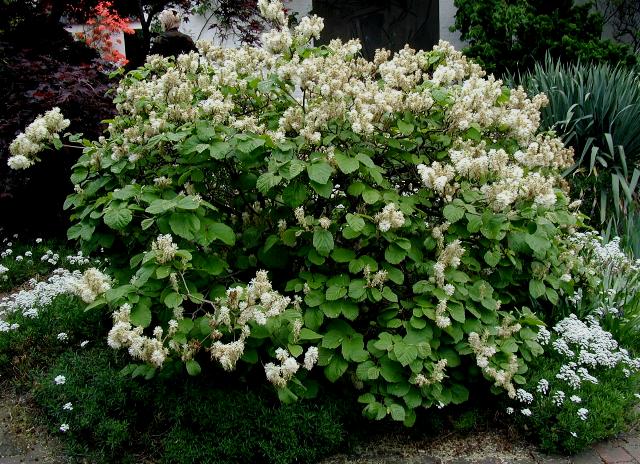
Arkansas Beauty matters for a gloriously nerdy reason: it is one of the very few cultivars proven to be a true Fothergilla major. In Ranney’s cytological research, most famous ‘major’ selections turned out to be hybrids — including Mt. Airy — while Arkansas Beauty and Mystic Harbor were true major (6x). Arkansas Beauty was introduced from a disjunct Arkansas population growing in relatively dry habitat, which gives it a toughness the pampered hybrids do not always share.
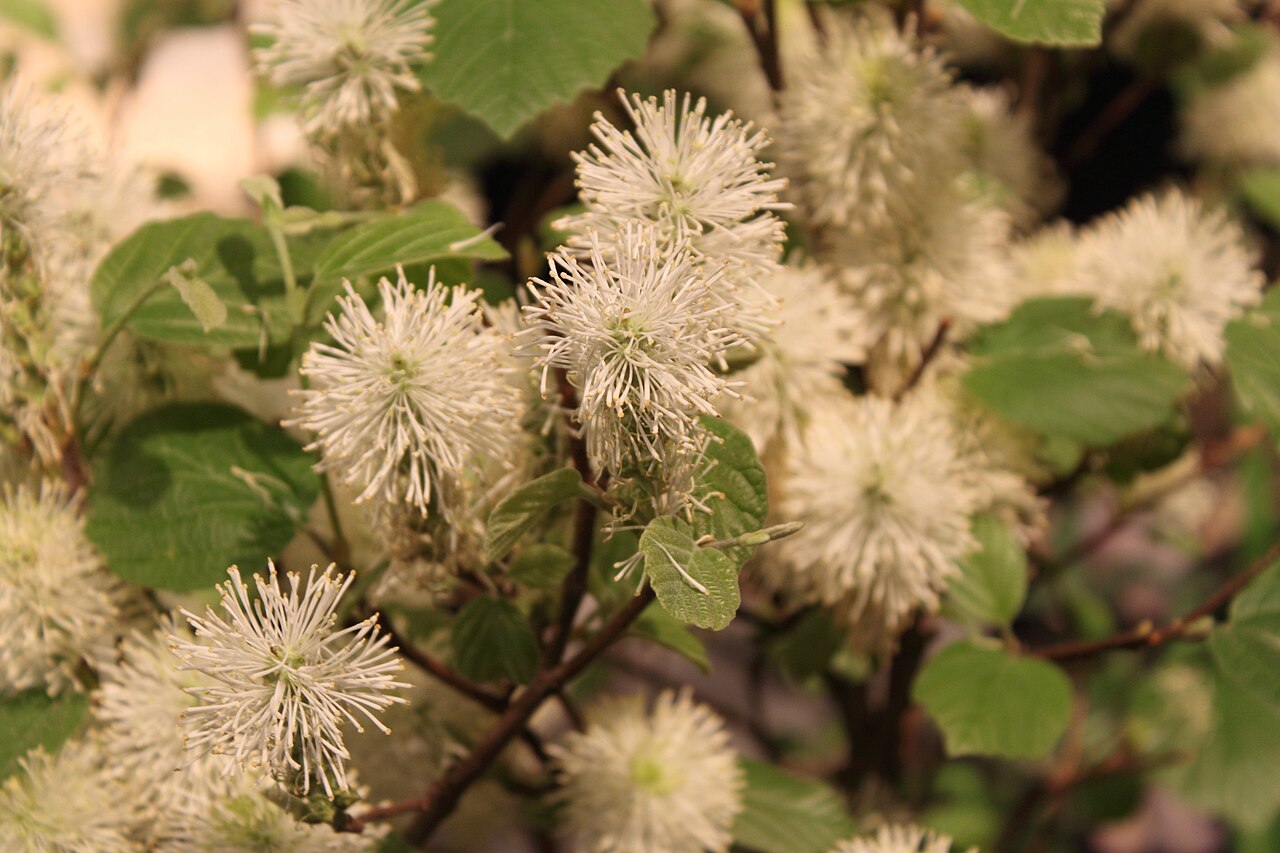
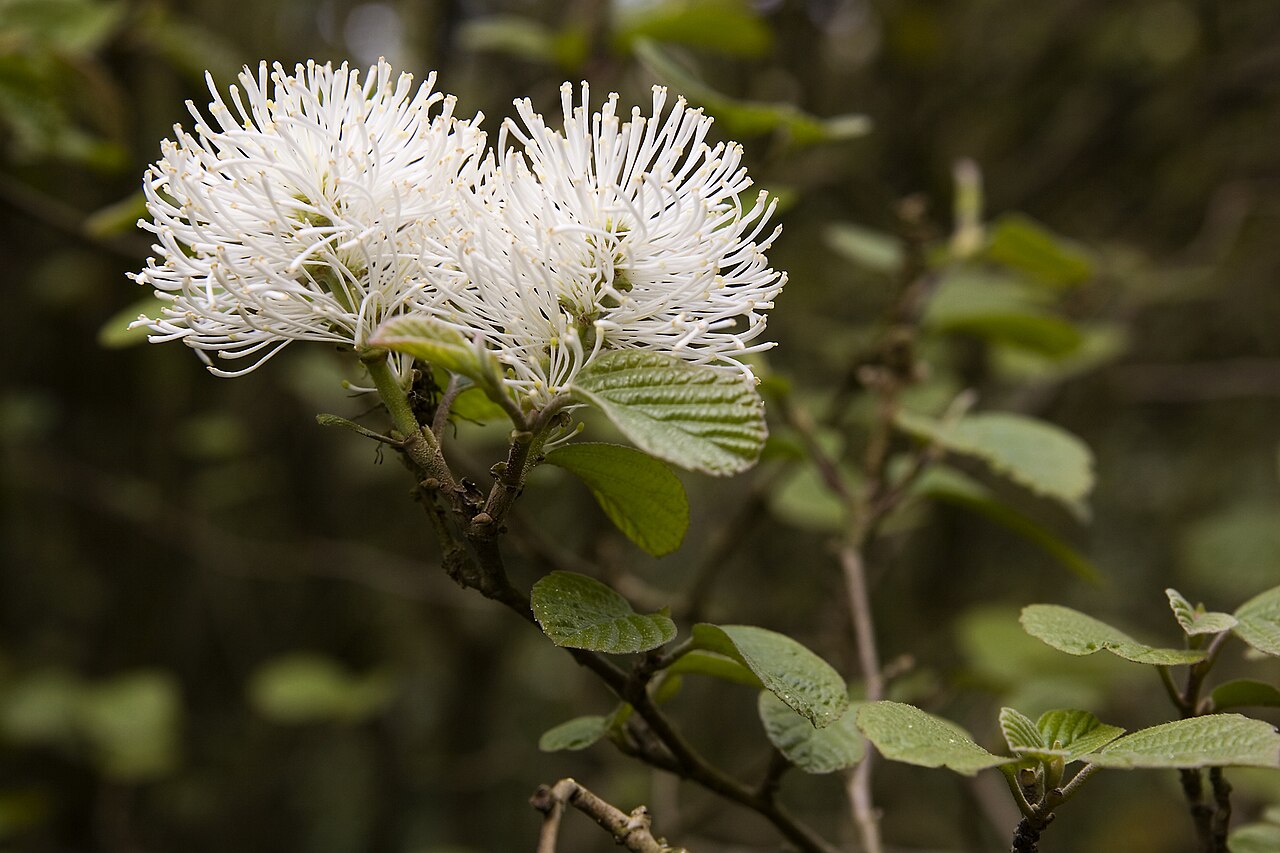
Honesty first, as the research demands: Darke notes it is durable but a sparse bloomer with inferior autumn colour compared with the hybrid stars — its summer leaf is light green, and its fall colour runs the full red-to-yellow range but not always with the hybrids’ fireworks. Choose Arkansas Beauty for authenticity, durability, and dry tolerance, not for out-blazing Mt. Airy — and enjoy it for what it is: the real large species, in garden form, about 6 feet tall, often blooming before its leaves emerge.
Florida honesty: fothergillas are zone 5–8 shrubs that want acid, moist, well-drained soil and a real winter. That makes this a north-Florida trial, not a statewide shrub. Give it morning sun, afternoon shade, mulch, and acid soil, and accept that central and south Florida heat is a hard limit, not a challenge to power through.
If you are new to choosing between cultivars, the Varieties Matter guide explains why the name after the plant matters as much as the plant itself. The species guide for Large Fothergilla covers the species as a whole; this guide is about what makes this one selection different.
How to grow
Plant in spring or autumn, in full sun to part shade, in moist, well-drained, acid soil rich in organic matter. Fothergillas hate lime and wet feet in equal measure: if your soil is alkaline, grow them in a raised bed of acid mix or a large container, not in the native soil and hope. Mulch deeply to keep roots cool and moist, and water to establish — a fothergilla that dries out in its first summer sulks for years.
Plant Arkansas Beauty where its dry tolerance can help: a well-drained slope, a woodland edge with acid soil, or a border that does not get coddled. It still wants moisture to establish and acid soil always — ‘dry-tolerant for a fothergilla’ is not ‘drought-proof.’
Water & feeding
Water to establish and in dry spells; fothergillas want evenly moist soil, not soggy and not dry. A deep mulch of pine bark or leaf mould helps on both counts and gently acidifies as it breaks down. Feed lightly in spring with castings or an acid-loving fertiliser; heavy feeding grows soft wood and dulls the fall colour, which is the whole reason you planted it.
Common problems
- Alkaline soil chlorosis — yellow leaves with green veins mean the pH is too high; acidify the soil or move the plant, do not just add iron and hope.
- Drought stress — leaf scorch and poor fall colour follow a dry summer; mulch and water are the prevention.
- Slow establishment — fothergillas are slow but long-lived; a quiet first year is normal, not failure.
- Few pests — this genus is blessedly unbothered; most problems are soil and water, not insects.
Pruning & enjoying it
Prune little and late: remove dead wood after flowering, and otherwise let the upright-oval to rounded form develop. Arkansas Beauty’s value is in its story as much as its show — a true species selection from a wild Arkansas population, growing in a garden far from home and holding its own. In spring, its white bottlebrush spikes are fragrant; in autumn, its leaves do the full fothergilla kaleidoscope, even if they do it a little more quietly than the hybrids.
Browse all plant & pest guides
Saving seeds
Arkansas Beauty is a true Fothergilla major, so seed saved from it comes true — the Saving seeds section of the Large Fothergilla guide covers the method.