
✳️ Aster
What it looks like
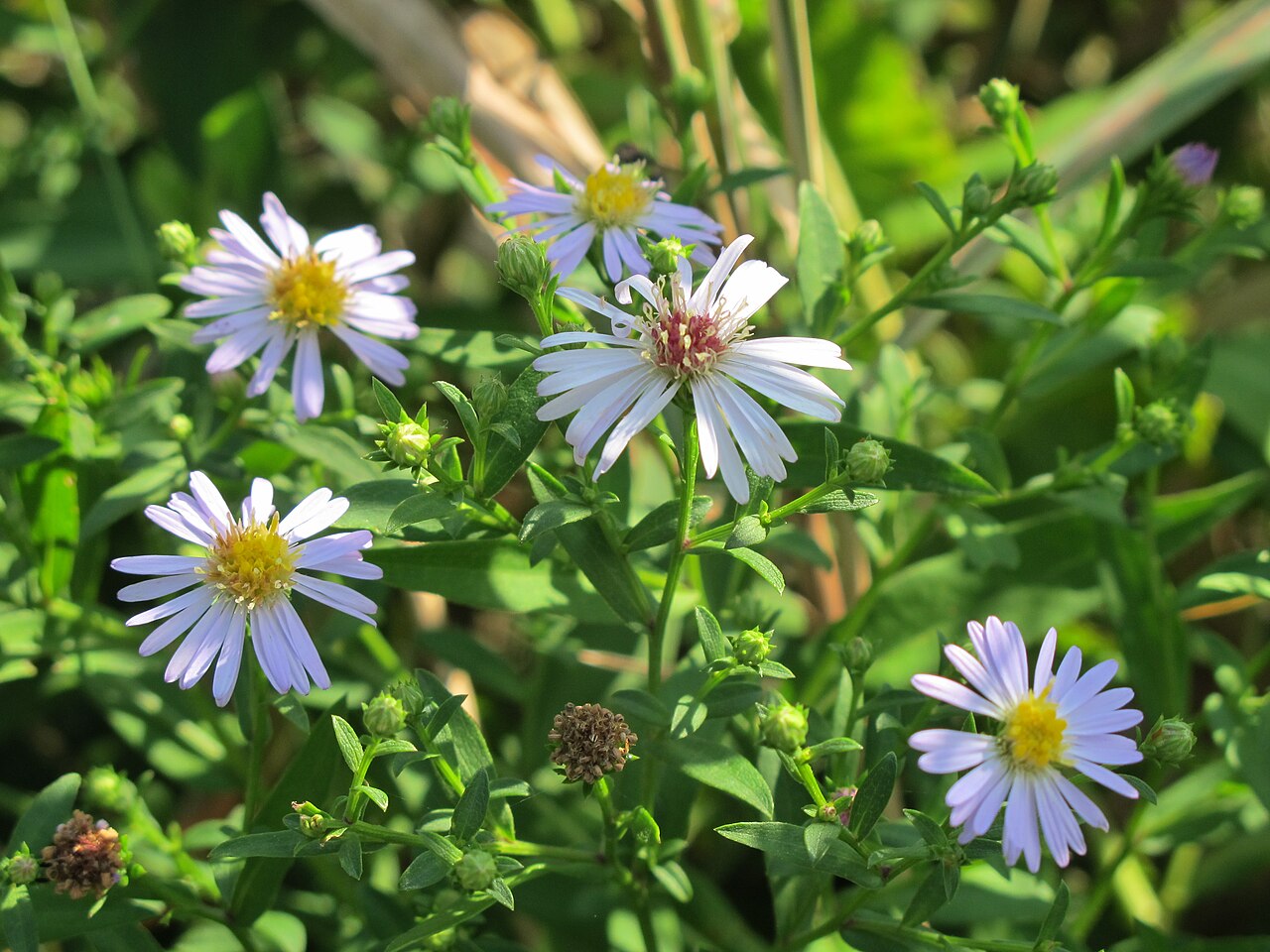
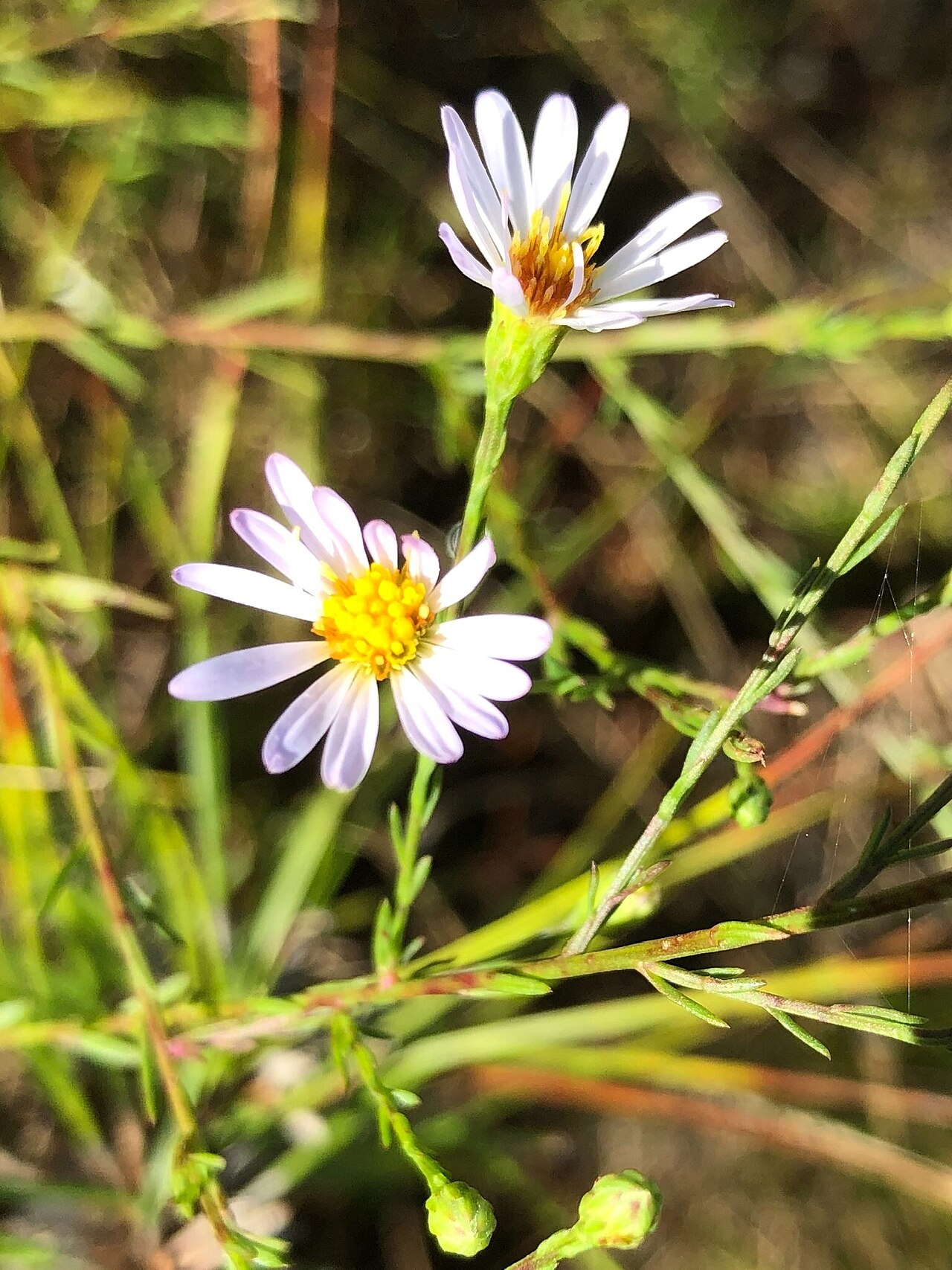
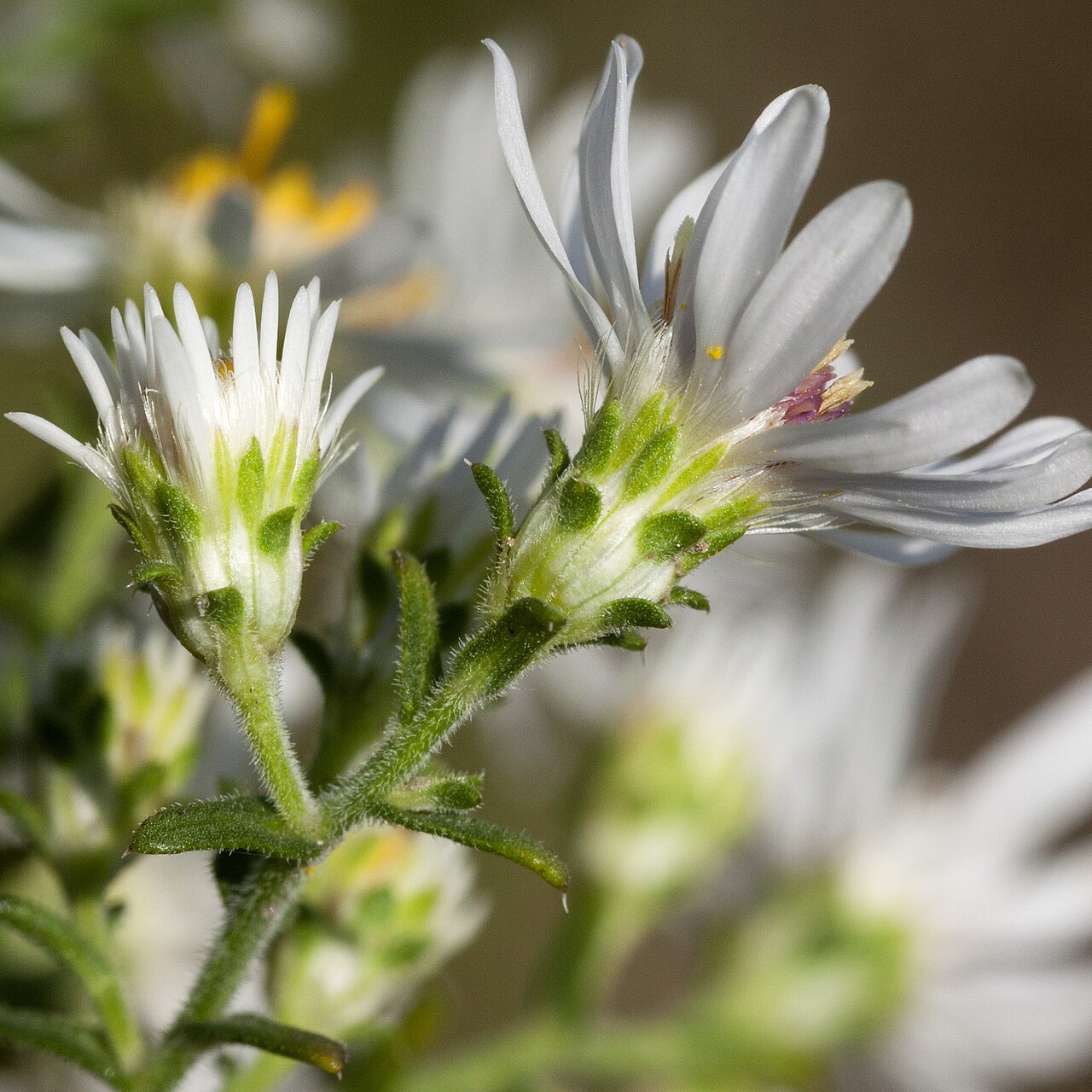
How to grow
Plant in spring or fall in well-drained soil in sun — asters are the backbone of the fall perennial border, blooming when most flowers have quit. New England aster (S. novae-angliae) is tall and purple-pink; New York aster (S. novi-belgii) is more compact; aromatic aster stays tidy and mildew-resistant. Pinch tall types back until early July for bushier plants, and give them airflow — crowded asters in humid air are mildew’s favorite address. Most are native, and all are pollinator magnets late in the season.
Water & feeding
Water to establish and during dry spells; asters prefer consistent moisture and bloom best when not drought-stressed. Mulch to hold soil moisture.
Common problems
- Powdery mildew — the classic aster complaint; choose resistant species and space for airflow
- Aster yellows (a phytoplasma spread by leafhoppers) — pull and discard affected plants
- Flopping on tall types — pinch back or stake
Harvest
Deadhead to prolong bloom, or leave seed heads standing for birds through winter and cut back in spring. Divide clumps every 2–3 years to keep them vigorous.
Browse all plant & pest guides
Saving seeds
Asters are generous seed savers, almost to a fault. Leave a New England aster or a wood aster alone after bloom and it will happily seed itself all over the bed, which tells you everything you need to know about how easy the seed is to collect: the plant is already trying to do it for you. Most of the asters in this guide are now placed in Symphyotrichum, the North American genus that took over when the old catch-all Aster was split up, and their seed heads all behave the same cheerful way — which is to say, like tiny dandelion clocks with ambitions.
Wait until a few weeks after flowering — roughly four weeks is the usual figure — when the flower heads have turned dry and fluffy, each little seed wearing a feathery tuft built for wind travel. That fluff is your ripeness test: if the seeds pull away from the head easily and the head looks like a fuzzy ball, they are ready; if they cling stubbornly, give them more time. Clip the stems a few inches below the heads into a paper bag, then pinch or shake the seed free. A word of caution for the tidy gardener: do this on a still day, or a good gust will sow your entire harvest across the neighborhood before you get the bag closed, which the asters will consider a great success and you may not.
Spread the seed out to dry for a week or two in a cool, dry place, then store it in a labeled envelope or sealed container, cool and dark — and in Florida, airtight with a desiccant, because a humid shelf will quietly sap viability. Properly dried aster seed generally keeps for one to two years, with germination dropping noticeably after that, so sow it while it is fresh. When you do sow, remember that most asters need a cold, moist period first: roughly a month or two of cold stratification in the refrigerator, or a fall or winter sowing outdoors that lets winter do the work, will wake them far more reliably than spring sowing without a chill. Press the seed into the soil surface rather than burying it deep, keep it moist, and be patient. One last piece of honesty: seed from a named cultivar or hybrid will not reliably grow true, and asters cross readily with their neighbors, so seedlings from a mixed border are surprises, not copies. If you want an exact duplicate of a favorite plant, divide the clump instead. And consider leaving a few heads standing through winter — the seed you do not collect is bird food and next year’s volunteers, which is a perfectly respectable fate for an aster.
Varieties
Every named variety of Aster with its own growing guide:
- Alma Pötschke Aster — The tall pink New England aster: masses of magenta-pink daisies on 3- to 4-foot stems, an RHS Award winner and still one of the best big pinks.
- October Skies Aster — The low, mildew-resistant aromatic aster: a compact, shrub-like mound of blue-purple daisies that blooms late and shrugs at mildew.
- Purple Dome Aster — The compact New England aster: a dense, 18- to 24-inch mound smothered in deep-purple, semi-double daisies — the small-garden aster.