
🌼 Aurantiacus Tea Olive
What it looks like
Why this variety
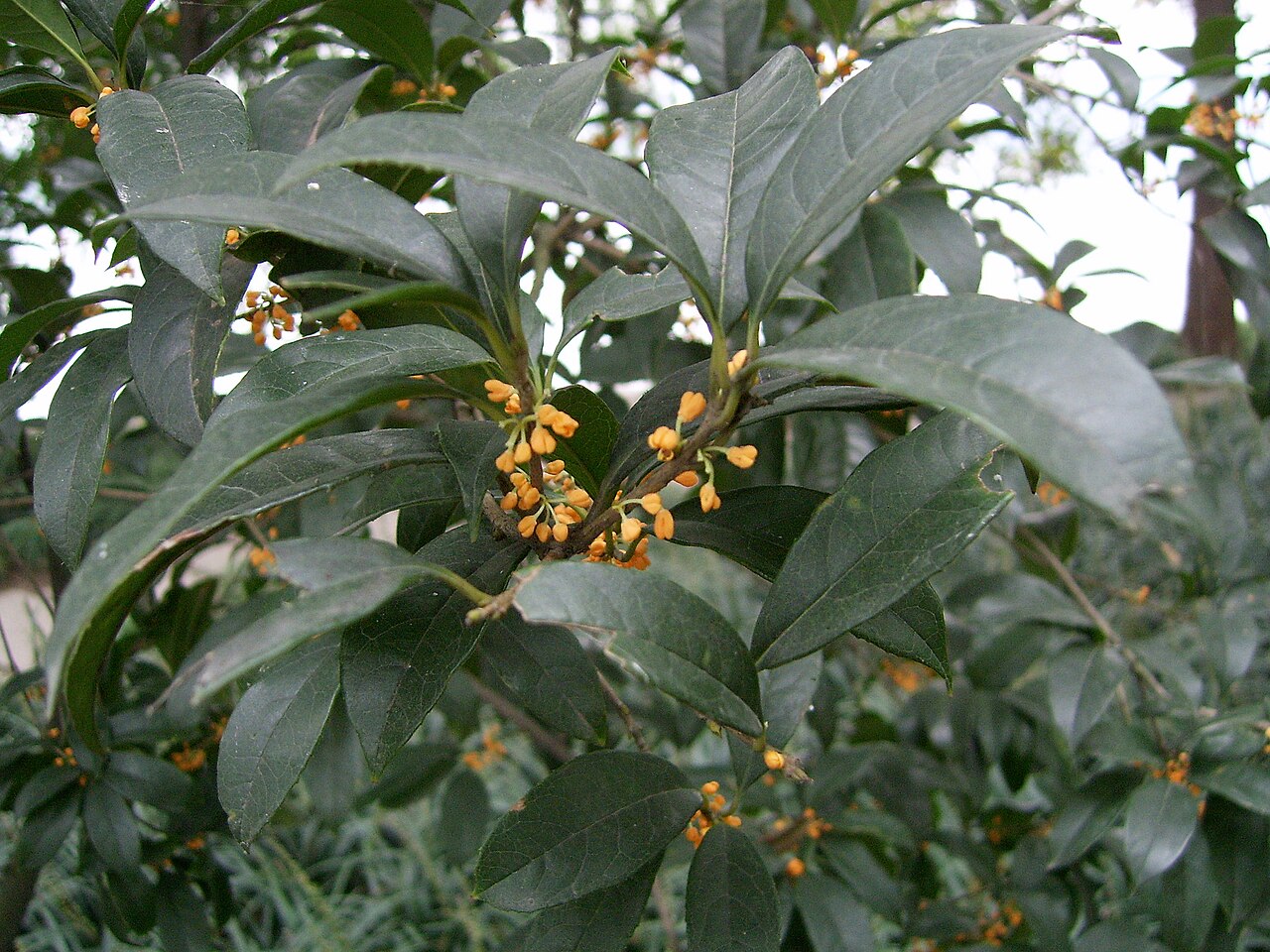
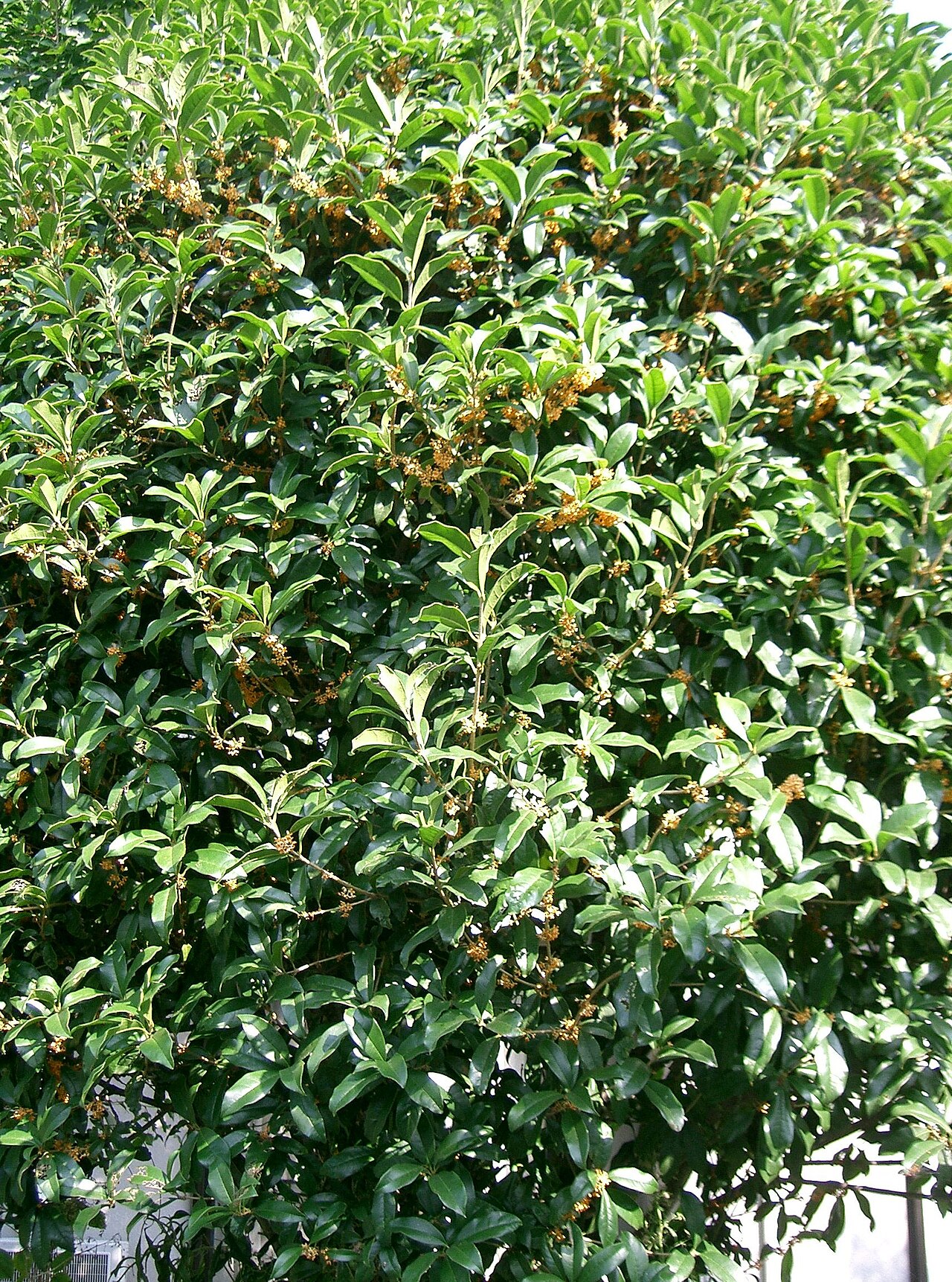
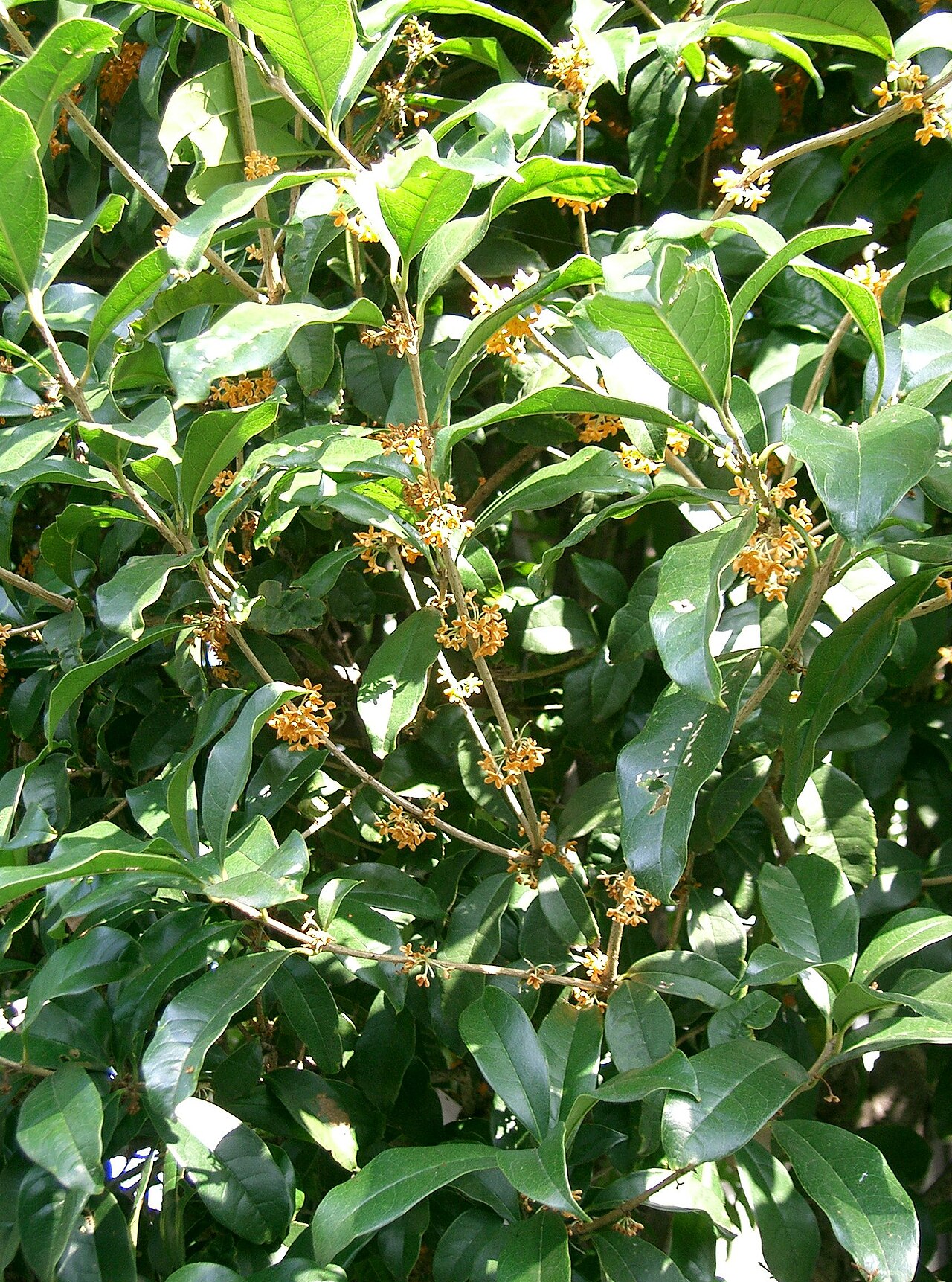
Aurantiacus is the orange-flowered form of fragrant tea olive — Osmanthus fragrans f. aurantiacus — and it is the tea olive for gardeners who want to see the flowers, not just smell them: light to bright orange flowers, abundantly produced in a heavy fall flush, visible against the dark green evergreen leaves in a way white tea-olive flowers are not. The flush lasts only one to two weeks, but it is so heavy that the shrub looks orange from the street, and the fragrance during those weeks is the usual tea-olive wall of scent.
In Florida, Aurantiacus is at home statewide except in hard-freeze pockets, in sun to part shade and well-drained soil, and it is a touch more cold-hardy than the white species — a useful edge in north Florida, where a late freeze can nip white tea olives. Give it room at 10–15 feet, prune after the fall flush if shaping is needed, and mark the calendar: the orange weeks are short, and missing them is the only real regret this shrub offers.
How to grow
Tea olive is the shrub you plant for a smell, not a sight: tiny white, cream, yellow or orange flowers, almost invisible among the leaves, with a fragrance — apricot, jasmine, orange blossom, depending on whose nose you ask — that carries across a whole yard in fall and winter, with scattered bloom through the cooler months. Plant in spring or fall in sun to part shade in well-drained soil, and give it room: 10–15 feet tall and wide at maturity, though it takes pruning gracefully. In Florida it is a plant-it-and-enjoy-it shrub, evergreen, heat-tolerant and long-lived, and one of the few shrubs that is at its best when the rest of the garden is winding down. Prune after a flush of bloom if shaping is needed; tea olive forgives a haircut better than most evergreens.
Water & feeding
Water deeply through establishment, then in dry spells; established tea olive is moderately drought-tolerant but blooms best with steady moisture. Mulch to hold moisture. Feed lightly in spring.
Common problems
Few serious pests. Scale may appear on stressed plants; horticultural oil and better watering usually settle them. Cold damage in a hard freeze is the real risk in north Florida — wait until spring growth shows, then prune back to live wood. A tea olive planted in wet, shady clay will grow slowly and bloom thinly; that is a siting verdict.
Harvest
No fruit harvest — the crop is the orange flush and the perfume. Prune after flowering if shaping is needed. The orange flowers are the most photogenic in the tea-olive family, so a camera in fall is not a bad idea — the flush will not wait for you to remember it.
Nerdy fact: Orange flowers are orange because of carotenoids — the same pigments that colour carrots and marigolds — and in tea olive the orange form is a single clone in cultivation, propagated by cuttings for generations. Your orange tea olive is, genetically, the same plant as every other orange tea olive, which is a kind of immortality for a shrub.
Saving seeds
Aurantiacus is the orange-flowered form, so seed saved from it won’t reliably hold the orange flowers — propagate it from cuttings instead. The Saving seeds section of the Tea Olive guide covers seed for the straight species.