
🫒 Tea Olive
What it looks like
How to grow
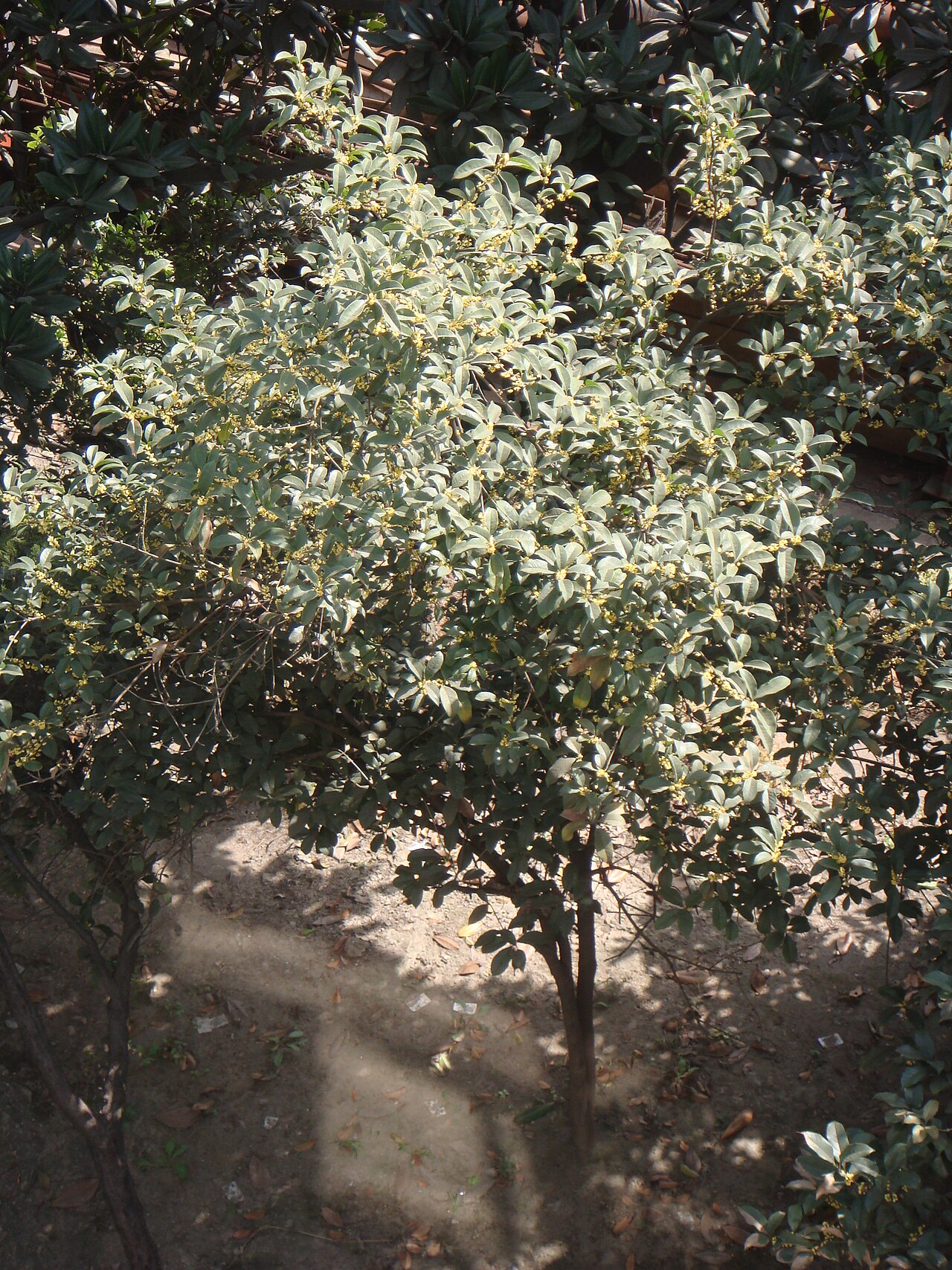
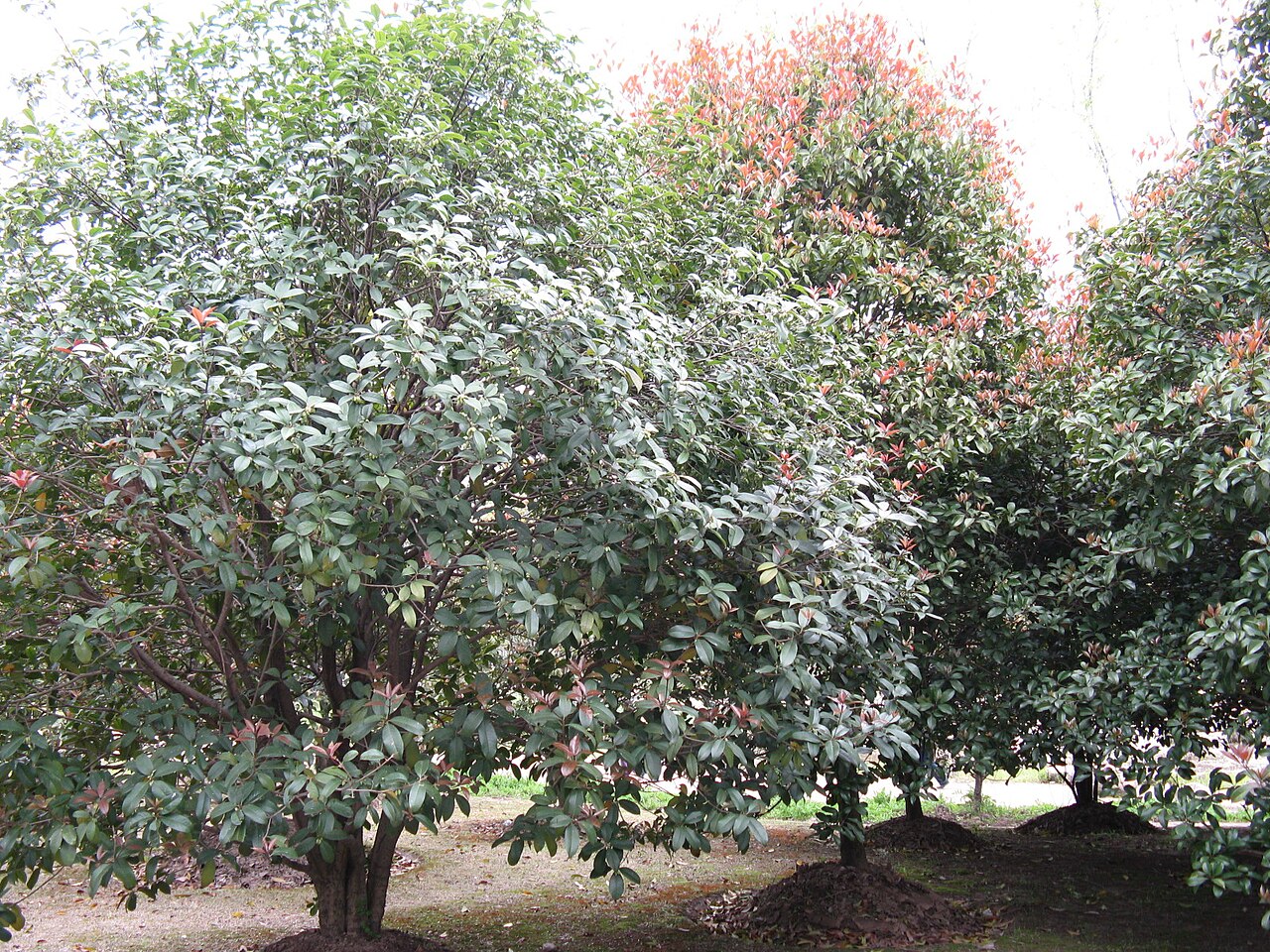
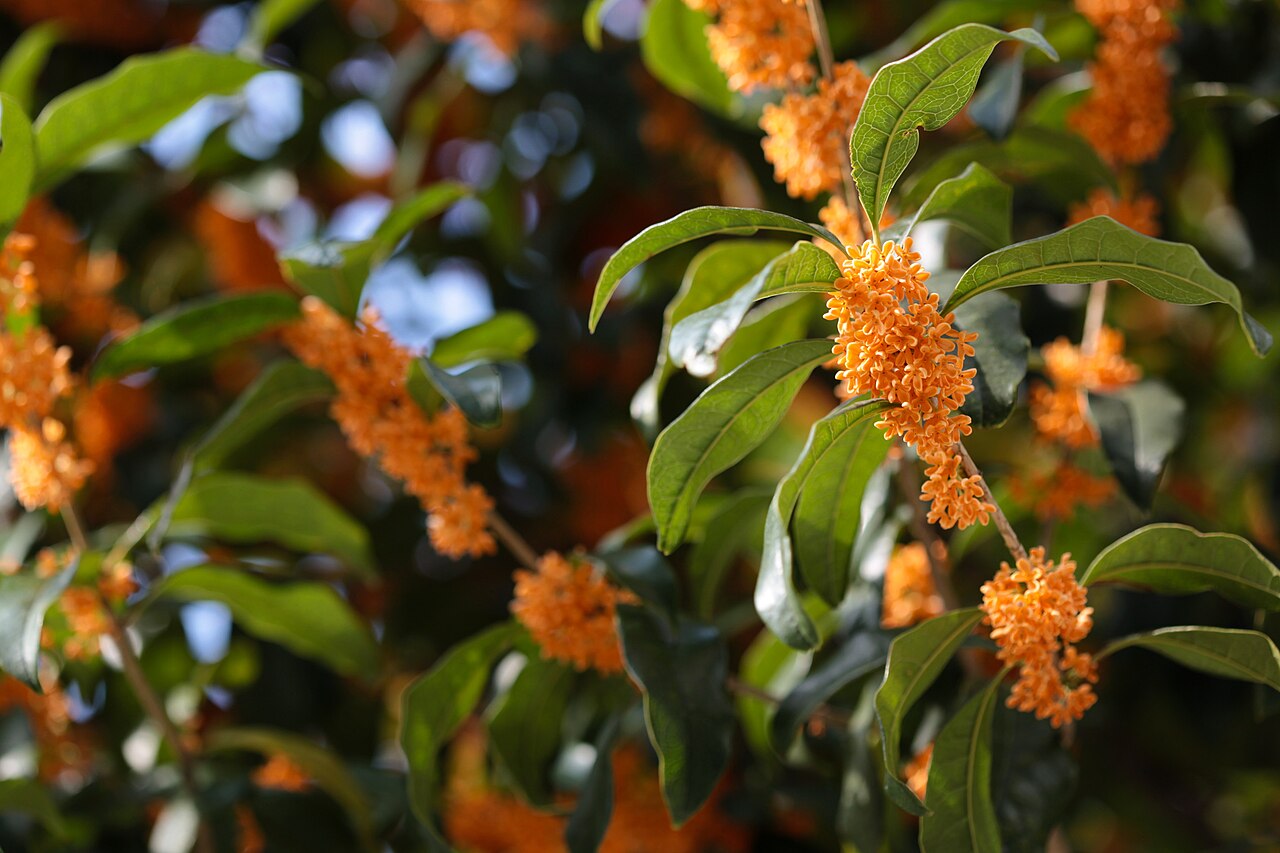
Fragrant tea olive, also called sweet olive, is a broadleaf evergreen shrub or small tree with glossy, finely toothed dark green leaves and clusters of tiny cream-white (or orange, in the orange-flowered form) flowers that are almost invisible — and unforgettable, because their apricot-like perfume carries across a garden in fall and again in spring. It grows 10-15 feet tall and wide at maturity, though it is slow-growing and can be kept smaller with pruning. Plant in spring or fall in full sun to part shade — afternoon shade helps in the hottest climates — in moist, well-drained soil. It makes a superb fragrant hedge, screen, or specimen near a door, patio, or window.
Water & feeding
Water regularly for the first season and keep the soil evenly moist; established tea olive tolerates some drought but flowers best with steady moisture. Mulch with compost to hold moisture. Feed in spring with a fertilizer for acid-loving plants or a balanced slow-release fertilizer. Prune after flowering to shape — tea olive flowers on old wood, so heavy late-winter pruning sacrifices bloom.
Common problems
- Scale insects — the most common pest; treat with horticultural oil and encourage natural predators.
- Leaf spot, anthracnose, and root rot — usually follow wet, crowded conditions; improve drainage and air flow.
- Cold damage — below about 15°F, foliage may blacken; plant in a sheltered spot at the northern edge and prune dead wood in spring.
- Sparse bloom — usually too much shade or a hard prune at the wrong time.
Harvest
There is no food harvest, though the flowers are used to scent tea in China — leave that craft to specialists, since the garden plant is grown for fragrance, not flavoring. The harvest is perfume: plant it where you walk past, and take cut flowering branches indoors in fall.
Browse all plant & pest guides
Saving seeds
Tea olive seed is a patience test with double dormancy: it wants a warm spell and then a cold spell before it will sprout. Sow fresh seed in summer in a pot of moist mix and leave it outside — the warm months satisfy the first dormancy, winter satisfies the second, and sprouts usually come in the second spring. Or mimic it indoors: a few months warm and moist, then a few months in the fridge, then sow warm. Either way, do not throw the pot out after a year of nothing.
Let the blue-black fruit ripen fully in fall, clean the pulp off the seed, and sow right away — tea olive seed does not store well, and dried seed may never germinate. Sow more than you need, since germination is uneven and slow.
Cuttings are the faithful route for named forms — semi-hardwood cuttings taken in summer root readily, and every cutting is a clone of the parent. Seed is for the species itself and for the patient gardener. A seedling will be a tea olive, but it will not be a named cultivar, and it may take years to flower — the fragrance is worth the wait, but the wait is real.
In Florida, tea olive is a warm-climate shrub for zones 7 to 10, happiest in sun or part shade with moist, well-drained soil. It is one of the most fragrant plants in the garden, and a seedling grown from your own tree is a shrub with a story.
Varieties
Every named variety of Tea Olive with its own growing guide:
- Aurantiacus Tea Olive — The orange tea olive: bright orange flowers in a heavy fall flush, on the most cold-hardy form of the species.
- Conger Yellow Tea Olive — The butter-yellow tea olive: soft yellow flowers, sweet perfume, and a colour between white and orange.
- Fudingzhu Tea Olive — The tea olive that blooms like it means it: masses of creamy-white flowers, exceptionally fragrant, over many months.