
🍃 Aurea Summer Savory
What it looks like
Why this variety
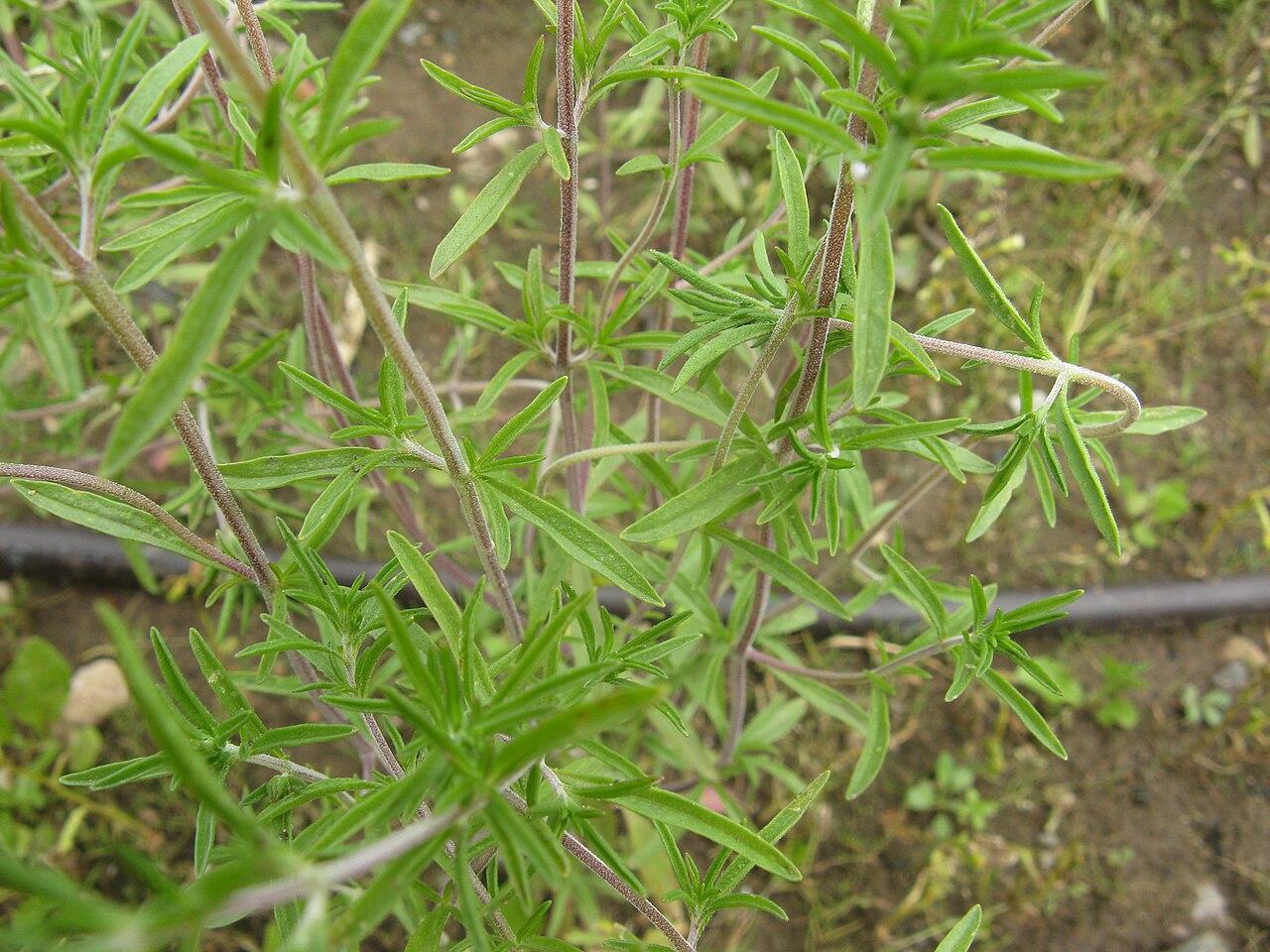
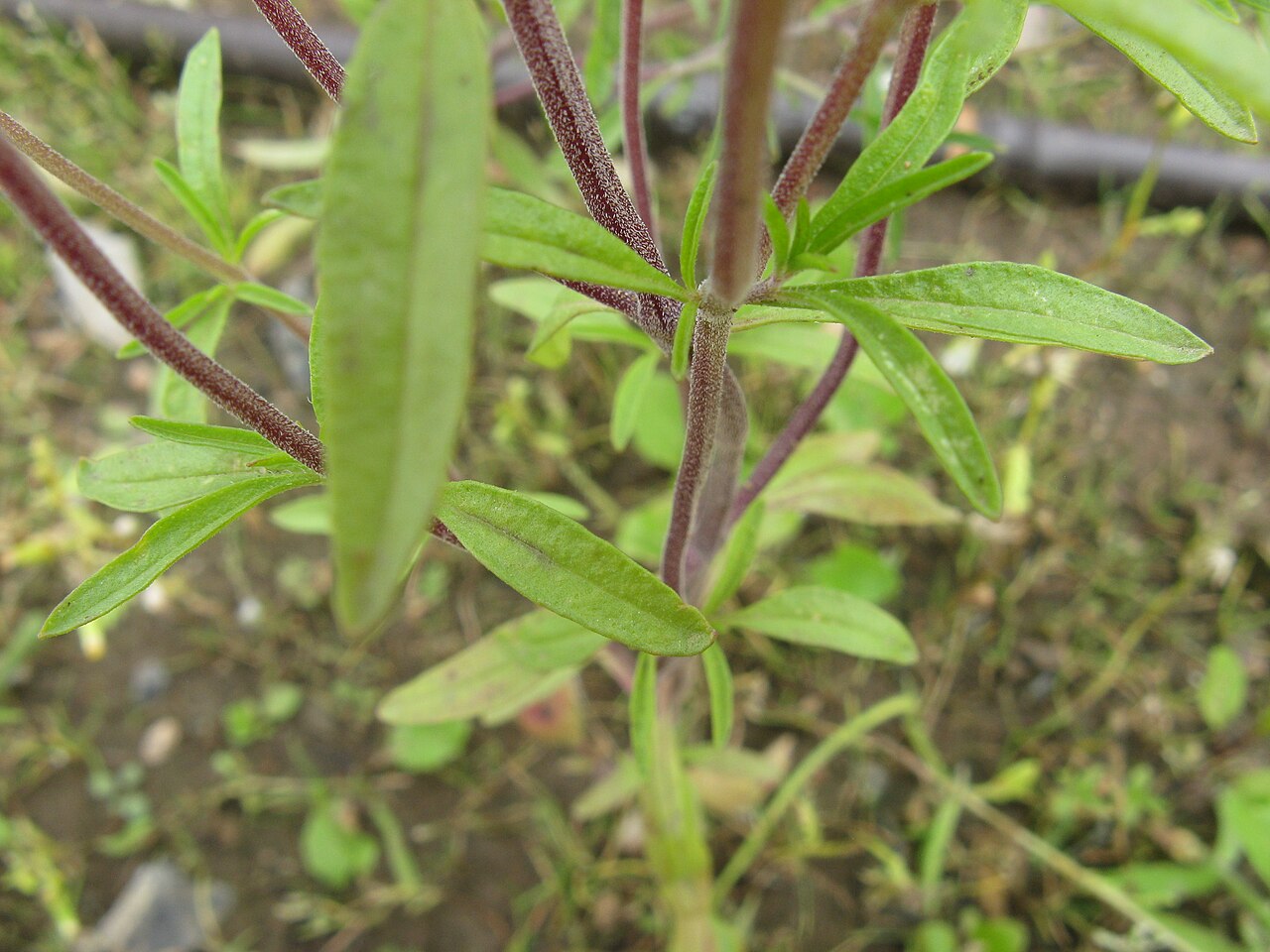
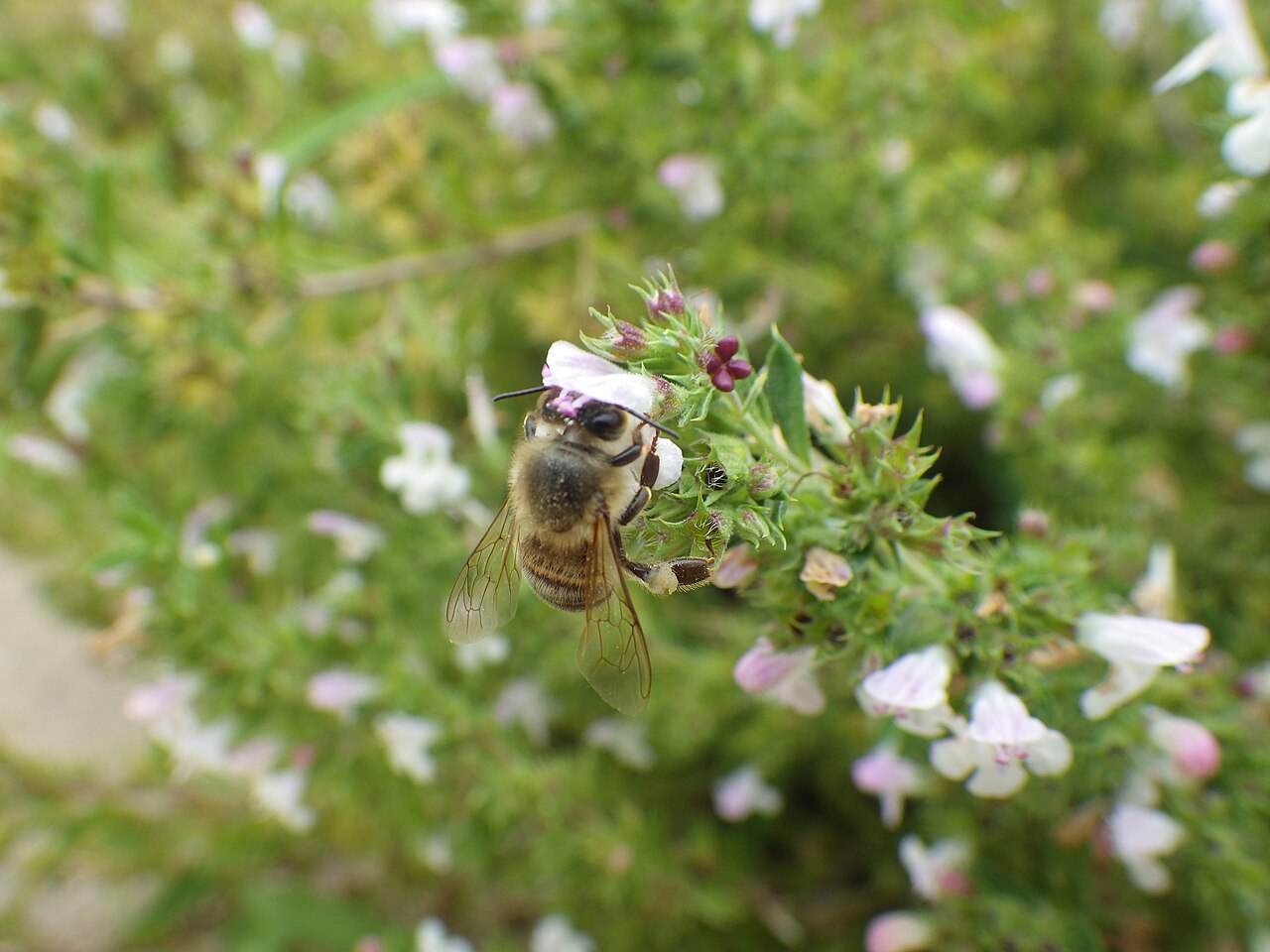
Aurea is the golden-leaved form of summer savory, the annual bean herb, with the same peppery, thyme-like flavor in a plant that glows yellow-green in the herb border. Its flavor is a touch softer than green summer savory, which suits cooks who want savory’s warmth without its full punch, and its color makes it easy to spot in a crowded bed, which is a real virtue in a small herb garden.
Use it exactly as you would green summer savory: the classic partner for green beans, favas, and lentils, and a fine seasoning for soups, eggs, and grilled vegetables. Golden foliage needs a little sun protection in brutal heat to avoid scorch, but otherwise Aurea grows like the species: fast, undemanding, and generous with cuttings all summer.
If you are new to choosing between cultivars, the Varieties Matter guide explains why the name after the plant matters as much as the plant itself. Aurea is a perfect example: it is not just a summer savory in the abstract, it is a summer savory with a specific job, a specific history, and specific strengths.
Florida framing, stated plainly: summer savory is a warm-season annual in Florida, best sown in spring for a summer harvest and in fall for a cool-season run, because it fades in the deepest heat. Give Aurea afternoon shade in summer and steady water, and it will season beans all season.
How to grow
Sow seed directly after frost danger, or start indoors and transplant after frost, in full sun and well-drained soil. Work worm castings into the bed at sowing, thin seedlings to 6 to 9 inches apart, and water steadily while establishing. Summer savory is a fast annual: it grows, flowers, and seeds in one season, so succession-sow every few weeks for a continuous supply, and let a few plants seed for volunteers next year.
Set plants 6-9 inches apart in soil with a pH around 6.0-7.0. Work worm castings into the bed at planting and mulch to hold moisture. A well-fed summer savory plant rewards that care directly: steadier growth, better bloom or fruit, and a show that actually shows up.
Water & feeding
Water to establish, then water moderately; summer savory wants steady moisture while growing, but sharp drainage always, because wet soil rots it. Water at the soil line, do not mulch heavily, and feed lightly: castings at sowing is usually enough, because rich soil makes leggy savory with less flavor. Harvest by cutting stems just before flowering for the best flavor.
Common problems
- FADING in deep heat — summer savory is an annual that fades in the hottest weather; succession-sow and give afternoon shade in summer.
- LEGGY GROWTH in shade or rich soil — lean soil and full sun make sturdier savory; do not overfeed.
- DAMPING OFF in wet seed beds — sow in well-drained soil, do not overwater seedlings, and thin for air.
- CROSSOVER CONFUSION — summer savory is not winter savory; winter savory is perennial and sharper, almost pine-like, while summer savory is the milder annual bean herb.
- SELF-SEEDING — volunteers appear freely; deadhead if you do not want them, or edit seedlings in spring.
Harvest
Harvest by cutting stems just before flowering, when flavor is strongest, and dry cuttings promptly in a warm, airy place, or use leaves fresh through the season. Summer savory is the bean herb: strip leaves into green beans, favas, lentils, soups, and eggs, and dry extra for winter, because dried savory keeps its peppery warmth well. Let a few plants flower and seed for volunteers next year, and succession-sow for a continuous supply.
Browse all plant & pest guides
Saving seeds
Aurea is a golden-leaf form, so seed saved from it won’t come true — buy plants instead. The Saving seeds section of the Summer Savory guide covers seed for the straight species.