
🌿 Summer Savory
What it looks like
How to grow
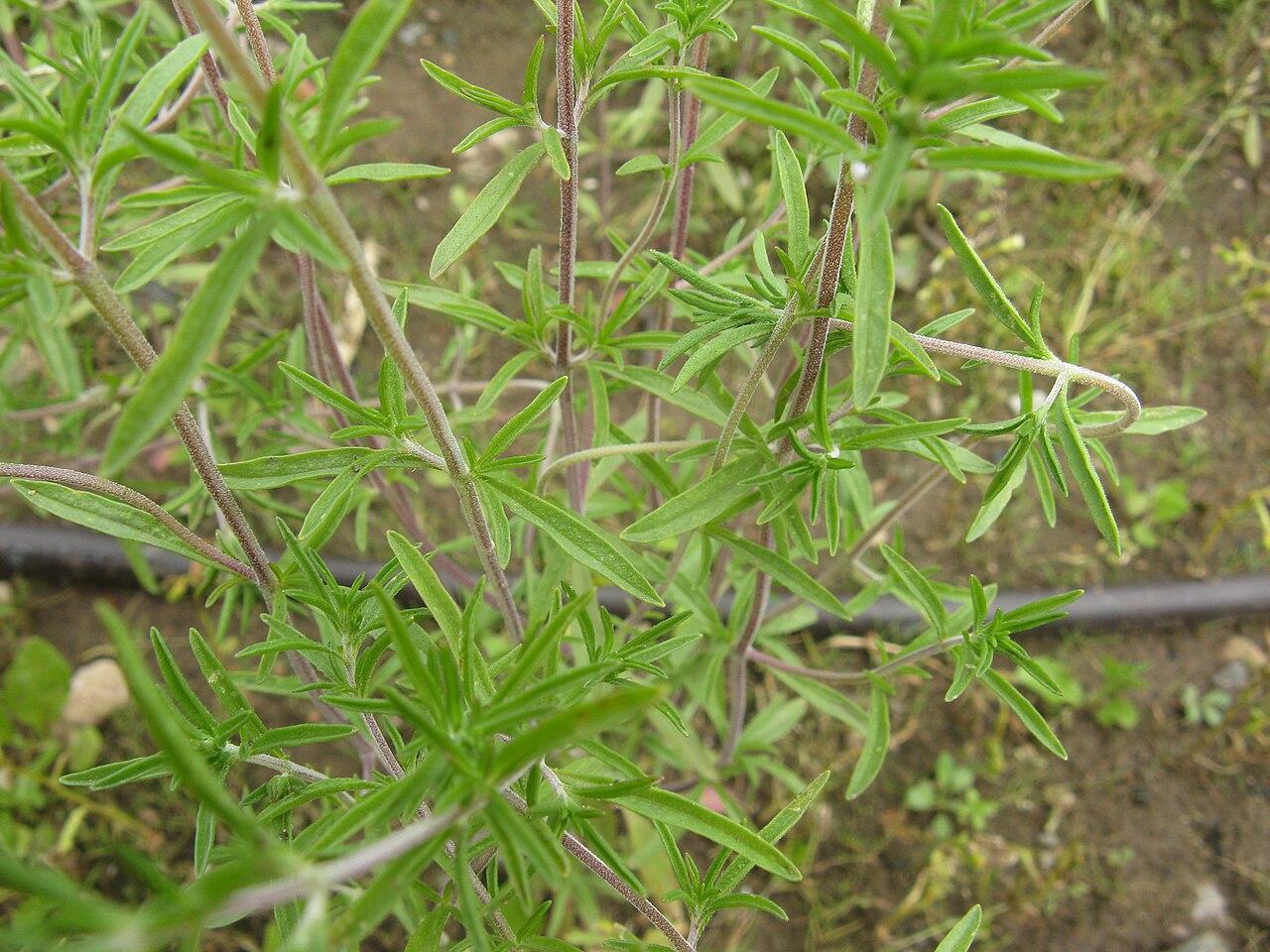
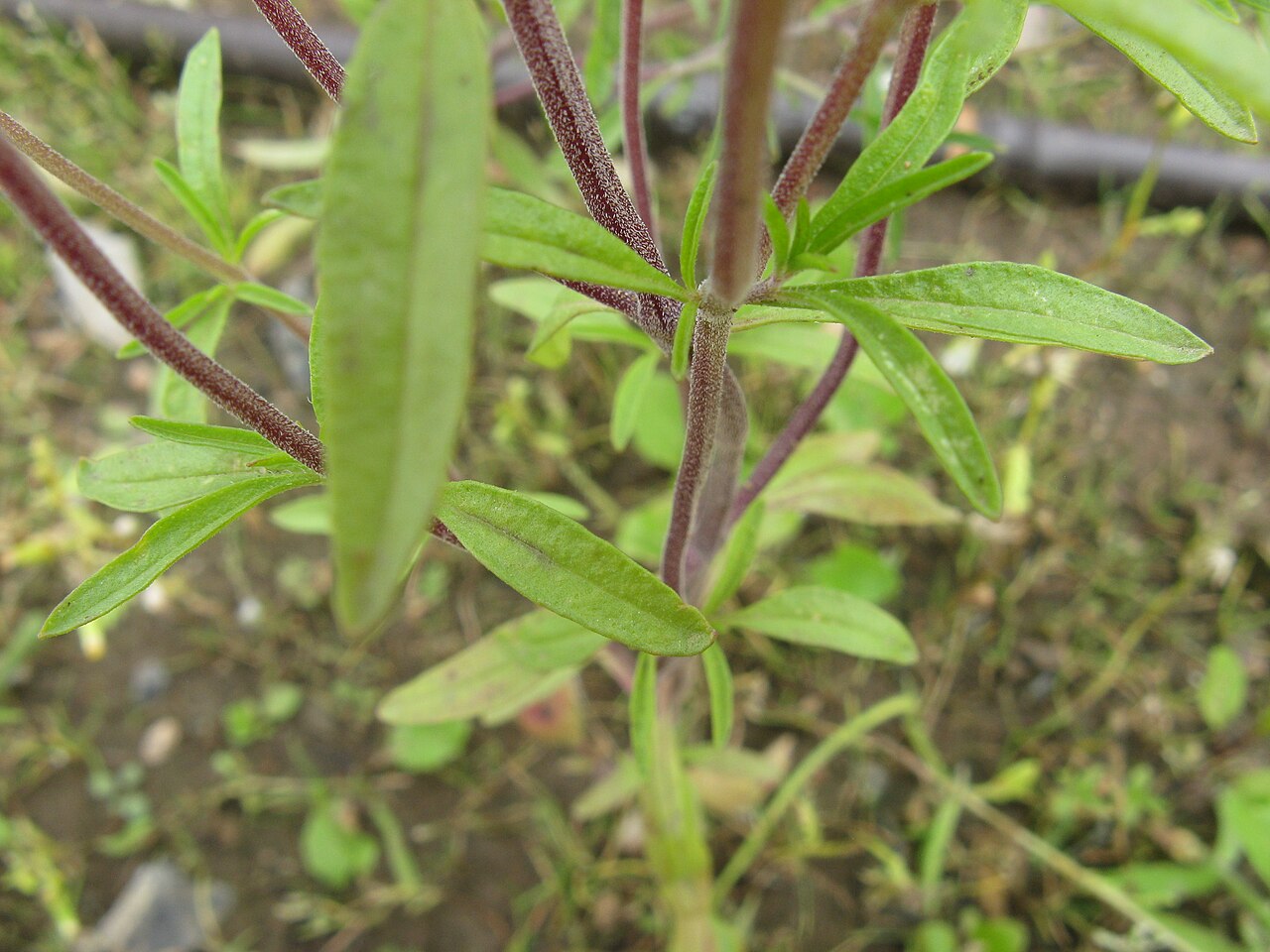
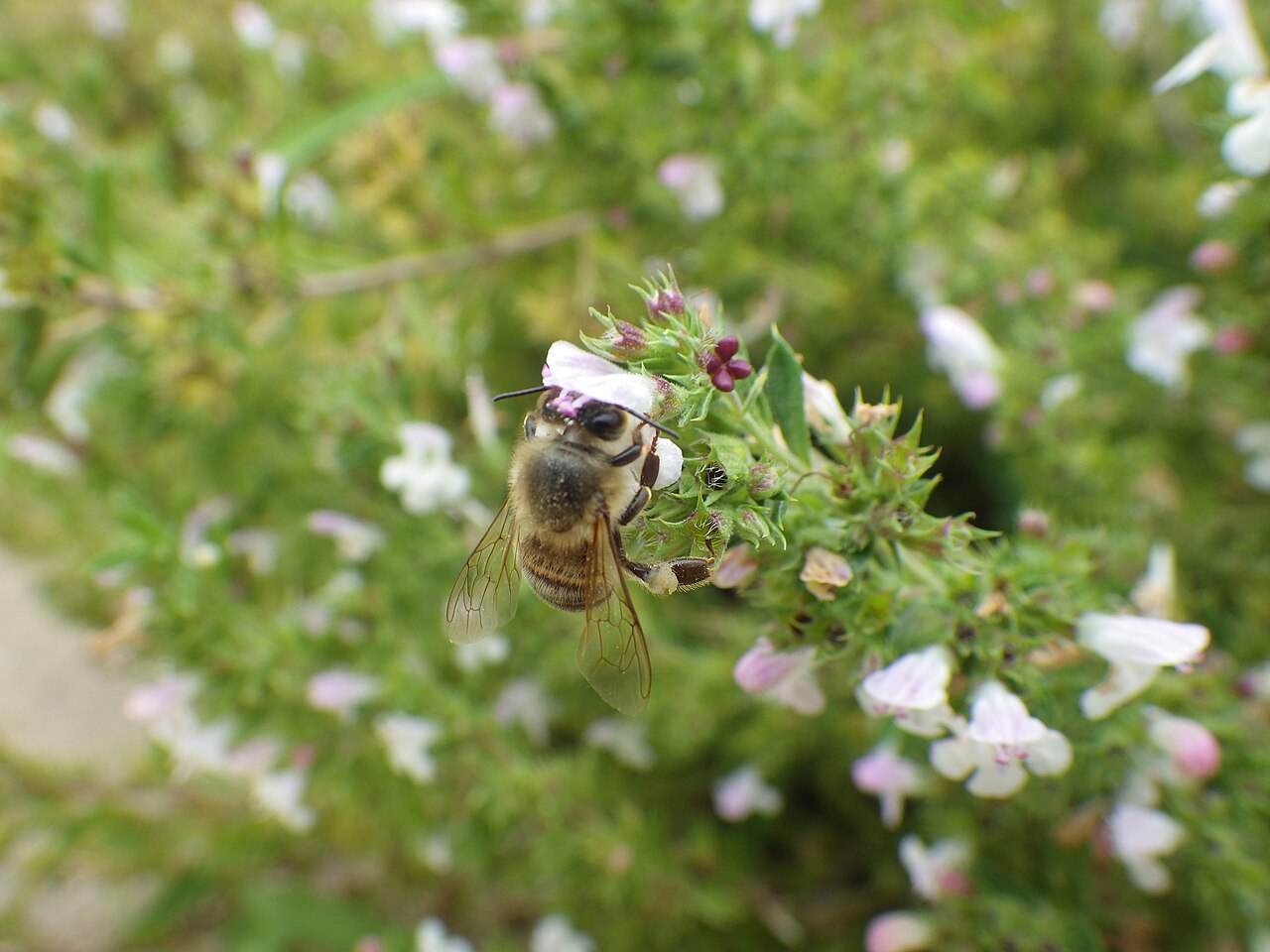
Summer savory is an annual herb with small, peppery, thyme-like leaves, traditionally paired with beans — green beans, fava beans, lentils — as well as eggs, poultry, and stuffings. It is milder and sweeter than its perennial cousin winter savory, and it is the savory most cooks reach for. Direct-sow after frost danger or start indoors 4-6 weeks before last frost; seed is tiny, so sow on the surface or barely cover it, and keep the seedbed moist until germination, which can take 2-3 weeks. Plants reach about 18 inches, with narrow leaves and small pink-white flowers that bees love. Summer savory prefers full sun and well-drained soil, tolerates poor soil, and dislikes wet feet. Succession-sow every few weeks for a steady supply, since plants decline after flowering. Pinch tips to encourage bushy growth, and harvest before flowering for the best flavor. In Florida and warm climates, grow summer savory in fall through spring; summer heat shortens its season, though afternoon shade extends it.
Water & feeding
Keep soil evenly moist, about an inch a week; drought makes leaves tough and speeds flowering. Summer savory is a light feeder — worm castings at planting is plenty. Avoid heavy fertilizer, which dilutes its peppery oils.
Common problems
- Slow germination — sow thickly, keep seedbeds moist, and be patient; seedlings appear in 2-3 weeks.
- Bolting in heat — succession-sow and provide afternoon shade in warm zones.
- Root rot in wet soil — use well-drained soil and avoid overwatering.
- Aphids on young growth — blast with water; plants usually outgrow them.
Harvest
Snip sprigs as needed once plants are a few inches tall, taking no more than a third at once. Harvest before flowering for the most tender, peppery leaves. Summer savory dries well — cut whole stems, hang in a dark, airy spot, and strip leaves when crisp. Dried summer savory is excellent in bean dishes all winter, which is the point of growing a bean herb in the first place.
Browse all plant & pest guides
Saving seeds
Summer savory is easy seed. Let a few plants flower and set seed — the tiny flower spikes turn brown and dry in late summer — then strip the seed into a paper bag. No cold treatment is needed; sow on the surface of moist mix, because the seed needs light, and keep it warm — germination usually comes in one to two weeks.
It self-seeds lightly, so deadhead if you do not want volunteers, or let a few plants go and see what comes up. Save from the plants with the best flavor — the most aromatic, the bushiest — and dry the seed thoroughly before storing; it keeps a few years in a cool, dry jar.
Summer savory crosses with winter savory and with other Satureja, so if you want pure seed, grow only one savory type for seed at a time, or accept the mix. Sow more than you need, since the seed is fine and germination is uneven, and thin to the strongest seedlings.
In Florida, summer savory is a warm-season annual herb, happiest in full sun and well-drained soil. Sow in succession from spring through summer for a steady supply, and let the last planting go to seed in fall to stock next year’s bed — a pinch of your own seed is next summer’s beans, seasoned.
Varieties
Every named variety of Summer Savory with its own growing guide:
- Aurea Summer Savory — The golden bean herb: the same peppery summer savory, dressed in golden-yellow foliage for the herb border.
- Saturn Summer Savory — The bred savory: a selected field variety of summer savory, bred for vigorous growth and high essential-oil content.
- Compact Summer Savory — The container savory: a dwarf, bushy summer savory that fits pots, edges, and small beds without flopping.
- Satyr Summer Savory — The vigorous savory: a selected summer savory bred for strong growth and a bolder, more aromatic leaf.