
🌿 Satyr Summer Savory
What it looks like
Why this variety
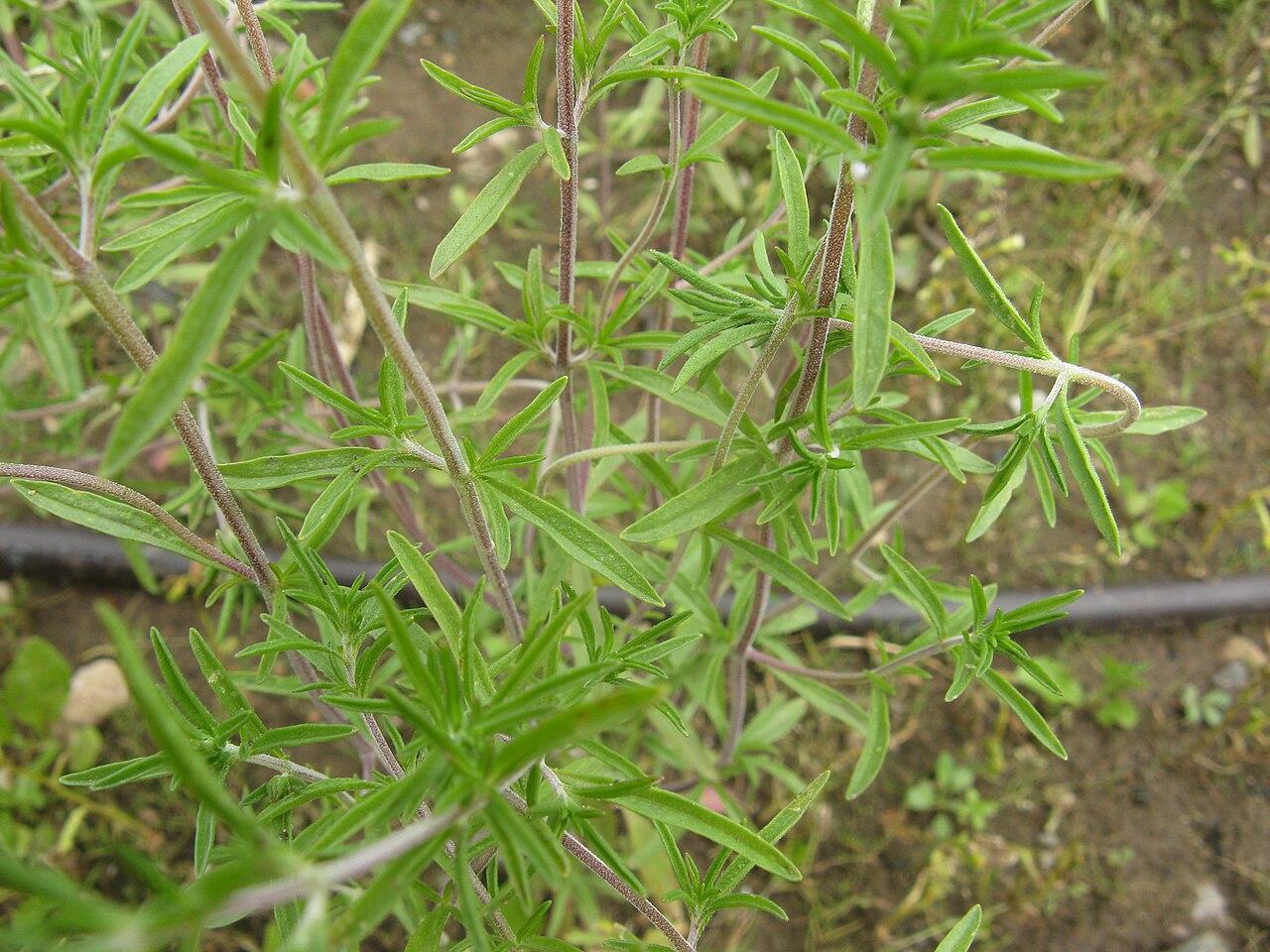
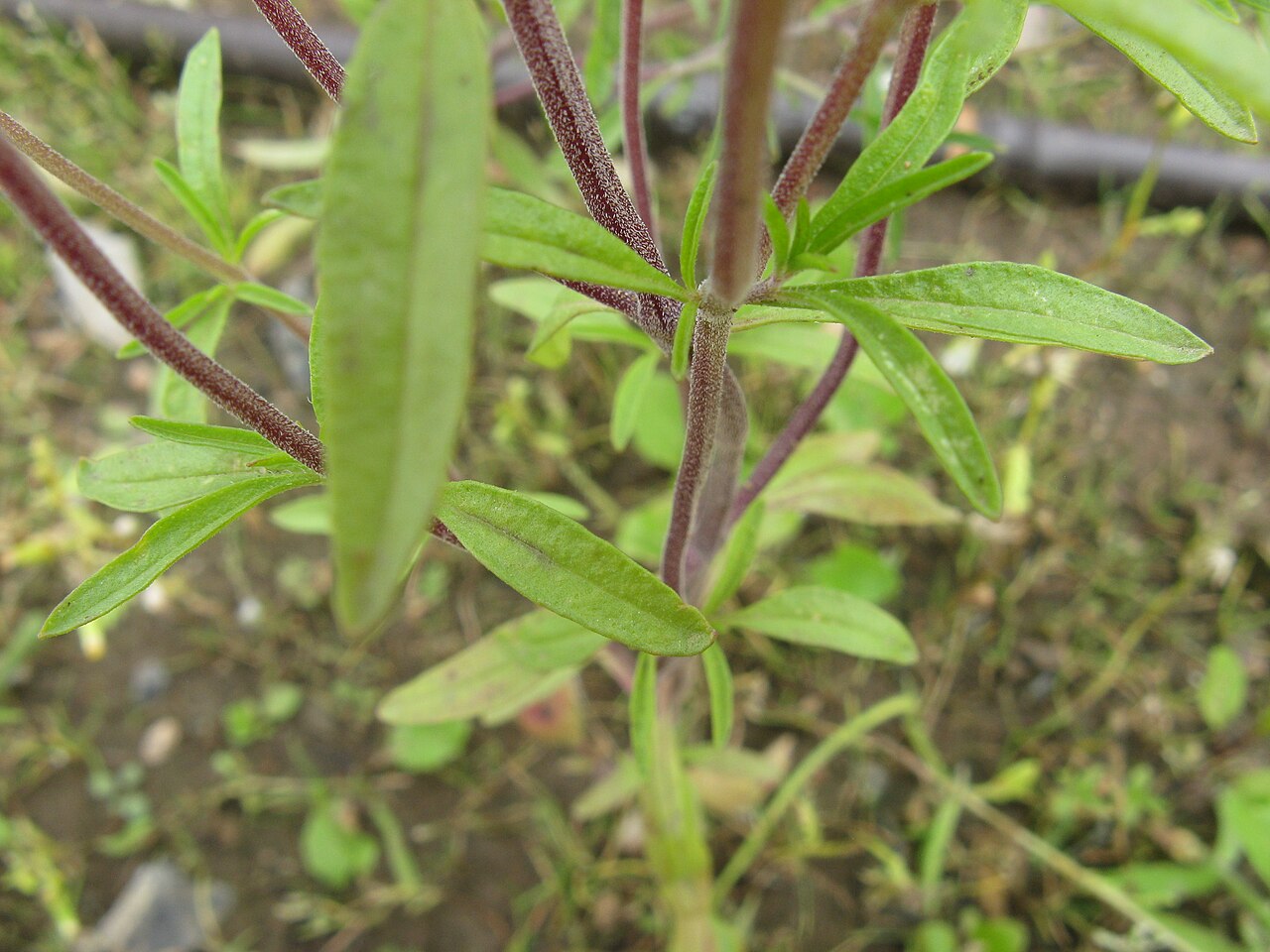
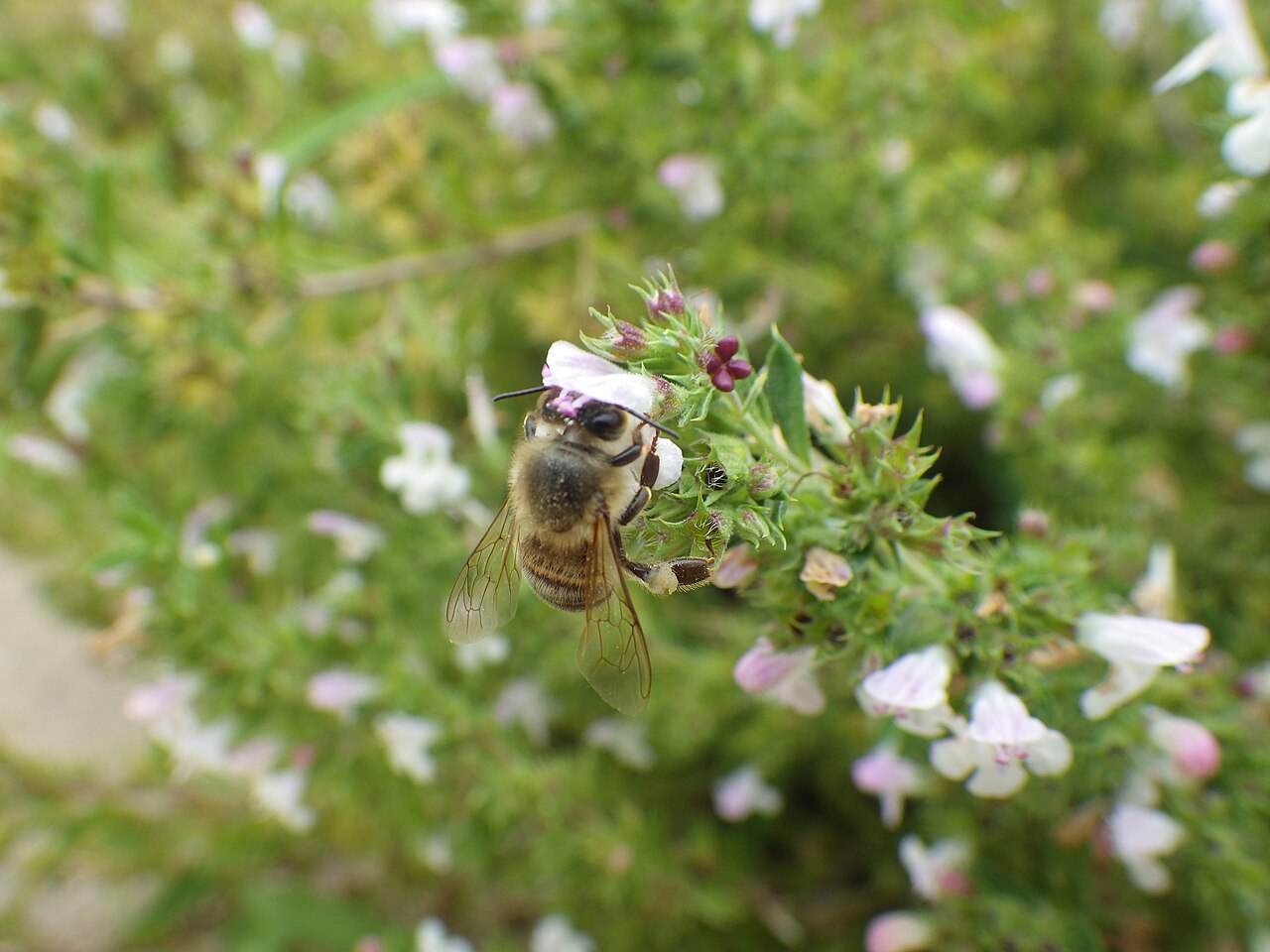
Satyr is summer savory turned up a notch. It was selected for vigorous growth and a strong savory aroma — a plant that grows fast, branches well, and smells like summer savory from a few feet away, not just when you crush a leaf. For cooks who use savory by the handful, in sausages, bean dishes, and herb blends, that vigor translates directly into more harvest per plant and fewer plants needed per meal.
Vigor matters more than it sounds with an annual herb. A slow annual gives you a few sprigs and then the season is over; a vigorous one gives you armfuls, survives a hard cutting, and comes back for more. Satyr’s selection for growth means it recovers from harvest faster, which is the trait that separates a herb you cook with once from a herb you cook with all summer.
In Florida, vigor is also insurance. A fast-growing annual outruns pests, outgrows a mildew outbreak, and fills a bed before weeds do — all useful talents in a long, humid season. Satyr is the summer savory to grow when you want a lot of it, fast, and you are not precious about a tidy little plant.
For the general picture, start with the Summer Savory growing guide — this guide covers what makes Satyr Summer Savory different.
How to grow
Sow seed indoors 6 to 8 weeks before the last frost, or direct-sow after frost danger passes, barely covering the fine seed, which needs light to germinate. Thin seedlings to 9 to 12 inches apart — Satyr grows bigger than compact forms and needs the room, or it crowds itself into mildew.
Pinch tips early to encourage branching, but do not be shy about cutting hard once the plant is established; Satyr’s vigor means it rebounds from a hard cut in days, not weeks. Succession-sow every few weeks for a steady supply, and give full sun — shade grows a tall, weak plant with less aroma, which defeats the purpose of growing a vigorous selection.
Florida note: Satyr’s speed makes it a good candidate for spring and fall sowings, avoiding the worst summer heat for the main crop. In a pot, use a larger container than you think you need, because a vigorous plant in a small pot dries out daily in a Florida summer.
Water & feeding
Water about an inch a week and mulch to hold it — summer savory is drought-tolerant once going, but steady moisture grows the tender, flavorful leaves you actually cook with, while drought grows woody, stingy ones. Feed lightly with compost or worm castings at planting; this is a Mediterranean herb that sulks in rich, wet soil. In sandy soil, water a little more often and a little less each time, because sand does not hold a deep drink for long.
Common problems
- Powdery mildew in humid weather — airflow, sun, and watering at the base keep it at bay; strip badly affected leaves rather than spraying the whole plant.
- Leggy, floppy plants in shade or rich soil — give full sun and lean soil, and pinch tips early to force branching.
- Bolting and going bitter — harvest before full bloom for the best flavor, and succession-sow every few weeks for a steady supply.
- Aphids on new growth — blast with water; savory’s own strong scent does most of the pest-repelling work itself.
Harvest
Cut sprigs just before bloom, when the oils are strongest, and cut generously — Satyr was bred to be cut hard and come back, so harvest like you mean it. Morning harvest, when leaves are crisp and aromatic, gives the best flavor and the fastest regrowth.
Dry sprigs in small bunches or freeze chopped leaves; Satyr’s strong aroma survives drying better than milder selections, which makes it a good choice for the winter pantry. A jar of dried Satyr leaf in January tastes like a reminder that summer is a season, not a memory.
Cut sprigs just before the plant blooms, when the oils are strongest, and cut often — a savory plant harvested regularly stays bushy and productive, while one left alone turns woody and stops giving. Dry sprigs in small bunches in a dry, airy place, or freeze chopped leaves; dried summer savory keeps its peppery warmth for months and is the classic seasoning for beans, which is how it earned the name bean herb.
Browse all plant & pest guides
Saving seeds
Satyr is summer savory turned up a notch. It was selected for vigorous growth and a strong savory aroma — a plant that grows fast, branches well, and smells like summer savory from a few feet away, not just when you crush a leaf. For cooks who use savory by the handful, in sausages, bean dishes, and herb blends, that vigor translates directly into more harvest per plant and fewer plants needed per meal. As an open-pollinated summer savory it comes true from seed: sow seed indoors 6 to 8 weeks before the last frost, or direct-sow after frost danger passes, barely covering the fine seed, which needs light to germinate. Thin seedlings to 9 to 12 inches apart — Satyr grows bigger than compact forms and needs the room, or it crowds itself into mildew. Pinch tips early to encourage branching, and succession-sow every few weeks for a steady supply. The full method is in the Saving seeds section of the Summer Savory guide.