
🌿 Aurea Winter Savory
What it looks like

Why this variety
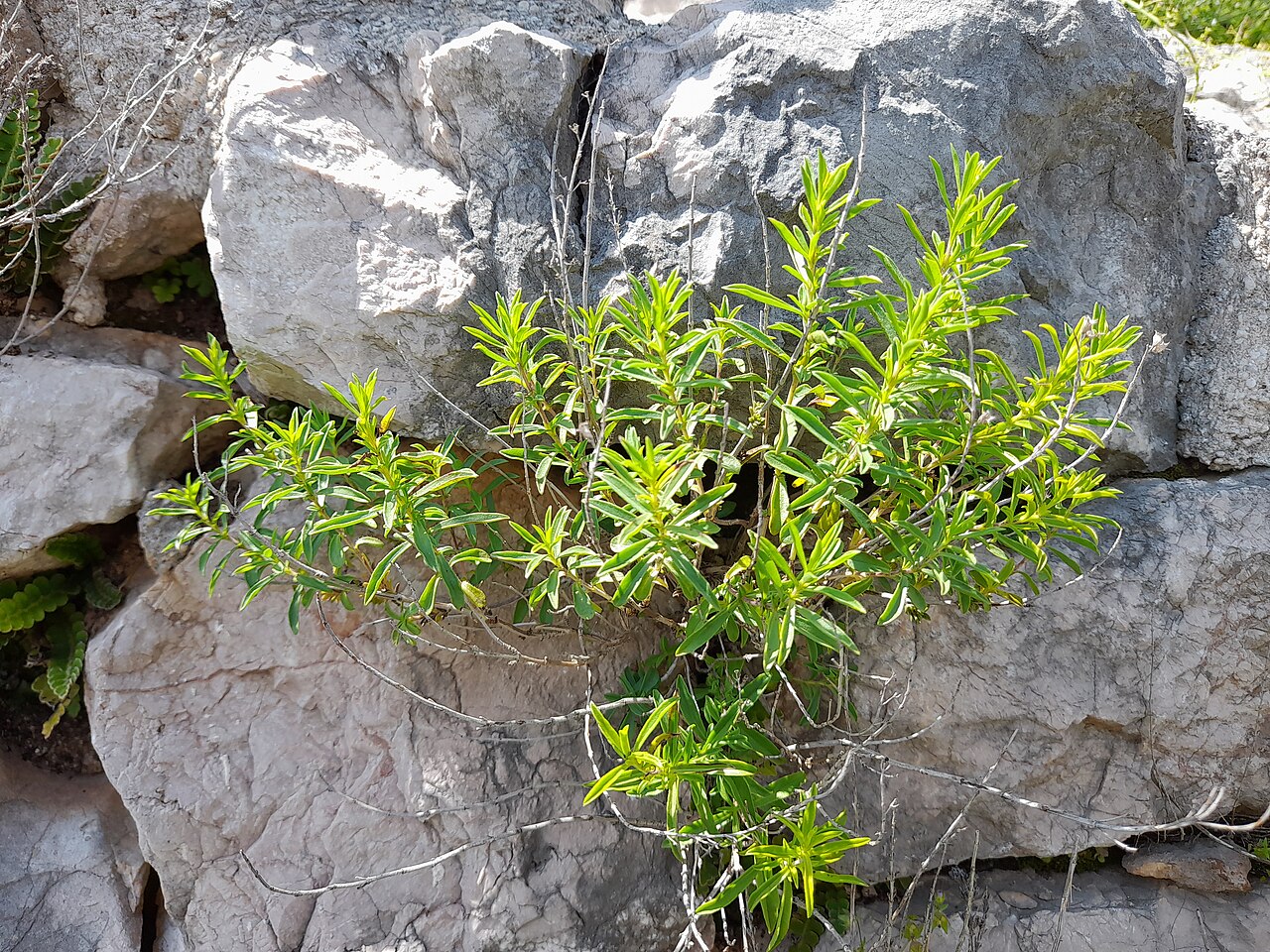
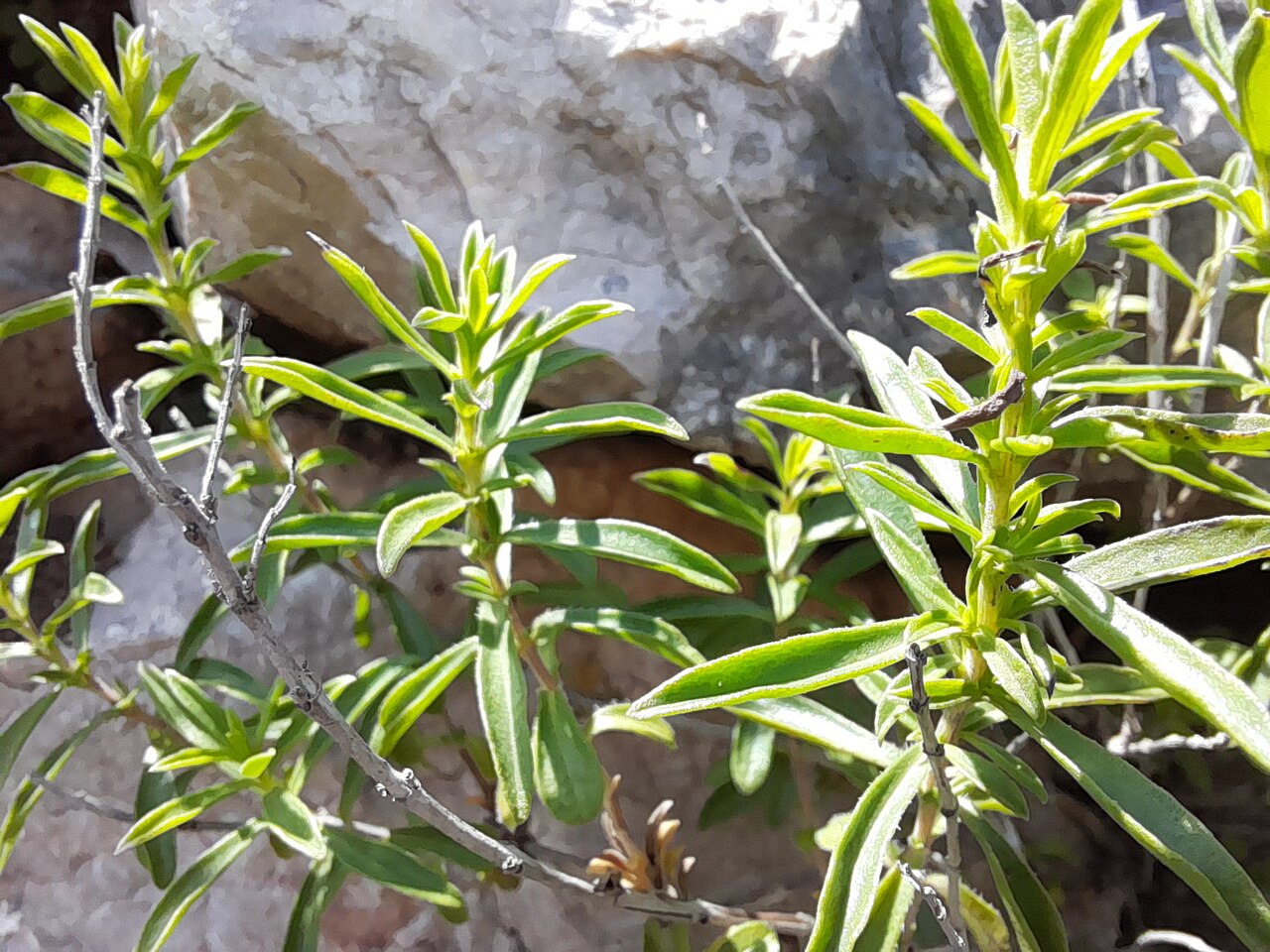
Aurea is winter savory with the lights on. The species is a dark-green, tough, peppery perennial that looks like it means business; Aurea keeps all of that — the same strong flavor, the same evergreen habit, the same bean-seasoning talent — and adds golden-yellow foliage that glows in the herb border. It is an ornamental herb that still cooks, which is the rarest kind of plant: pretty enough for the front of the border, useful enough for the pot.
The golden color comes with one honest caveat, which every golden-leafed plant shares: too much harsh sun scorches it. Aurea wants full sun for flavor, but in the fiercest summer heat, a little afternoon shade keeps the gold glowing instead of bleaching to white. That trade — sun for flavor, shade for color — is the whole art of growing golden herbs, and it is worth learning.
In Florida, Aurea’s perennial habit is the point. While annual savory is a seed packet in winter, Aurea is a living plant, giving fresh sprigs in months when fresh herbs are scarce. A golden evergreen in a winter herb garden is both a seasoning and a small act of optimism.
For the general picture, start with the Winter Savory growing guide — this guide covers what makes Aurea Winter Savory different.
How to grow
Plant in spring in full sun to light afternoon shade, in sharply drained soil — winter savory rots in wet soil faster than it freezes in cold, so drainage matters more than any other single factor. Space plants 12 to 18 inches apart, mulch with gravel rather than wood chips, and keep mulch off the crown.
Cut plants back by a third in spring to keep them bushy and prevent woodiness, and take cuttings from two- to three-year-old plants as replacements, because winter savory is not a long-lived perennial and old plants get leggy no matter what you do. Feed lightly, if at all, in spring with compost.
Florida note: give Aurea afternoon shade in the hottest parts of the state, where full blazing sun scorches golden leaves, and grow it in a raised bed or pot if your soil holds summer water. In north and central Florida it performs as a perennial; in the warmest zones, treat it as a cool-season perennial and enjoy it while it lasts.
Water & feeding
Water modestly and give it the sharpest drainage you can — winter savory is a Mediterranean sub-shrub that would rather be dry than fed, and wet winter soil kills it more reliably than cold does. Water new plants until established, then back off; mature plants need water mainly in drought. Feed lightly, if at all, with compost in spring, and mulch with gravel rather than wood chips, which hold moisture against the crown. In humid summers, airflow and sun matter more than fertilizer.
Common problems
- Root and crown rot in wet soil — the main killer. Raised beds, gritty soil, and gravel mulch are the fixes.
- Leggy, woody plants after a few years — winter savory is not a long-lived perennial. Take cuttings from two- to three-year-old plants as replacements and cut plants back by a third in spring to keep them bushy.
- Aphids and mildew in humid weather — usually minor; improve airflow and strip affected growth.
- Winter damage in cold, wet winters — plants survive cold far better than cold-plus-wet. A sheltered, sunny spot beats a wrapped plant.
Harvest
Snip sprigs all year once established, using a little less than you would of summer savory — winter savory is stronger and sharper, and Aurea is no exception. Harvest in the morning, when the oils are strongest, and cut lightly in the first year while the plant establishes.
Dry surplus sprigs in summer, when growth is vigorous, for winter stews and bean dishes. Dried winter savory keeps its peppery punch for months, and a jar of golden-leafed sprigs in the pantry is a reminder that the prettiest plant in the border was also the most useful.
Snip sprigs all year — that is the whole point of a perennial savory, fresh leaves in months when the annual kind is only a seed packet. Winter savory is stronger and sharper than summer savory, so use a little less until you know your plant. Dry surplus sprigs in summer, when growth is vigorous, and keep a jar for winter stews, when fresh herbs are scarce and a pinch of savory tastes like foresight.
Browse all plant & pest guides
Saving seeds
Aurea is a golden-leaf form, so seed saved from it won’t come true — take cuttings instead. The Saving seeds section of the Winter Savory guide covers seed for the straight species.