
🌿 Winter Savory
What it looks like

How to grow
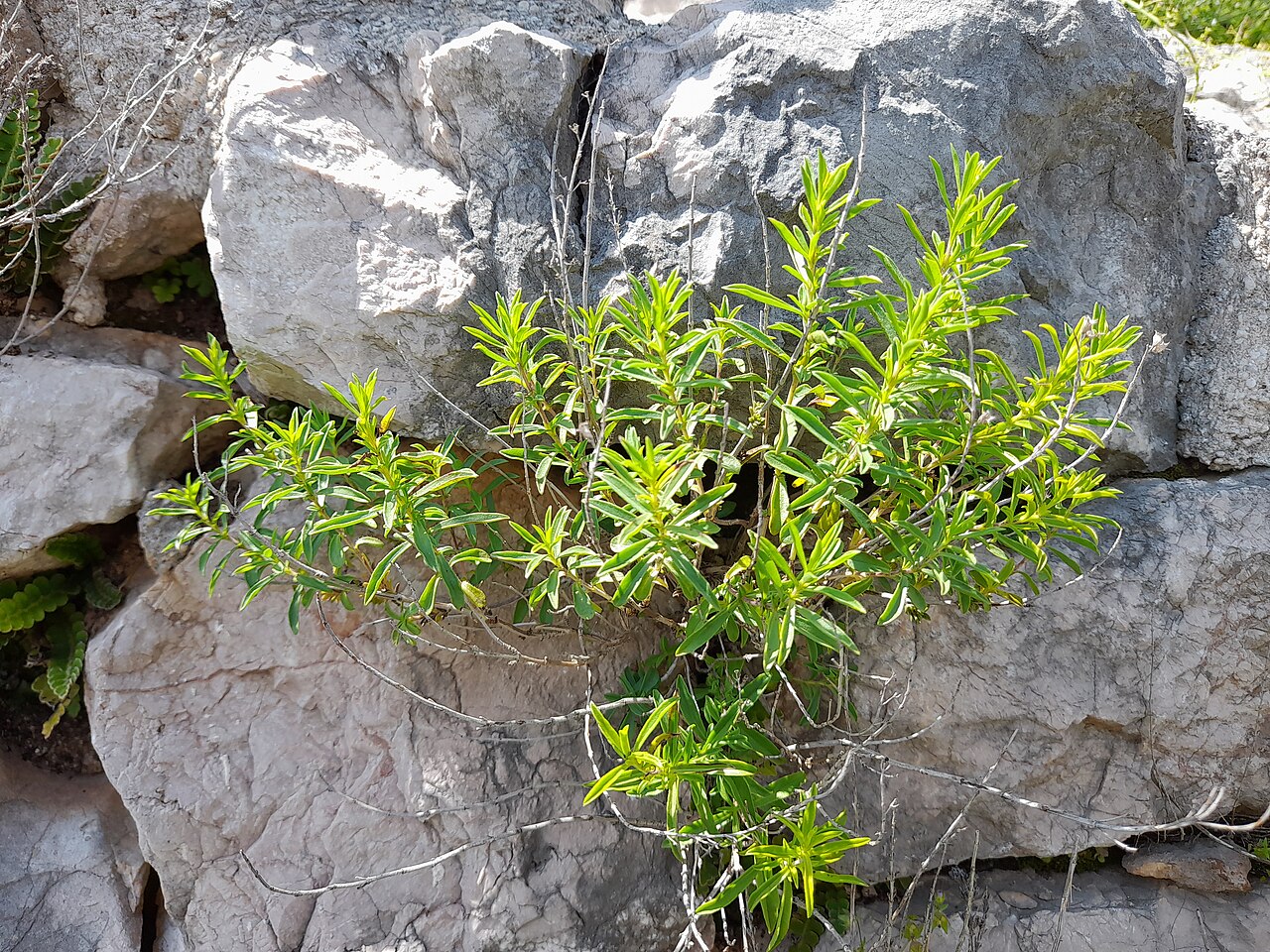
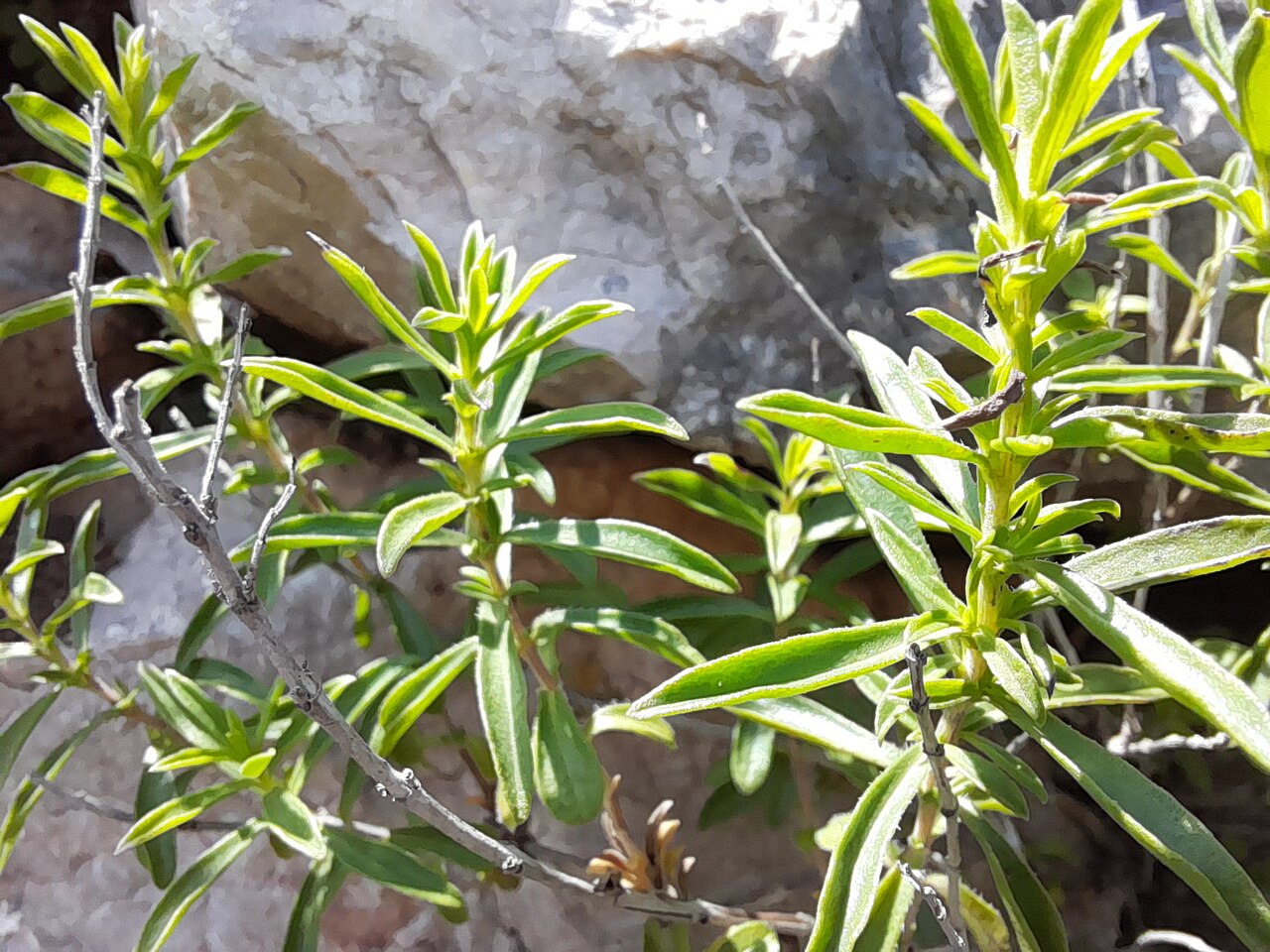
Winter savory is a woody, semi-evergreen perennial with a sharper, more pungent, pine-like flavor than summer savory — stronger, earthier, and better suited to long cooking in stews, stuffings, and bean dishes that simmer for hours. It forms a low, spreading shrub about a foot tall, with dark green leaves and white flowers that attract pollinators. Winter savory wants full sun and sharp drainage, tolerates poor, rocky soil, and dislikes wet winters more than cold ones — in heavy or wet soil, grow it in a raised bed or pot. Start from transplants, cuttings, or seed (seed is slow); transplants are the reliable route. Shear plants back by a third after flowering to keep them compact and prevent woodiness, and divide every few years to renew them. It is hardier and longer-lived than summer savory, and in mild climates it stays green through winter, giving you a fresh herb when most of the garden is dormant. In hot, humid climates, give it maximum airflow and raised beds to keep its roots dry.
Water & feeding
Water to establish, then let soil dry between waterings — winter savory is drought-tolerant and rots in wet soil. A light spring top-dress of worm castings is plenty. Avoid rich, heavily fertilized soil, which makes soft growth with diluted flavor.
Common problems
- Root rot in wet soil — the main killer; use sharp drainage and raised beds or pots in heavy soil.
- Woody, sparse centers — shear after flowering and divide every few years.
- Winter loss in wet, cold soil — plant in the best-drained spot and mulch with gravel, not wood chips.
- Powdery mildew in humid weather — space for airflow and water at soil level.
Harvest
Snip sprigs as needed once plants are established, taking no more than a third at once. Winter savory's flavor is strong, so use it more sparingly than summer savory, especially in fresh dishes. It dries well — cut stems before flowering, hang in a dark, airy spot, and strip leaves when crisp. Dried winter savory is a winter pantry staple for beans and stews, which is exactly when you want a perennial herb still producing.
Browse all plant & pest guides
Saving seeds
Winter savory seed is easy. Let a few flower spikes ripen on the plant until they are dry and brown, then strip the seed into a paper bag. Sow on the surface of moist mix and do not bury the seed at all — it needs light to germinate. Keep it warm, and germination usually comes in two to three weeks. No cold treatment is needed.
It self-seeds lightly, so deadhead if you do not want volunteers, or let a few plants go and see what comes up. Save from the plants with the best flavor — the strongest, most peppery leaves — and dry the seed thoroughly before storing; it keeps a few years in a cool, dry jar.
Seedlings will vary, and the named forms come only from cuttings or division. Cuttings root readily in warm, moist mix, and every cutting is a clone of the parent. Division is easy for the clump-forming kinds — lift and split in spring or fall.
In Florida, winter savory is a warm-season herb for spring through fall, happiest in full sun and well-drained soil. It is a tough, drought-tolerant herb that earns its keep in a dry, sunny spot, and a plant grown from your own seed is an herb that knows your garden.
Varieties
Every named variety of Winter Savory with its own growing guide:
- Nana Winter Savory — The dwarf savory: a low, creeping, compact winter savory, the bean herb for edging and pots.
- Purple Mountain Winter Savory — The purple savory: a compact winter savory with bright purple flowers, the bean herb that earns its place in the flower border.
- Aurea Winter Savory — The golden winter savory: the same tough, peppery perennial, dressed in golden-yellow foliage for the herb border.
- Prostrate White Winter Savory — The ground-hugging winter savory: a low, spreading, white-flowered form for edging, pots, and rock-garden gaps.