
🌿 Purple Mountain Winter Savory
What it looks like

Why this variety
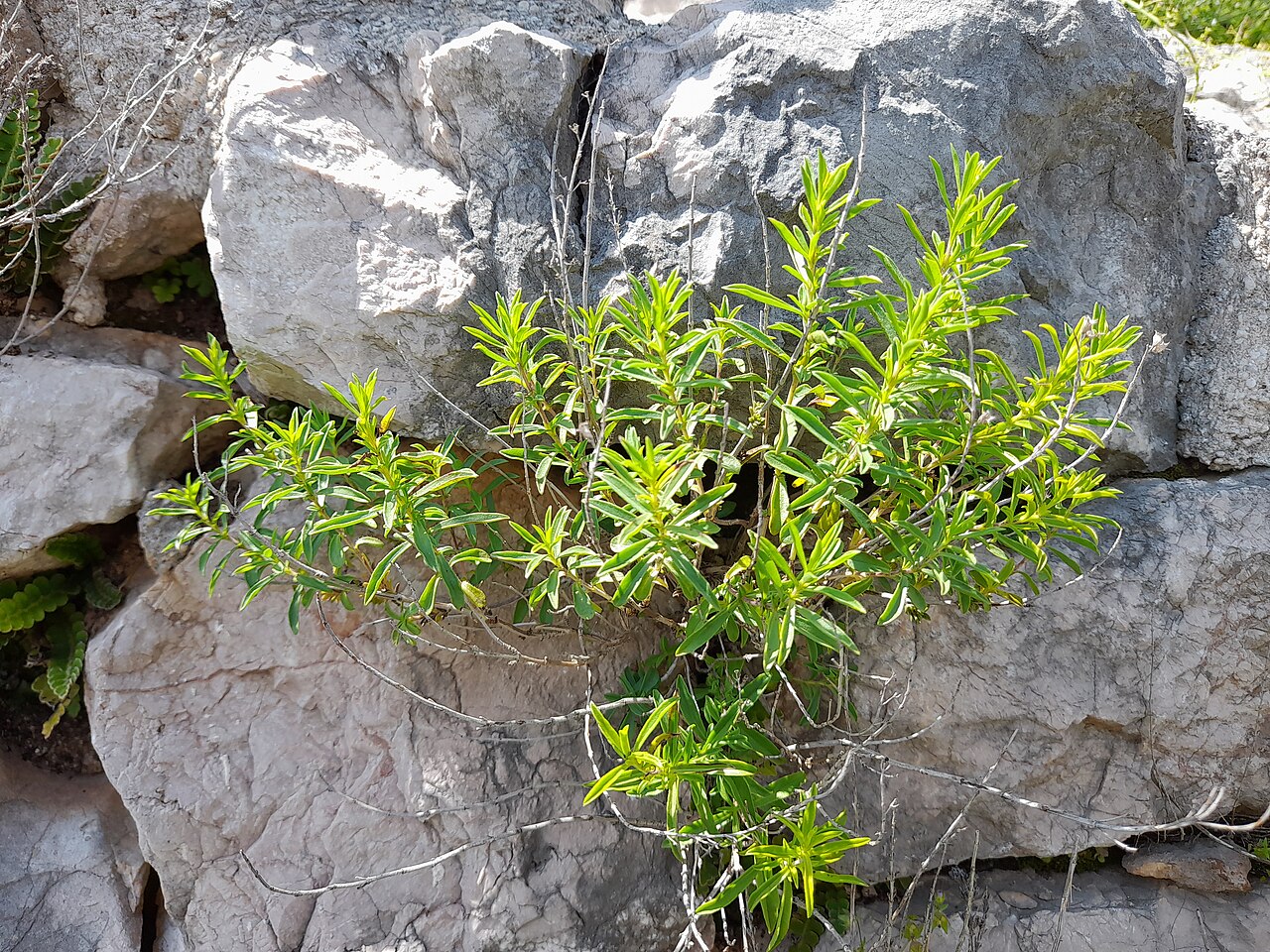
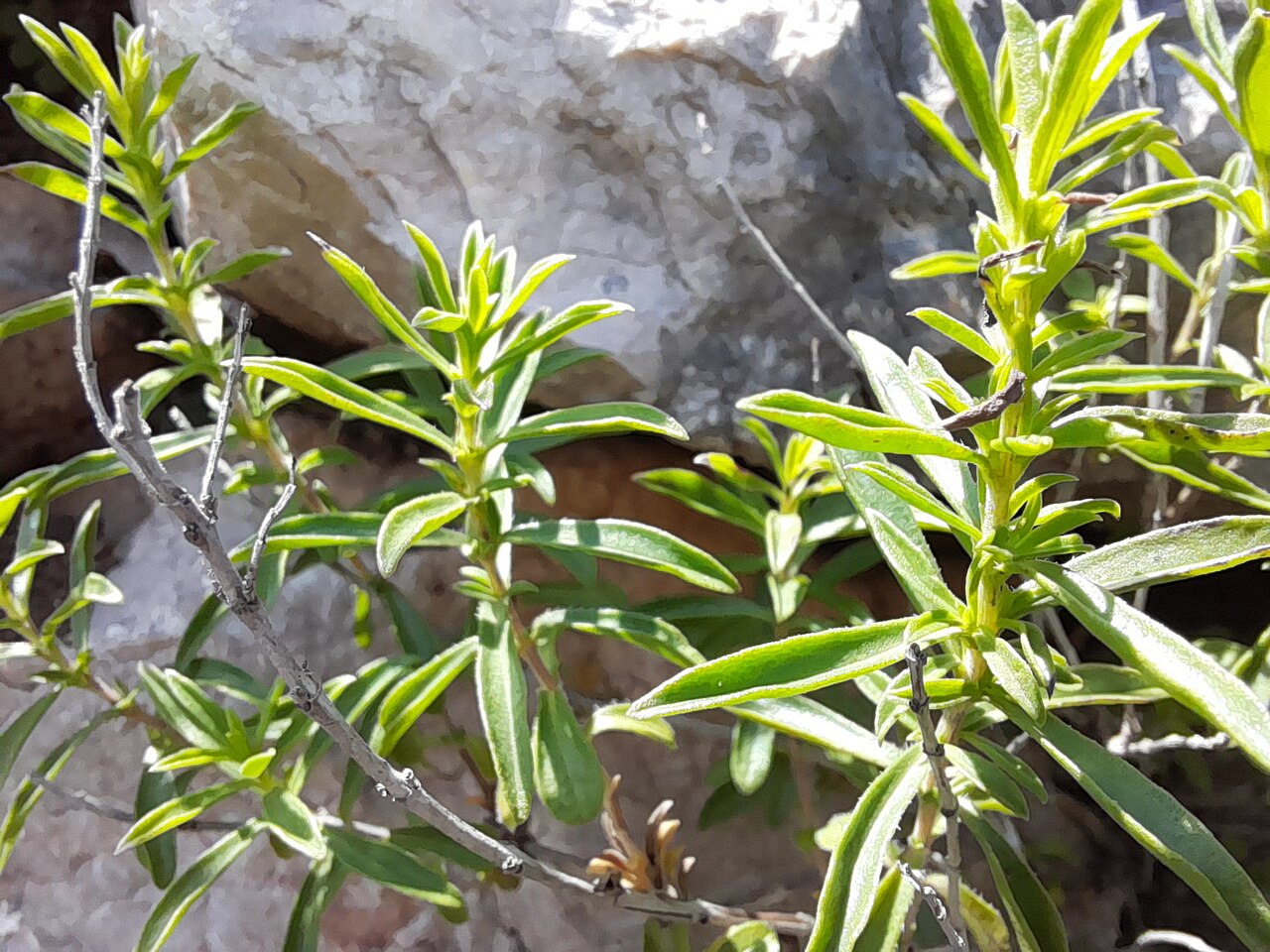
Purple Mountain is the compact winter savory with bright purple flowers, a cultivar that earns its place in the flower border as well as the herb bed. It is more compact than the species, with the same dark green, needle-like leaves and pungent flavor, but its summer flowers are a vivid purple that bees work eagerly, turning a culinary herb into an ornamental. If you want one savory that does two jobs, flavor and flowers, Purple Mountain is the one.
Grow Purple Mountain like any winter savory: full sun, well-drained soil, a spring clip to keep it bushy, and harvest leaves through the season for beans, stews, and grills. Let it flower in summer for the bees, then shear lightly after bloom if you want a tidy mound, and do not overwater, because winter savory’s enemy is wet soil, not drought. It is a perennial, so plant it once and harvest for years, provided drainage is sharp.
If you are new to choosing between cultivars, the Varieties Matter guide explains why the name after the plant matters as much as the plant itself. Purple Mountain is a perfect example: it is not just a winter savory in the abstract, it is a winter savory with a specific job, a specific history, and specific strengths.
Florida framing, stated plainly: winter savory is a Florida trial, and Purple Mountain is no exception. Plant it in a raised bed or container with sharp drainage, give it afternoon shade in summer, and treat it as a trial, with North Florida the best bet. Its purple flowers are worth the experiment even if the plant proves short-lived in humidity.
How to grow
Set out transplants in spring after frost danger, or sow seed indoors and transplant after frost, in full sun and sharply drained soil, because winter savory’s enemy is wet soil. Work a little worm castings into the bed at planting, space as listed, and water to establish, then water moderately. Clip plants in spring to keep them bushy, harvest leaves through the season, and do not cut back hard in fall, because stems that look dead leaf out again in spring.
Set plants 12 inches apart in soil with a pH around 6.0-7.5. Work worm castings into the bed at planting and mulch to hold moisture. A well-fed winter savory plant rewards that care directly: steadier growth, better bloom or fruit, and a show that actually shows up.
Water & feeding
Water to establish, then water moderately; winter savory wants steady moisture while growing, but sharp drainage always, because wet soil rots it. Water at the soil line, do not mulch heavily, and feed lightly: castings at planting is usually enough, because rich soil makes leggy savory with less flavor. Clip in spring to keep plants bushy, and harvest leaves through the season for beans and stews.
Common problems
- WET-SOIL ROT — winter savory’s killer; plant in sharp drainage, raised beds, or containers, and do not overwater.
- HEAT AND HUMIDITY — winter savory struggles in hot, humid summers; in Florida it is a trial, with North Florida the best bet.
- WOODY, LEGGY GROWTH without clipping — clip in spring to keep plants bushy, and do not cut back hard in fall.
- CONFUSION WITH SUMMER SAVORY — winter savory is perennial and sharper, almost pine-like, while summer savory is the milder annual bean herb; buy the right one.
- SELF-SEEDING — volunteers appear freely; deadhead if you do not want them, or edit seedlings in spring.
Harvest
Harvest leaves through the growing season, cutting stems and stripping leaves, and dry cuttings promptly in a warm, airy place, or use leaves fresh. Winter savory is the bean herb: strip leaves into green beans, favas, lentils, stews, and grills, and dry extra for winter, because dried savory keeps its pungent warmth well. Clip plants in spring to keep them bushy, and do not cut back hard in fall, because stems that look dead leaf out again in spring.
Browse all plant & pest guides
Saving seeds
Purple Mountain is the compact winter savory with bright purple flowers, a cultivar that earns its place in the flower border as well as the herb bed. It is more compact than the species, with the same dark green, needle-like leaves and pungent flavor, but its summer flowers are a vivid purple that bees work eagerly, turning a culinary herb into an ornamental. As a named winter savory cultivar it is kept true by cuttings, not by seed — seedlings would not hold the compact form or the vivid purple flowers. Set out transplants in spring after frost danger, or sow seed indoors and transplant after frost, in full sun and sharply drained soil, because winter savory’s enemy is wet soil. Clip plants in spring to keep them bushy, and do not overwater. The full method is in the Saving seeds section of the Winter Savory guide.