
💛 Aureum Common Jasmine
What it looks like
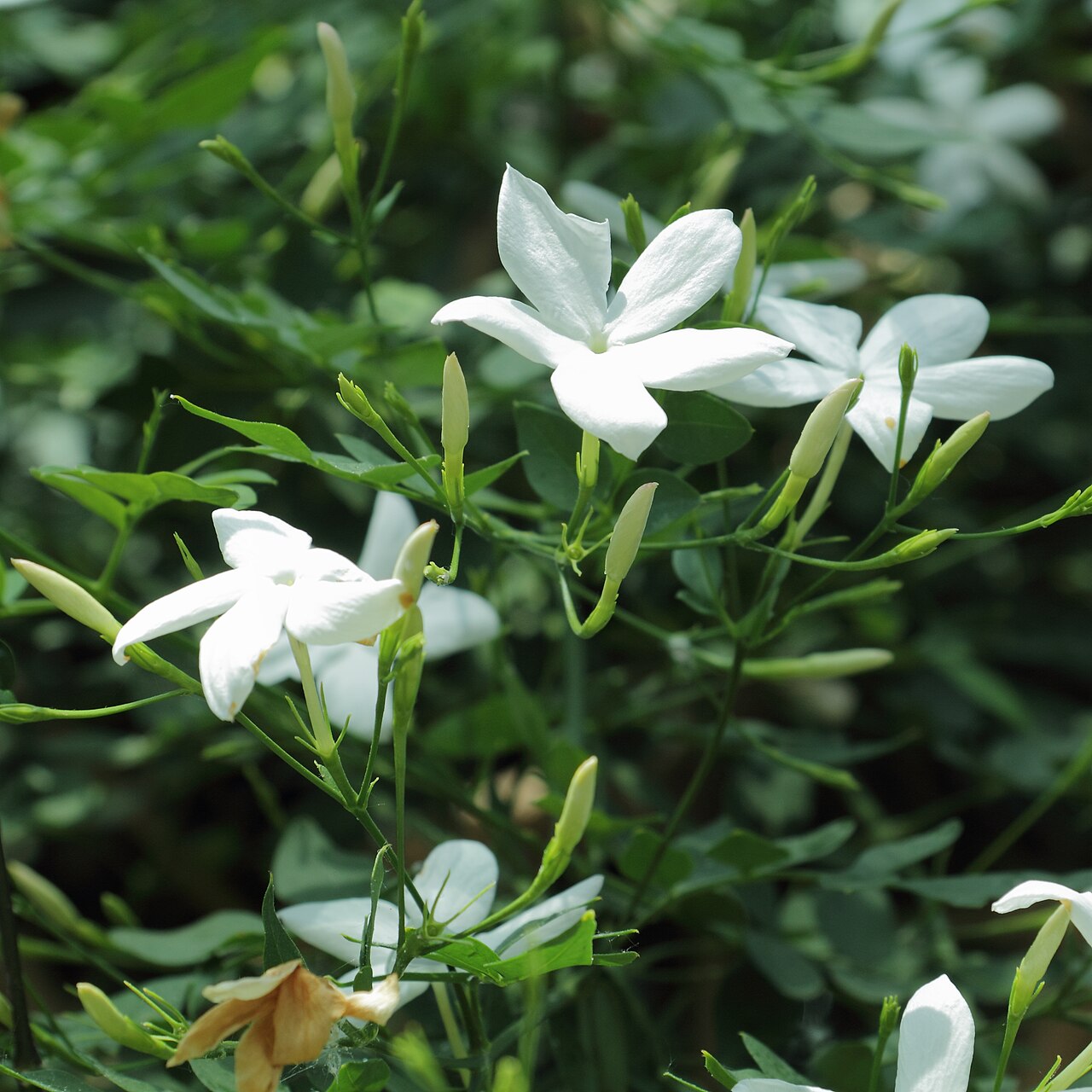
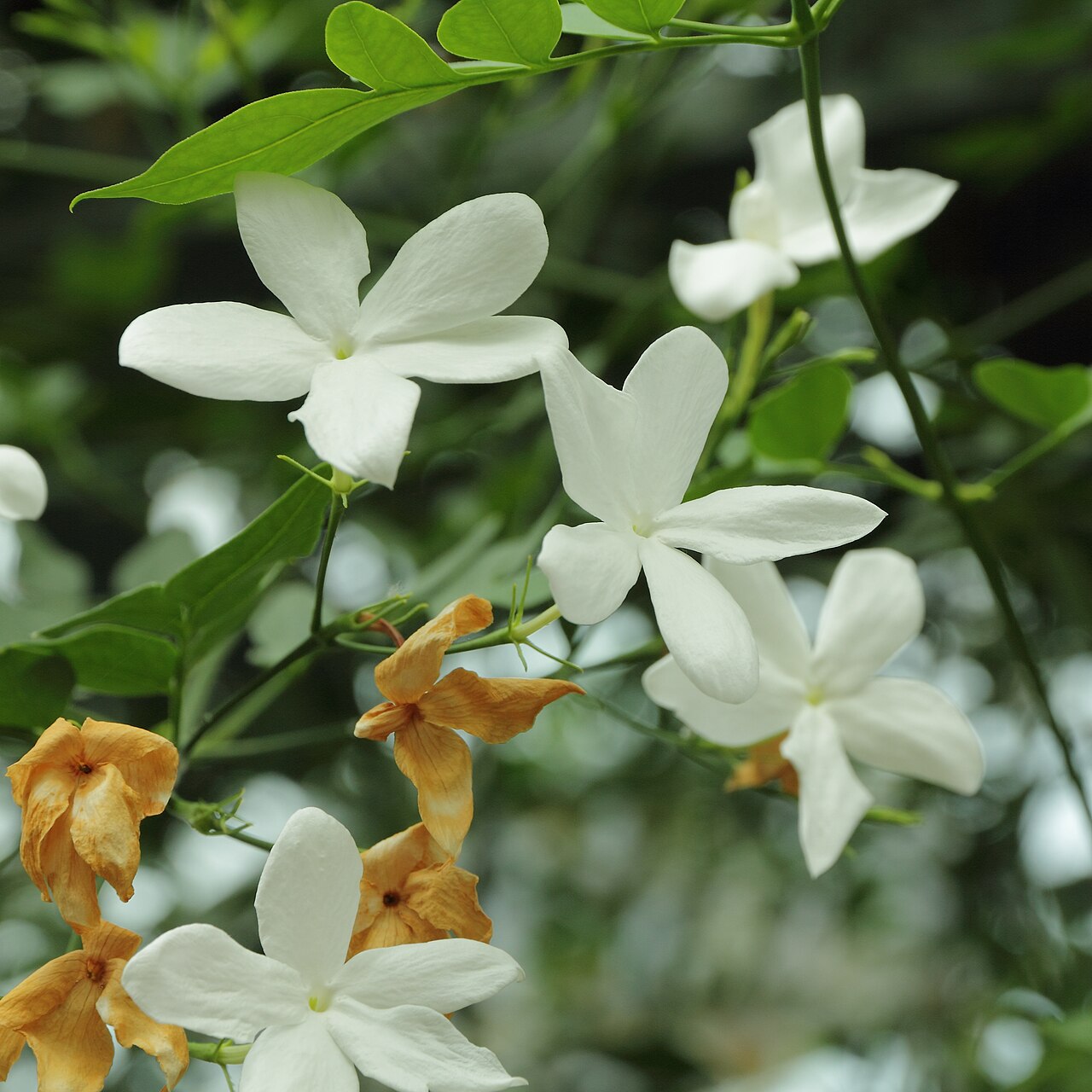
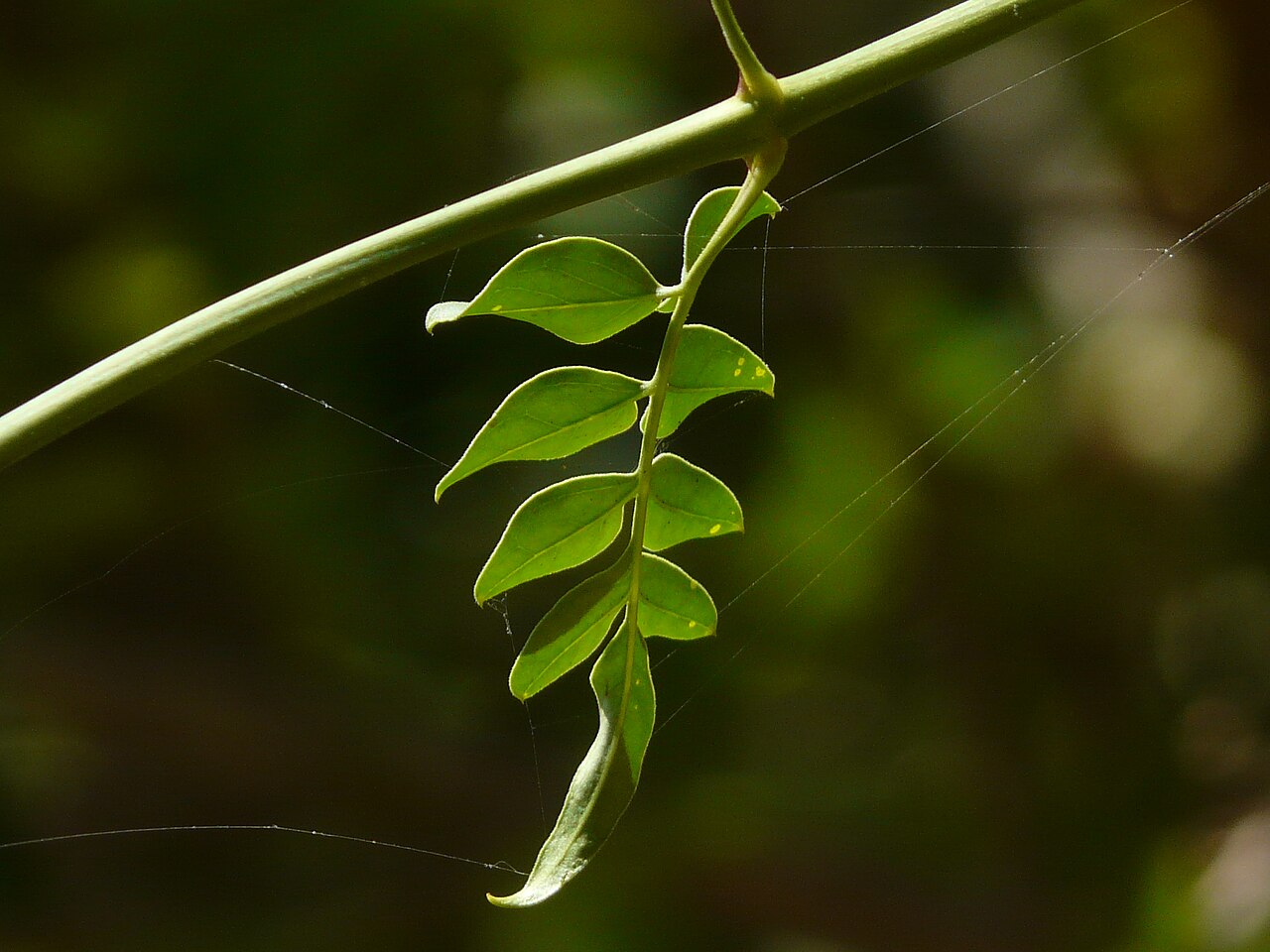
Photos show the species, Common Jasmine, since no cultivar-specific photo has been verified for this variety — the species photos above are already hosted on this site and attributed as on the species guide.
Why this variety
Aureum is common jasmine grown for its leaves as much as its flowers. The foliage is mid-green conspicuously blotched and variegated bright yellow — a living stained-glass effect that lights up a shady corner even on days when nothing is blooming. Then, all summer, it produces the same star-shaped, intensely fragrant white flowers as the species, sometimes flushed pale pink.
A word on naming, because the trade is messy here: the yellow-variegated plant is listed by the RHS as Jasminum officinale ‘Aureum’, and many nurseries sell the same plant as ‘Aureovariegatum’. If your plant tag says either name and the leaves are green splashed with gold, you have the same plant. Do not confuse it with the winter jasmine ‘Aureum’ — a different species with yellow winter flowers.
How to grow
Plant in spring in any good, well-drained garden soil, in full sun if you want the variegation at its brightest, or in partial shade if you prefer softer lime-yellow leaves. Variegated plants are slightly less vigorous than all-green ones — they have less chlorophyll doing the work — so give Aureum a sheltered, sunny spot and do not expect it to outrun the species.
Prune lightly after flowering, removing plain-green reversions (all-green shoots) the moment you spot them, or they will outgrow the variegated growth. Tie new stems to their support while flexible, mulch well, and work worm castings into the soil at planting; a variegated jasmine in rich soil holds its colour far better than one starved in sand.
For the general picture, start with the Common Jasmine growing guide, then use this guide for the details that make Aureum different. And a plain-language note on the hero stats above, because vines and shrubs are not vegetables: “Spacing” here means mature planting distance, and “Days to harvest” means time to first bloom — the moment the plant starts paying you back in flowers, not a picking date.
And a plain-language note on the hero stats above, because vines and shrubs are not vegetables: “Spacing” here means mature planting distance, and “Days to harvest” means time to first bloom — the moment the plant starts paying you back in flowers, not a picking date.
Water & feeding
Water to establish, then deeply during dry spells, keeping soil moist but never waterlogged. Variegated foliage scorches more readily than green foliage in hot, dry wind, so afternoon shade and a thick mulch are Aureum’s best friends in Florida summers. Feed lightly in spring; heavy nitrogen pushes green reversion and soft growth.
Common problems
- Scale insects and mealybugs on stressed vines — check leaf joints, prune out heavy infestations, and use horticultural oil in cool weather, never in hot sun.
- Root rot in soggy soil — jasmine wants moist, well-drained soil, not a puddle. If leaves yellow and drop in wet weather, drainage is the diagnosis, not fertilizer.
- Sparse bloom in too much shade — fragrance needs sun. A jasmine in deep shade grows leaves and keeps its perfume to itself.
- Winter cold snap damage at the northern edge of its range — wait until spring growth shows what is truly dead before cutting, then prune to live wood.
Harvest
The harvest is fragrance and foliage, not fruit. Cut flowering stems in the morning for indoor scent, and enjoy the gold-splashed leaves as a year-round feature — in mild Florida winters this jasmine is semi-evergreen, so the variegation carries the wall even between flower flushes. Prune after the summer flush and remove any all-green shoots at the same time.
Browse all plant & pest guides
Saving seeds
Aureum is a variegated form, so seed saved from it won’t come true — propagate it from cuttings instead. The Saving seeds section of the Common Jasmine guide covers seed for the straight species.