
🤍 Common Jasmine
What it looks like
How to grow
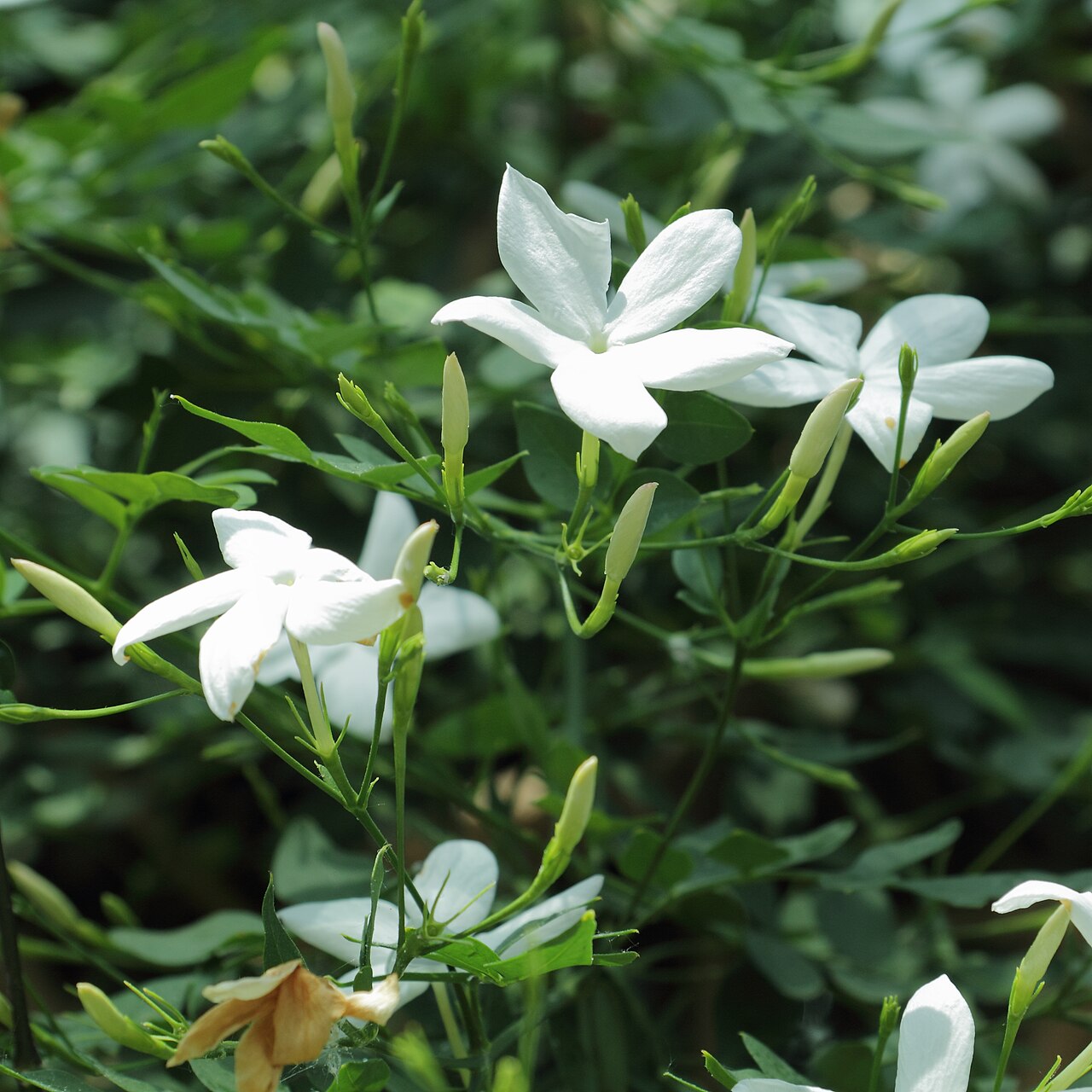
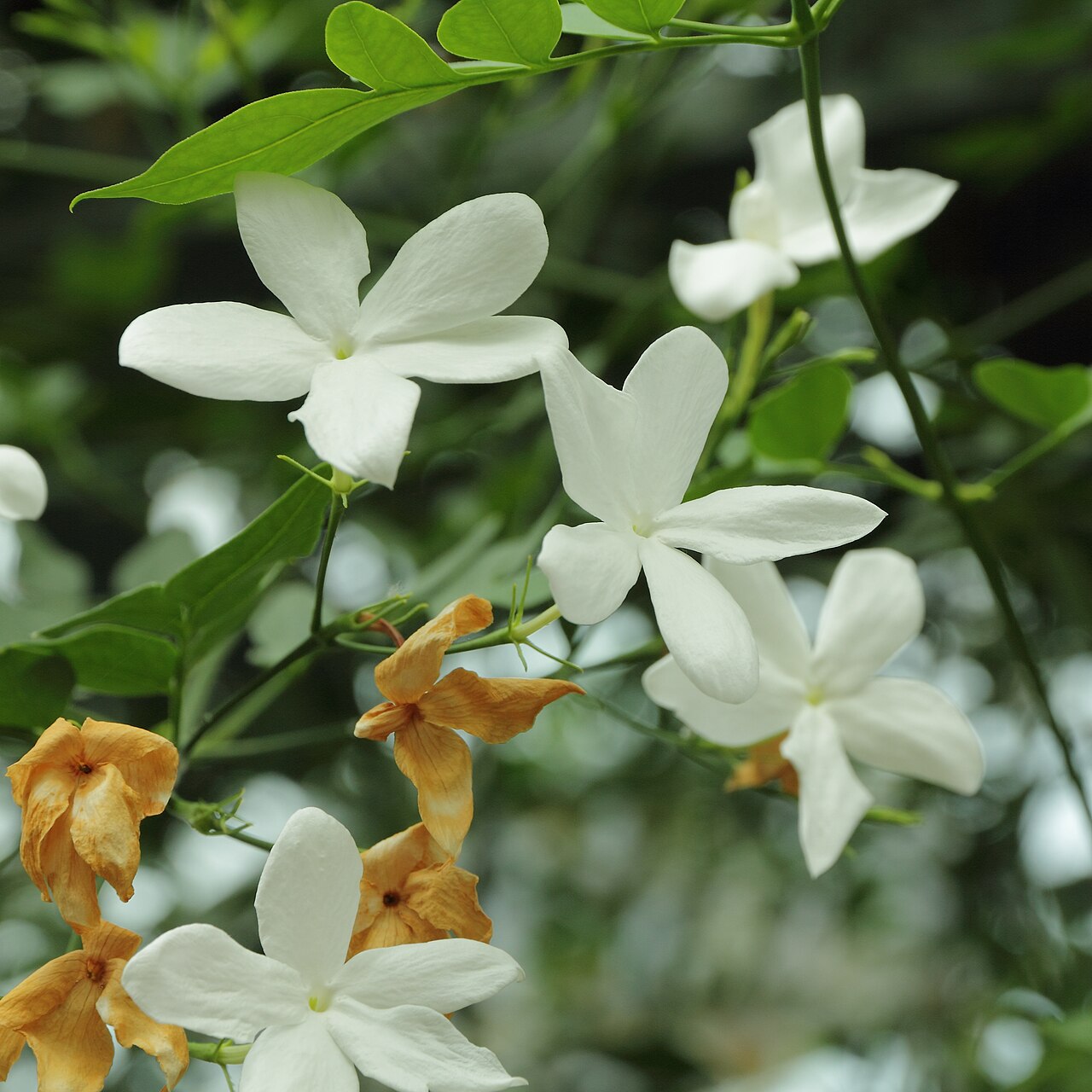
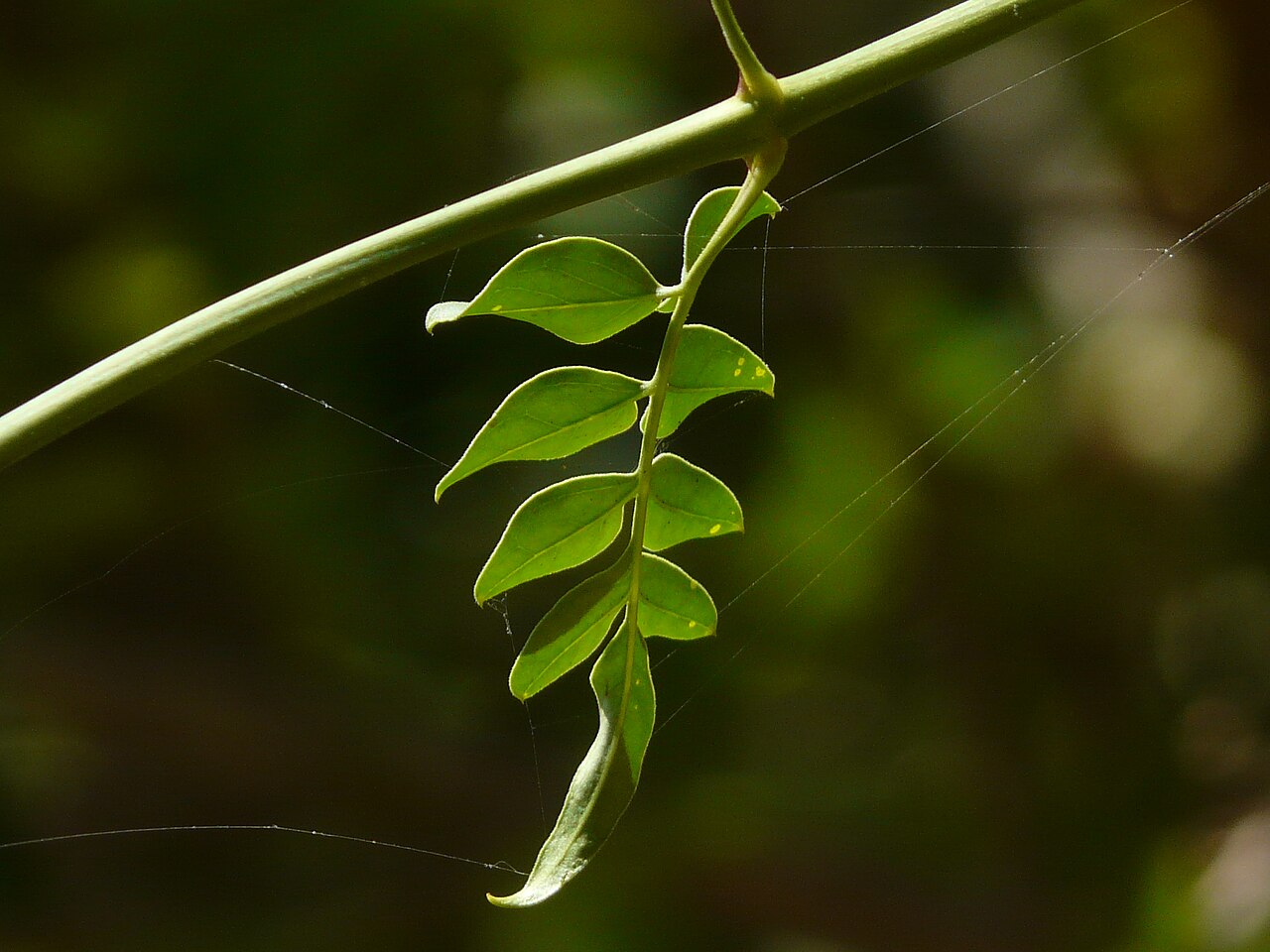
Common jasmine, also called poet’s jasmine, is a deciduous to semi-evergreen twining vine grown for its clusters of small white, powerfully fragrant flowers from late spring through summer. Plant in spring in fertile, well-drained soil against a sunny south- or west-facing wall, strong trellis, or pergola, and give it room: this vine reaches 15 feet and more, and it twines rather than clinging, so it needs horizontal wires or a lattice to wrap around. In colder parts of its range, a sheltered wall and winter mulch help it through cold snaps. Prune lightly after the main flush to shape it and encourage new flowering wood, and do not confuse it with star jasmine (Trachelospermum), which is a different plant with a similar name and scent.
Water & feeding
Water regularly while establishing, then moderately, letting the top of the soil dry slightly between waterings. It likes moist soil but not waterlogged roots, so drainage matters more than frequent watering. Feed with compost in spring and avoid heavy nitrogen, which makes leafy growth at the expense of scent. Mulch to hold moisture and keep roots cool, especially against a hot wall.
Common problems
- Leafy but flowerless — usually too much nitrogen, too much shade, or pruning at the wrong time. Cut back fertilizer, give more sun, and prune only after flowering.
- Spider mites in dry heat — mist foliage, improve air flow, and wash leaves; avoid harsh sprays near flowers that pollinators visit at dusk.
- Winter damage in zone 7 — plant against a sheltered wall, mulch roots, and cut back frost-killed wood in spring; established plants usually regrow.
- Running away with the trellis — tie in new shoots and prune after bloom, or it will happily cover the gutter, the neighbour’s fence, and your good intentions.
Harvest & notes
The harvest is fragrance. Pick a few flowering stems for a vase, or gather open flowers in the evening, when scent is strongest, to float in water or dry for sachets and tea — jasmine flowers have long been used to scent tea, but only use flowers from plants you know have not been sprayed. Leave most blooms for moths and other evening pollinators, which are the vine’s real audience after dark.
Browse all plant & pest guides
Saving seeds
Common jasmine gives you two honest routes to more plants, and they suit two different temperaments. Cuttings are the fast, faithful route. Seed is the slow, romantic one — and if you are the kind of gardener who likes watching something improbable become a vine, it is worth doing at least once.
Start with the fruit. After the white flowers fade, jasmine sets small dark berries, each holding seed. Let them ripen fully on the vine until they are soft and dark, then pick them, squeeze out the seed, and rinse away the pulp. Pulp left on seed is an invitation to mold, and mold is the enemy of every seed project, nowhere more than in a humid climate. Sow fresh if you can: jasmine seed is at its best sown as soon as it is ripe, in a pot of well-drained seed mix kept evenly moist but never waterlogged. Press the seed just under the surface, keep the pot warm and bright out of harsh direct sun, and wait. Germination takes weeks rather than days, and the seedlings are unhurried — grow them on in pots through their first winter, sheltered from hard frost, and plant out in late spring or early summer once they are sturdy.
If you cannot sow fresh, dry the seed thoroughly first — spread it in a single layer in the shade with good air movement until it feels hard and papery — then store it in a labeled paper envelope inside an airtight jar with a small desiccant packet, kept cool and dark. In Florida, that jar-and-desiccant step is not optional fussiness; ambient humidity will quietly rehydrate stored seed and spoil it. Use stored seed the following spring and do not bank on it for years: fresh seed is the reliable batch, and older seed is a gamble you take for fun.
Will seedlings grow true? For the straight species, broadly yes — common jasmine is not a hybrid cultivar, so seedlings resemble their parent in flower and scent, though individual seedlings will vary a little in vigor and bloom, as seedlings do. If you need an exact copy of a particular plant — that one vine whose scent stops you at the gate — take cuttings instead: half-ripe wood in summer roots very easily, mature wood in winter works too, and a low stem layered into the soil will often root itself while still attached to the parent. Seed is for the patient and the curious; cuttings are for the gardener who wants the same jasmine, sooner. Both are legitimate. Only one of them lets you say you grew a jasmine from a berry you picked yourself, and that sentence is worth something.
Varieties
Every named variety of Common Jasmine with its own growing guide:
- Argenteovariegatum Common Jasmine — The silver-variegated jasmine: cream-margined leaves with fragrant white flowers, the refined jasmine.
- Fiona Sunrise Common Jasmine — The golden jasmine: gold-yellow foliage that glows in sun, with the same intensely fragrant white flowers.
- Clotted Cream Common Jasmine — The cream-flowered common jasmine: larger, richly scented, buttery blooms over a long summer — the jasmine for people who find pure white a little stark.
- Aureum Common Jasmine — The gold-splashed common jasmine: mid-green leaves boldly blotched bright yellow, with the same intensely fragrant white flowers — the jasmine for bright walls.