
🤍 Fiona Sunrise Common Jasmine
What it looks like
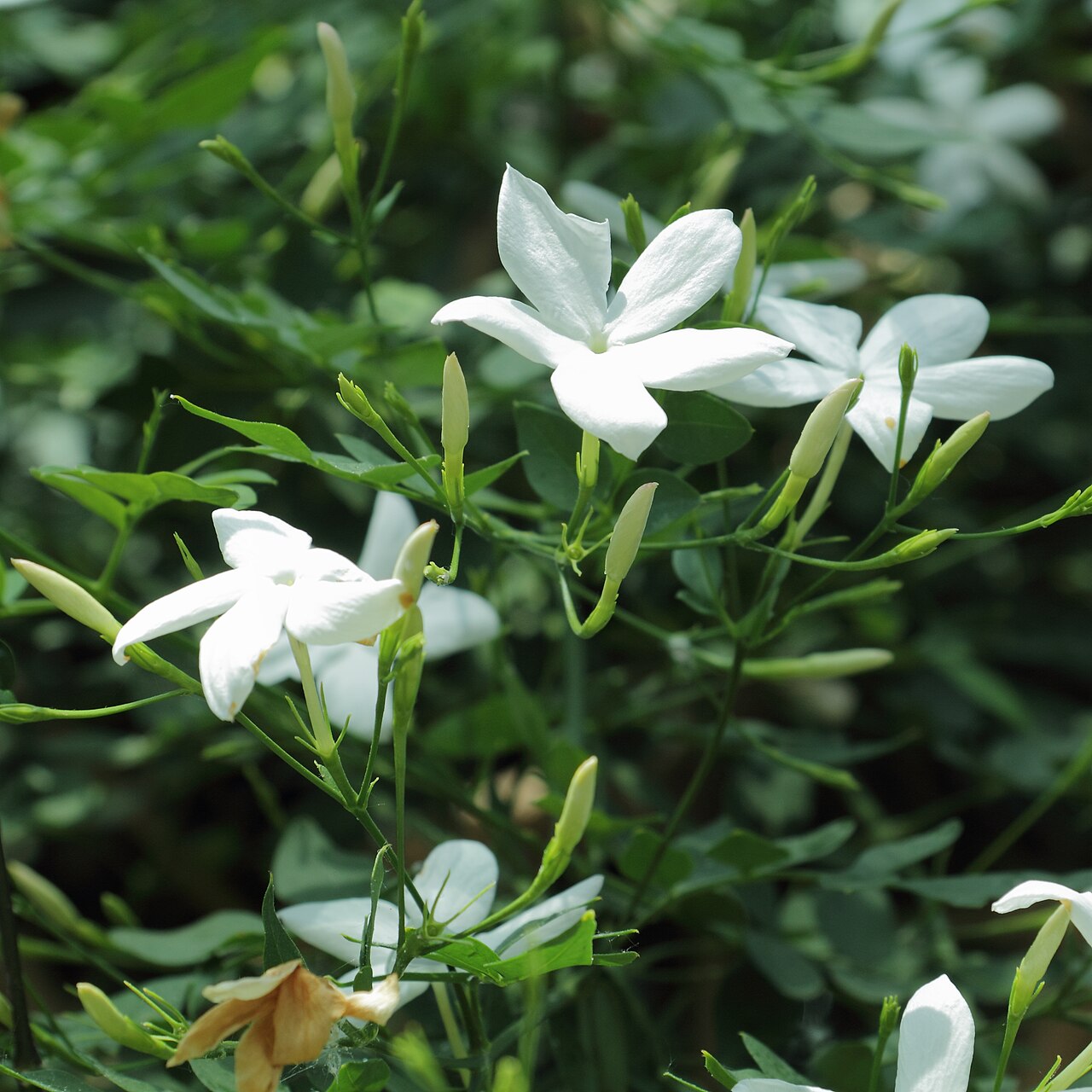
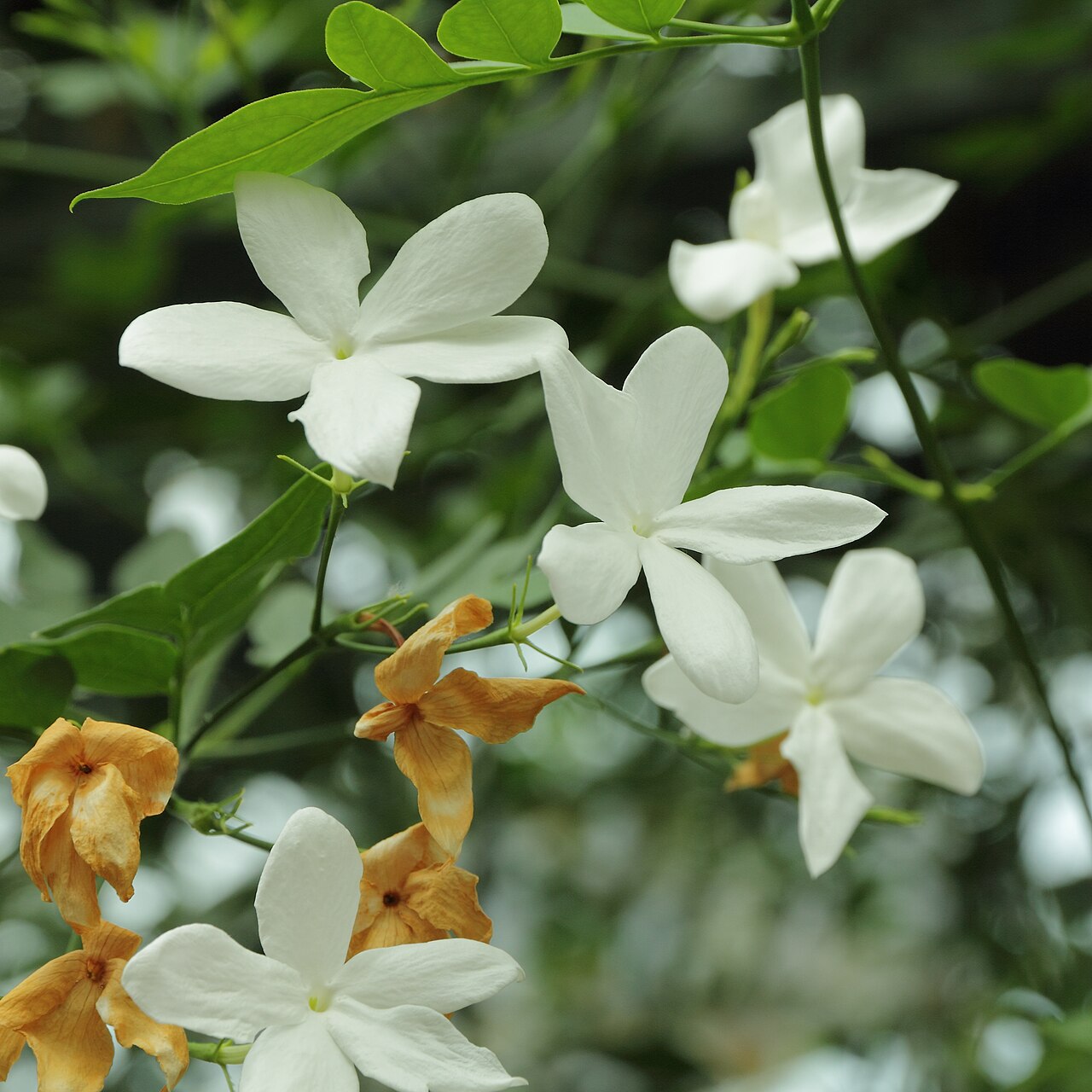
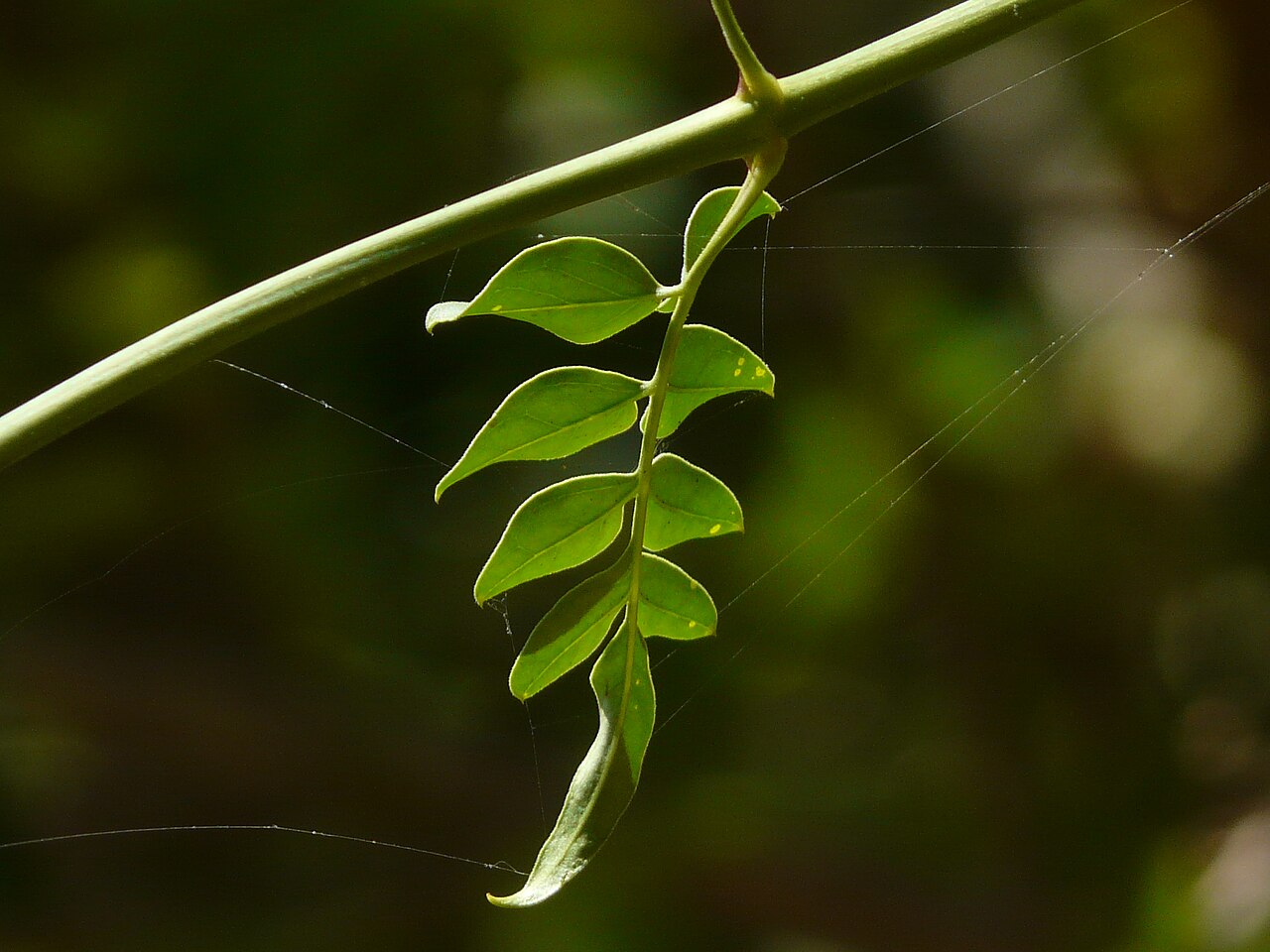
Why this variety
Fiona Sunrise is the common jasmine for foliage lovers: the same vigorous, twining vine as the species, with the same intensely fragrant white summer flowers, but with leaves that emerge gold-yellow and hold their gold in sun, so the vine is ornamental even when it is not in bloom. It won the RHS Award of Garden Merit, and it earns it — a jasmine that glows from across the garden, scents the evening air, and climbs a trellis, fence, or arbor to 10 feet or more in a season.
The trade-off is sun dependence: Fiona Sunrise’s gold fades to green in shade, so it needs sun to be golden, and it needs a support it can twine around, plus pruning after flowering to keep it in bounds — a jasmine left unpruned becomes a tangle with flowers only at the tips. In cold winters it may die back and regrow from the base, so cut out dead wood in spring. Give it sun, drainage, and a trellis, and it will be the fragrant, golden screen you wanted.
If you are new to choosing between cultivars, the Varieties Matter guide explains why the name after the plant matters as much as the plant itself. Fiona Sunrise is a perfect example: it is not just a common jasmine in the abstract, it is a common jasmine with a specific job, a specific history, and specific strengths.
Florida honesty: common jasmine is a Florida-friendly vine in the warmer parts of the state — it grows statewide in shelter, flowering summer to fall, and it is evergreen or semi-evergreen in frost-free gardens. In North Florida, plant it in a sheltered spot and expect dieback in a hard freeze, with regrowth in spring. In Central and South Florida, give it sun, drainage, and a sturdy support, prune after flowering, and enjoy the fragrance on warm evenings — but keep it pruned, because a jasmine in a frost-free state does not stop on its own.
How to grow
Plant in spring in sun to part shade and well-drained soil, against a support it can twine around — a trellis, fence, or arbor, not a flat wall, which defeats a twiner. Work worm castings into the planting hole, water through the first season, and prune after flowering to keep it shrubby rather than leggy. In cold winters it may die back; cut out dead wood in spring and it regrows from the base.
Set plants one vine per support; 10-15 feet of trellis in soil with a pH around 6.0-7.5. Work worm castings into the bed at planting and mulch to hold moisture. A well-fed common jasmine plant rewards that care directly: steadier growth, better bloom, and a show that actually shows up.
Water & feeding
Keep soil evenly moist in the growing season and barely moist in winter — jasmine wants steady water while it blooms and rest while it rests. Water at the soil line, mulch to hold moisture, and feed regularly in the growing season with a balanced feed; reduce both water and feed when growth slows. A jasmine that is warm, bright, and steadily watered blooms continuously; a jasmine that is cold, dark, or dry sulks.
Common problems
- Vigorous escape in frost-free gardens — prune hard after flowering and never let it climb into trees or onto roofs.
- Winter dieback at the cold edge — cut out dead wood in spring; established vines regrow vigorously from the base.
- Loss of variegation or gold in shade — variegated and golden forms green up without sun; give them sun or part shade, not deep shade.
- Scorch of variegated margins in hot sun — give Argenteovariegatum afternoon shade in the hottest gardens.
- Scale and aphids on stressed vines — prune out badly infested growth and encourage predators; avoid broad-spectrum sprays.
Harvest
Cut a few flowering stems for scent indoors in summer, when blooms are fully open — jasmine flowers perfume a room for a day or two and suit small, fragrant bouquets. Prune after flowering for shape, cutting back long shoots to keep the vine shrubby rather than leggy. In cold zones, cut out dead wood in spring; in frost-free zones, cut back hard in spring to refresh growth and keep the vine on its support.
Browse all plant & pest guides
Saving seeds
Fiona Sunrise is a gold-leaf common jasmine cultivar with an RHS Award of Garden Merit, and jasmine cultivars are propagated by cuttings — seedlings won’t hold its gold foliage. The Saving seeds section of the Common Jasmine guide covers seed for the species generally.