
🍂 Autumn Glow Lindheimer’s Muhly
What it looks like
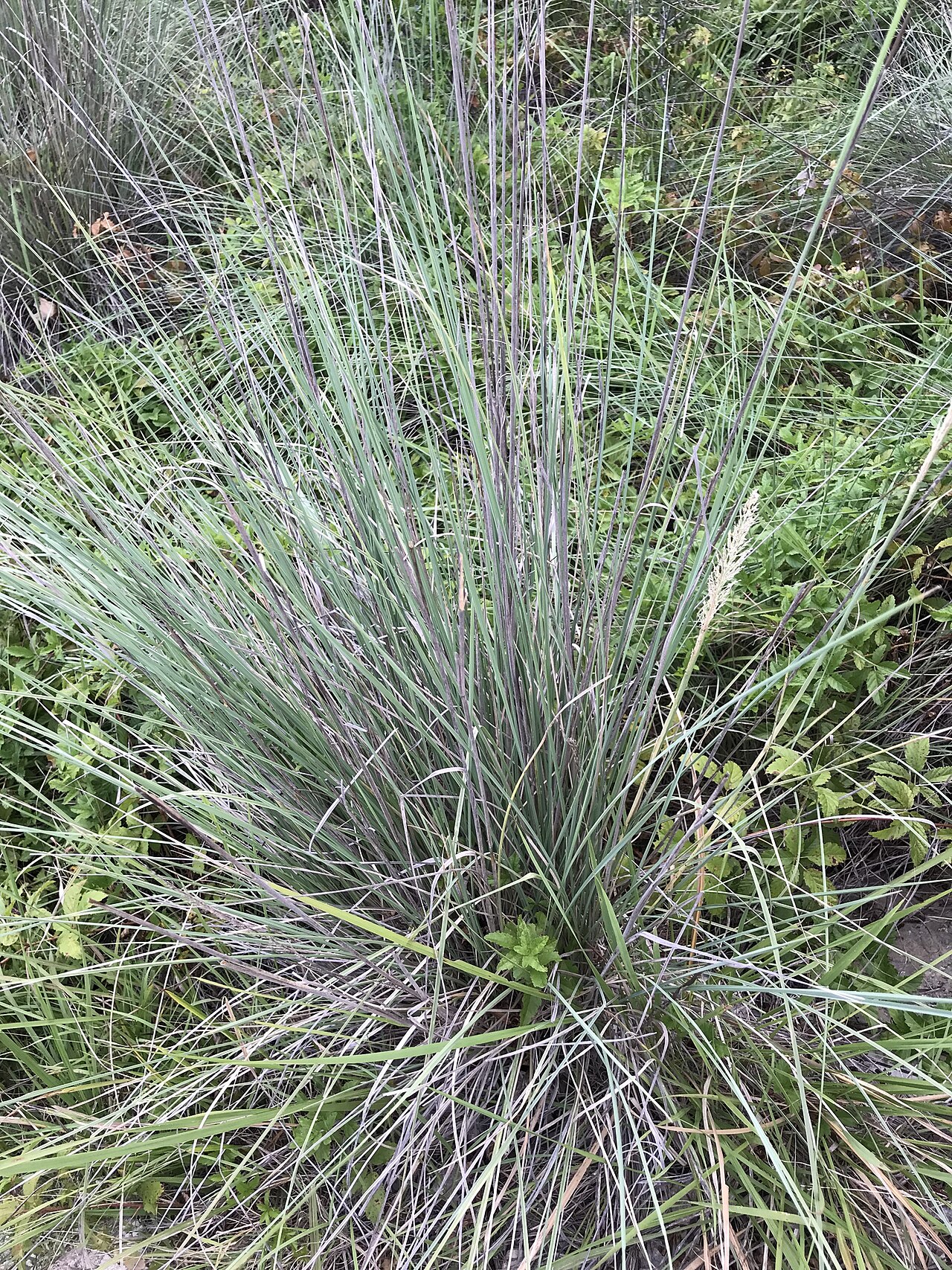
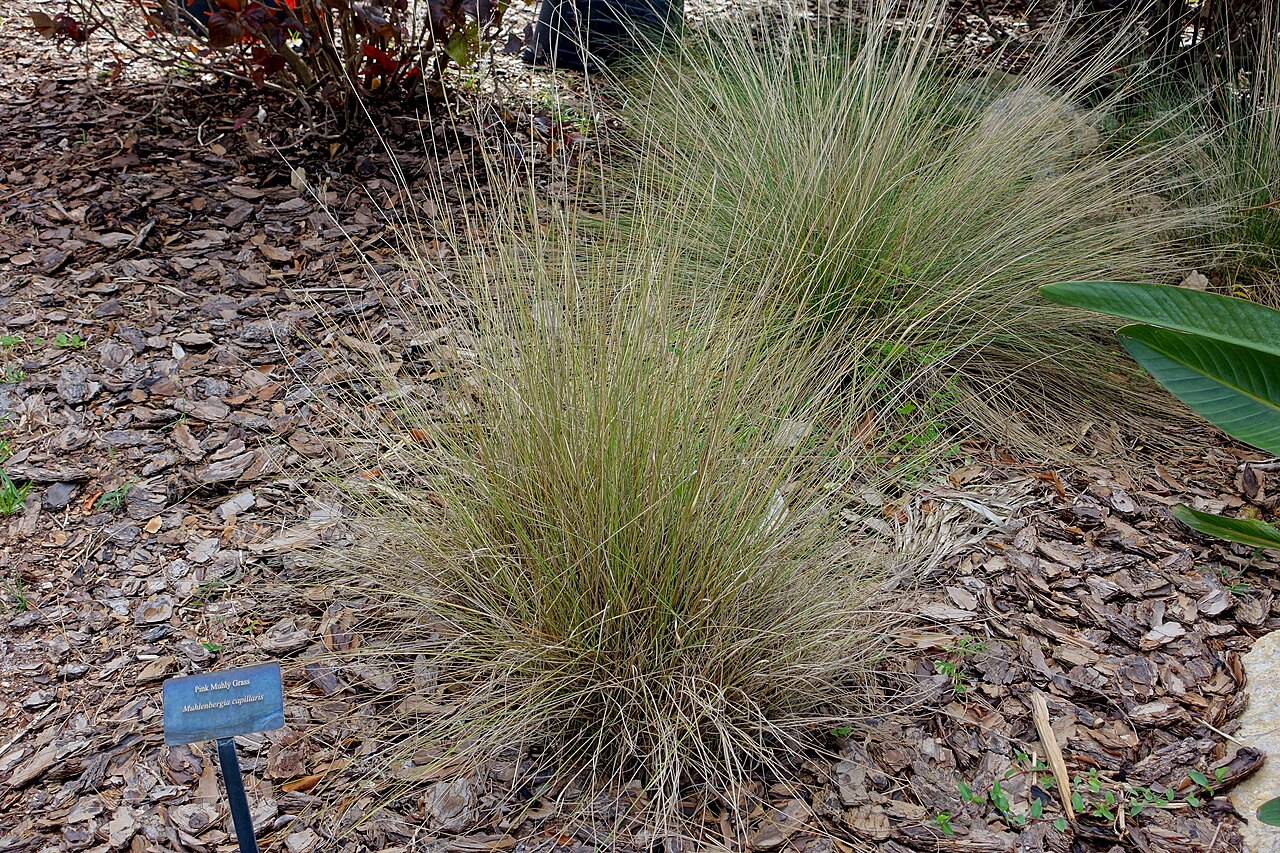
Autumn Glow is the ornamental cultivar of Lindheimer’s muhly, listed in the Lindheimer’s muhly literature as the named selection of the species. That distinction matters, because it tells you what to expect: not a different plant, but Lindheimer’s muhly in a nursery-selected form, grown for the same tall, dense, clumping habit, the same gray-green to blue-green foliage, and the same long, silvery to purplish panicles that bloom from May through November. If you know the species, you know this cultivar’s shape; if you do not, read the Lindheimer’s muhly guide first, because Autumn Glow follows it closely.
Expect a large bunchgrass, 2 to 5 feet tall and 3 to 4 feet wide, with erect stems and a fountain form that reads as a tall screen or accent. Its plumes are loose and spike-like, silvery seed heads that catch autumn light, which is where the cultivar name earns its keep: in fall, a clump of Autumn Glow glows in low sun in a way that a plain green grass does not.
Why this variety
Choose Autumn Glow when you want Lindheimer’s muhly by name, from a nursery tag you can trust, rather than a seed-grown plant that may vary. Named cultivars exist so gardeners can buy a known form instead of a lottery ticket, and Autumn Glow is the named form for gardeners who want this species’ height, blue-green foliage, and fall plumes without surprises. It is the right choice for a screen, a tall border accent, or a meadow edge where a 3 to 5 foot grass is the right scale.
Be honest about what is documented and what is not: the cultivar is documented as a Lindheimer’s muhly selection, but nursery descriptions of its exact plume color and size vary, so this guide does not invent a precise height or color that the species guide does not support. Grow it as Lindheimer’s muhly, site it as Lindheimer’s muhly, and judge it by the species’ virtues: height, texture, fall light, and toughness.
How to grow
Plant in spring in full sun and well-drained soil, spacing about 3 feet apart for a screen, farther as a specimen. Give it the Lindheimer’s treatment: sun, reasonable drainage, room to reach full height, and a site that is not a soggy low spot. Water to establish, then moderately, and cut back in late winter before new growth. Divide in spring every few years if the center thins.
Florida note: like its parent species, Autumn Glow is a Texas native selection, not a Florida native, and it is Florida-suitable in north and central Florida gardens with sun and drainage. In the far south or in a wet, humid low spot, plant Florida’s own pink muhly first and trial Autumn Glow second.
Water & feeding
Water regularly until established, then moderately. Lindheimer’s muhly appreciates a little more moisture than pink muhly, but it still wants drainage, and wet winter soil is the enemy. Compost at planting is enough; heavy fertilizer makes it flop.
Common problems
Flopping in rich, wet soil or shade: full sun and lean soil are the fix.
Slow first year: bunchgrasses build roots first; year two brings the screen.
Late spring emergence: warm-season grass, late to wake. Wait before replacing it.
Old centers: divide in spring or cut back hard in late winter to renew.
Harvest
The harvest is the fall glow: cut plumes for tall dried arrangements, or leave the clump standing through winter for screening, bird cover, and seed-head material. No food harvest, and none expected from an ornamental grass.
Browse all plant & pest guides
Saving seeds
Autumn Glow is a named cultivar, so seed saved from it won’t come true — divide the clump instead. The Saving seeds section of the Muhly Grass guide covers seed for the straight species.