
🌿 Autumn Joy Sedum
What it looks like

Why this variety
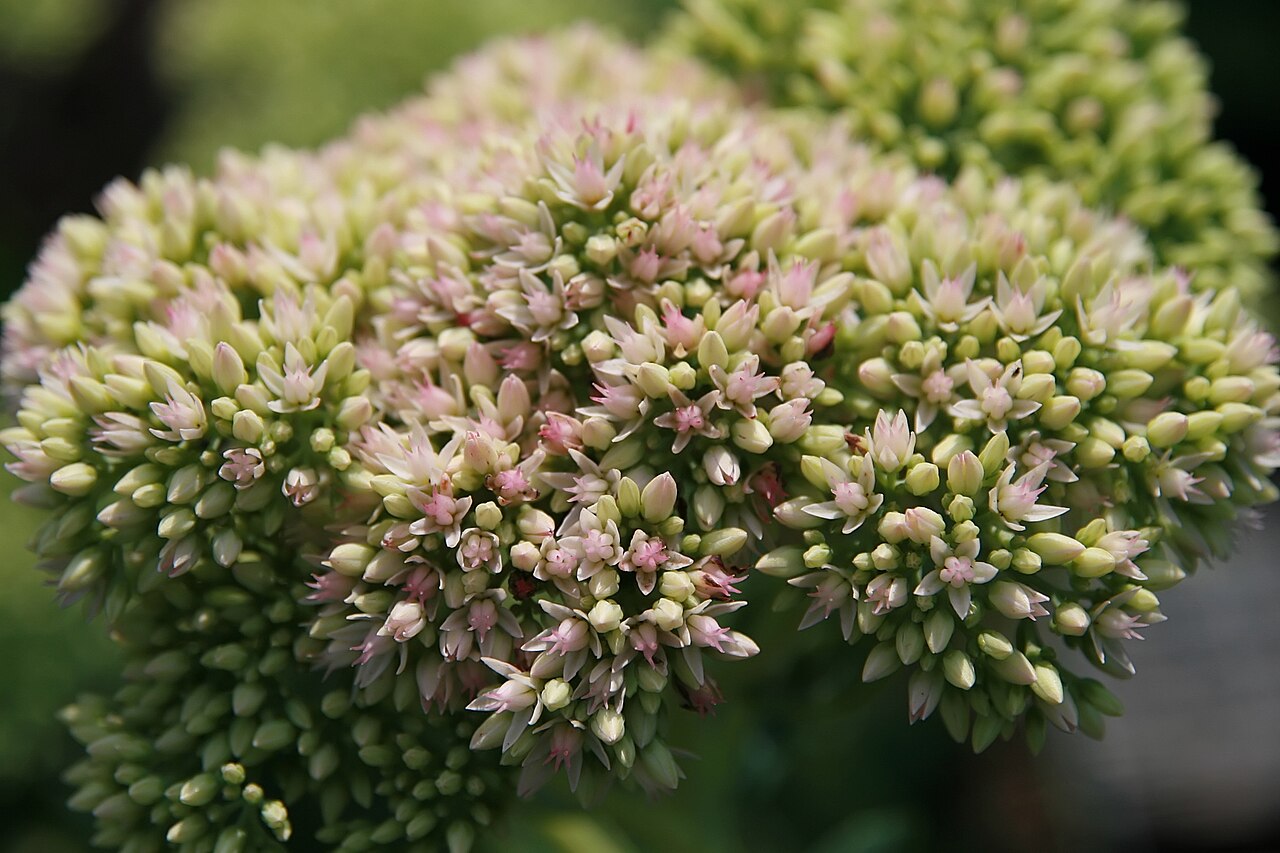
Autumn Joy is the stonecrop that made stonecrops famous: a sturdy, upright plant, 18 to 24 inches tall, with succulent blue-green foliage and flat-topped flower heads that start as tight, broccoli-like buds, open pink in late summer, and age through rose to copper-red in fall, lasting for months and feeding butterflies the whole time. It is the plant that carries the fall border when everything else is fading, and it does it with no staking, no deadheading, and no fuss — the most reliable fall perennial ever sold.
The trade-off is that Autumn Joy is a sun-and-drainage plant that rots in rich, wet soil faster than it starves in poor soil, and it flops open in the middle if you feed it or shade it. Give it full sun, lean, sharply drained soil, and room, cut it back in spring (not fall — the dried heads are winter interest and bird food), and do not plant it in a low spot that ponds. In return you get a plant that thrives on neglect and looks better every year.
If you are new to choosing between cultivars, the Varieties Matter guide explains why the name after the plant matters as much as the plant itself. Autumn Joy is a perfect example: it is not just a sedum in the abstract, it is a sedum with a specific job, a specific history, and specific strengths.
Florida honesty: tall sedums are a North and Central Florida trial, not a South Florida perennial — they want sun, sharp drainage, and a cooler winter rest than South Florida offers, and Florida humidity plus wet summers can rot them. In North Florida Autumn Joy performs as a long-lived fall perennial; in Central Florida, give it a raised bed or sharp drainage, full sun, and lean soil, and treat it as a warm-season perennial that may need replacing after a wet summer.
How to grow
Plant in spring in full sun and sharply drained, even lean soil — tall sedums are sun-and-drainage plants that rot in rich, wet soil faster than they starve in poor soil. Work a little worm castings into the bed at planting, do not overfeed it, and space for air. Cut back in spring, not fall — the dried flower heads are winter interest and bird food — and divide congested clumps every few years.
Set plants 18-24 inches apart in soil with a pH around 6.0-7.5. Work worm castings into the bed at planting and mulch to hold moisture. A well-fed sedum plant rewards that care directly: steadier growth, better bloom, and a show that actually shows up.
Water & feeding
Water to establish, then water sparingly — tall sedums are drought-tolerant once established and rot in wet soil, so overwatering is the mistake to avoid. Water at the soil line, do not mulch heavily, and feed lightly: castings at planting is usually enough, because rich soil makes floppy sedums. Lean soil, sun, and drainage make long-lived ones.
Common problems
- Crown rot in wet soil — the sedum killer in humid climates; plant in sharp drainage or raised beds and do not overwater.
- Flopping in rich soil — lean soil makes sturdier sedums; do not overfeed, and cut back in spring for compact growth.
- Slugs and snails on foliage in wet weather — pick at dusk and keep mulch pulled back slightly from crowns.
- Aphids on new growth — blast with water and encourage ladybugs; avoid broad-spectrum sprays.
- Short life in hot, wet summers — heat plus wet soil shortens sedum life; in warm zones, treat it as a trial in sharp drainage.
Harvest
Cut flower heads for bouquets from late summer into fall, when heads are fully colored — sedum lasts well in water and its flat-topped heads suit autumn arrangements with grasses and asters. Leave some heads standing over winter for birds and winter interest, cut the whole plant back in spring, and divide congested clumps every few years. The dried heads also make excellent winter arrangements, holding their copper color for months.
Browse all plant & pest guides
Saving seeds
Autumn Joy is a named cultivar, so seed saved from it won’t come true — divide the clump instead. The Saving seeds section of the Sedum guide covers seed for the straight species.