
🪨 Sedum (Stonecrop)
What it looks like
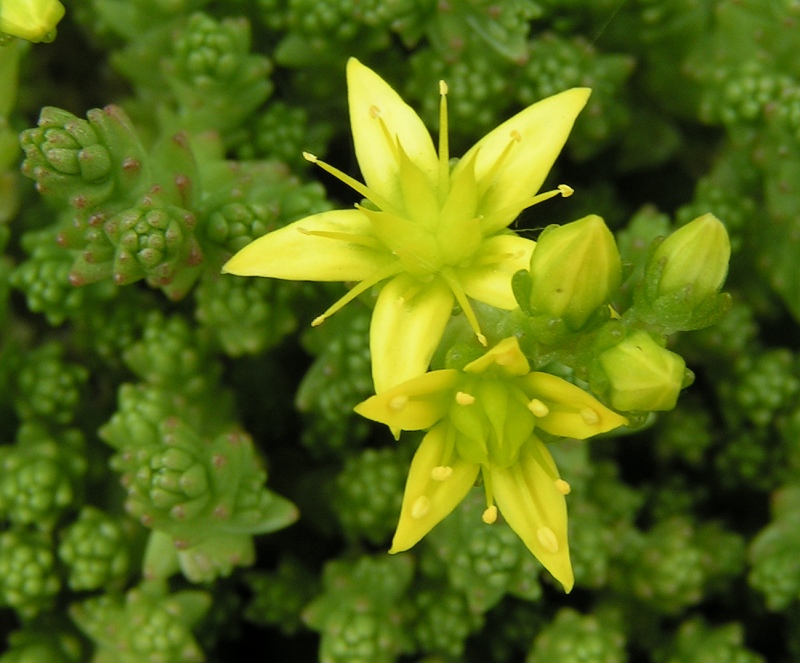
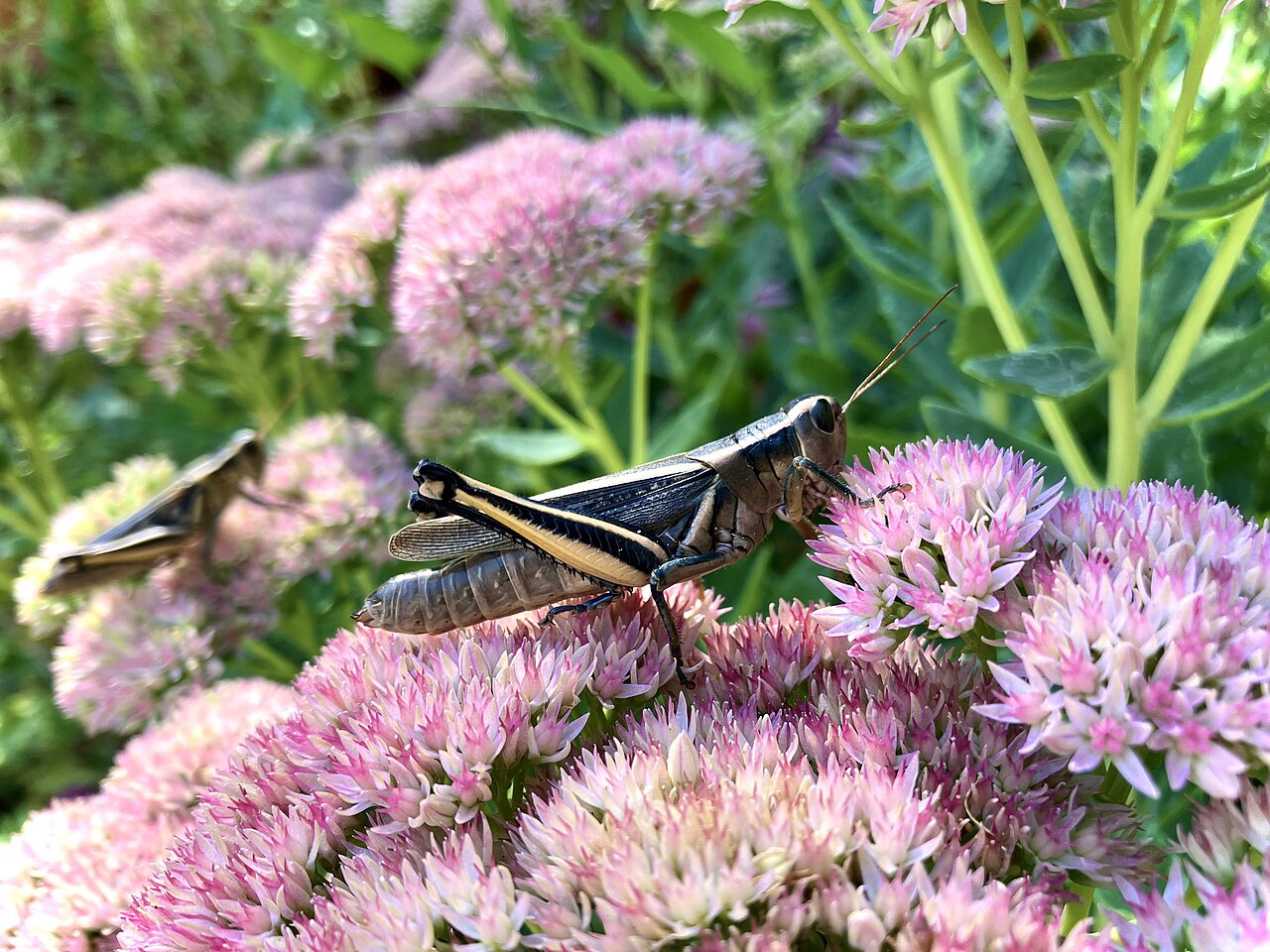
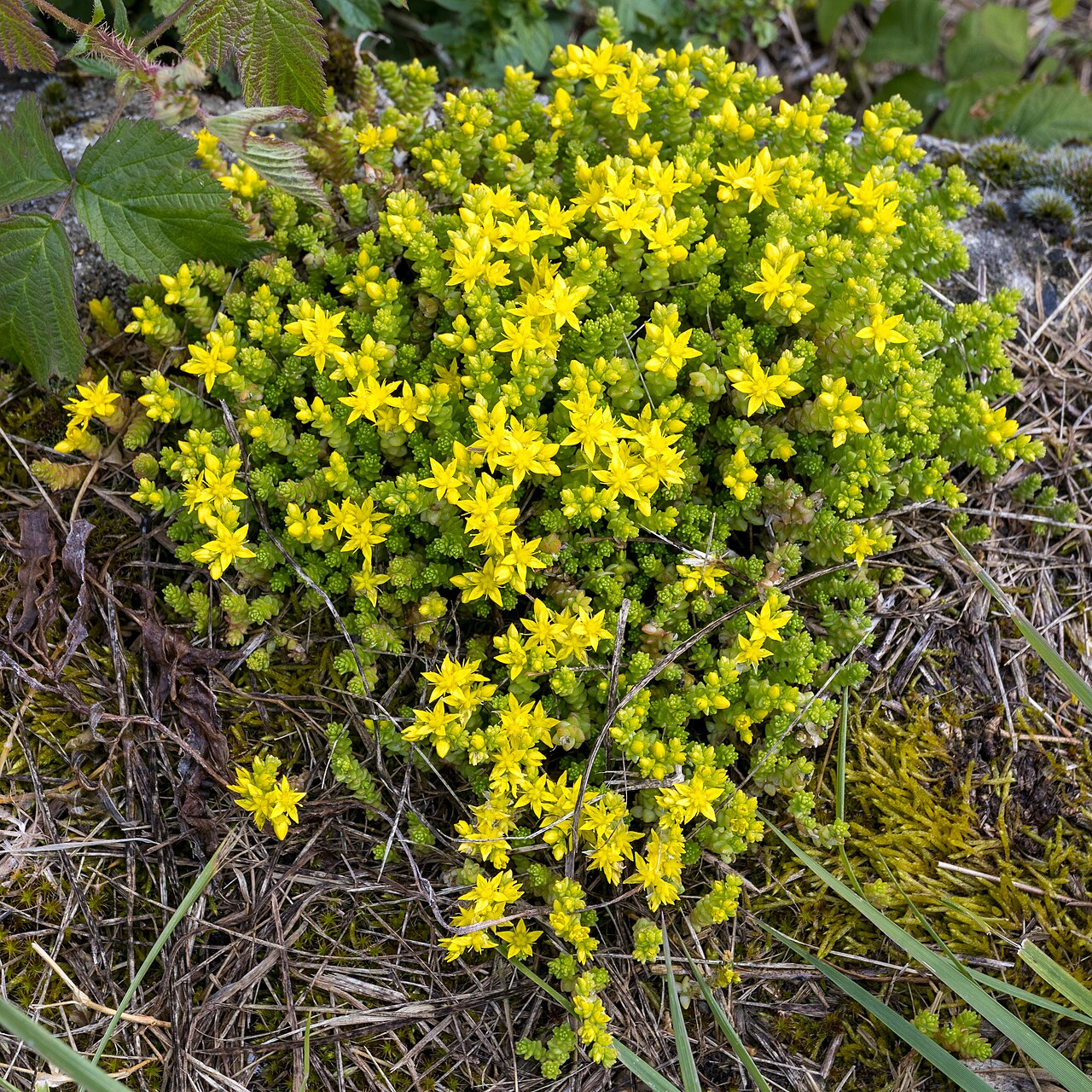
How to grow
Sedum covers two habits in one name: low, creeping stonecrops that carpet rock gardens and walls, and tall, upright types (now often sold as Hylotelephium) that stand 2–3 feet tall and end summer in flat pink flower heads beloved by bees and butterflies. Both want the same deal — full sun and sharp drainage — and both punish kindness in the form of rich, wet soil. Plant in spring or fall in gritty, well-drained soil, even poor or rocky soil, and space creeping types 12–18 inches apart and upright types 18–24 inches apart. In containers, use a cactus-style mix and a pot with real drainage holes. Sedum roots so easily from cuttings that a broken stem tucked into soil is often a whole new plant by next month.
Water & feeding
Water thoroughly after planting, then water sparingly: established sedum is drought-tolerant and rot is the main enemy. In rainy climates, drainage matters more than watering schedules — a raised bed or gravel mulch can save a planting. Feed almost never; a light spring compost top-dressing is plenty, and nitrogen-heavy fertilizer makes tall types flop.
Common problems
- Rot and mushy stems — too much water or poor drainage; lift, improve drainage, replant only firm pieces.
- Floppy upright sedum — too rich a soil or too much fertilizer; cut back by a third in late spring for compact growth.
- Creeping sedum taking over — edging or a contained bed keeps vigorous types in bounds.
- Leggy centers — divide clumps in spring or fall every few years.
Notes
Cut upright sedum back in late fall or early spring, and leave the dried flower heads standing through winter if you like their silhouette — birds and winter interest both approve. Low types need little more than a yearly tidy. Propagate by stem cuttings or division; almost embarrassingly easy.
Browse all plant & pest guides
Saving seeds
Sedum seed is dust — tiny, light-hungry, and easy to lose. Let a few flower heads ripen until they are dry and brown, then shake them into a paper bag over a sheet of paper. Sow on the surface of a gritty, well-draining mix and do not bury the seed at all; it needs light to germinate. Keep it warm and just moist, and germination usually comes in one to three weeks.
Seed is the slow road, though. A stem cutting roots in days and a division is a plant in weeks, and both are the faithful route — named cultivars come only from cuttings or division, never from seed. Seed is for the patient, the curious, and anyone starting a species from scratch. If you want more of the sedum you already love, snip a stem, stick it in dry mix, and walk away.
Dry seed thoroughly before storing, and keep it cool and dry; it keeps a few years. Sow more than you need, since the seed is fine and germination is uneven, and prick out seedlings once they are big enough to handle without crushing them.
And the Florida honesty: most stonecrops are cool-climate succulents, and Florida heat and humidity rot them. In Florida they do best as a winter and spring plant, or as a potted succulent in bright shade with sharp drainage and a strict no-overwatering rule. If your sedum melts in July, that is the climate talking, not your gardening.
Varieties
Every named variety of Sedum (Stonecrop) with its own growing guide:
- Autumn Joy Sedum — The autumn classic: broccoli-like buds that open pink and age to copper-red — the stonecrop every fall border leans on.
- Brilliant Sedum — The bright pink: vivid rose-pink flower heads on sturdy, upright stems — the loudest autumn joy of the three.
- Matrona Sedum — The dusky one: smoky purple stems and leaves with dusty-pink flower heads — the stonecrop with foliage as good as its flowers.