
🌿 Bad River Blue Grama
What it looks like
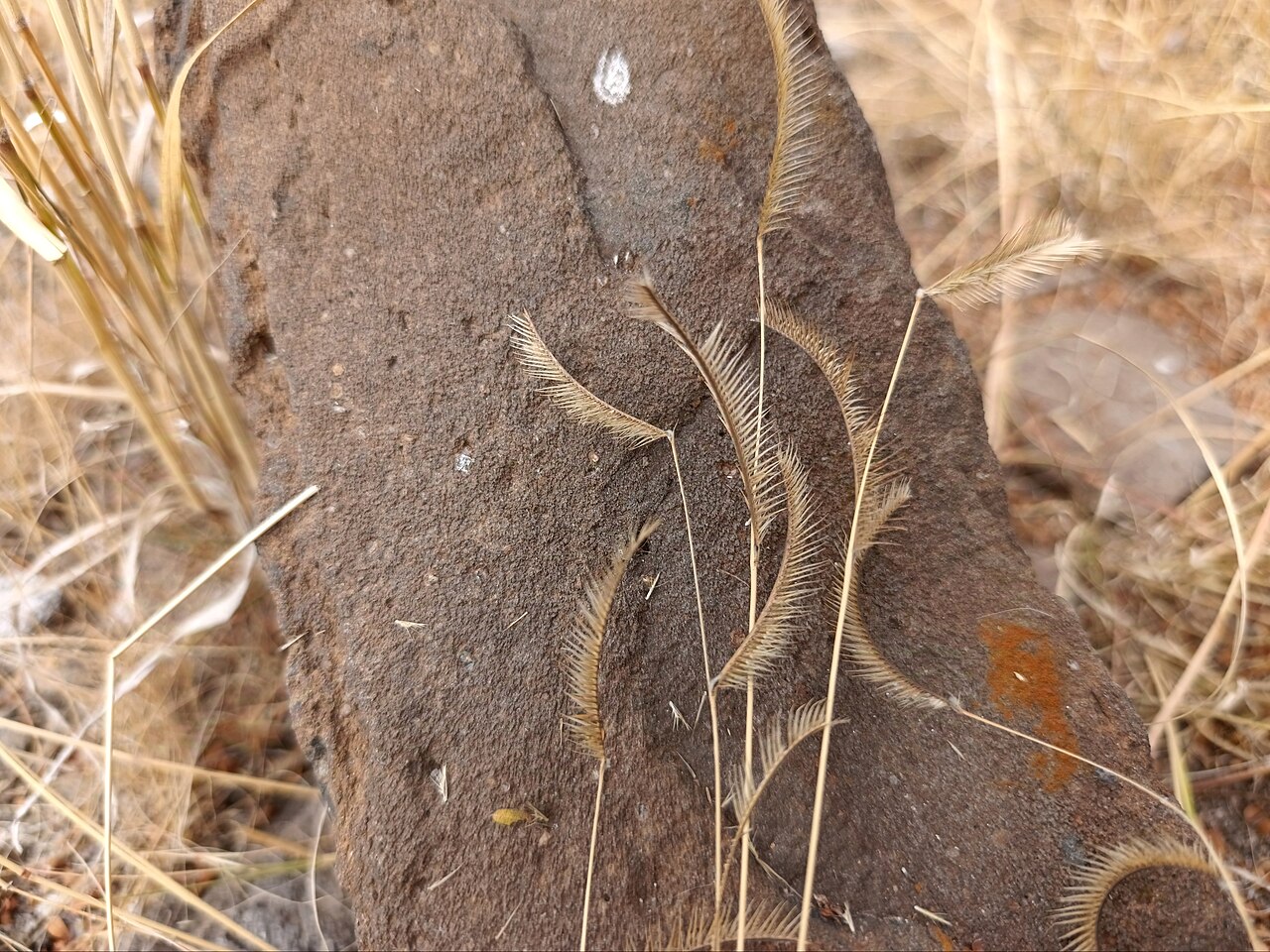
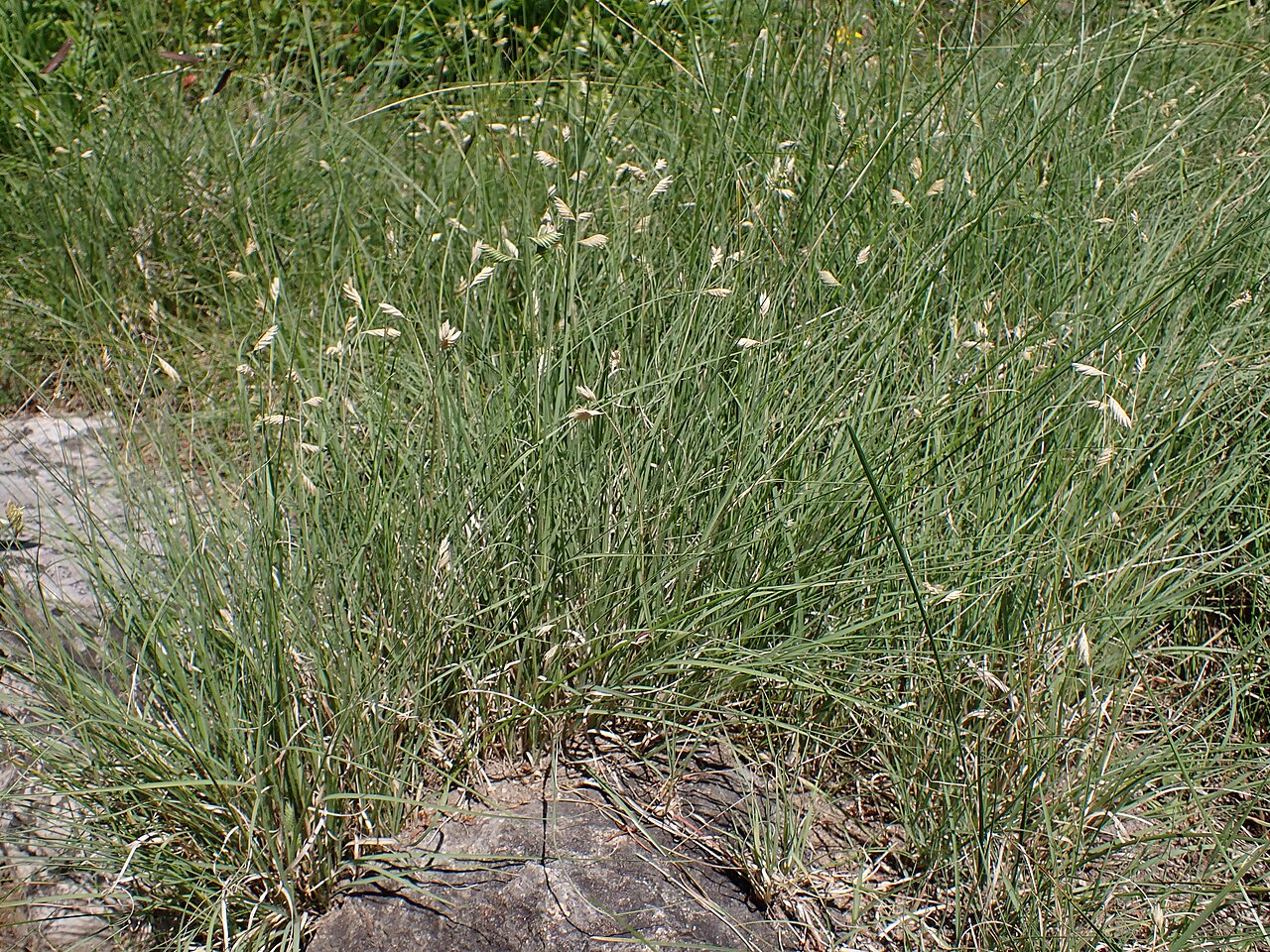
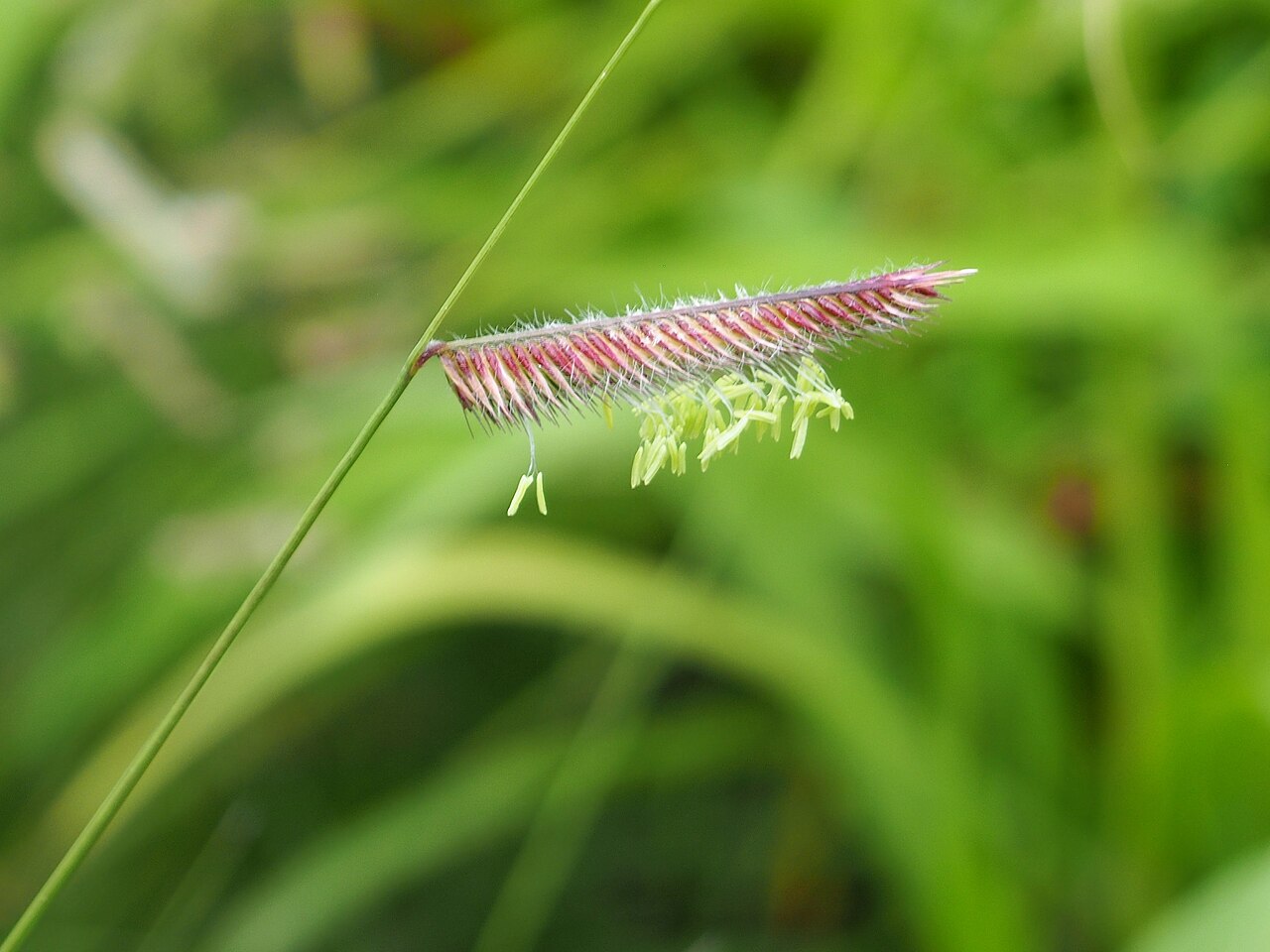
‘Bad River’ looks like blue grama at its most serious: a perennial, warm-season bunchgrass with narrow, gray-green to blue-green leaves that curl slightly in drought, and the species’ famous seedheads — one-sided, comb-like spikes that hang like tiny eyelashes or toothbrushes from the stem tips. Compared with South Dakota native harvests, ‘Bad River’ was selected to be leafier and taller, with improved seedling emergence, vigor, and root development, and with higher crude protein and digestibility as forage. It is not an ornamental showpiece like ‘Blonde Ambition’; it is a range grass in a gardener’s clothing, and its beauty is the beauty of a plant doing its job in a hard place.
Why this variety
Plant ‘Bad River’ when you need a tough, cold-hardy, drought-hardy grass for restoration, rangeland, or a genuinely low-water lawn in the northern plains. It is a selected ecotype, released in 1996 by the USDA Natural Resources Conservation Service from a single seed collection along the Bad River in Haakon County, South Dakota — a plant with a documented provenance, not a vague ‘native mix’ label. In trials it out-produced and out-nutritioned the local native harvests, which is why it became the recommended blue grama release for the northern plains. Choose it for performance in cold, dry country; choose ‘Blonde Ambition’ for the flower border and ‘Hachita’ for the hot Southwest.
How to grow
Sow seed in warm soil, no deeper than a quarter inch — planting depth is critical for blue grama, and seed buried too deep simply does not emerge. Give it full sun and well-drained soil; it handles sand, loam, and even clay if it is not waterlogged, and it tolerates moderate salinity and alkalinity. It will not tolerate dense shade, flooding, high water tables, or acid soils. Once established, it needs little: this is a grass that evolved on 10 to 20 inches of rain a year, and it resents being fussed over.
Water & feeding
Water to establish, then back off hard. ‘Bad River’ is highly drought-tolerant once established and prefers sporadic deep soaks over frequent light irrigation. Fertility needs are low — excess nitrogen promotes lodging and weeds, which is the opposite of what you want from a range grass. In a garden setting, the kindest thing you can do for it is to leave it alone and let it go dormant and tan in drought; it greens up again with rain.
Common problems
Wet feet, shade, and acid soil are the three ways to kill ‘Bad River’ — all three are the opposite of its native plains. Seed-production fields can suffer thrip and gall midge infestations, a warning from the old plant guides that matters more to growers than to gardeners. Close grazing is tolerated because the growing points sit low, but for the best forage yields, defer grazing once every two to three years. In Florida, the problem is the climate itself: humidity, summer rain, and wet soil are a standing invitation to failure, so treat any Florida planting as an experiment, not a lawn plan.
Harvest
For forage, graze or cut when the grass is green and growing; blue grama cures well on the stem and holds much of its nutritive value into fall and winter, which is why it is prized as standing winter forage. For seed, harvest when the comb-like heads are mature and dry. For ornamental use, leave the seedheads standing into winter — they catch frost and low light beautifully — and cut back in early spring before new growth starts.
For the species as a whole, see the Blue Grama guide.