
🌰 Barcelona European Hazelnut
What it looks like
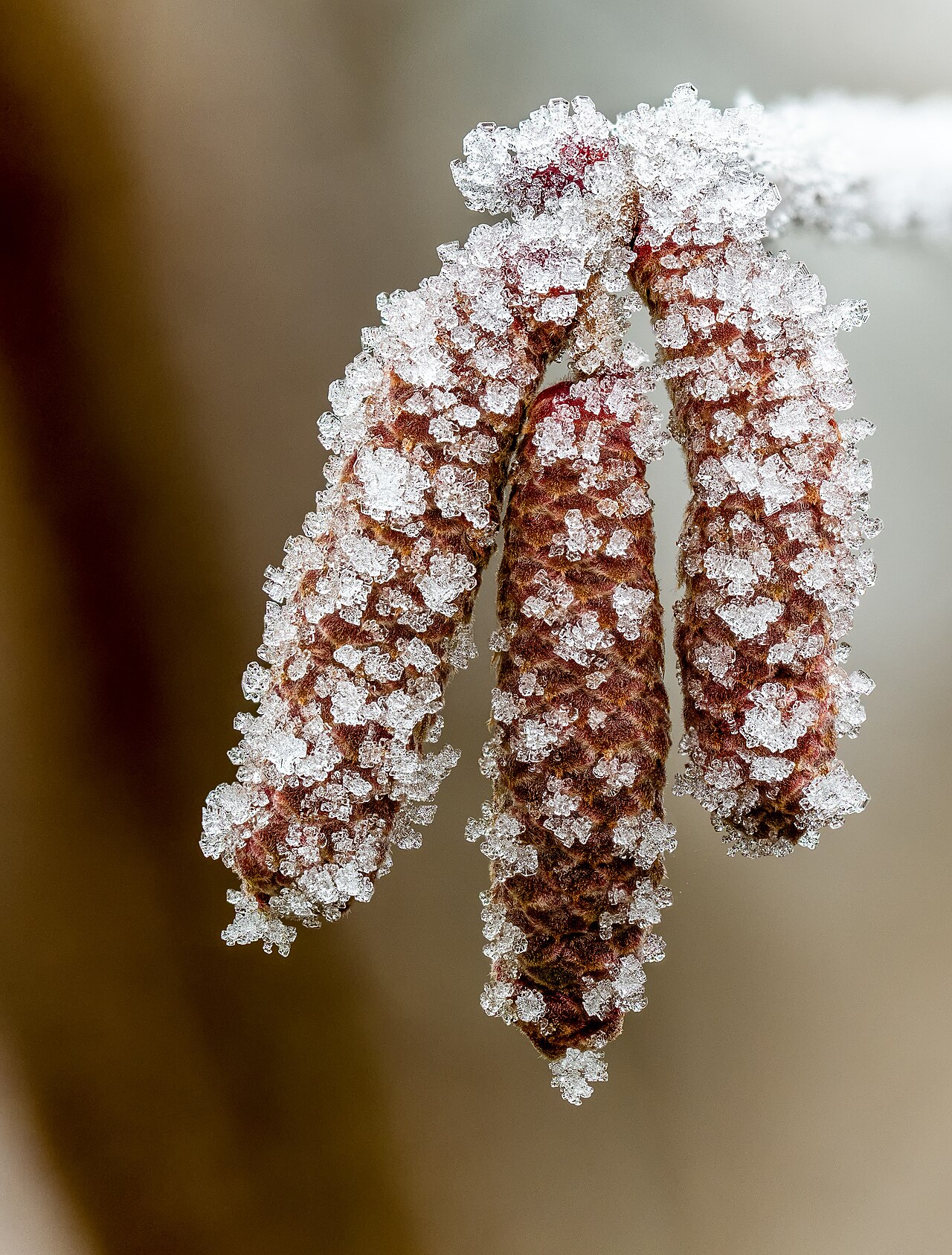
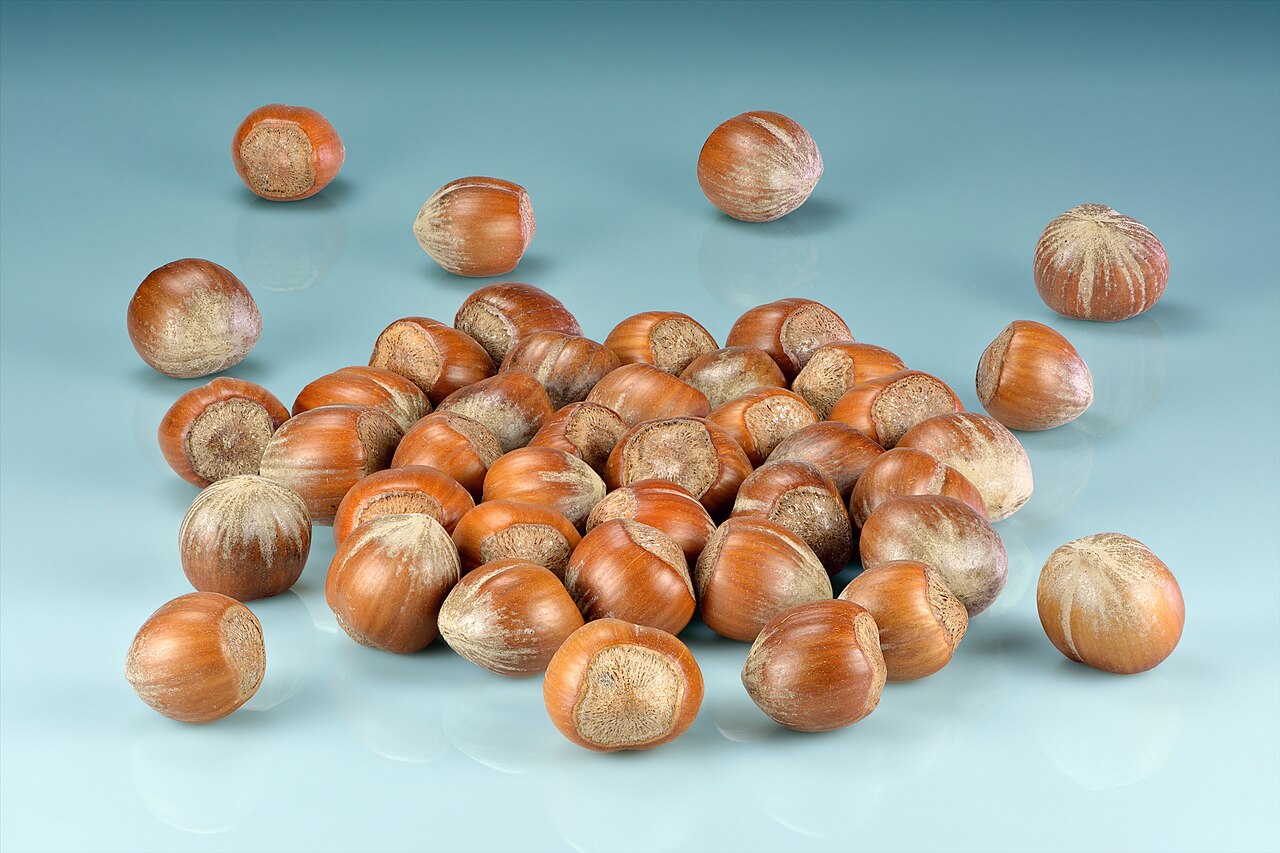
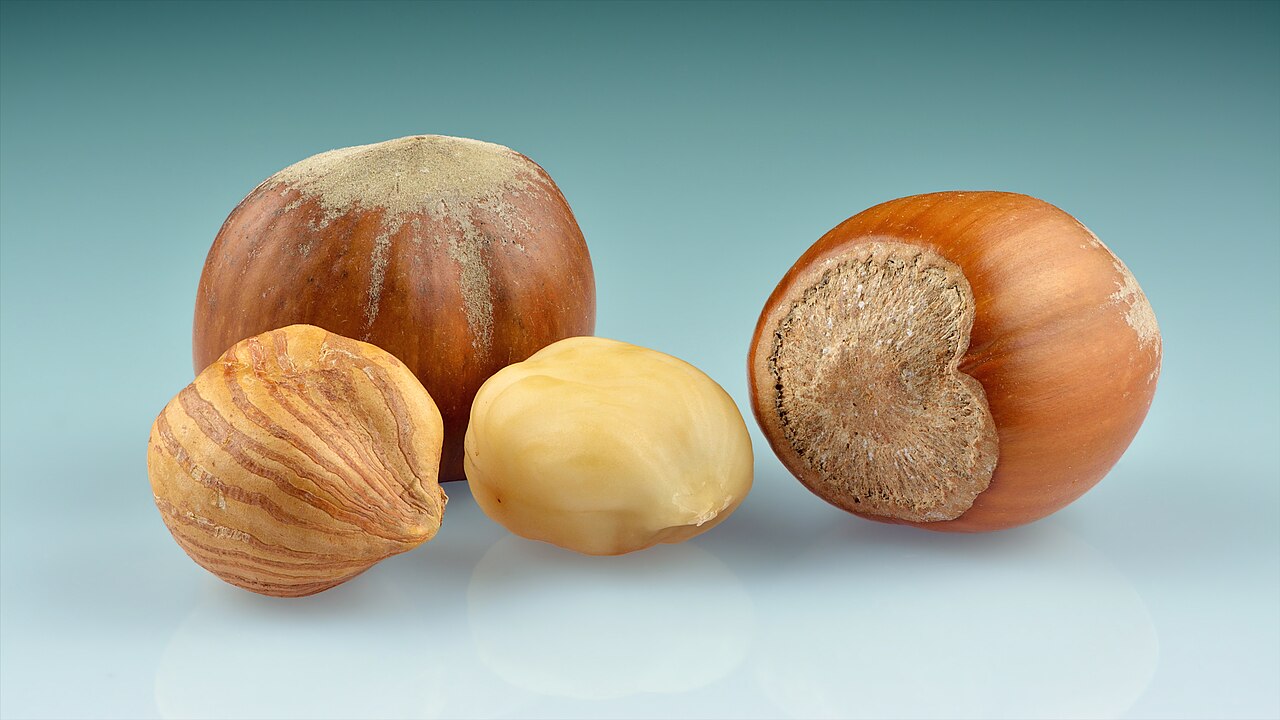
Why this variety
Barcelona is the hazelnut that built the American industry, and for a long time it was simply what a hazelnut was: the most widely planted European variety in the country, heavy-bearing, with large, round, smooth-shelled nuts and a fine, rich flavor. A mature bush grows 15–18 feet tall and wide, vigorous and upright, and in a good year it can pile on the nuts — one older listing credits it with up to 40 pounds per bush, though it warns the crop can run biennial, a feast one year and a shrug the next.
So why did the industry move on? One disease: eastern filbert blight. Barcelona is more resistant than the old ‘Daviana’ pollinizer, but Oregon State is blunt that it can still become severely diseased over a longer exposure, and in the East the blight is the reason whole orchards failed. Planting Barcelona today is a knowing trade: the classic nut, the classic flavor, and a disease risk you manage rather than ignore. If blight is already in your area, Jefferson is the honest recommendation; if you plant Barcelona anyway, plant it with your eyes open and your pruners sharp.
Barcelona also asks for chill — around 800 chill hours — and for a pollination partner. Its winter blossoms are hardy to about 15°F, and it is an early bloomer, so a compatible partner such as Casina or Duchilly (or another filbert variety that overlaps its bloom) is required for good fruit set; plant partners close, within about 60 feet, because hazel pollen travels on the wind, not on bees. If you are new to choosing between cultivars, the Varieties Matter guide explains why the name after the plant matters as much as the plant itself.
Florida honesty: this is a North Florida trial plant, not a statewide promise. European hazelnut needs winter chill and cool summers that most of the state simply does not offer, so treat any planting south of the Panhandle as an experiment with a shrug built in, and give it the coolest, best-drained spot you have.
How to grow
Plant Barcelona in full sun — with afternoon shade in hot climates, where its leaves and bark can sunburn — in well-drained, fertile soil, and give it the full 15–18 feet it wants at maturity. It trains easily to either a multi-stemmed shrub or a small tree form; the tree form is tidier for harvesting and mowing, the shrub form is the classic hedgerow look. Work worm castings into the planting hole, mulch well, and be patient: seedlings can take 7–10 years to bear, while layered or grafted plants fruit sooner, which is one more reason to buy a named, propagated plant rather than a mystery seedling.
Prune in late winter: remove dead and crossing wood, thin the center for air and light, and cut out any blight cankers well below the swelling, disinfecting tools between cuts. Keep suckers in check unless you want a thicket, and do not prune hard in spring, when you would be cutting off the flowering wood that carries the crop.
Water & feeding
Water to establish, then keep moisture steady through the growing season — drought during nut fill means small, poorly filled kernels, and Barcelona’s big nuts need the water to live up to their size. Mulch to hold moisture, water at the soil line, and avoid waterlogging, which hazels tolerate better than most fruit trees but still do not love. Feed lightly in spring; castings at planting plus a modest annual feed is the program, since heavy feeding buys leaves, not nuts.
Common problems
- Eastern filbert blight — Barcelona’s defining risk; scout every year, prune out cankers promptly, and consider Jefferson if blight is established nearby.
- Sunburn in hot climates — leaves and bark scorch in fierce afternoon sun; give it afternoon shade where summers are brutal.
- Biennial bearing — a huge crop one year can mean a light crop the next; steady water and light annual pruning soften the swing.
- Suckers and thicket creep — remove unwanted basal suckers or the shrub will colonize its neighbors.
- Squirrels and jays — the crop disappears fast once nuts ripen; harvest promptly or share generously.
Harvest
Harvest in late summer into early autumn, when the nuts sit loose in their husks and drop or twist free with a gentle tug — Barcelona is noted as ready self-husking, which makes picking a pleasure rather than a wrestling match. Husk promptly, dry in a single layer in a warm, airy spot for a week or two until kernels snap cleanly, and store in the shell somewhere cool and dry, where they keep for months. The big, round, easy-to-crack nuts are the classic eating and baking hazelnut: roast them, grind them for praline, or eat them straight, which is the fate of most of the crop in a home garden.
Do not pick green: under-ripe nuts shrivel in storage and taste starchy. And do not leave fallen nuts on wet ground, where mold moves in quickly — gather often during the drop, dry thoroughly, and the winter pantry is sorted.
Back to the European Hazelnut growing guide
Browse all plant & pest guides
Saving seeds
Barcelona is a named variety, so seed saved from it won’t come true — buy a layered or grafted plant instead. The Saving seeds section of the European Hazelnut guide covers seed for the straight species.