
🕯️ Bayberry
What it looks like
How to grow
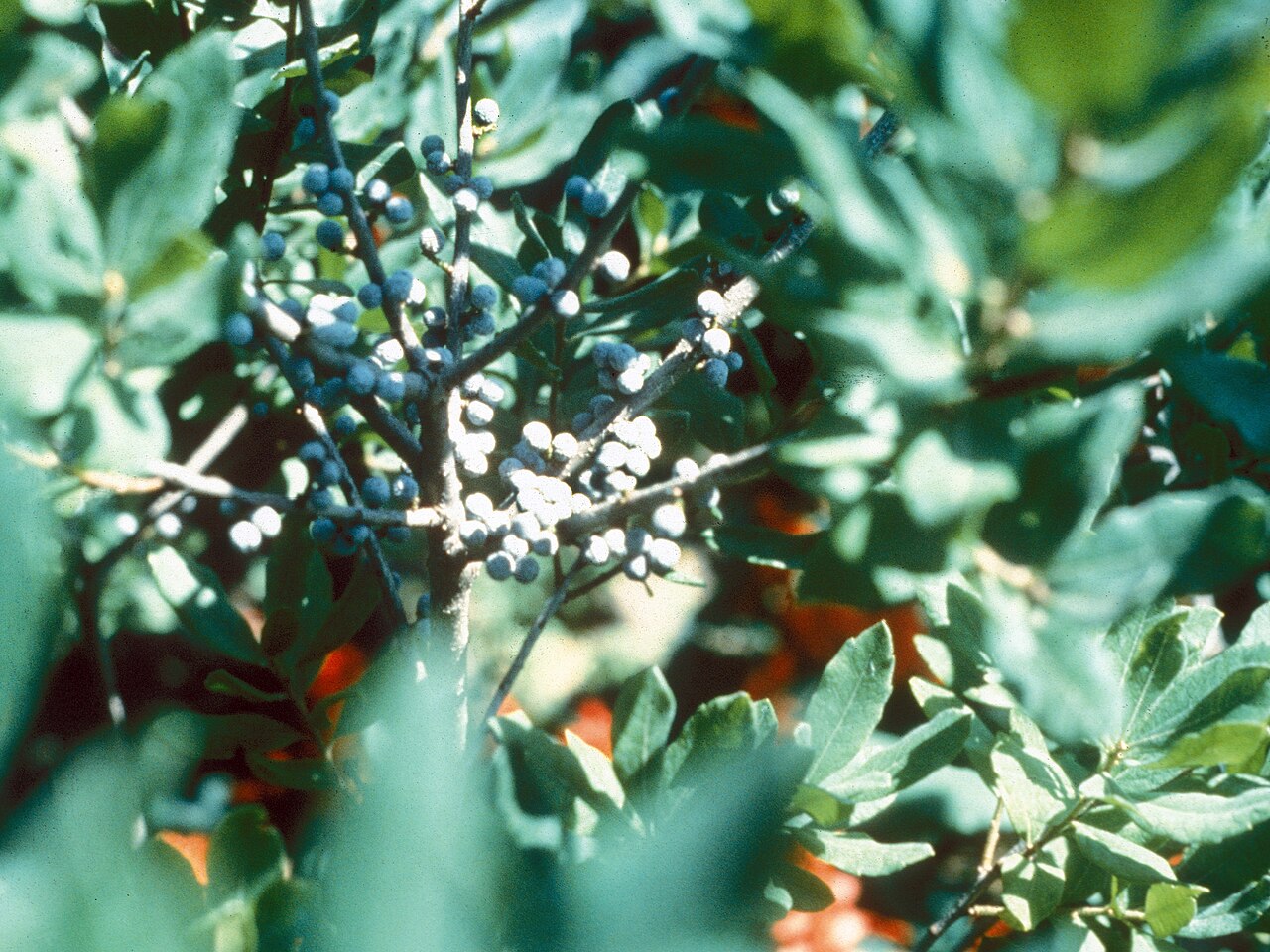
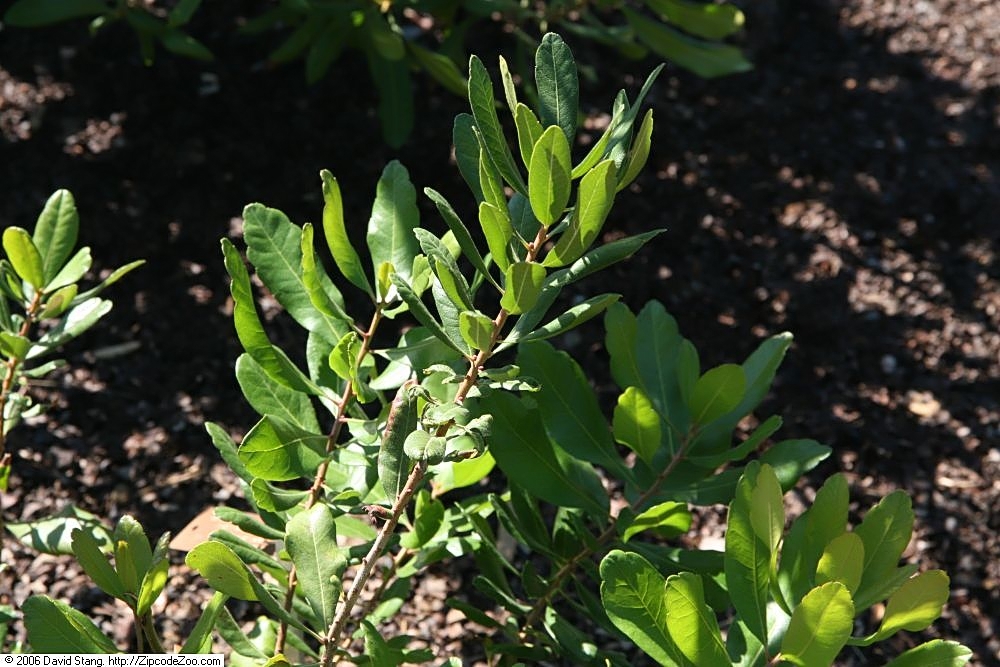
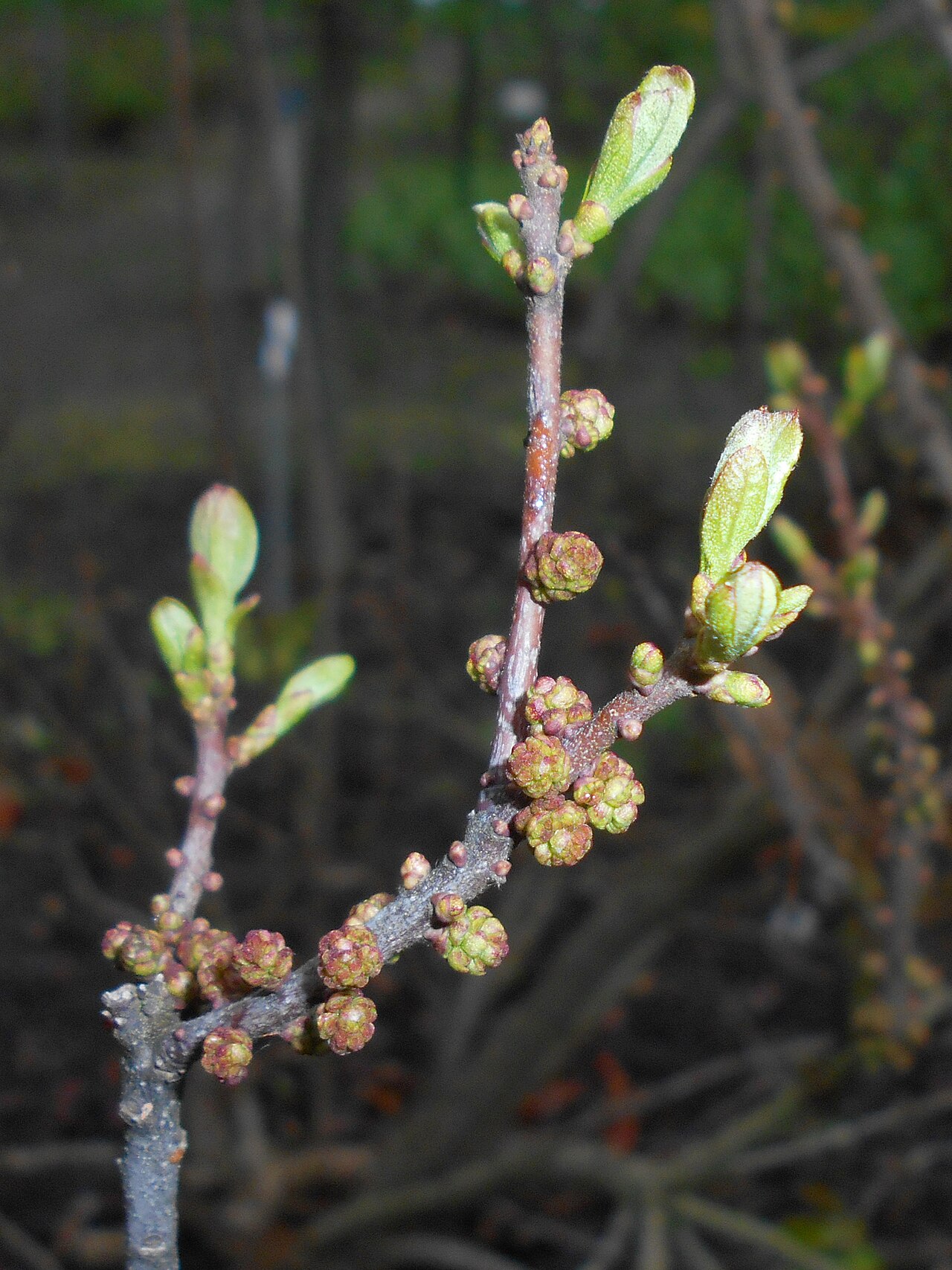
Northern bayberry is a semi-evergreen to deciduous native shrub, typically 5–6 feet tall and wide (occasionally to 10 feet), with leathery, aromatic dark green leaves, inconspicuous spring catkins, and waxy gray-green berries that persist through winter for birds. Plant in spring or fall in well-drained sandy or loamy soil — it excels on dry, sandy, infertile coastal soils where other shrubs fail, tolerates salt spray, wind, and wet soil, and fixes atmospheric nitrogen through root nodules, so it actually improves poor ground. Bayberry is dioecious: female plants bear the berries, but only if a male plant grows nearby, so plant roughly 20 percent males for good fruit set, or buy sexed varieties if berries are the priority. It suckers and forms colonies, which makes it excellent for massing, hedges, and bank stabilization — and a plant to site where spreading is welcome.
Water & feeding
Water regularly while establishing, then water only in drought — bayberry is drought-tolerant and handles poor soil with ease. Do not fertilize: added nutrients mostly feed competing weeds, and the plant makes its own nitrogen. Mulch new plantings to hold moisture and suppress weeds until established.
Common problems
- Chlorosis (yellow leaves) on high-pH soil — bayberry prefers acidic ground; avoid alkaline soils or amend toward acidity.
- No berries — usually no male plant nearby, or all plants are male; add the missing sex.
- Suckering beyond bounds — mow or cut unwanted shoots; use the colony habit deliberately for screens and masses.
- Slow start in weedy ground — bayberry competes poorly with established vegetation, so plant into cleared, mulched soil.
Harvest
Berries ripen in late summer and persist through winter; traditionally their wax was skimmed for bayberry candles, which takes a great many berries for very little wax — a fun project, not a production plan. For most gardeners the real harvest is the winter bird traffic: leave the berries on the shrub and enjoy the show.
Browse all plant & pest guides
Saving seeds
Bayberry seed-saving starts with a plot twist that the shrub itself wrote: northern bayberry (Morella pensylvanica) is dioecious, which is the botanical way of saying boys and girls live on separate plants. Only female plants make berries, and only if a male plant grows nearby to do the pollinating, so a lone female is a fragrant shrub with no seed crop at all. Check your planting before you plan a harvest: no male, no berries, no seeds, and no amount of optimism fixes that.
Collect the berries when they are ripe and waxy-gray, usually in autumn, and expect competition — birds treat a bayberry hedge as a winter pantry, so take your share and leave plenty for them. Rub the pulp off and, importantly, rub off as much of the waxy coating as you can; that wax is the seed’s raincoat, and in the wild it is birds’ digestive tracts and a winter on the ground that wear it away. A soak in warm water and a rub on a fine screen does the job at kitchen-table scale, and the old candle-making connection is no coincidence: that same wax once filled candle moulds.
Fresh seed sown in autumn, barely covered and kept moist, is the simplest route, because nature does the chilling for you. Stored seed needs a cold, moist stratification first, and here the sources disagree honestly: recommendations run from about a month to about three months in damp sand or peat in the refrigerator. Plan on the longer end, check the bag now and then for mould, and sow when the chill is done rather than watching the calendar like a train timetable. Germination is usually good once the wax and the winter have both been dealt with, but bayberry is slow — this is a shrub that takes several years to reach full size, so seed-grown plants are a long game, not a quick hedge.
Two more honest warnings. First, seed-grown bayberry is a sex lottery: you will not know whether a seedling is male or female until it flowers years later, so if you need guaranteed berries, buy a sexed plant or propagate a known female by cuttings or suckers instead. Second, named varieties will not come true from seed. Seed is for the straight species and for happy accidents; a cultivar’s exact character lives only in vegetative propagation. In Florida, where this zones 3–7 shrub is already gardening at the warm edge of its comfort zone, dry saved seed thoroughly before it goes into storage, keep it airtight with a desiccant, and store it cool and dark — Florida humidity turns a paper envelope in a shed into a mould farm.
Varieties
Every named variety of Bayberry with its own growing guide:
- Morton Bayberry — The fruiting bayberry, selected: a dense, broad-oval female clone with gray-green leaves and waxy berries for birds and candles.
- Myda Bayberry — The fruiting female clone: a named female bayberry for gardeners who want berries on purpose, not by seedling lottery.