
🕯️ Morton Bayberry
What it looks like
Why this variety
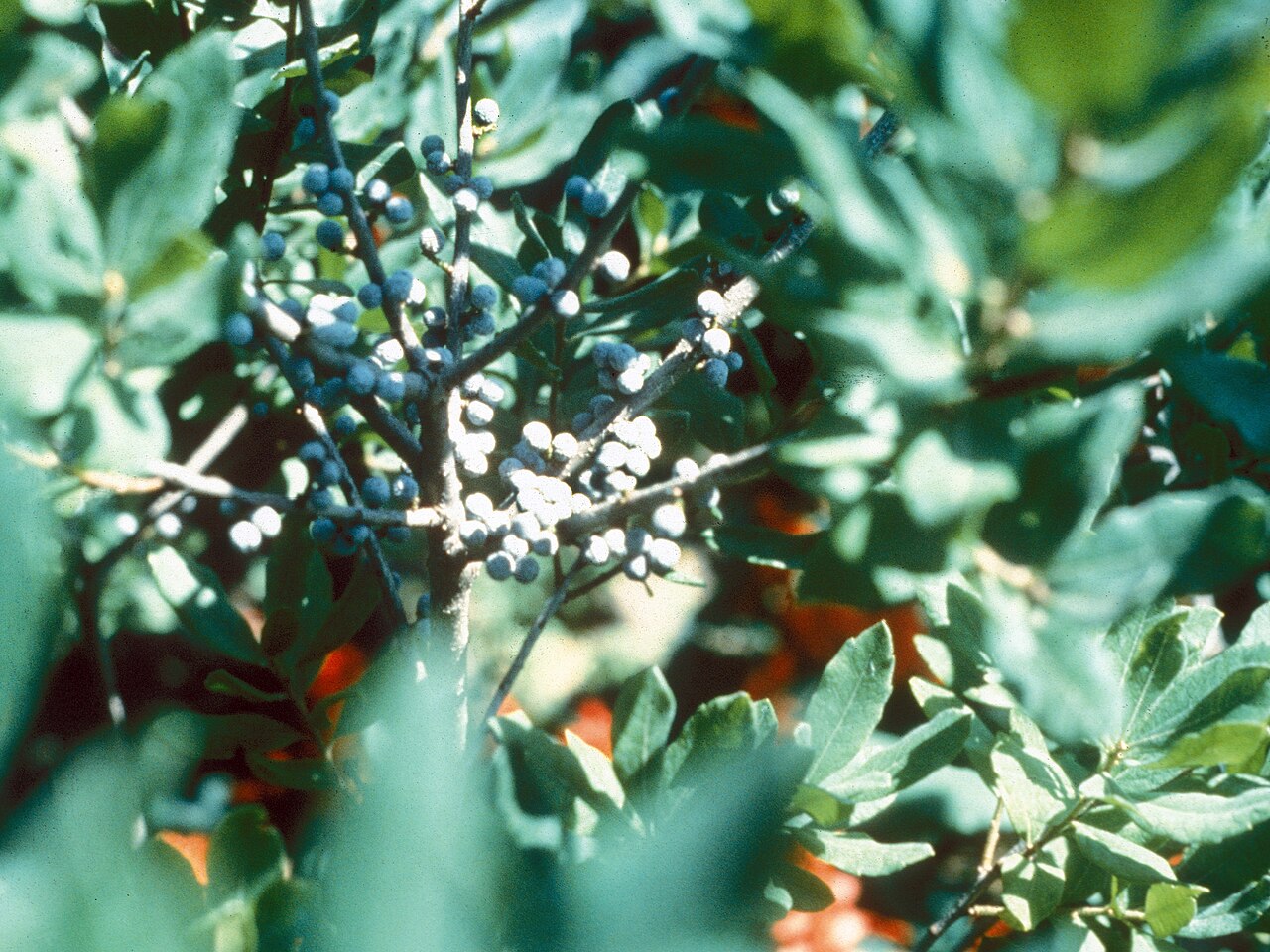
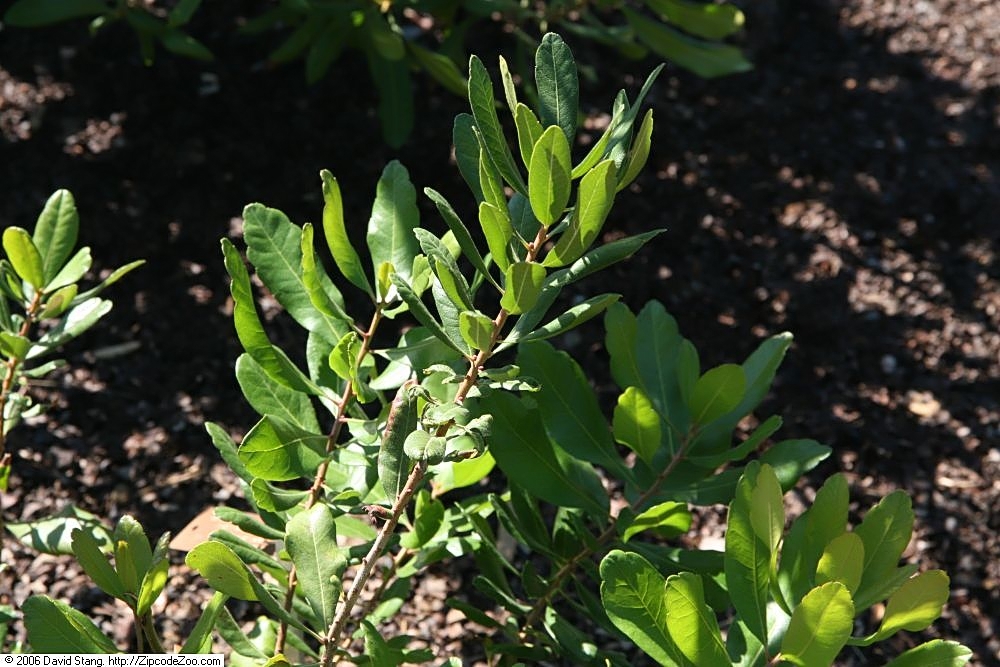
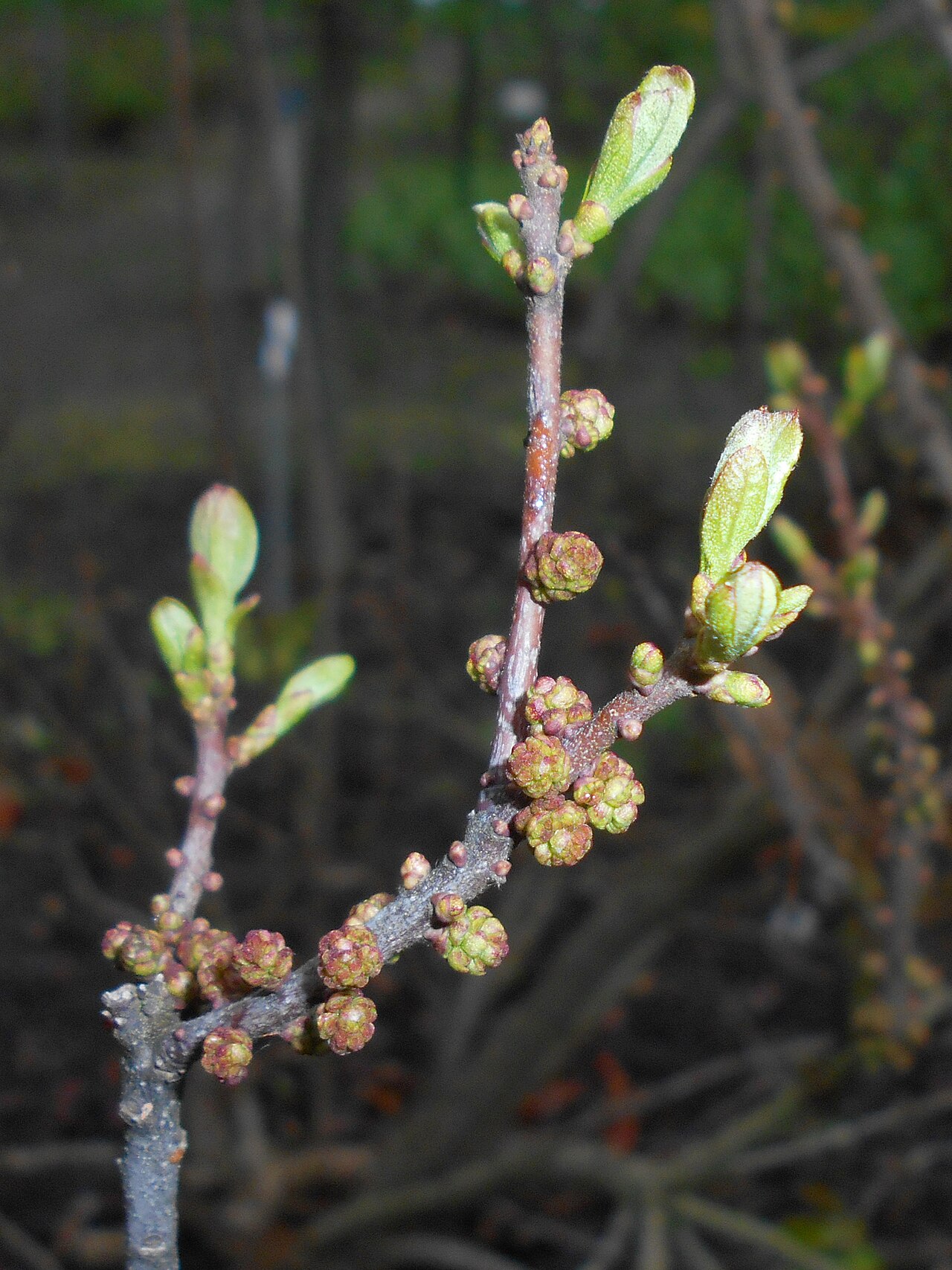
Morton, sold as Silver Sprite, is northern bayberry with a name and a job: a female fruiting clone selected in Illinois, forming a dense, broad-oval mound about five feet tall and wider, with gray-green, aromatic leaves and the waxy gray-green berries that make bayberry famous — berries that persist through winter for birds and that once supplied bayberry candle wax. The selection matters because bayberry is dioecious: a female clone like Morton fruits only with a male nearby, and a named female guarantees berries where a seedling mass might give you all males and no fruit. Plant Morton with a male pollinator, and you get the berries, the fragrance, and the form, on purpose.
The trade-off is sex, salt, and slowness. Bayberry needs both sexes for berries — Morton alone gives you foliage and fragrance but no fruit — and it is slow-growing, taking several years to reach full size, so do not plant it for an instant hedge. It also fixes its own nitrogen, which means it thrives in poor, sandy, salty soil where other shrubs starve, but it does not need rich soil or heavy feeding, and overfeeding makes it leggy. Give it sun, drainage, and a male nearby, and leave it alone: bayberry is a shrub that prefers neglect to attention.
If you are new to choosing between cultivars, the Varieties Matter guide explains why the name after the plant matters as much as the plant itself. Morton is a perfect example: it is not just a bayberry in the abstract, it is a bayberry with a specific job, a specific history, and specific strengths.
Florida honesty: northern bayberry is a North Florida trial at best, not a statewide plant — its range is zones 3-7, and Florida’s heat and humidity are not its home weather. In the coldest corners of North Florida, try Morton in full sun with sandy, well-drained soil and a male pollinator, and count berries as a bonus. For most Florida gardeners, the bayberry to plant is southern wax myrtle, a different species that actually loves Florida heat, and this guide says so plainly rather than selling a northern shrub to a southern garden.
How to grow
Plant in spring or fall in full sun to partial shade, in well-drained, even poor, sandy soil — bayberry fixes its own nitrogen, so it wants lean soil, not a fertilized bed. Work a little worm castings into the planting hole, mulch lightly, and always plant a male pollinator near female fruiting clones, because bayberry is dioecious and females fruit only with a male nearby. Water to establish, then leave it alone: bayberry prefers neglect to attention.
Set plants 4-6 feet apart in soil with a pH around 5.0-7.0. Work worm castings into the bed at planting and mulch to hold moisture. A well-fed bayberry plant rewards that care directly: steadier growth, better bloom, and a show that actually shows up.
Water & feeding
Water to establish, then water sparingly — bayberry is drought-tolerant once established and thrives in poor, sandy soil, so overwatering is the mistake to avoid. Water at the soil line, do not mulch heavily, and feed almost never: bayberry fixes its own nitrogen, and fertilizer makes leggy growth instead of a dense shrub. In a drought, occasional deep watering keeps it vigorous; in a wet summer, drainage is the care program.
Common problems
- No berries without a male — bayberry is dioecious; a female alone gives foliage and fragrance but no fruit.
- Slow growth — bayberry takes several years to reach full size; judge it in year three, not year one.
- Leggy growth in rich soil — bayberry fixes its own nitrogen; fertilizer makes soft, leggy growth, not a dense shrub.
- Heat failure south of its range — northern bayberry wants cool winters; Florida heat outside North Florida ends it.
- Leaf spot in wet, crowded plantings — space for air, water at the soil line, and remove affected leaves.
Harvest
There is no food harvest for people — bayberry berries are waxy, bitter, and grown for birds, not for eating. The traditional harvest is wax: colonists boiled berries to skim bayberry wax for candles, a laborious process that took fifteen pounds of berries for a pound of wax. Leave berries standing through winter for birds, prune lightly in spring for shape, and enjoy the fragrance, which is bayberry’s real harvest.
Browse all plant & pest guides
Saving seeds
Morton, sold as Silver Sprite, is northern bayberry with a name and a job: a female fruiting clone selected in Illinois, forming a dense, broad-oval mound about five feet tall and wider, with gray-green, aromatic leaves and the waxy gray-green berries that make bayberry famous — berries that persist through winter for birds and that once supplied bayberry candle wax. The selection matters because bayberry is dioecious: a female clone like Morton fruits only with a male nearby, and a named female guarantees berries where a seedling mass might give you all males and no fruit. As a named female clone it is kept true by cuttings, not by seed: plant in spring or fall in full sun to partial shade, in well-drained, even poor, sandy soil, and always plant a male pollinator near female fruiting clones. The full method is in the Saving seeds section of the Bayberry guide.