
🦋 Belleza Dark Pink Gaura
What it looks like
Why this variety
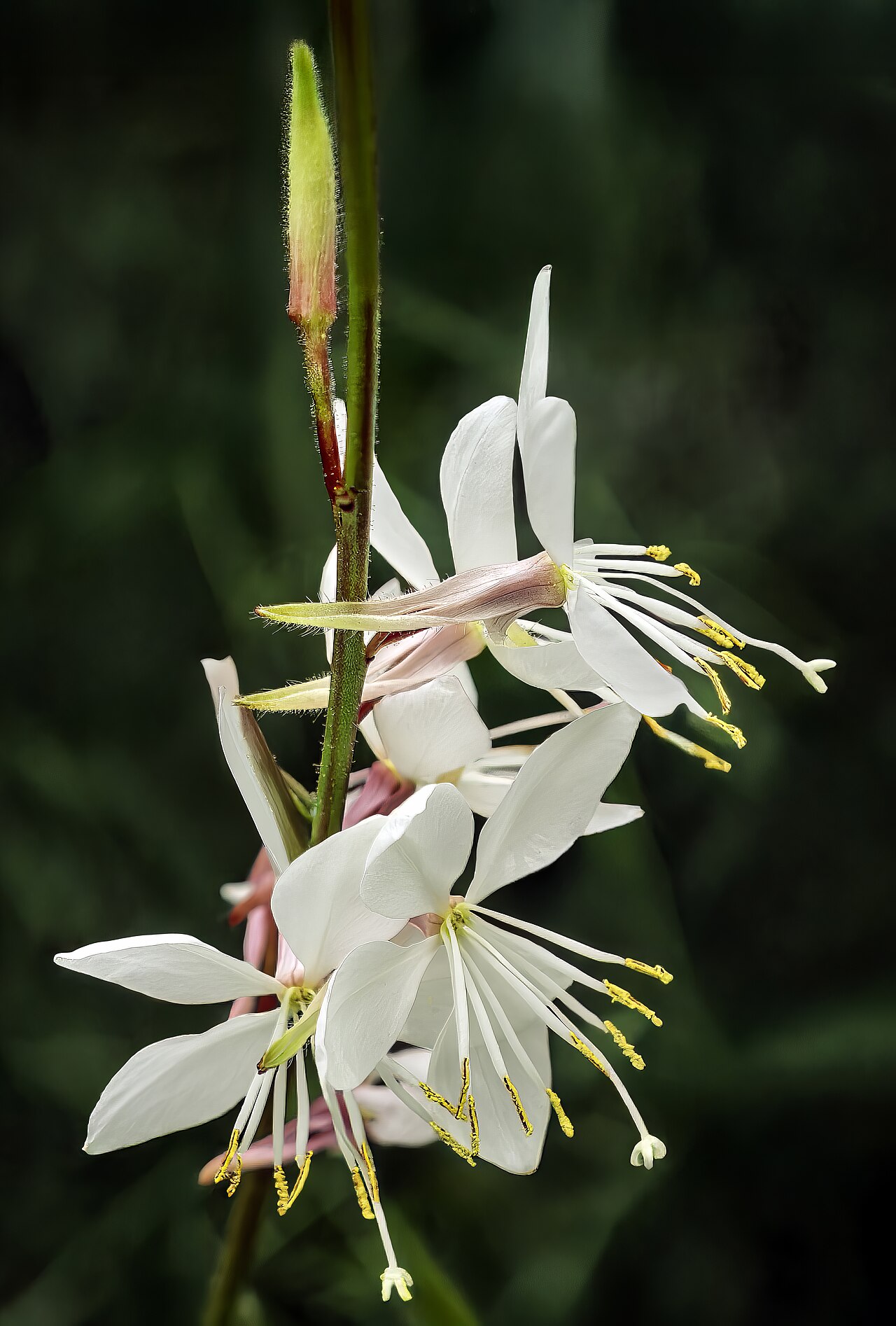
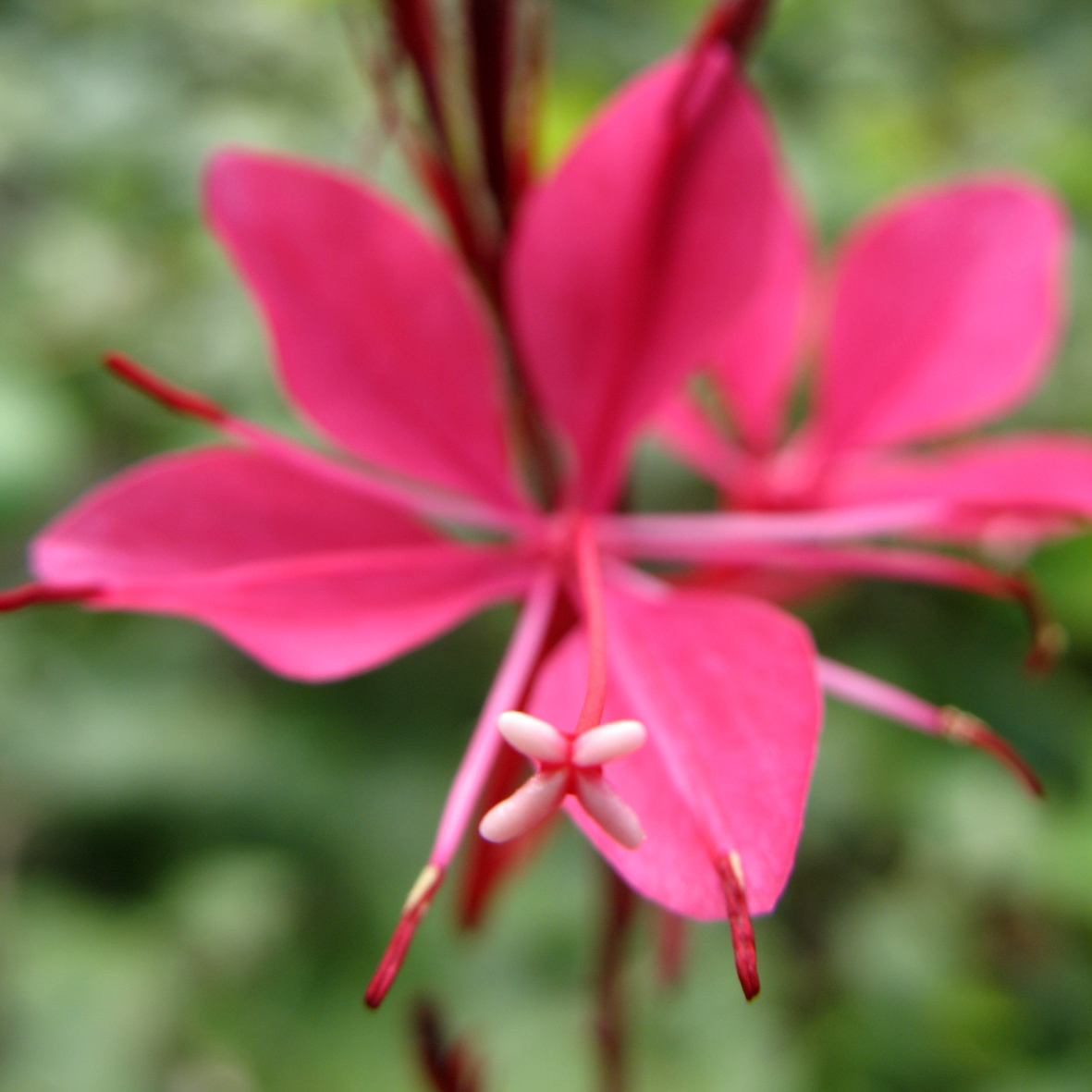
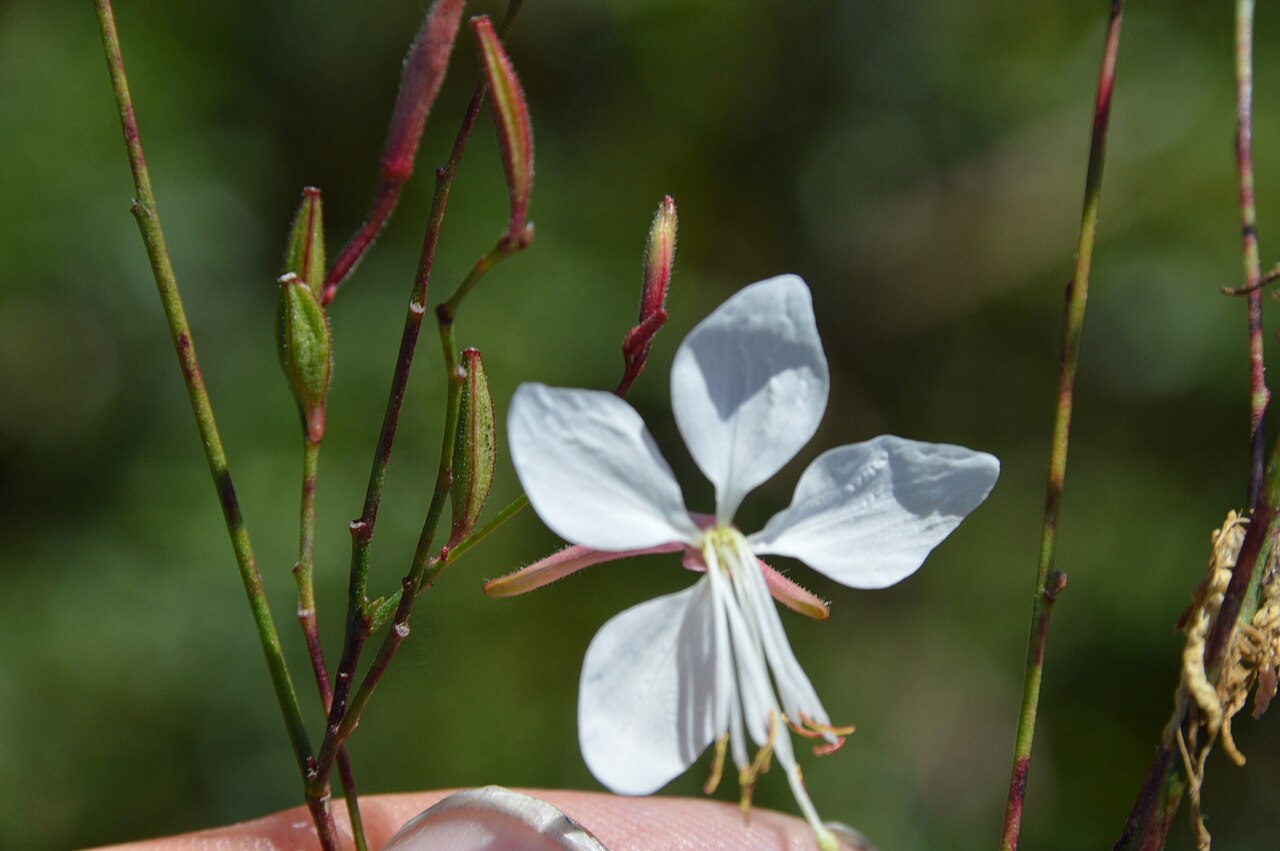
Belleza Dark Pink is the gaura for small gardens: the same butterfly flowers and dancing wiry stems as Whirling Butterflies, but in deep pink, on compact plants about 12 to 18 inches tall, bred in the Belleza series for pot and small-bed use. Dark pink gaura reads warmer and richer than white, pairs beautifully with silver foliage and purple companions, and blooms from summer until frost without the sprawl that makes tall gaura a back-of-border plant. It is the gaura to plant where Whirling Butterflies would swallow the bed.
The trade-off is scale, not quality: Belleza Dark Pink will not make the big billowing cloud that tall gaura makes, and in a large border it can look a little polite. Plant it in drifts, in containers, or at a path edge where its dancing flowers can be seen up close, give it sun and sharp drainage, and cut back lightly in midsummer for rebloom. Do not overfeed it — rich soil makes leggy gaura with fewer flowers.
If you are new to choosing between cultivars, the Varieties Matter guide explains why the name after the plant matters as much as the plant itself. Belleza Dark Pink is a perfect example: it is not just a gaura in the abstract, it is a gaura with a specific job, a specific history, and specific strengths.
Florida honesty: gaura is a genuine statewide plant in Florida, and Belleza Dark Pink’s compact size makes it the easiest gaura to grow in the state — a pot with sharp drainage on a sunny patio blooms from summer until frost with almost no care. Give it sun, drainage, and a midsummer trim, and it will dance through Florida heat that flattens fussier perennials.
How to grow
Plant in spring in full sun and sharply drained, even lean soil — gaura is a sun-and-drainage plant that rots in rich, wet soil and flops in shade. Work a little worm castings into the bed at planting, do not overfeed it, and space for air and movement: gaura is airy, not dense, and it shines planted through other perennials rather than alone. Cut back by half in midsummer for a tidier rebloom.
Set plants 12-15 inches apart in soil with a pH around 6.0-7.5. Work worm castings into the bed at planting and mulch to hold moisture. A well-fed gaura plant rewards that care directly: steadier growth, better bloom, and a show that actually shows up.
Water & feeding
Water to establish, then water sparingly — gaura is drought-tolerant once established and rots in wet soil. Water at the soil line, do not mulch heavily, and feed lightly: castings at planting is usually enough, because rich soil makes floppy gaura with fewer flowers.
Common problems
- Flopping in rich, wet soil — lean soil and sun make sturdy gaura; overfeeding makes leggy gaura.
- Enthusiastic self-seeding — volunteers appear freely; edit seedlings in spring or welcome the drift.
- Airy habit disappointing as a filler — gaura adds sparkle, not mass; plant it through companions, not alone.
- Rot in wet soil — gaura’s killer in humid climates; plant in sharp drainage or raised beds.
- Short life in wet winters — gaura is short-lived where winters are wet; let it seed for replacements.
Harvest
Cut stems for bouquets from summer into fall, when butterfly flowers are fully open — gaura lasts a few days in water and its airy stems suit loose, wildflower-style arrangements. Cut back by half in midsummer for a tidier rebloom, deadhead lightly or let plants seed for next year’s drift, and divide congested clumps in spring every few years.
Browse all plant & pest guides
Saving seeds
Belleza Dark Pink is a bred series selection, so seed saved from it won’t come true — buy a nursery plant instead. The Saving seeds section of the Gaura guide covers seed for the straight species.