
🍈 Bennett Soursop
What it looks like
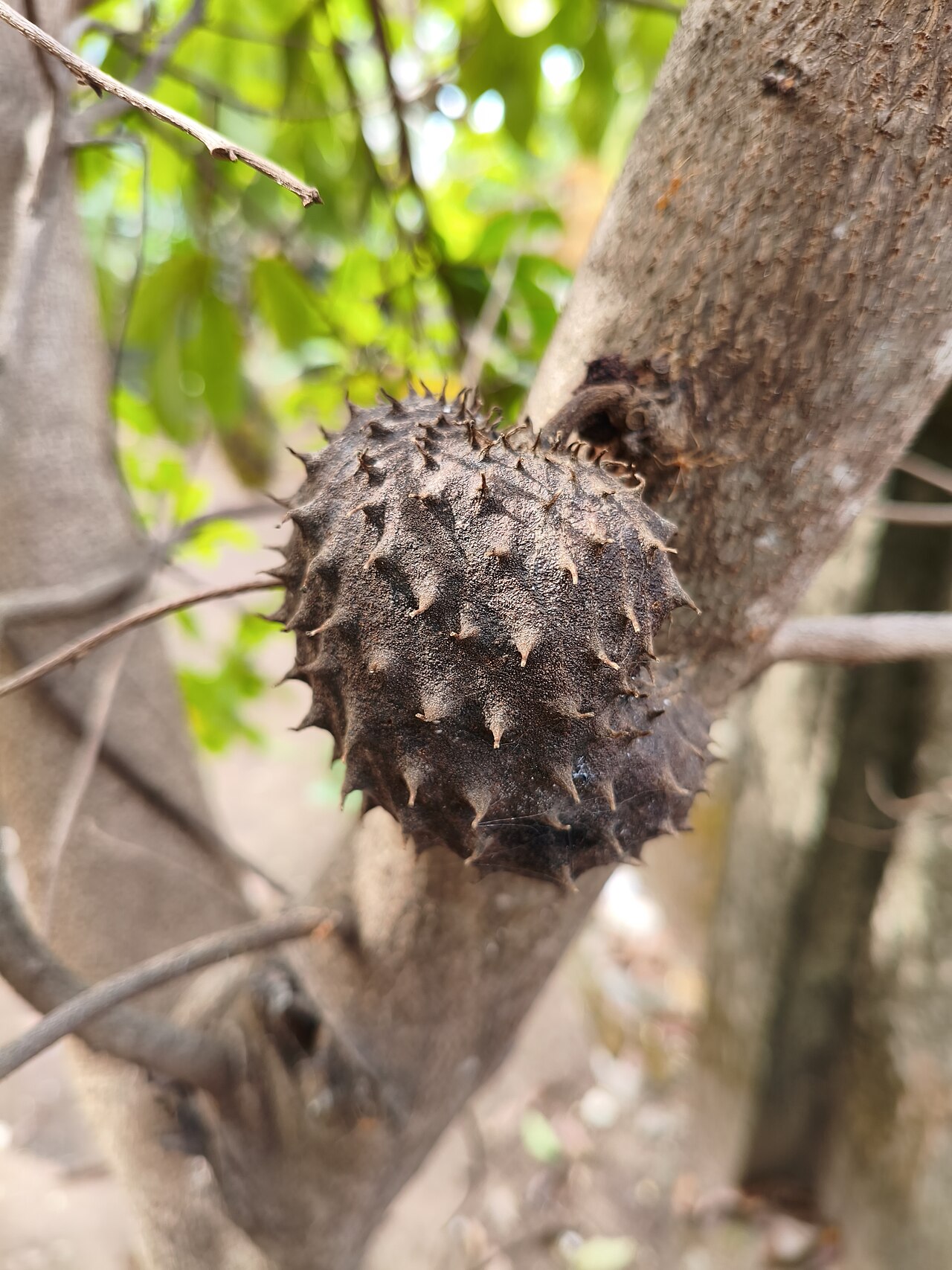
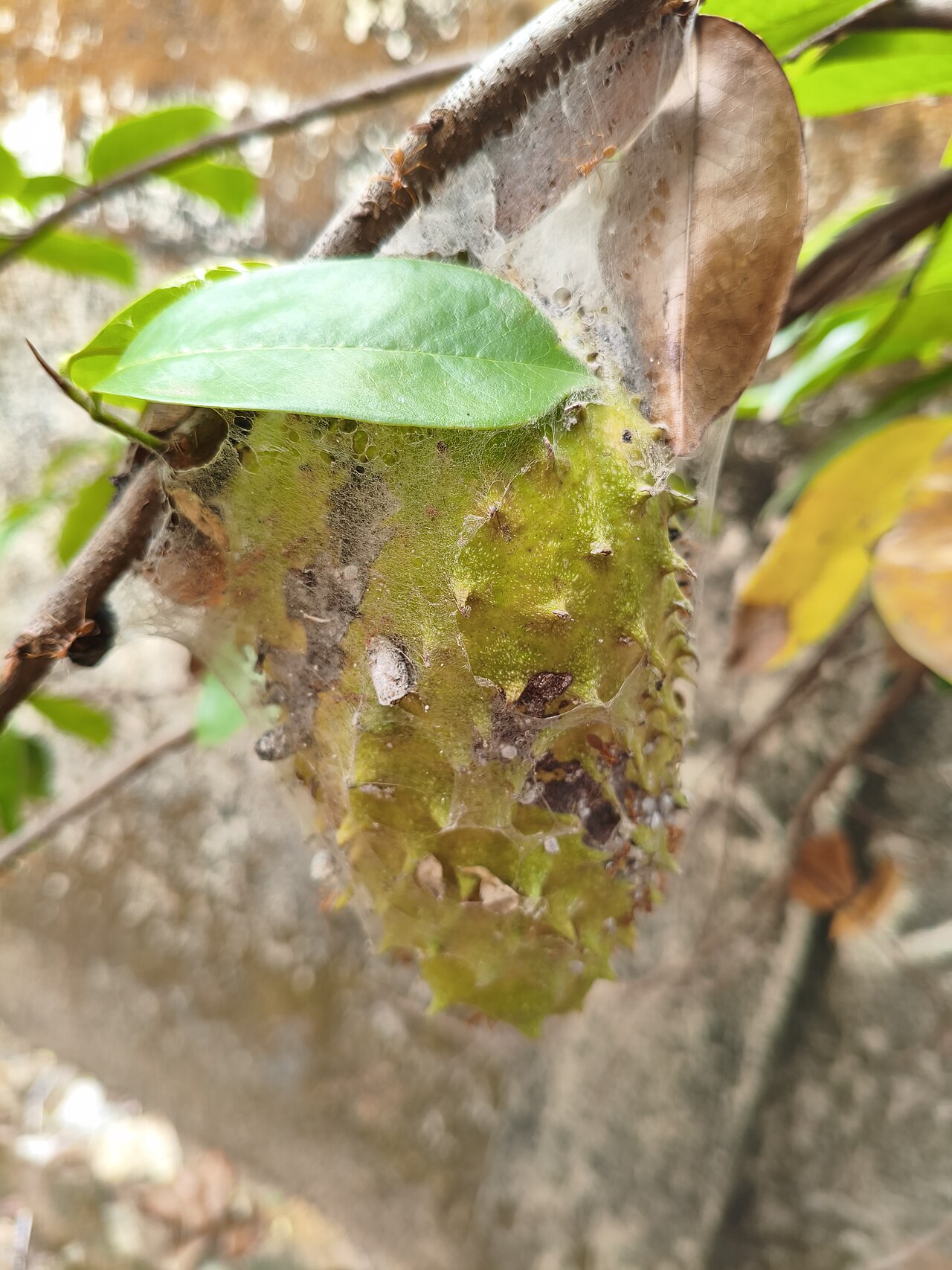
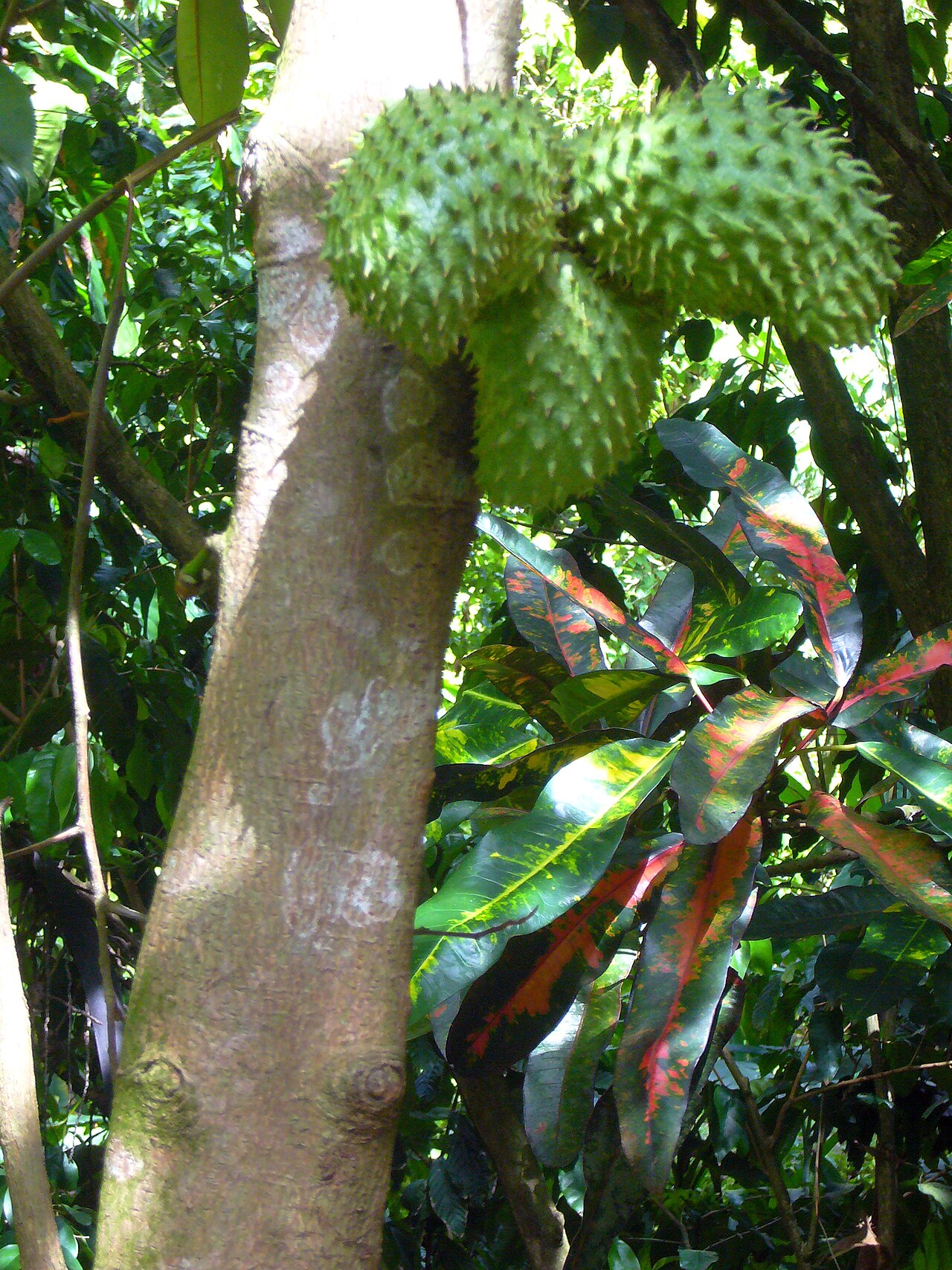
Why this variety
Bennett is the soursop for gardeners who want history: a blue-green-skinned type introduced to Florida in 1920, listed by the University of Hawaii’s soursop publication among the popular cultivars alongside Morada, Cuban Fibreless, and Sirsak Ratu, with the distinction of being Florida’s oldest named soursop introduction. Its fruit is large and sweet-tart, its skin is an unusual blue-green rather than the usual green, and its century in Florida groves makes it the soursop that old-timers remember. If you want soursop with a Florida pedigree that predates most Florida groves, Bennett is the one to plant — and its blue-green skin makes it recognizable in a market full of green soursops.
The trade-off is rarity and tropicality: Bennett is less commonly sold than Cuban Fiberless or Whitman Fiberless, so finding grafted stock takes a search through South Florida rare-fruit nurseries, and it is still a zone 10 to 11 tree with no frost tolerance. Give it full sun, well-drained soil, and steady water, protect it from cold wind, and pick fruit when it softens on the tree. In Florida, Bennett belongs in South Florida ground only, and its historic, blue-green fruit is the reward for tracking down a grafted tree and giving it the warmth it has enjoyed in Florida since 1920.
If you are new to choosing between cultivars, the Varieties Matter guide explains why the name after the plant matters as much as the plant itself. Bennett is a perfect example: it is not just a soursop in the abstract, it is a soursop with a specific job, a specific history, and specific strengths.
Florida honesty: soursop is a South Florida fruit, and Bennett, as a 1920 introduction, has proven itself in South Florida groves for a century — but it is still a zone 10 to 11 tree with no frost tolerance. In South Florida, plant it in full sun and well-drained soil, water steadily, and buy grafted stock from a rare-fruit nursery. Elsewhere in Florida, do not plant it in the ground. Bennett is a historic South Florida fruit, and historic South Florida fruit should be planted in South Florida, which is the whole honest story.
How to grow
Plant a grafted tree in spring, in full sun and well-drained, moderately rich soil — soursop wants warmth, sun, and drainage, and it has no frost tolerance at all. Work worm castings and compost into a wide planting hole, stake for the first year or two, mulch thickly, and space for a tree 15 to 25 feet tall. Protect young trees from cold wind, water deeply at planting, and do not plant soursop where frost comes, because a single hard freeze can kill it to the ground. Prune lightly to keep it at picking height, because a soursop picked from a ladder is a soursop dropped.
Set plants 15-20 feet apart in soil with a pH around 6.0-7.0. Work worm castings into the bed at planting and mulch to hold moisture. A well-fed soursop plant rewards that care directly: steadier growth, better bloom, and a show that actually shows up.
Water & feeding
Water deeply and regularly while fruit develops — soursop wants steady moisture through the growing season, and drought causes fruit drop and small fruit. Water at the soil line, mulch thickly to hold moisture, and feed regularly: castings and compost in spring plus a balanced fruit-tree feed through fruiting. Once established, soursop tolerates short dry spells, but a tree that dries out while fruit swells will drop its crop. In winter, reduce water slightly for trees in cool weather, and do not fertilize a cold-stressed tree.
Common problems
- Frost — kills to the ground; soursop is a tropical tree for frost-free ground, and nowhere else in Florida.
- Fruit picked green — soursop does not ripen well off the tree; pick only when it softens on the tree, or fruit will stay bland and hard.
- Anthracnose and fruit rot in wet weather — improve airflow with light pruning, pick fruit promptly when ripe, and remove rotted fruit from the tree.
- Poor fruit set on seedlings — seedlings vary wildly and often fruit poorly; buy a grafted, named selection for known fruit quality.
- Mealybugs and scale in humid, crowded canopies — prune for airflow, treat with horticultural oil, and encourage predators before spraying.
Harvest
Pick fruit when it softens and yields slightly on the tree, and the skin turns from dark green to a lighter, yellowish-green — soursop picked green stays hard and bland, and soursop picked ripe is soft, fragrant, and custardy. Eat fresh with a spoon, scooping the smooth pulp and discarding seeds, or blend into juices, ice creams, and smoothies, which is how most soursop is enjoyed. Eat promptly, because ripe soursop keeps only a few days, and freeze pulp for later use — a soursop tree in full crop feeds a neighborhood, so share the surplus before it softens past its prime.
Browse all plant & pest guides
Saving seeds
Bennett is a named cultivar, so seed saved from it won’t come true — plant a grafted tree instead. The Saving seeds section of the Soursop guide covers seed for the straight species.