
🍊 Bergamot Orange
What it looks like


Why this variety
First, the parentage, up front where it belongs: bergamot is a sour-orange hybrid — a cross of sour orange with lemon or citron, with the exact progenitors still debated in the literature. It is filed here in the sour-orange group, not as a lemon guide, and this is its one guide; you will not find a second bergamot guide hiding under lemons.
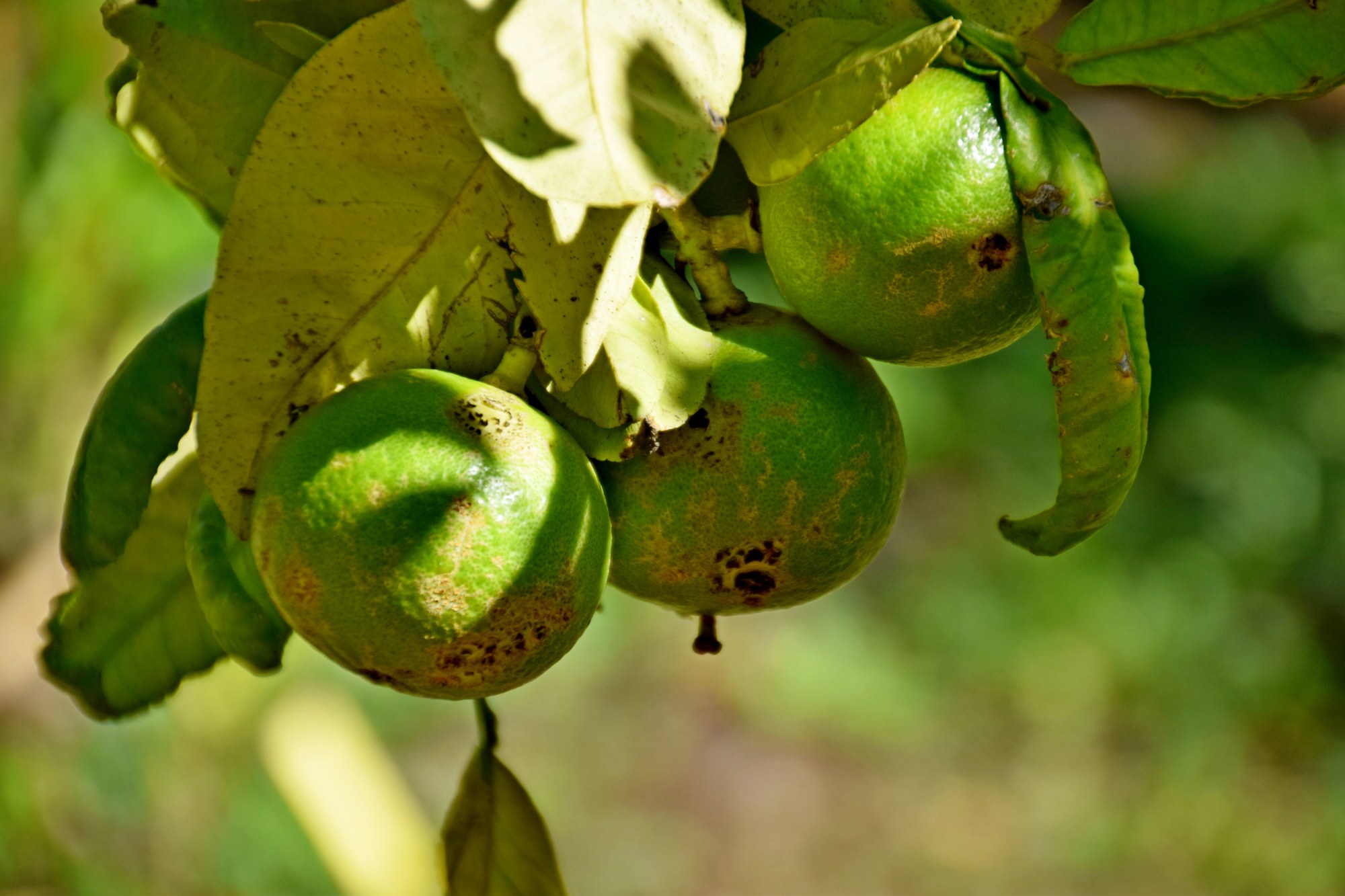
Bergamot is the Earl Grey orange, and that one fact explains the whole tree. It is a small to medium, thornless, somewhat spreading tree with intensely fragrant white flowers and small to medium yellow fruit whose rind oil is so pungently aromatic that it flavors Earl Grey tea, perfumes, and cosmetics around the world. Almost all of it is grown in a small coastal district of Calabria in Italy, where the climate suits it so precisely that bergamot has become a place as much as a plant.
Do not plant bergamot expecting breakfast. The flesh is pale yellow, highly acid, and faintly bitter — a peel-oil and flavoring plant, not a fresh-eating orange. Its harvest is zest, juice for flavoring, and the oil itself; a home grower with a bergamot tree is growing a tea ingredient and a perfume ingredient, which is a far more interesting brag than another sweet orange anyway.
A note on Florida, stated plainly: bergamot is likely to grow in Florida — zones 8 to 11, and its sour-orange parent is Florida-hardy — but no Florida-specific trial was found, and no Florida seller was found. The large California nursery that sells it cannot ship citrus to Florida, so check with a Florida citrus nursery first, and grow it as a flavoring curiosity rather than a proven Florida crop.
How to grow
Plant bergamot in full sun in the warmest, sunniest, best-drained spot you have, with the graft union kept above the soil — citrus roots drown in standing water faster than almost any other fruit tree’s, and bergamot is no exception. Give it 12 to 15 feet of room; it is small to medium as citrus goes, but it still wants to be a tree, not a shrub, and crowding it costs you both fruit and airflow.
Start with certified disease-free nursery stock, because citrus greening (HLB), spread by the Asian citrus psyllid, is the defining challenge for every citrus tree in Florida. No variety here is greening-resistant, so buy clean stock, scout new flush for psyllids, and keep the tree vigorous. Container growing works for a young tree and lets you wheel it under cover for a freeze, which is worth considering at the colder edge of its range, but a bergamot grown for peel oil wants to reach full size in the ground. Prune lightly: dead wood out, canopy open enough for air, no hard annual haircuts.
Water & feeding
Water deeply and infrequently, letting the top few inches of soil dry between waterings; shallow daily sprinkles build shallow roots and invite root rot. Young trees need water weekly through their first dry season, and container trees need it far more often — a pot in Florida sun dries out with impressive speed.
Feed with a citrus fertilizer split across spring and summer rather than dumped in one dose, and watch for micronutrient deficiencies — yellowing between leaf veins often means zinc or manganese, and Florida’s sandy, high-pH pockets lock those up. Castings help soil life, but they do not replace the citrus feed; use both, and skip fertilizer in late fall, when tender new growth would walk straight into a freeze.
Common problems
- Citrus greening (HLB) — yellowing, blotchy mottled leaves, lopsided bitter fruit, and slow decline, spread by the Asian citrus psyllid. There is no cure: buy certified disease-free trees, scout for psyllids, keep trees vigorous, and remove confirmed trees so they do not infect neighbors.
- Citrus leafminer, scale, and aphids — inspect new growth and treat with horticultural oil where needed.
- Root rot (Phytophthora) — follows poor drainage and overwatering. Plant high, drain well, and water deeply but infrequently.
- Freeze damage — cover young trees, water before freezes, and plant in the warmest spot you have.
- Fruit too sour and bitter for fresh eating — this is a feature, not a flaw; zest it, flavor with it, do not peel and eat it expecting an orange.
Harvest
Pick in late winter, when fruit turns yellow and is heavily aromatic — taste and scent are the test, since color alone can mislead, and fruit holds on the tree for weeks, so pick as needed. Zest the peel for tea, baking, and liqueurs, and use the juice sparingly as a flavoring; the oil is in the rind, so the peel is the crop and the flesh is the supporting act. Fruit picked at full ripeness keeps a couple of weeks refrigerated, and the zest freezes beautifully if you grow without heavy sprays.
Browse all plant & pest guides
Saving seeds
Bergamot is a sour-orange hybrid, so seed saved from it won’t come true — plant a grafted tree instead. The Saving seeds section of the Sour Orange guide covers seed for the straight species.