
🍊 Sour Orange
What it looks like
How to grow
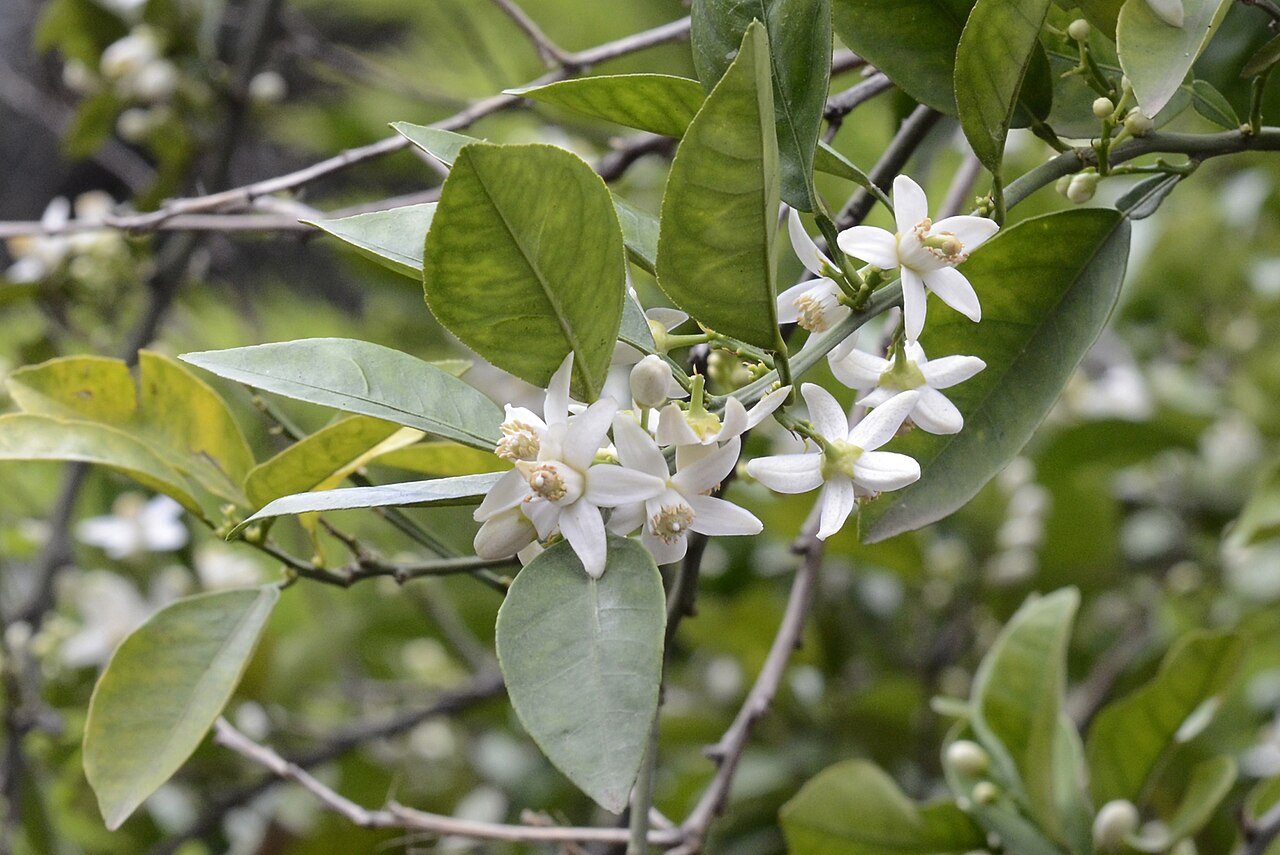
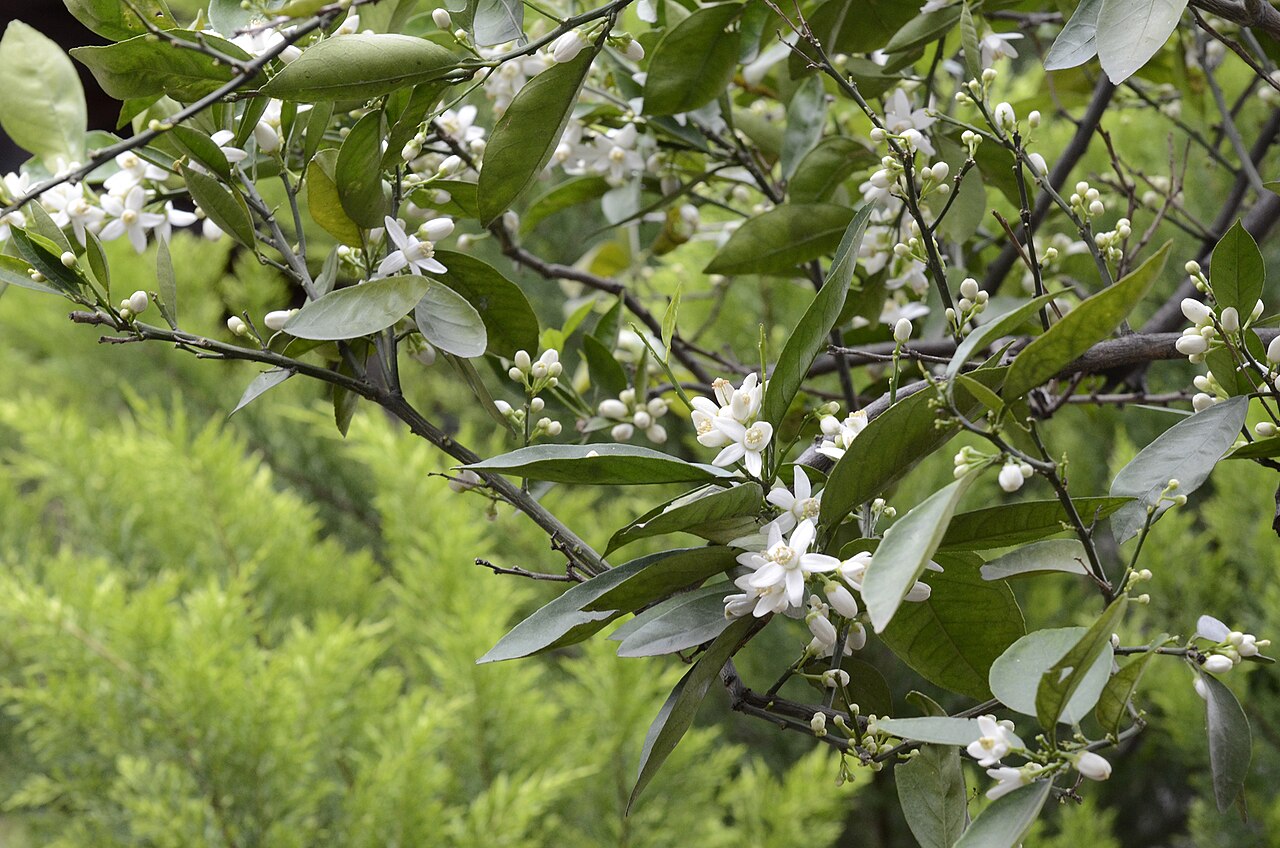
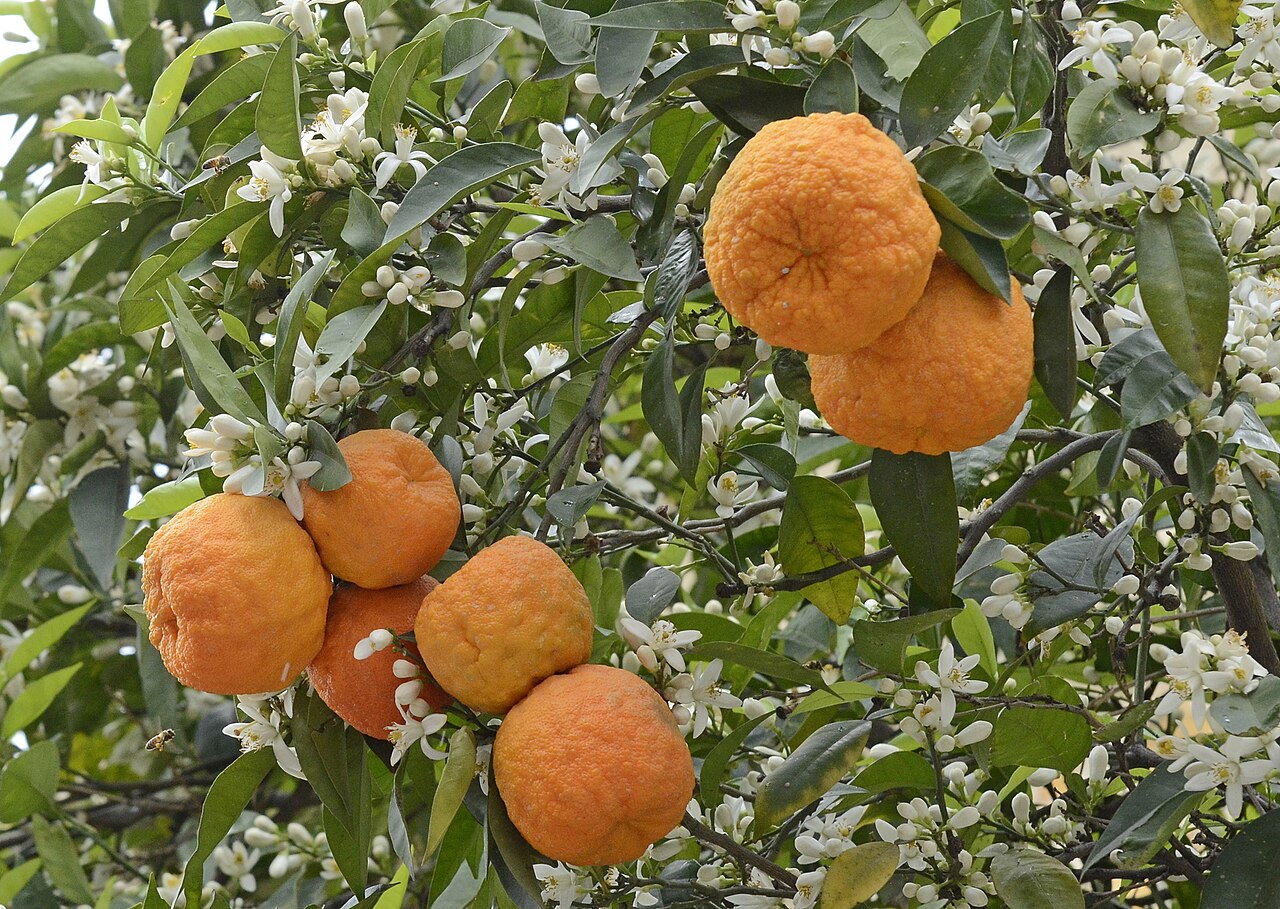
Sour orange, also called Seville or bitter orange, is a vigorous evergreen citrus tree, 15-30 feet tall, with intensely fragrant white blossoms in spring and bright orange fruit in fall and winter. The fruit is too sour and bitter to eat fresh, which is exactly why it makes the world’s classic marmalade, and why its peel flavors liqueurs and its flowers scent orange-blossom water. Grow it in full sun in well-drained soil in zones 9-11; it is more cold-tolerant than many citrus and famously tough in hot, dry climates once established, though it still needs frost protection in marginal zones. It is self-fertile and long-lived, and it was once the standard street and rootstock citrus of the Southwest — plant it where its size and fragrance can be enjoyed, not crammed against a house.
Buy grafted trees on appropriate rootstock — sour orange itself is a classic rootstock where it thrives, and trifoliate orange is the cold-hardy choice at the colder edge — and plant in the warmest, sunniest, best-drained spot you have, with the graft union above the soil. Citrus greening (HLB) is the defining challenge here in Florida, so buy certified disease-free stock and scout new growth for psyllids, the tiny insects that spread it. Container growing works for marginal zones and smaller selections: a big pot lets you wheel a tree under cover for a freeze. Water deeply when the top few inches of soil dry, keep moisture consistent without ever leaving roots soggy — sour orange hates wet feet, and root rot in poorly drained soil is one of its real enemies, along with leafminer and frost damage. Fruit ripens on the tree, and taste is the test, since color misleads; it holds on the tree for weeks, with the Florida season roughly fall through spring depending on variety.
Water & feeding
Water deeply while young, then deeply every couple of weeks in summer once established; sour orange tolerates drought better than most citrus but fruits better with steady water. Mulch to hold moisture. Feed with a citrus fertilizer in spring and summer.
Common problems
- Frost in marginal zones — cover young trees and site in the warmest spot.
- Citrus leafminer, scale, and aphids — inspect and treat with horticultural oil.
- Citrus greening (HLB) — buy certified stock and watch for decline.
- Fruit too sour for fresh eating — this is a feature, not a flaw; cook it, do not snack on it expecting a sweet orange.
Harvest
Pick when fruit turns fully orange and fragrant, in fall and winter. Make marmalade, candy peel, or infuse liqueurs; use blossoms for orange-flower water where the tree is unsprayed. Fruit holds on the tree for weeks, so pick as needed.
Browse all plant & pest guides
Saving seeds
Sour orange seed is a pleasant surprise for the seed saver, because it is polyembryonic — most of the seedlings that sprout from one seed are near-clones of the mother tree. That means a seedling is likely to grow up to be a sour orange very much like the one you ate, which is not how most fruit trees work. Rogue out the odd ones — the weak, the off-type — and keep the strong, typical seedlings.
Sow fresh. Citrus seed is recalcitrant and does not store well, so clean the pulp off the seed, rinse it, and sow it the same day or within a few days, barely covered, in a warm, moist mix at 75 to 85°F. Germination usually comes in two to four weeks. Seed that dries out is dead seed.
Save seed from fully ripe fruit on a healthy tree, and sow more than you need — polyembryony gives you several seedlings per seed, so one fruit is plenty. Seedlings take years to fruit, and a seed-grown sour orange is a big tree, so give it room and patience.
In Florida, sour orange is the old rootstock citrus, tough and thorny, happiest in full sun and well-drained soil. It is the tree behind many a Florida orange grove, and it makes a fine marmalade orange in its own right — sour, seedy, and honest.
Varieties
Every named variety of Sour Orange with its own growing guide:
- Seville Sour Orange — The marmalade orange: too sour to eat, perfect for marmalade — and fragrant enough to perfume a street.
- Bergamot Orange — The Earl Grey orange, grown for its peel oil, not for eating out of hand.
- Bouquet de Fleurs Sour Orange — The sour orange grown for its flowers, a hedge-sized tree that perfumes the whole yard in bloom.
- Chinotto Sour Orange — The tiny, myrtle-leaved sour orange that makes a perfect pot tree and a very Italian soda.