
🍊 Seville Sour Orange
What it looks like
Why this variety
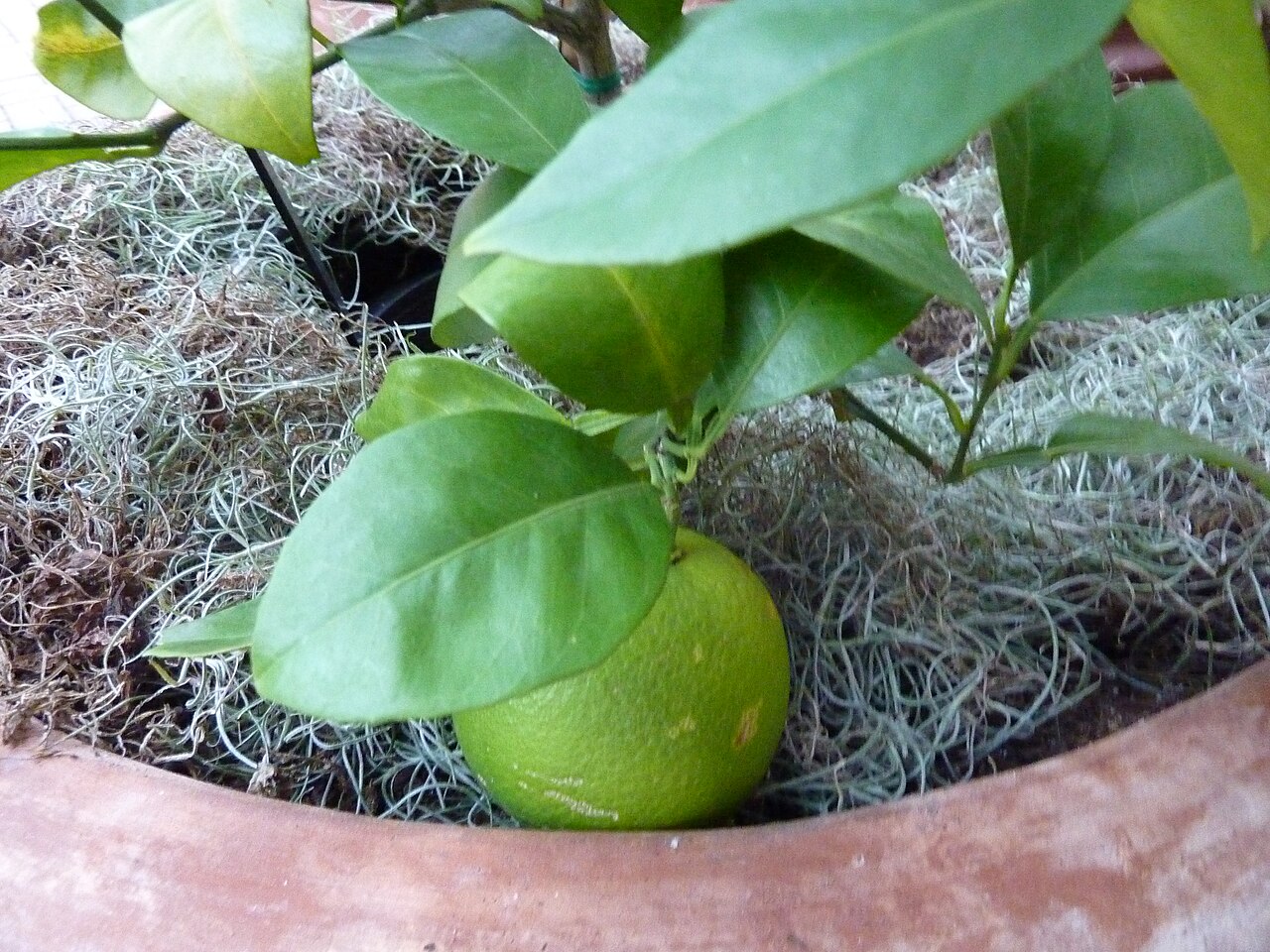
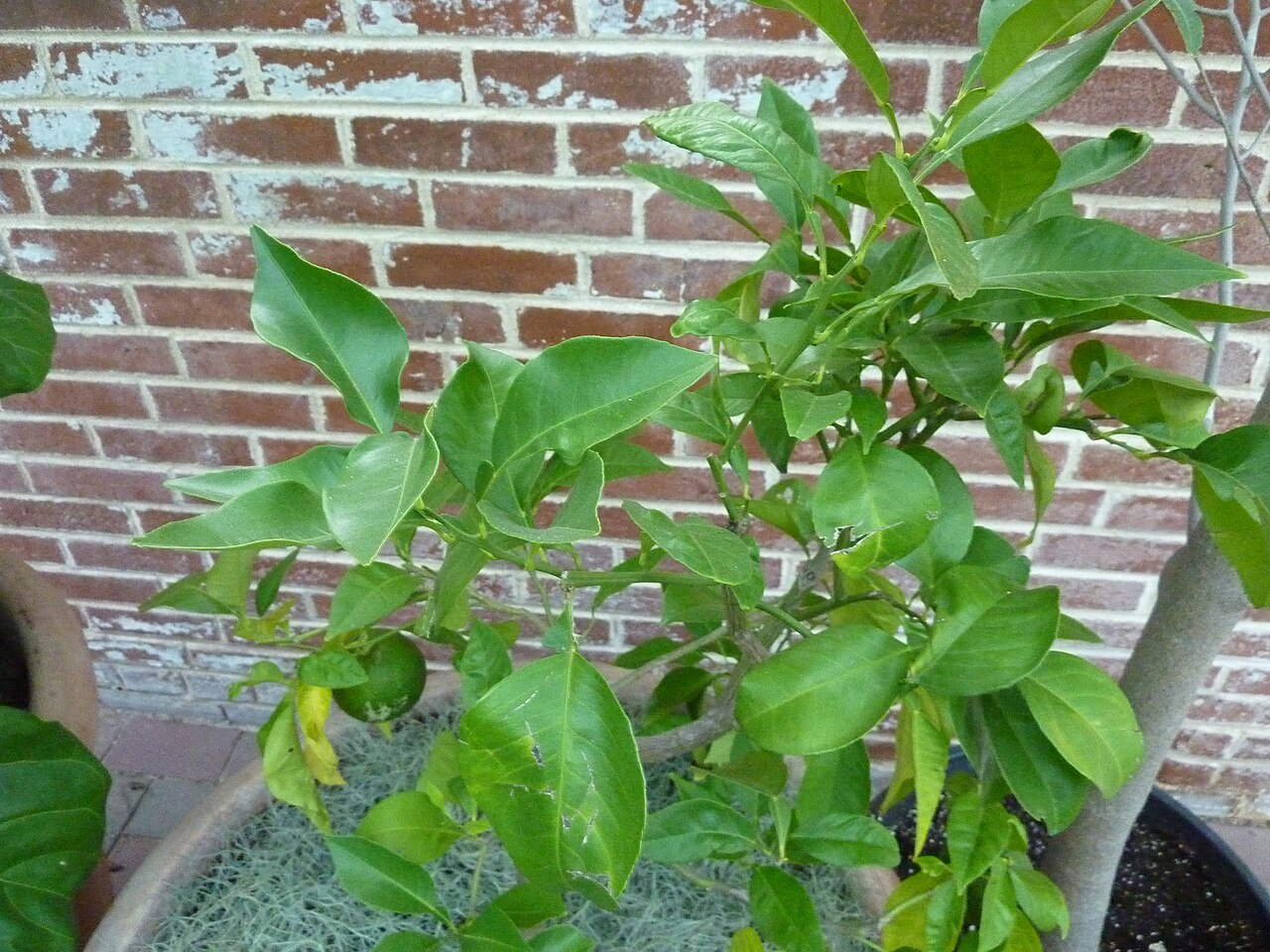
‘Seville’ is the sour orange — also called bitter orange — and it is a fruit with a job description: it is not for eating out of hand. It is too sour, too bitter, and too seedy for that, and it does not apologize. What it is for is marmalade, and for that job it is irreplaceable: high pectin, high acid, intensely aromatic peel, and a bitterness that turns, with sugar and time, into the complex flavor that makes real marmalade taste like nothing else.
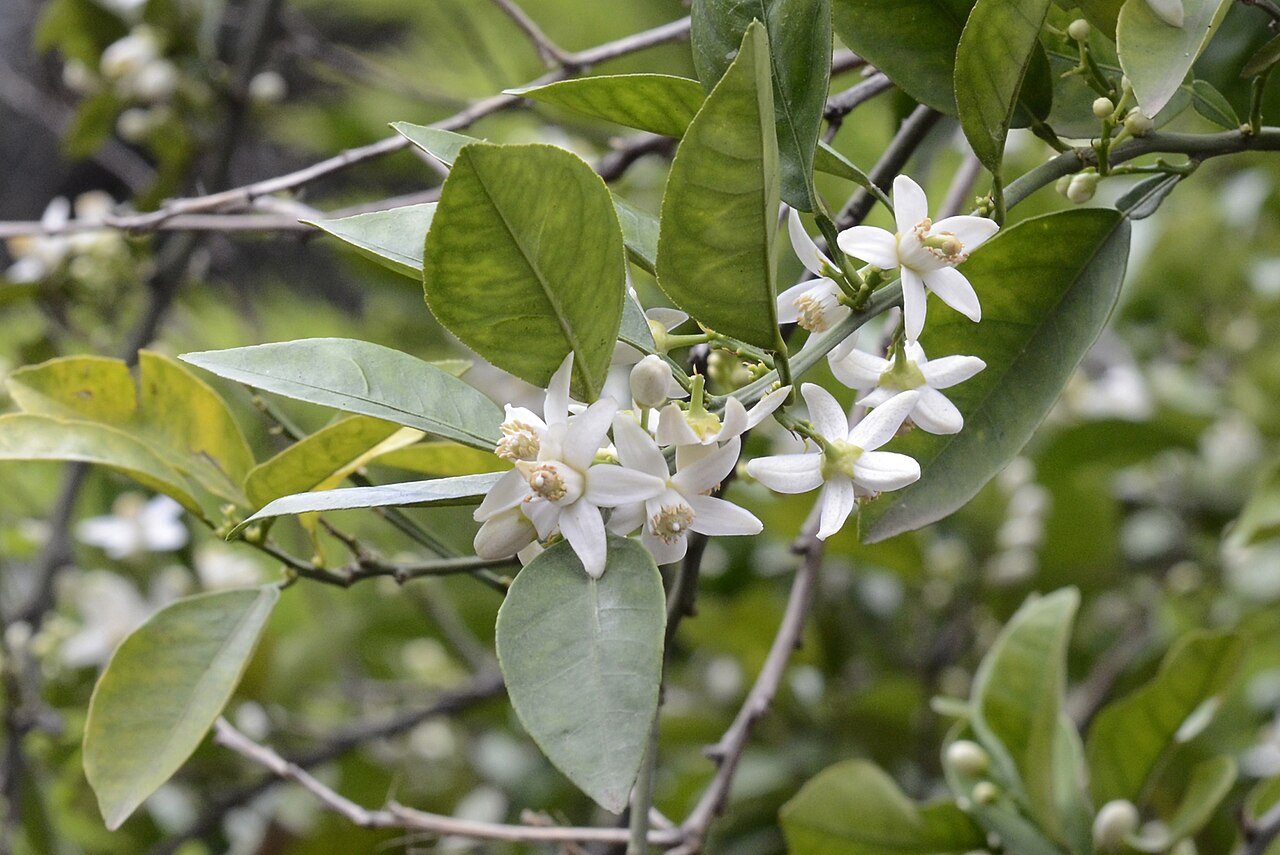
The tree itself is a vigorously handsome citrus with famously fragrant flowers — the blossom scent that perfumes streets in Seville, Spain, where the trees line avenues. In Florida, ‘Seville’ is also a classic rootstock and a tough, productive landscape citrus. Plant it for marmalade, for fragrance, and for the satisfaction of growing a fruit with a single perfect use.
How to grow
Here is the honest Florida part first: sour orange is a zone 9-11 citrus in Florida, hardier than many sweet oranges but still a citrus — freezes damage fruit and young trees, and greening affects it like all citrus. It is vigorous and tolerant of a range of soils, including the limestone soils of South Florida, which is part of why it became a rootstock standard.
Plant in full sun and well-drained soil, 15-20 feet apart, and prune to a pickable canopy. Sour orange is a strong grower; annual pruning keeps fruit within reach and the tree within its space. Feed as for citrus, with micronutrients, and watch for greening symptoms like any citrus grower must.
Water & feeding
Water as for citrus: deep watering in dry spells, mulch, and never waterlogged soil. Feed with citrus fertilizer on schedule. Sour orange is vigorous but not magic — steady water through fruit development gives fuller, juicier fruit for marmalade.
Common problems
- Citrus greening (HLB) — watch for blotchy mottled leaves, yellow shoots, and lopsided fruit; buy certified stock and remove severely affected trees.
- Citrus canker and leafminer — common Florida citrus problems; monitor and manage with extension guidance.
- Thorns on young growth — sour orange can be thorny when young; gloves for pruning.
- Freeze damage to fruit — fall-winter fruit is exposed to cold; cover young trees on freeze nights.
Harvest
Harvest ‘Seville’ in fall and winter when the fruit is fully orange and aromatic. For marmalade, pick firm fruit with thick, fragrant peel — the peel is the point, so fruit with blemished skin still makes excellent marmalade once washed. Cut, seed, slice peel thin, and cook with sugar: the high pectin sets a marmalade that needs no added gelling help.
Beyond marmalade, ‘Seville’ juice seasons marinades and mojo-style sauces, and the flowers can be distilled or simply enjoyed. One mature tree produces far more fruit than one household’s marmalade shelf — which is how sour-orange growers acquire a reputation in the neighborhood.
Browse all plant & pest guides
Saving seeds
‘Seville’ is the sour orange — also called bitter orange — and it is a fruit with a job description: it is not for eating out of hand. It is too sour, too bitter, and too seedy for that, and it does not apologize. What it is for is marmalade, and for that job it is irreplaceable: high pectin, high acid, intensely aromatic peel, and a bitterness that turns, with sugar and time, into the complex flavor that makes real marmalade taste like nothing else. As a named sour orange it is kept true by grafting, not by seed — plant in full sun and well-drained soil, 15-20 feet apart, and prune to a pickable canopy. Sour orange is a strong grower; annual pruning keeps fruit within reach and the tree within its space. Feed as for citrus, with micronutrients, and watch for greening symptoms like any citrus grower must. The full method is in the Saving seeds section of the Sour Orange guide.