
🫘 Black Kabouli Chickpea
What it looks like
Why this variety
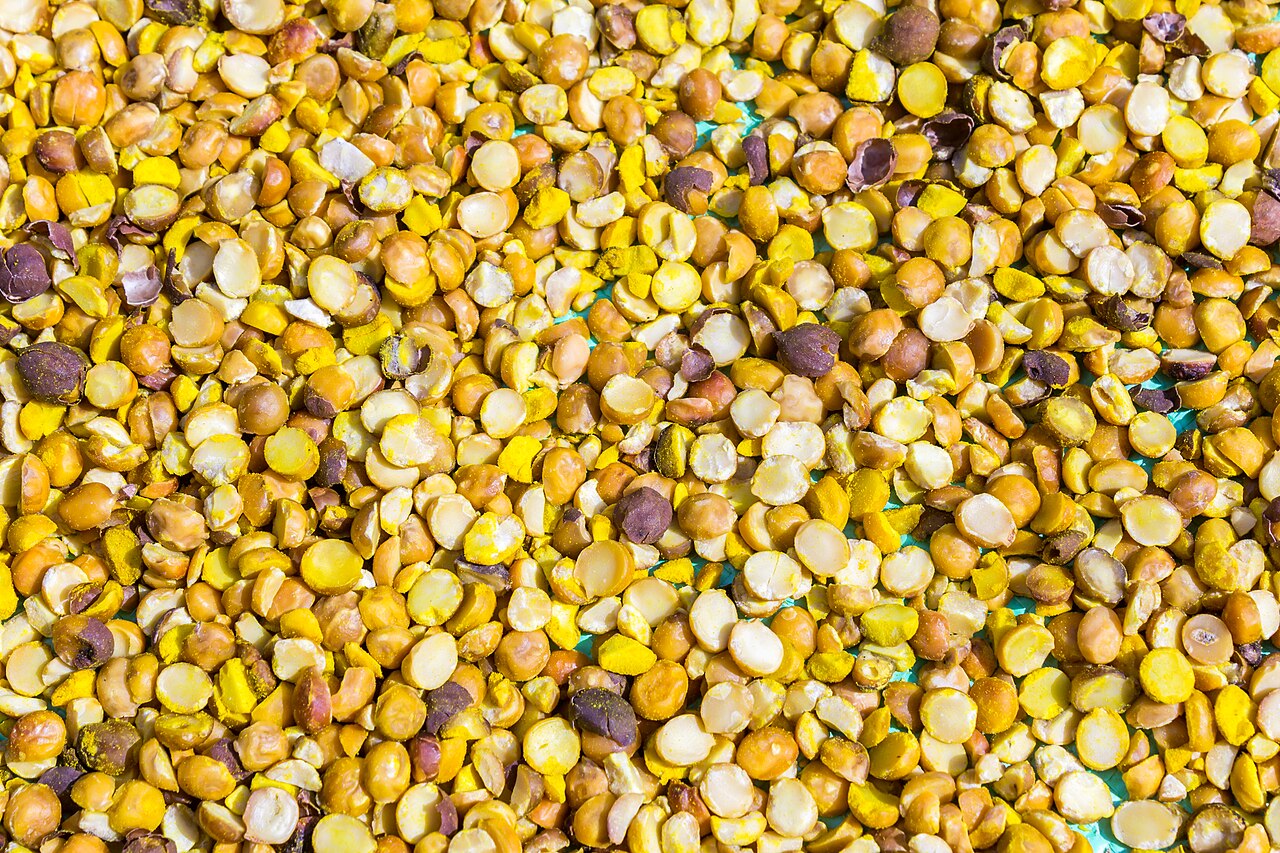
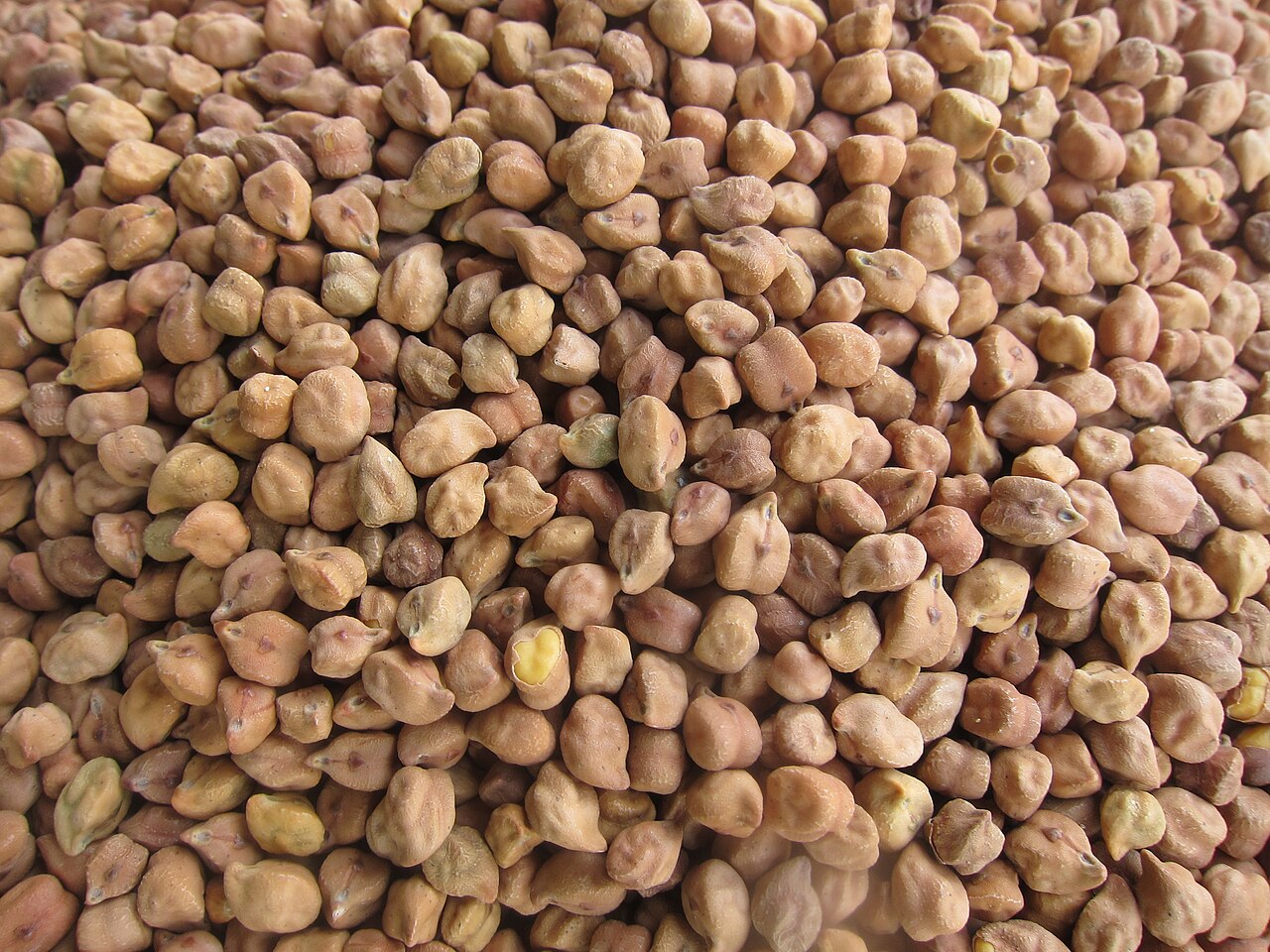
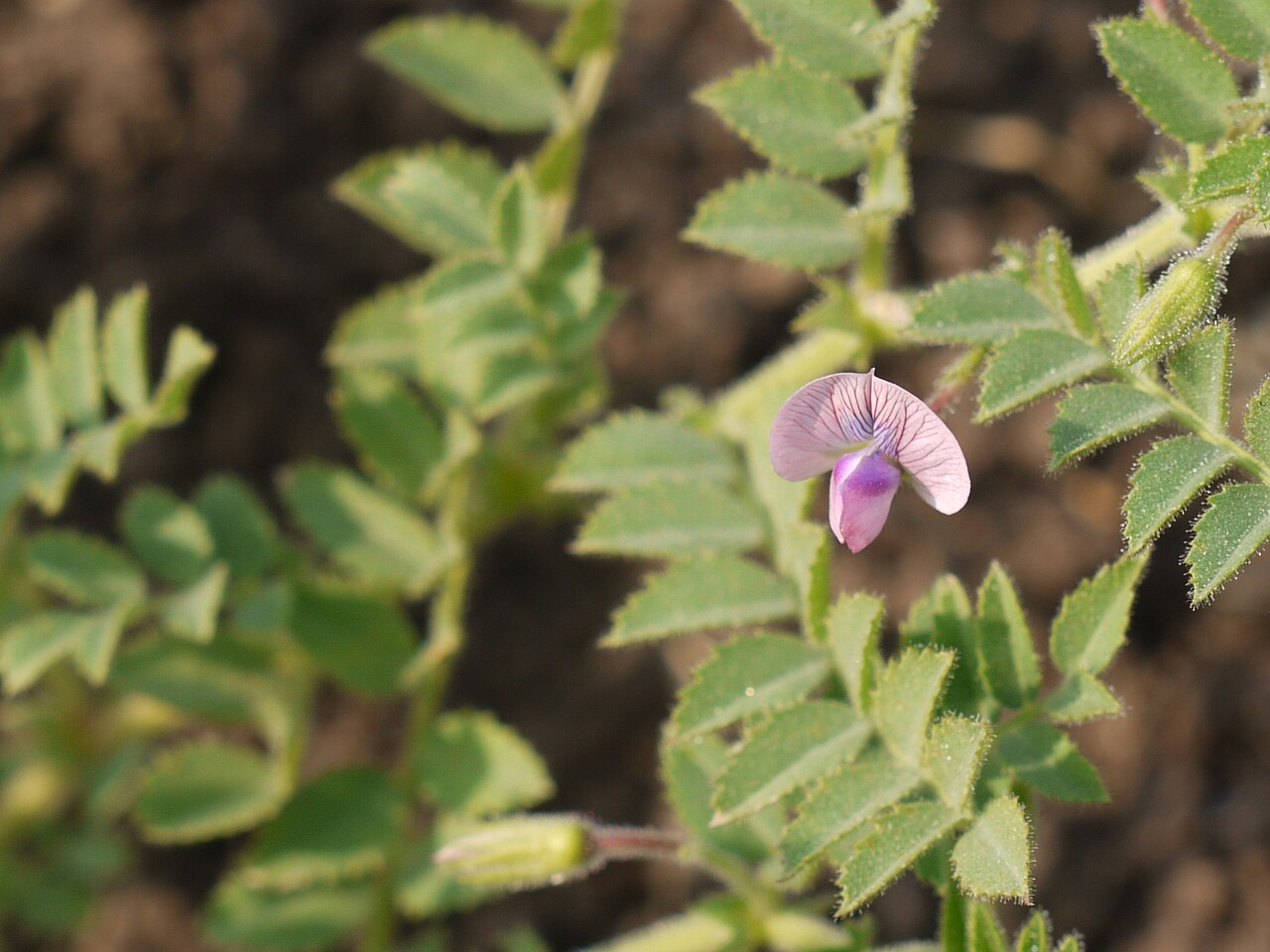
Black Kabouli is the chickpea that stops a visitor mid-sentence: instead of the familiar cream-colored garbanzo, it makes striking black seeds, originating in Kabul, Afghanistan, and grown as a heritage variety by seed savers who like their pantry to look as interesting as it tastes. Plants are bushy and upright, pods are small and papery, and the seeds inside are dark, firm, and nutty — closer in spirit to a desi chickpea than to a supermarket kabuli, with a rough coat and a deep, earthy flavor that stands up to spices. Seed houses list it at about 100 days to maturity, which makes it a full-season chickpea, not a quick one.
The kitchen case is strong: black chickpeas hold their shape in salads and stews where cream chickpeas would go soft, they look spectacular in a grain bowl, and their flavor is more assertive — earthy, nutty, almost mushroomy — than the mild kabuli most cooks know. They also make a superb hummus, darker and more dramatic, and a sprouting chickpea with real character. If you grow one unusual pulse, Black Kabouli is the one that earns its bed space twice: once in the garden, where its dark pods are easy to spot, and once on the table, where no one mistakes it for canned.
If you are new to choosing between cultivars, the Varieties Matter guide explains why the name after the plant matters as much as the plant itself. And if you want the whole clan at a glance, the broader Chickpea guide covers chickpeas generally.
How to grow
Chickpeas in Florida are a cool-season gamble worth taking, because they want sun, drainage, and dry air at harvest — three things a Florida summer refuses to provide. Sow in fall or very early spring, in the best-drained bed you have, and aim to have pods drying as the weather turns dry rather than humid: wet pods at harvest mean mold, and molded chickpeas are compost, not hummus. They are bushy, upright plants that need no trellis, and they tolerate poor sandy soil better than most vegetables, which is a genuine compliment in this state. Treat chickpeas as a dry-season crop, harvest green pods early for a sweet snack, and let the rest dry for the pantry.
Sow 2 to 3 weeks before the last spring frost in a cool climate, or in fall in a mild one, planting seeds 1 to 2 inches deep and 3 to 6 inches apart in rows 18 to 24 inches apart, in full sun and the best-drained soil you have. Chickpeas need warm soil to germinate well but cool weather to grow, which is the central paradox of the crop — sow early, but not into cold, wet mud. Keep the bed weeded while plants are small, water at soil level, and do not crowd: air circulation is your main defense against the blight that ends chickpea seasons. In Florida, sow in fall and aim for a dry harvest.
Water & feeding
Chickpeas are drought-tolerant once established, and they are one of the few garden crops where too much water is a bigger risk than too little — wet soil and wet foliage invite Ascochyta blight, the disease that ends chickpea seasons. Give them about half an inch to an inch of water a week while they flower and set pods, watered at soil level, and then back off sharply as pods dry. Work worm castings into the bed at sowing and skip nitrogen fertilizer, because chickpeas fix their own nitrogen and extra nitrogen grows leafy plants with few pods. Mulch lightly to hold moisture without trapping humidity around the stems.
Common problems
Ascochyta blight is the headline disease: it starts as dark spots on leaves and stems in wet weather and can defoliate a planting, so dry foliage, spacing, and rotation are the defenses, not wishful thinking. Aphids and leafminers may visit; check plants and wash aphids off. Drought during pod fill makes small seeds, but overwatering is worse — wet pods at harvest mold, so ease off water as pods dry. Pods mature unevenly, so check often and harvest as pods brown rather than waiting for the whole plant to be perfect.
Harvest
Harvest green pods at 60 to 90 days for fresh eating — sweet, pea-like, and almost never sold in stores — or wait until plants yellow and pods are dry, about 100 days, then pull plants and thresh indoors. Dry beans store for a year or more in airtight jars, and they need soaking and thorough cooking, like any dry pulse. Save seed from healthy plants; Black Kabouli is open-pollinated and comes true, though chickpeas can cross with nearby chickpeas, so save from an isolated patch if purity matters.
Nerdy fact: Chickpeas are one of the oldest cultivated legumes on Earth, with remains found in the Middle East dating back some 7,500 years — Black Kabouli’s black coat is a reminder that the familiar cream garbanzo is only one branch of a very old, very diverse family tree.
Saving seeds
Black Kabouli is a heritage variety, so it comes true from seed — save seed from your best pods and let them dry fully before storing. The full method is in the Saving seeds section of the Chickpea guide.