
🥬 Black Summer Tatsoi
What it looks like
Why this variety
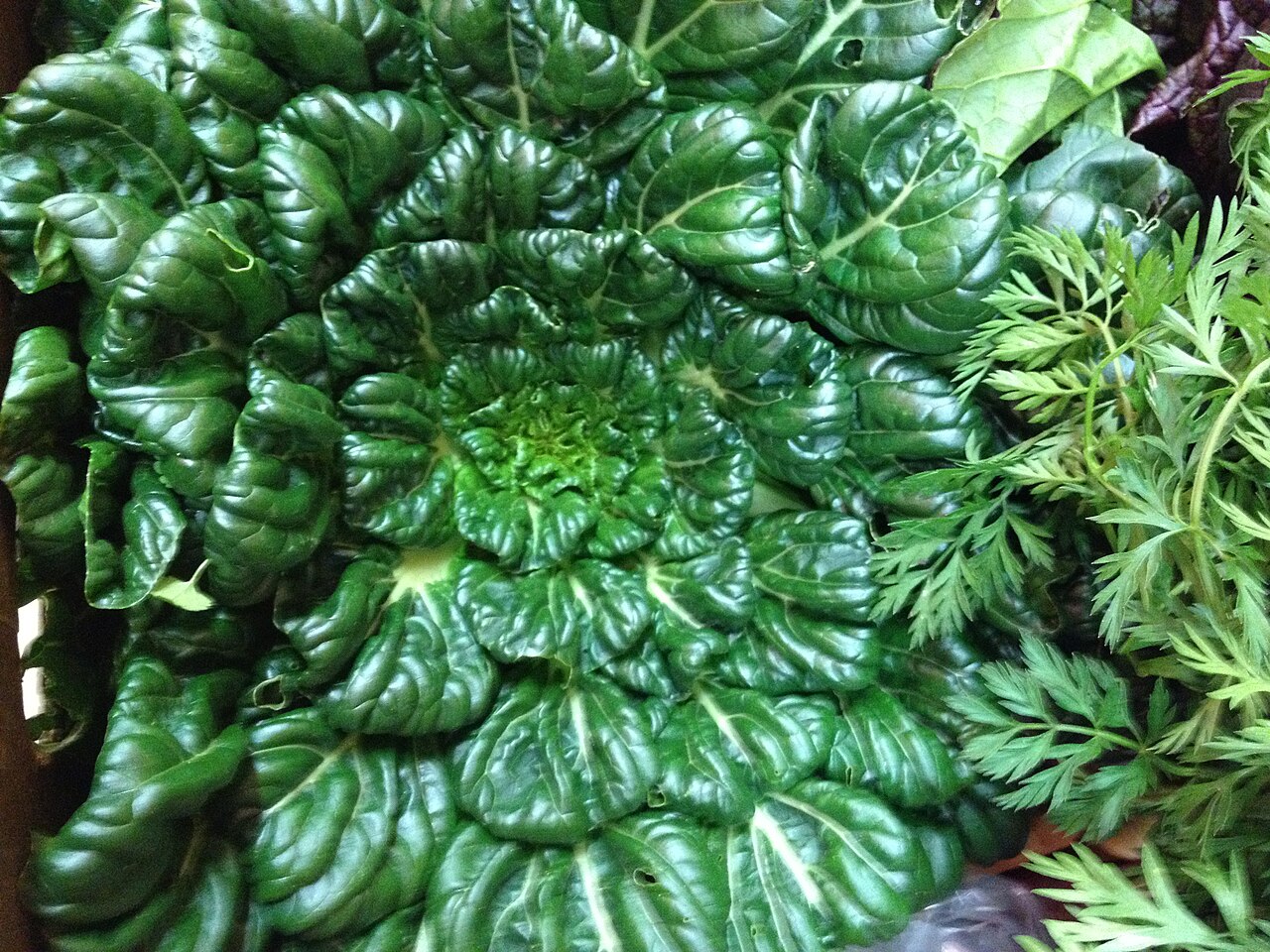
Black Summer is the tatsoi for gardeners who plant in fall and want to keep harvesting into winter: its leaves are so dark green they look almost black, especially in cool weather, and it holds its rosette shape and flavor longer into cold than paler types. The dark color is not just looks — it is the plant packing in pigments as the temperature drops, the same trick that makes fall kale sweeter and tougher at once.
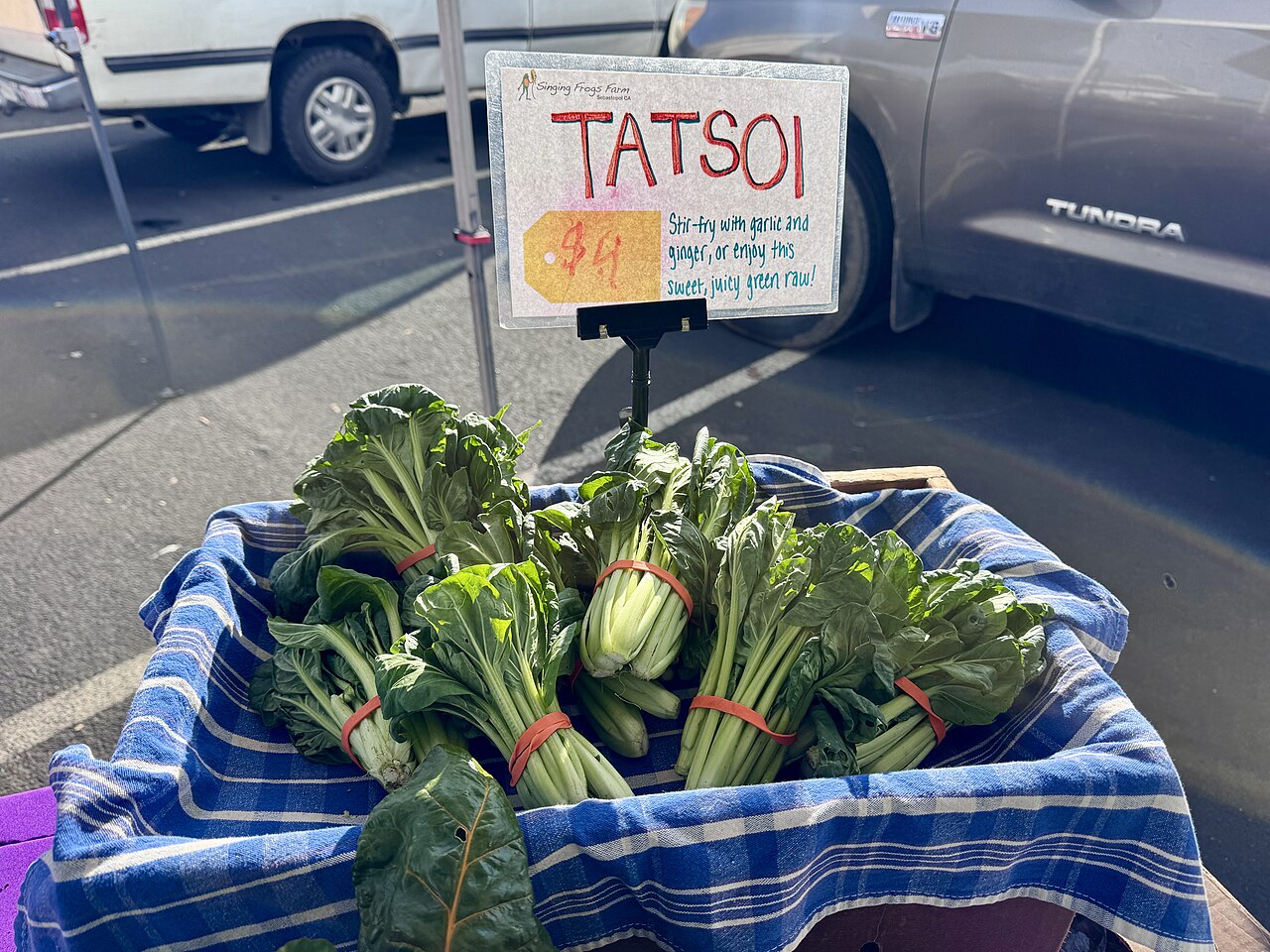
For the table, Black Summer is a rosette green that eats like a cross between spinach and bok choy: spoon-shaped leaves, thick pale stems, a mild mustard note, and a texture that stays tender raw in salads and holds up in a quick stir-fry. Plant it in fall, and it becomes the green you are still picking when the rest of the garden has given up for the year.
If you are new to choosing between cultivars, the Varieties Matter guide explains why the name after the plant matters as much as the plant itself. And if you want the whole clan at a glance, the broader Tatsoi guide covers tatsoi generally.
How to grow
In Florida, tatsoi is a fall-through-spring green that laughs at a light frost and bolts at the first serious warm spell, which makes timing the whole crop. Sow from fall into winter, harvest rosettes young and often, and succession-sow every few weeks so a warm snap costs you one sowing, not the season. Its spoon-shaped leaves are mild, mustardy, and tender enough for salads raw, which is more than most brassicas can claim.
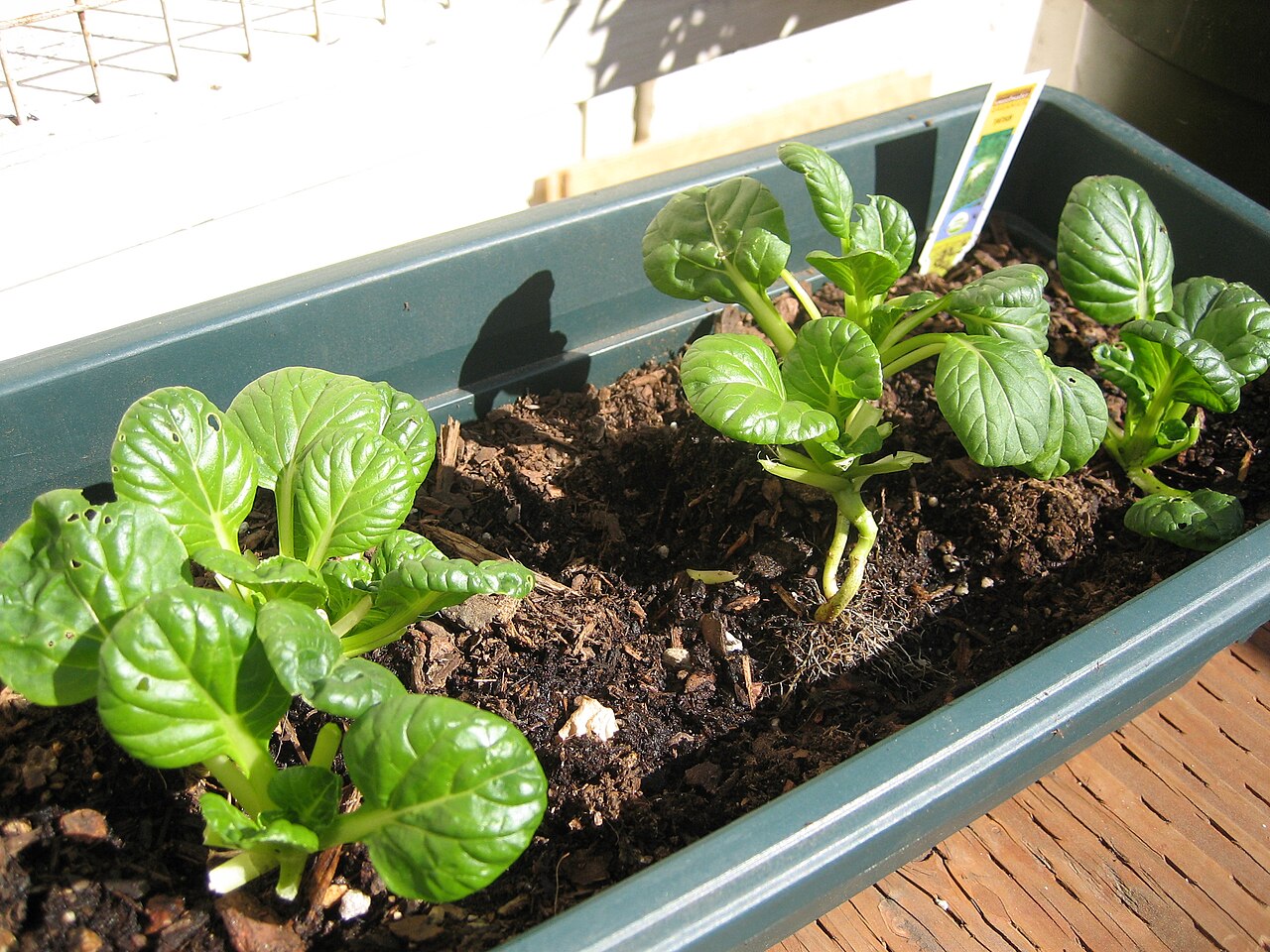
Sow directly 6 inches apart in rich, moist soil, in fall for the best crop, and succession-sow every few weeks through the cool season. Thin to 6 inches so rosettes can spread flat. In warm weather, give afternoon shade — tatsoi bolts fast in heat — and keep the soil moist; a dry tatsoi bolts, and a bolted tatsoi is compost with flowers.
Water & feeding
Tatsoi grows fast and drinks steadily. Keep the soil evenly moist, mulch to hold that moisture, and feed with compost at planting and again halfway to harvest. Dry soil plus heat is the recipe for bolting, so water before the leaves wilt, not after.
Common problems
Flea beetles pepper the leaves with tiny holes, especially on young plants; row cover over seedlings solves most of it. Slugs love the low rosettes in damp weather. Bolting is the real enemy: plant for cool weather, water before stress, and harvest promptly when a warm spell arrives — a rosette left too long in heat goes to seed overnight.
Harvest
Harvest outer leaves as needed once they are a hand high, or cut the whole rosette at the base when it is full and flat. Young leaves are tender enough for salads raw; older leaves are better wilted or stir-fried, where their mild mustard flavor deepens. Wash well — low rosettes collect soil in every rain.
Nerdy fact: Tatsoi’s dark leaves are dark for a reason: the pigments that color them are the same anthocyanins and carotenoids that make it unusually rich in vitamin C, calcium, and folate for a leafy green. The darker the leaf, the more of those compounds it tends to carry — which means Black Summer is not just pretty, it is the nutritious end of the tatsoi family.
Saving seeds
Black Summer is an open-pollinated variety, so it comes true from seed — save seed from your best rosettes, and keep it away from other tatsoi and brassicas to avoid crossing. The full method is in the Saving seeds section of the Tatsoi guide.