
💕 Bleeding Heart
What it looks like
How to grow
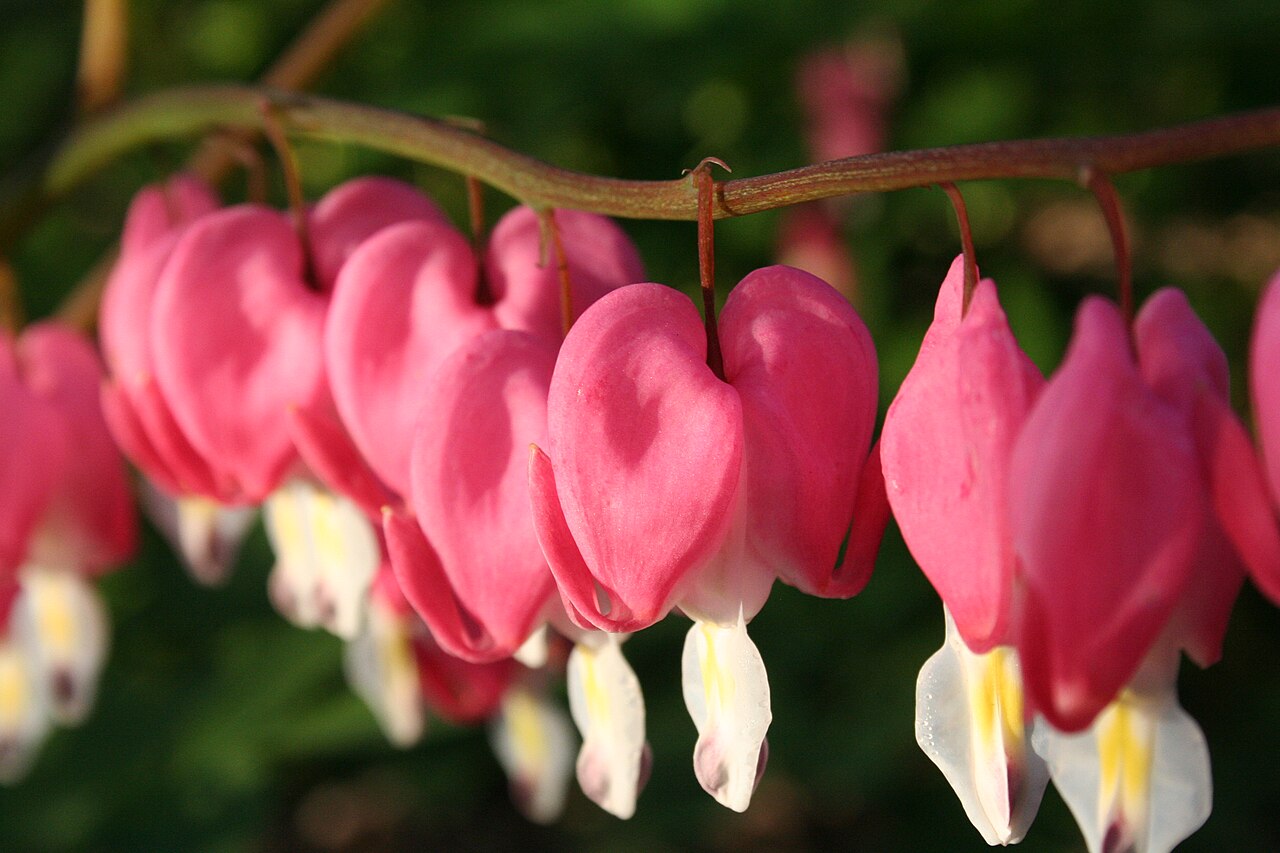
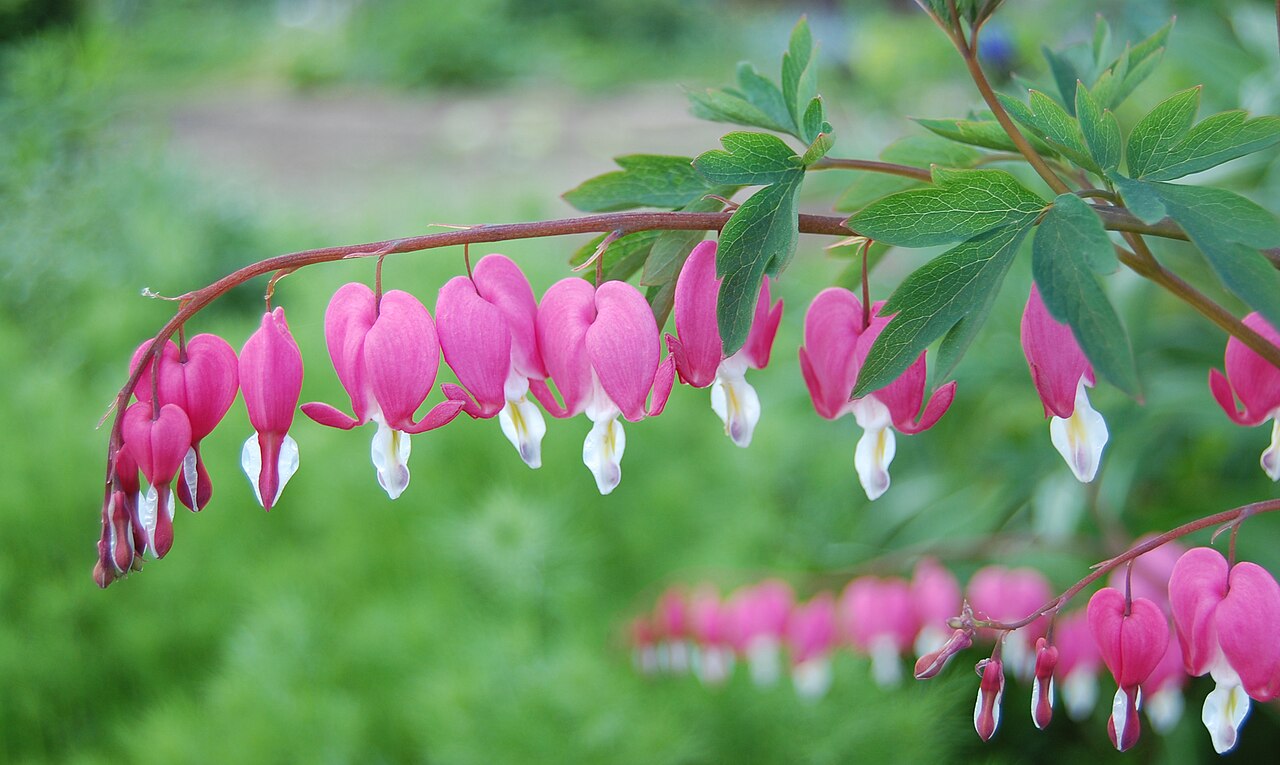
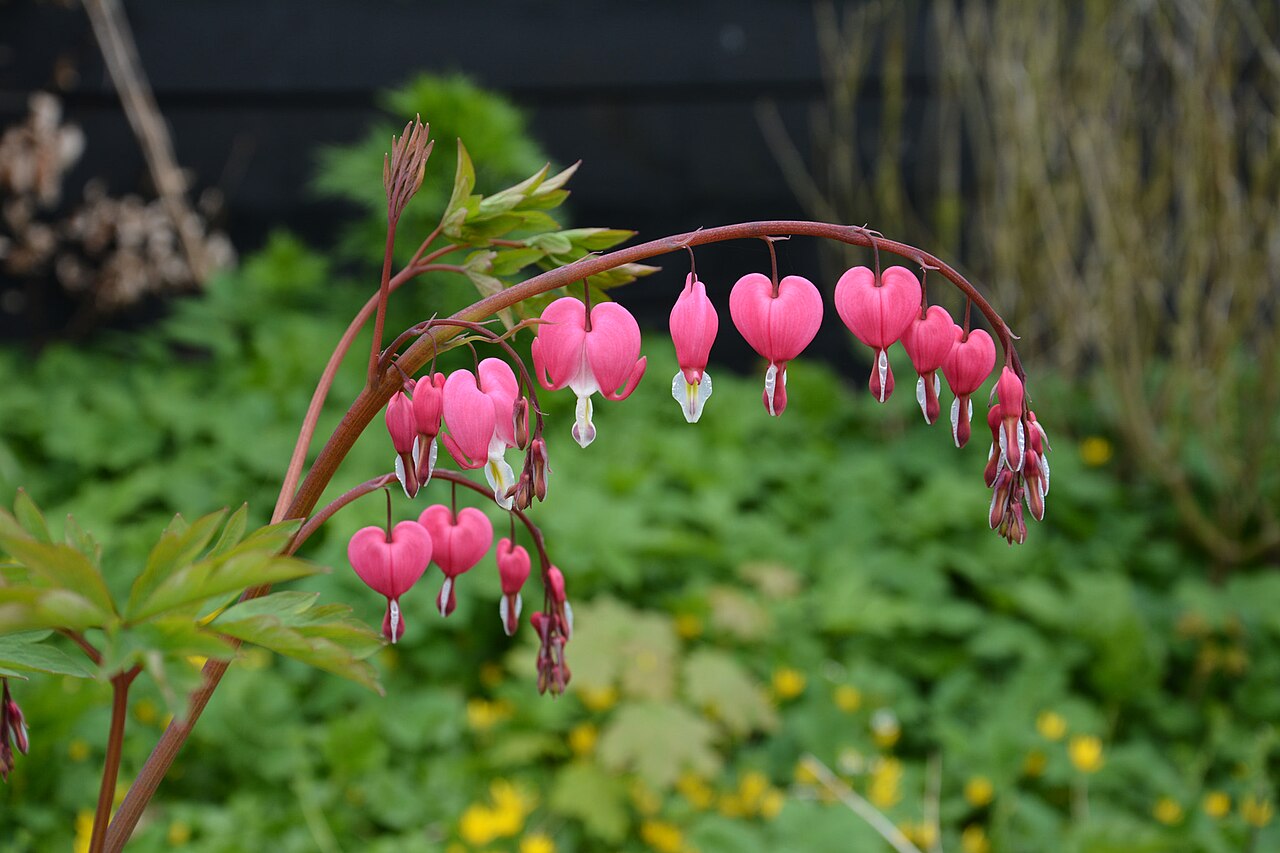
Plant in spring or fall in rich, moist, well-drained soil in shade — bleeding heart is a spring ephemeral in spirit: it flowers lavishly in late spring, then yellows and goes dormant by midsummer, especially in heat. This is normal, not failure — plant it behind or beside ferns, hostas, or other late-emerging perennials that fill the gap. Old-fashioned bleeding heart (pink) is the classic; ‘Alba’ is white, and fringed bleeding heart (Dicentra eximia) is smaller, longer-blooming, and more heat-tolerant.
Water & feeding
Water consistently in spring; keep soil moist but never waterlogged. Once dormant, it needs little water — summer irrigation of a dormant plant invites rot.
Common problems
Harvest
Deadhead lightly if you like, but leave foliage until it yellows on its own — it feeds the roots for next spring. Cut dormant foliage to the ground when it looks tatty.
Browse all plant & pest guides
Propagation
Bleeding heart (Lamprocapnos spectabilis, formerly Dicentra spectabilis) is a plant you propagate by division, not by seed packet — and saying so plainly saves you a season of staring at a seed tray. Seed is possible. It is just slow, inconsistent, and frequently disappointing, which is why every gardener who actually grows this plant reaches for a spade instead. Division gives you an exact copy of the parent, flowers sooner, and works the first time.
Divide in early spring, just as the pink shoots break the soil, or in early fall, giving the pieces time to settle before cold weather. Dig wide — the fleshy roots are brittle and snap if you lever them — and lift the whole clump with a fork rather than yanking it. Cut or gently pull the crown into pieces with a sharp, clean knife, making sure every piece carries at least one or two buds and a decent portion of root. Replant at the same depth it was growing, in rich, moist, well-drained soil in shade, water it in well, and keep it moist while it establishes. A clump divided every few years also stays more vigorous than one left to crowd itself.
Root cuttings are the backup method: short sections of fleshy root laid in moist mix in late winter can sprout, though they are slower than divisions and fussier about drying out. Stem cuttings, by contrast, are mostly a waste of good stems on this plant.
If you still want to try seed — and there is a stubborn joy in it — here is the honest version. Let the flowers age on the plant; by midsummer the green pods turn brown and the seeds inside turn black. Collect them, sow fresh rather than storing them dry, and expect a cold period before anything happens: germination is slow and uneven, often taking months, and seedlings can take two to three years to reach flowering size. Some named varieties are sterile or will not come true — seedlings of a hybrid revert toward the wild pink form rather than repeating a white or gold-leafed parent. And one safety note that belongs in any bleeding heart guide: the whole plant is toxic if eaten, so this is a look-don’t-taste resident. Wash your hands after handling roots and seed, and keep the plant where nibbling children and pets will not sample it.
In Florida, treat timing with extra care: this is a cool-climate shade plant that resents heat, so divide in the coolest part of the year and keep new divisions shaded and moist, never baking in a sunny bed while they try to root.
Varieties
Every named variety of Bleeding Heart with its own growing guide:
- Alba Bleeding Heart — The white bleeding heart: pure-white hearts on arching stems — and, usefully, the form Wisconsin Extension notes as tolerating summer heat a little better.
- Gold Heart Bleeding Heart — The golden bleeding heart: radiant yellow foliage that glows in shade, with the classic pink-and-white hearts dangling above it.
- Valentine Bleeding Heart — The red bleeding heart: deep red-and-white hearts on dark purple stems with dusky green foliage — compact, vigorous, and longer-blooming.