
🏛️ Bloodgood London Planetree
What it looks like

Why this variety
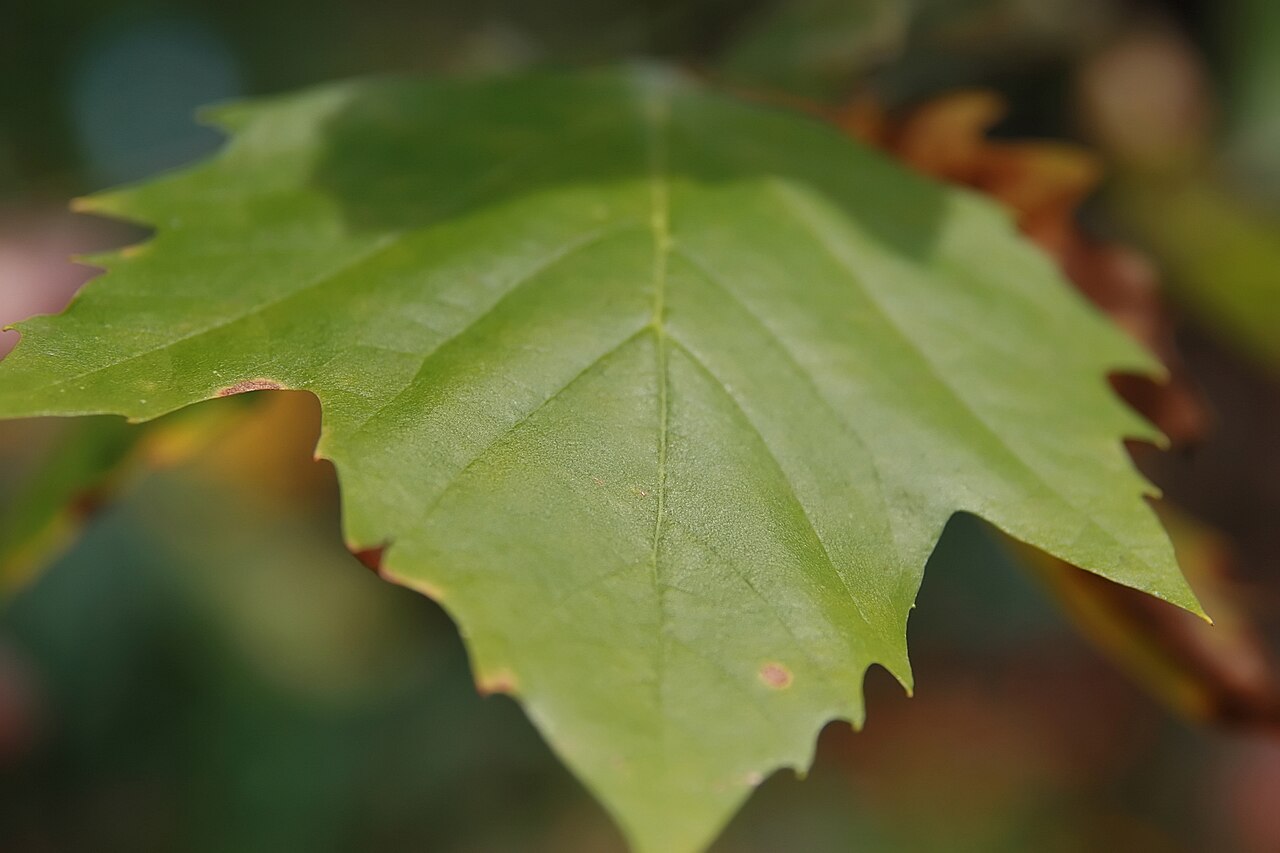
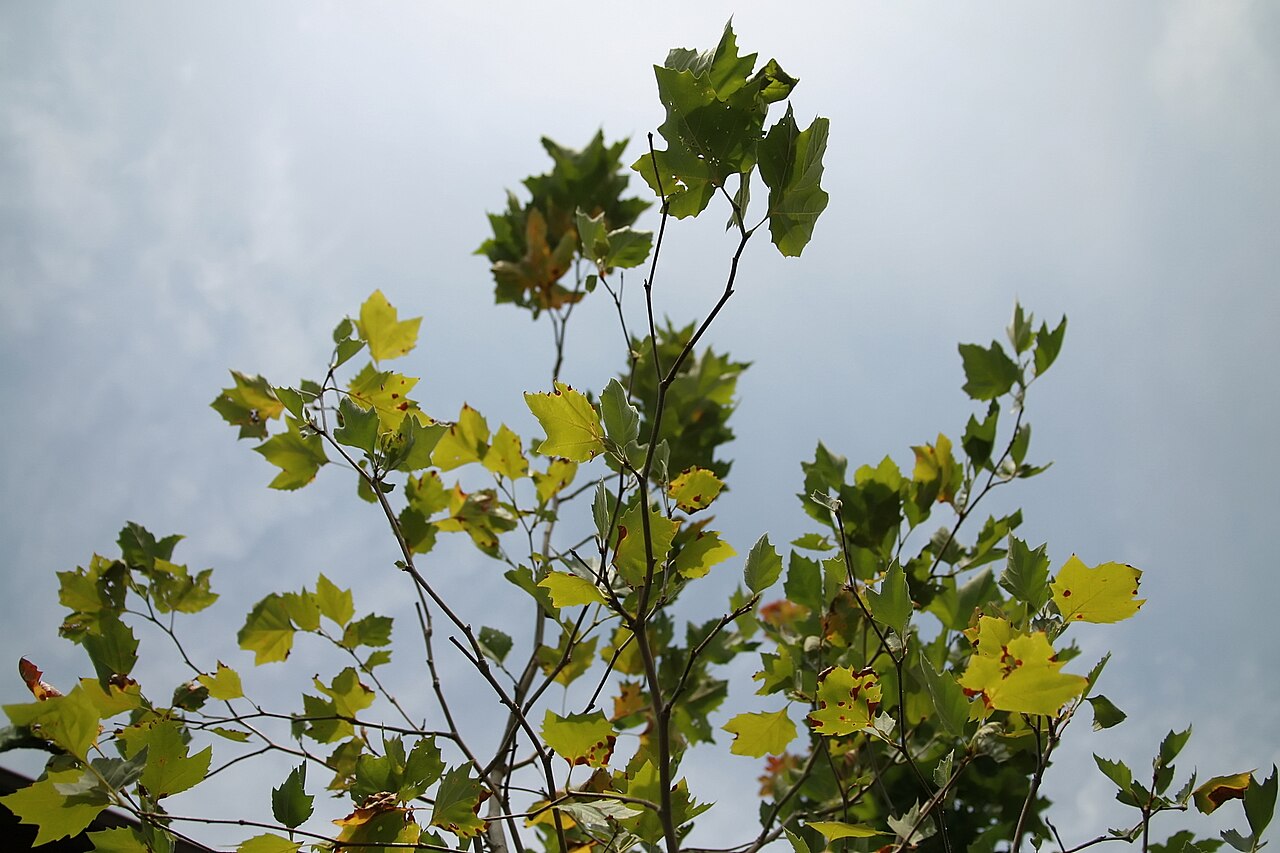
Bloodgood is the London planetree most people picture when they picture a London planetree: a large, rounded, fast-growing tree to about 60 feet, with deep green maple-like leaves, mottled camouflage bark peeling in plates, and spiky fruit balls hanging through winter. It was one of the first cultivars selected for resistance to anthracnose, the fungal disease that defoliates American sycamores in wet springs — and while later reports vary on just how resistant it is, Bloodgood remains the widely planted, tough, pollution-tolerant standard against which newer planetrees are measured.
The trade-offs are the species’ trade-offs, at full size: a 60-foot tree with a root system that heaves sidewalks, leaf litter and fruit balls to clean up, and a need for room that no small yard can fake. Bloodgood also tolerates poor soil, heat, and drought once established, and it takes hard pruning — including pollarding — better than most large trees. In Florida the verdict stays marginal: zone numbers reach North Florida on paper, but summer heat, humidity, and disease pressure are the real limits, and even there this temperate city tree will not be at its best.
If you have not met the species yet, start with the London Planetree guide for the whole hybrid, then come back here for Bloodgood in detail.
How to grow
Plant Bloodgood in spring or fall in full sun in almost any soil — it tolerates sand, loam, and clay across a wide pH range — with 50 to 70 feet of clearance from structures, sidewalks, and other large trees. Water deeply until established, mulch widely, and prune in late fall or winter to avoid the worst of anthracnose season and to shape the young crown; mature trees need mainly deadwood removal unless pollarded, in which case the yearly cutback is the whole point. Give it room from day one: a planetree planted against a house becomes a negotiation with a saw.
Water & feeding
Water deeply until established, then through droughts; Bloodgood tolerates dry sites once established but grows fastest and healthiest with steady moisture. Compost or worm castings at planting and a mulch ring beat heavy fertilizer, and a tree that is not drought-stressed also faces anthracnose from a stronger position.
Common problems
- Anthracnose in wet springs — Bloodgood resists it better than sycamore, but reports vary; prune for airflow and clean up fallen leaves.
- Canker stain and lace bug — watch for bark cankers and stippled leaves, and check local extension guidance.
- Frost cracking of bark in cold snaps — usually cosmetic on a vigorous tree.
- Size and roots — sidewalk heaving, fruit-ball litter, and a crown that shades a house lot; site it like the 60-foot tree it is.
Harvest
The harvest is city shade at scale: a fast, tough canopy, camouflage bark in winter, yellow fall leaves, and a tree that survives pollution, pruning, and pavement better than almost anything its size. Bloodgood is the planetree to plant when the site is hard and the tree must be harder.
Saving seeds
Bloodgood is a named cultivar, so seed saved from it won’t come true — buy a nursery tree instead. The Propagation section of the London Planetree guide covers how the species is propagated.