
💙 Blue Fescue
What it looks like
How to grow
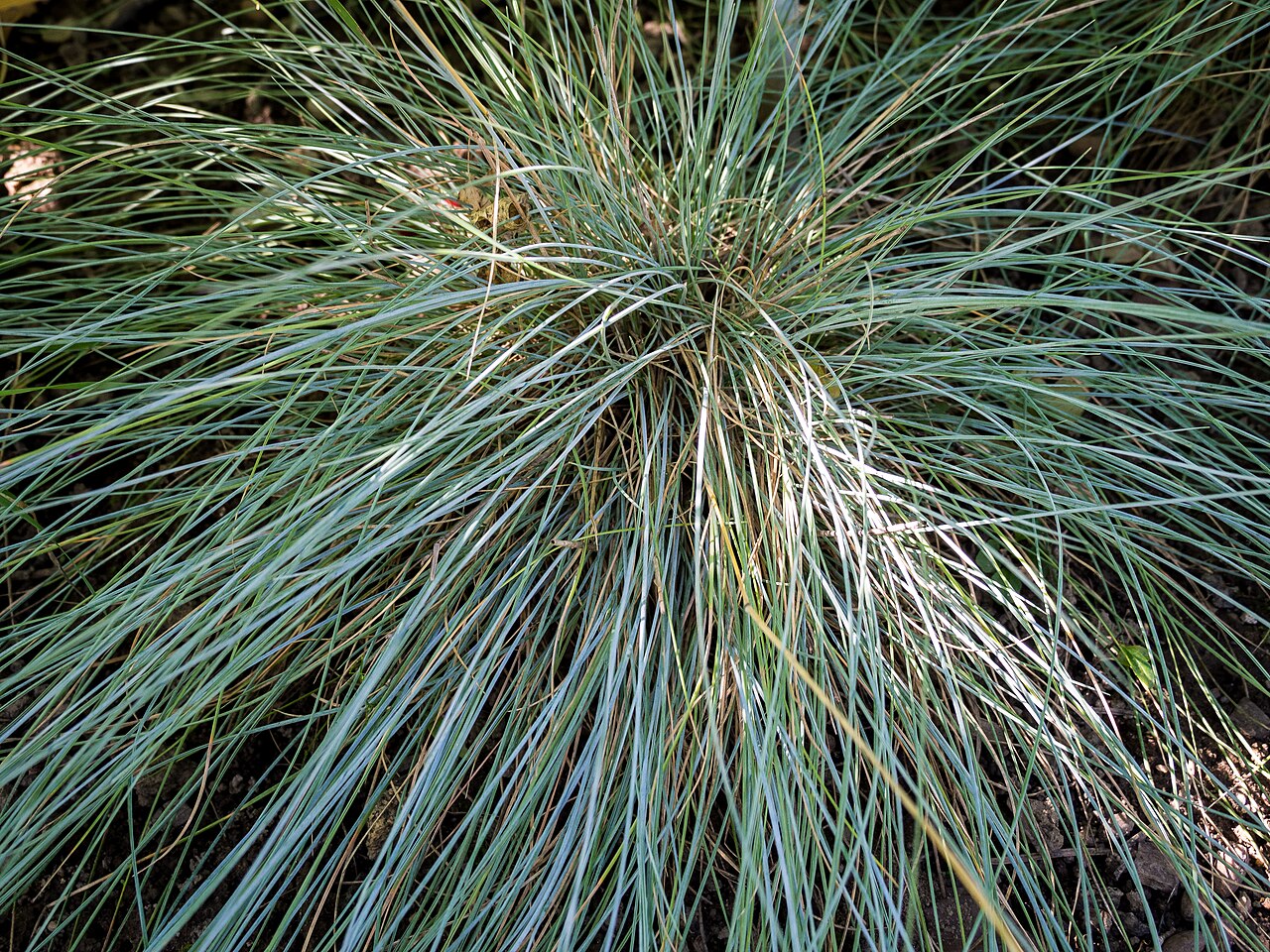
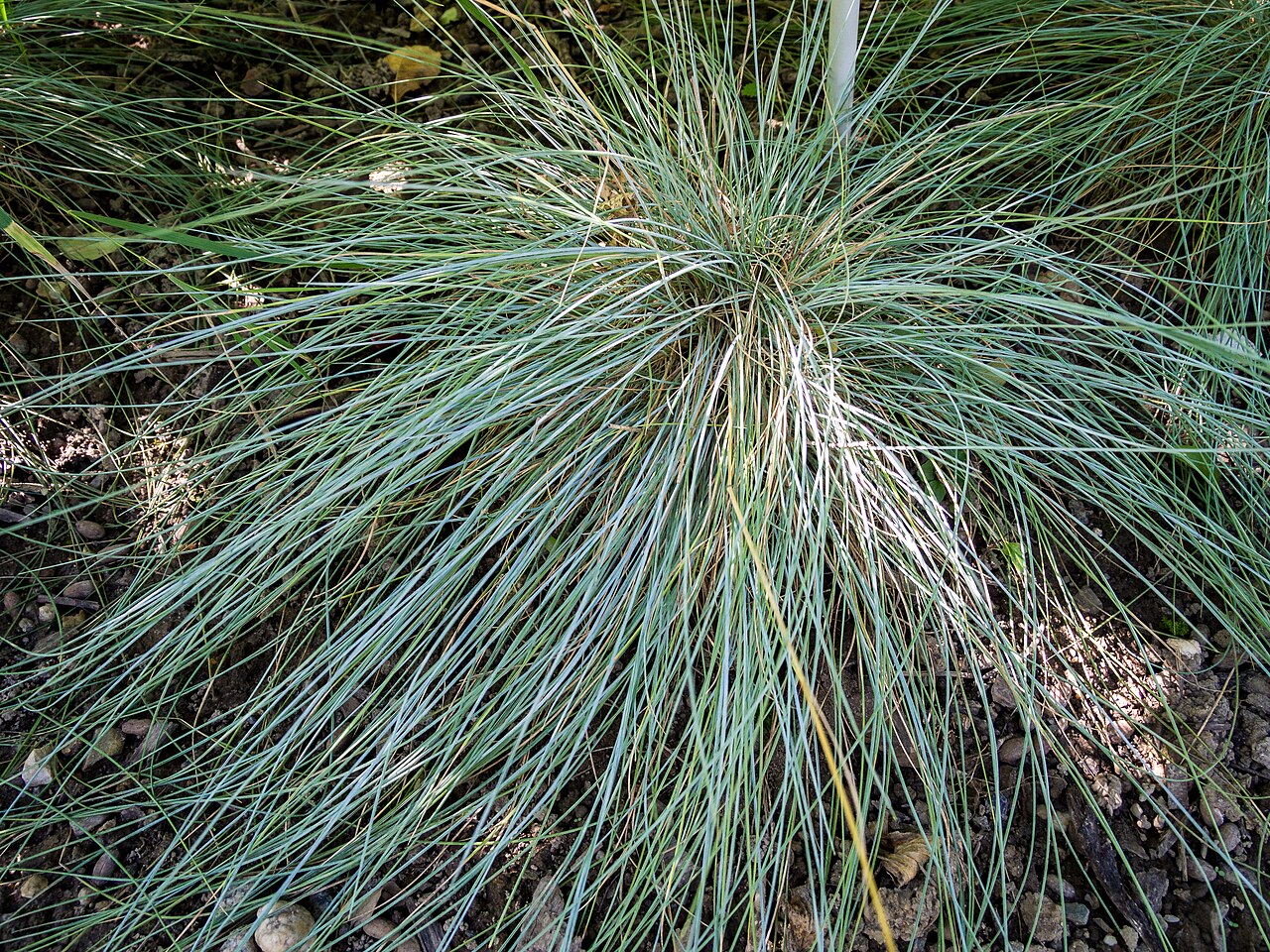
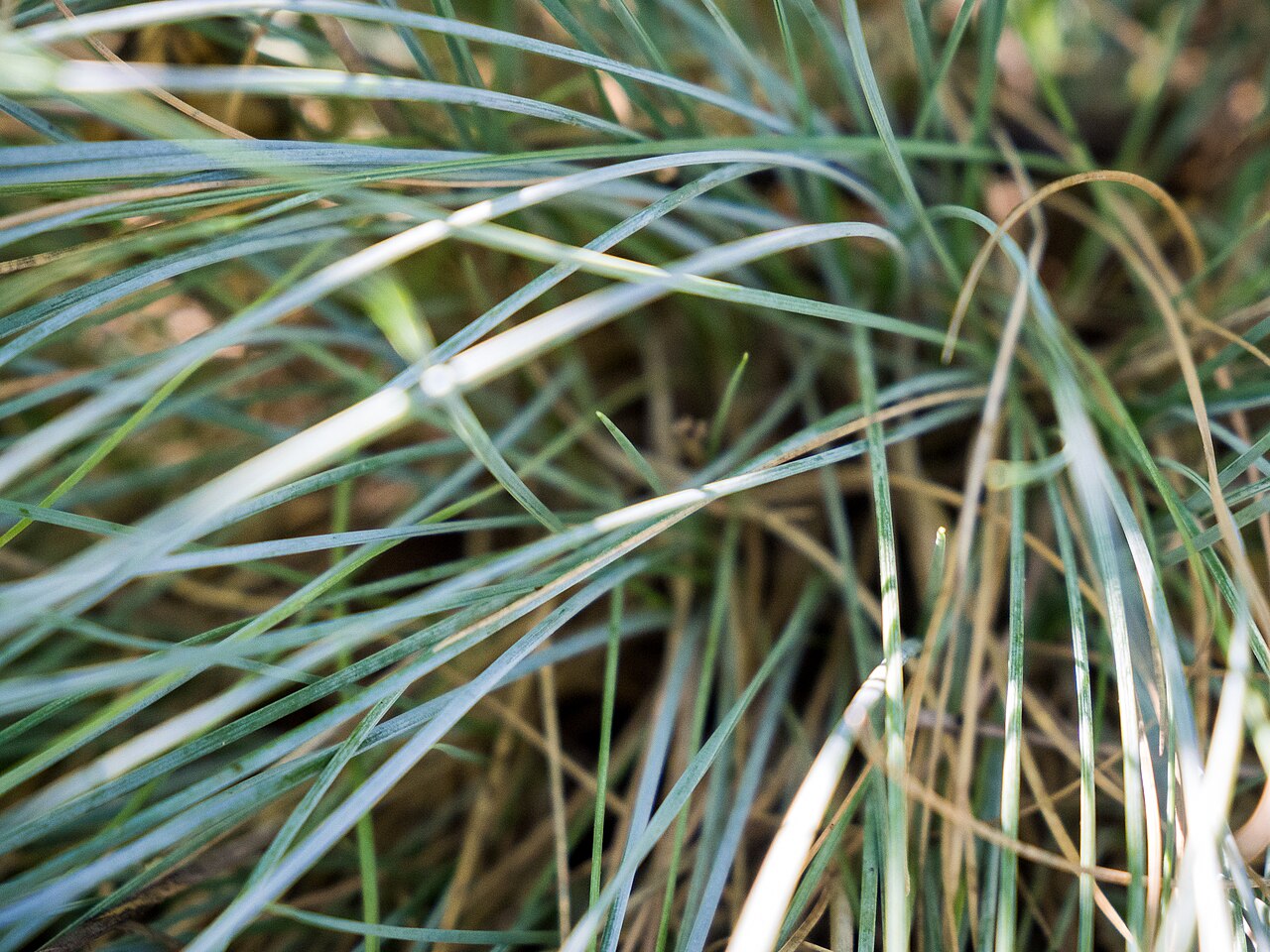
Blue fescue is a small, cool-season ornamental grass, 8–12 inches tall and wide, forming a dense dome of fine, needle-like blue-gray blades — like a pincushion, or a tiny porcupine, depending on your imagination. It is grown for color and texture: plant it in swaths for a silver stream effect, as edging along paths, or in rock gardens and containers. Plant in spring or fall in full sun and well-drained, even poor soil; blue fescue hates wet soil and summer humidity, and in hot, humid climates it is often short-lived — treat it as a delightful 2–3 year plant there, or give it excellent drainage and air flow. Space 8–12 inches apart. The cultivar ‘Elijah Blue’ is the garden standard.
Water & feeding
Water until established, then water sparingly; blue fescue is drought-tolerant once settled and rot-prone in wet soil. Do not fertilize heavily — lean soil keeps the blue color strongest. In humid climates, avoid overhead watering and mulch with gravel.
Common problems
- Short life in hot, humid climates — normal for the species; replant every few years or choose a tougher grass for the spot.
- Center dying out — divide or replace every 2–3 years; comb out dead blades in spring.
- Rot in wet soil — drainage is essential; plant high or in a raised bed.
- Fading color in shade — blue fescue needs full sun for its best silver-blue.
Notes
Comb out dead foliage in spring with your fingers or a small rake, and cut back tattered clumps to a few inches to refresh them. Divide in spring or fall if the center dies — divisions re-establish quickly. Blue fescue pairs with sedum, lavender, and other sun-lovers that share its taste for drainage and lean soil.
Browse all plant & pest guides
Saving seeds (and why division usually wins)
Blue fescue will let you save seed, but it will not promise you a blue fescue back. That is the whole story in one sentence, and everything below is the fine print.
First, the seed route, for the experimenters. In summer the tuft sends up slim flower stems topped with small seed heads. Wait until those heads are dry and papery, then clip them into a paper bag and rub or shake the seed free. Sow shallowly — barely cover the seed, since light helps it along — in a pot or a prepared patch, and keep it evenly moist until seedlings appear. Saved seed stays viable only a season or two in home storage, so do not build a seed library out of it; sow it the same year if you can.
Now the catch, stated plainly: seedlings from a named variety like ‘Elijah Blue’ or ‘Beyond Blue’ will not reliably come true. Expect variation — greener blades, looser tufts, a blue that is more rumor than statement. Some gardeners report weak or patchy germination from garden-collected seed, and sources disagree on just how fussy it is, so treat any home-saved batch as a lucky dip, not a production line. If what you love is a specific cultivar’s exact silver-blue dome, seed is the wrong tool for keeping it.
Division is the right tool, and conveniently it is also the maintenance this grass wants anyway. Every few years, blue fescue clumps die out in the middle and look like a thinning donut. Dig the whole clump in spring, throw away the woody, worn-out center — it will not regenerate, no matter how hopefully you replant it — and replant the vigorous outer sections with roots attached. Each division is a genetic photocopy of the parent, same color, same habit, same tidy mound. That is how you keep a cultivar a cultivar.
Florida note, with feeling: blue fescue is a cool-season grass that sulks through Florida heat and humidity, so if your clump is already struggling, no seed-saving trick will rescue it — division of a healthy clump in a cooler, drier spot is the better bet. And whatever you save, dry it thoroughly and store it airtight with a desiccant packet in a cool, dark place, because Florida air will rehydrate seed faster than you expect.
Varieties
Every named variety of Blue Fescue with its own growing guide:
- Beyond Blue Blue Fescue — The heat-holding blue fescue: intense powder-blue foliage that resists browning and holds its color through summer heat and humidity.
- Boulder Blue Blue Fescue — The tough, uniform blue fescue: steel-blue foliage in a tidy mound, praised for strong color in mass plantings and tolerance of tough spots.
- Elijah Blue Blue Fescue — The classic blue fescue: the most popular cultivar in the trade, with icy silver-blue foliage in a neat 8- to 12-inch mound.