
💙 Boulder Blue Blue Fescue
What it looks like
Why this variety
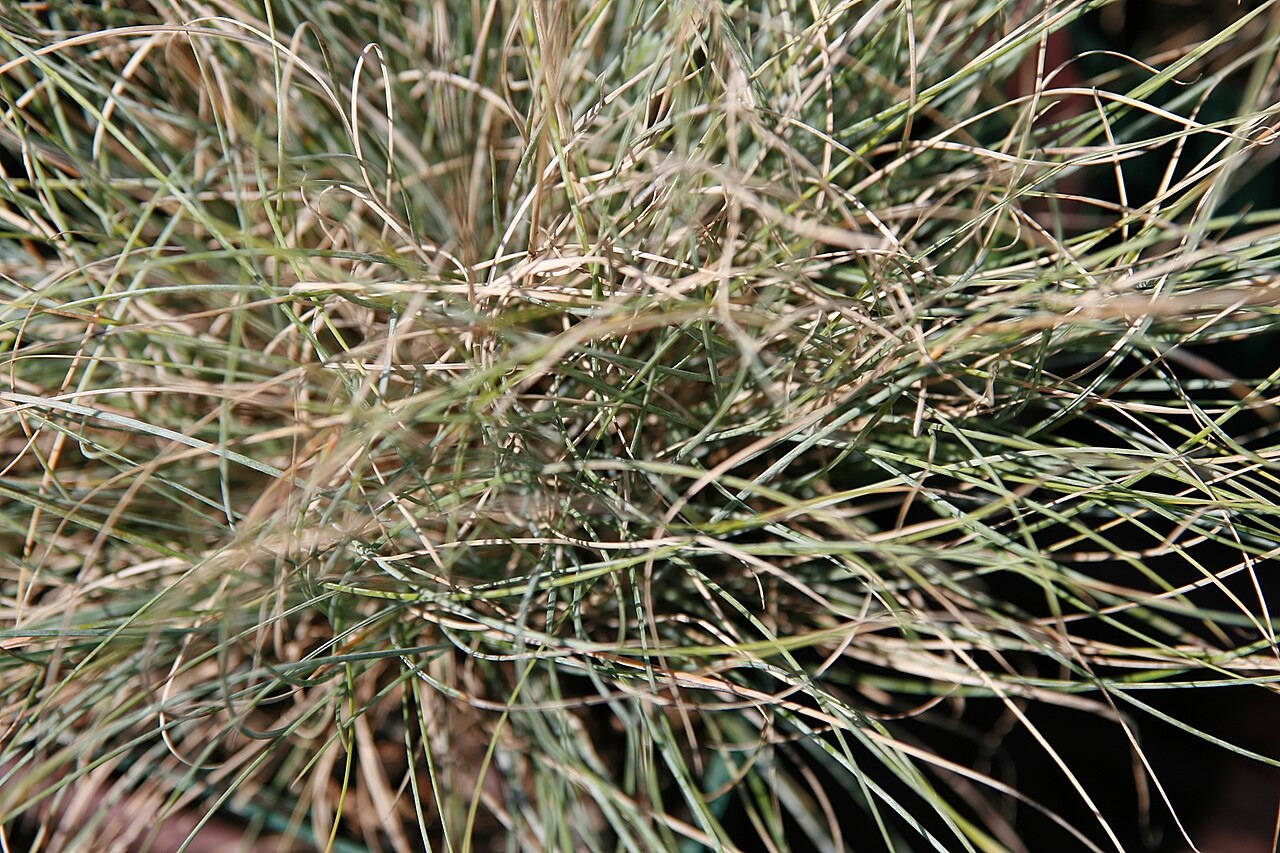
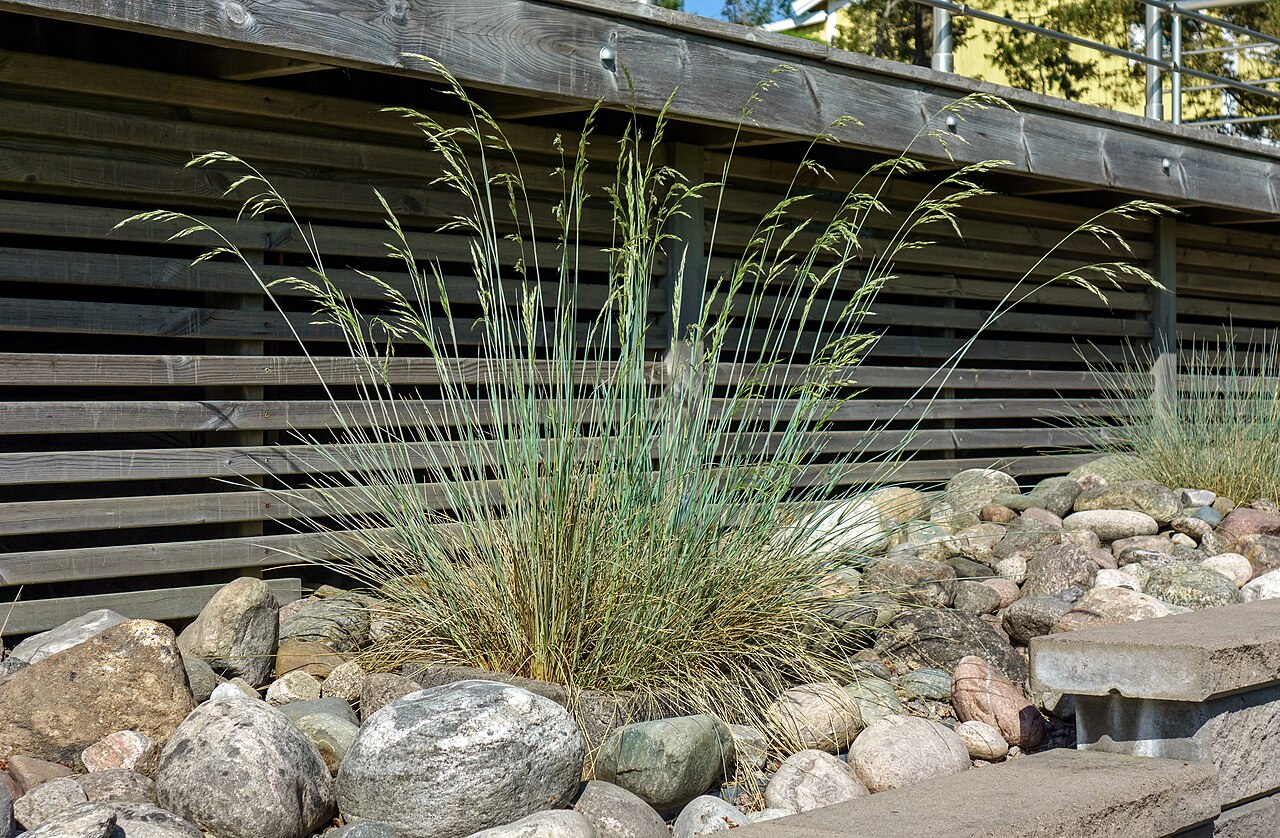
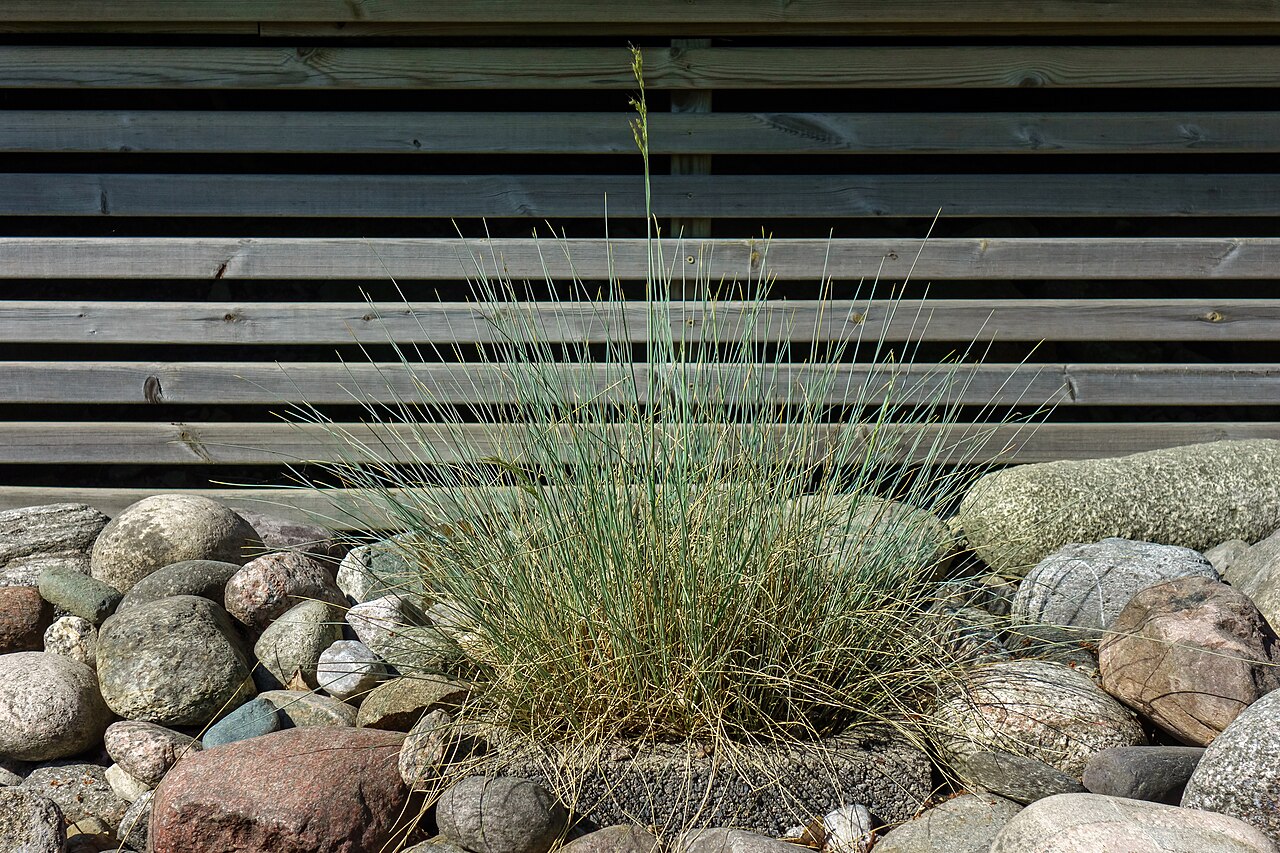
Boulder Blue is the blue fescue for mass plantings and tough spots: steel-blue foliage, broader leaves than some cultivars, and a tidy, medium-sized mound — about 12 inches tall, sometimes to 18 inches with plumes — that holds its form uniformly across a planting, which is why it is praised for strong color and even habit in drifts and edging. It is also noted for drought and heat tolerance once established, tougher than its delicate looks suggest, and it pairs the classic blue-fescue silhouette — a dense dome of fine foliage — with a vigor that makes it forgiving of lean soil and occasional neglect. If Elijah Blue is the classic, Boulder Blue is the workhorse that looks almost as good and complains less.
The trade-off is the fescue trade-off: short life, center decline, and a hatred of wet feet. Boulder Blue wants full sun and sharp drainage; in shade it greens up and loses the steel-blue color you bought it for, and in wet soil it rots, especially in winter. Cut off the wheat-colored flower plumes if you want foliage rather than seed, and divide clumps every few years to reset the center — a fescue that has gone brown in the middle is not dead, it is old, and division is retirement planning for grasses.
If you are new to choosing between cultivars, the Varieties Matter guide explains why the name after the plant matters as much as the plant itself. Boulder Blue is a perfect example: it is not just a blue fescue in the abstract, it is a blue fescue with a specific job, a specific history, and specific strengths.
Florida honesty, stated plainly: blue fescue is a North Florida trial, not a statewide promise. It is hardy to zone 8, and Florida’s long, humid summers exceed what a cool-season grass enjoys — expect fade, browning, or death south of the Panhandle, and even in North Florida give Boulder Blue full sun, sharp drainage (raised beds where rain ponds), and no extra summer water, which rots it faster than drought does. Its heat tolerance helps, but it does not rewrite the zone map: trial it as edging, and let a second summer be the verdict.
How to grow
Plant in spring or fall in full sun and sharply drained, even lean soil — blue fescue is a low-water grass that rots in wet soil faster than it starves in poor soil. Work a little worm castings into the bed at planting, do not overwater it, and do not mulch it into moisture. Space for air, cut off the tan plumes in summer if you want foliage rather than seed heads, and divide clumps every few years when the center declines.
Set plants 8-12 inches apart in soil with a pH around 6.0-7.0. Work worm castings into the bed at planting and mulch to hold moisture. A well-fed blue fescue plant rewards that care directly: steadier growth, better bloom, and a show that actually shows up.
Water & feeding
Water to establish, then water sparingly — blue fescue is a low-water grass that rots in wet soil, and the watering mistake is almost always overwatering. Water at the soil line, do not mulch heavily, and feed lightly: castings at planting is usually enough, because rich, wet soil makes green, floppy fescue instead of blue, tight fescue. Sun plus lean, drained soil makes the color; water makes the rot.
Common problems
- Center decline — clumps brown out from the center as they age; divide every few years to reset them, and replant divisions.
- Browning or greening in summer heat — heat and humidity wash out blue color; Beyond Blue holds color best, and no cultivar holds it forever in hot summers.
- Rot in wet soil, especially in winter — sharp drainage is non-negotiable; raised beds where rain ponds, and no heavy mulch against crowns.
- Greening in shade — fescue needs full sun for its best blue; shade turns it green and leggy.
- Short life in hot-summer areas — blue fescues are short-lived perennials in warm climates; treat them as edging to divide and replant, not as permanent shrubs.
Harvest
There is no flower harvest to speak of — blue fescue is grown for foliage, and the tan plumes are usually cut off to keep the mound tidy. The real ‘harvest’ is division: every few years, dig a declining clump, split it into healthy outer pieces, discard the brown center, and replant divisions in sun and sharp drainage. Comb out dead foliage in spring with your fingers or a rake, and the mound will look fresh without shearing, which removes the foliage the plant needs.
Browse all plant & pest guides
Saving seeds
Boulder Blue is a named cultivar, so seed saved from it won’t come true — divide clumps instead. The Saving seeds section of the Blue Fescue guide covers seed for the straight species.