
🩵 Blue Ice Bog Rosemary
Why this variety
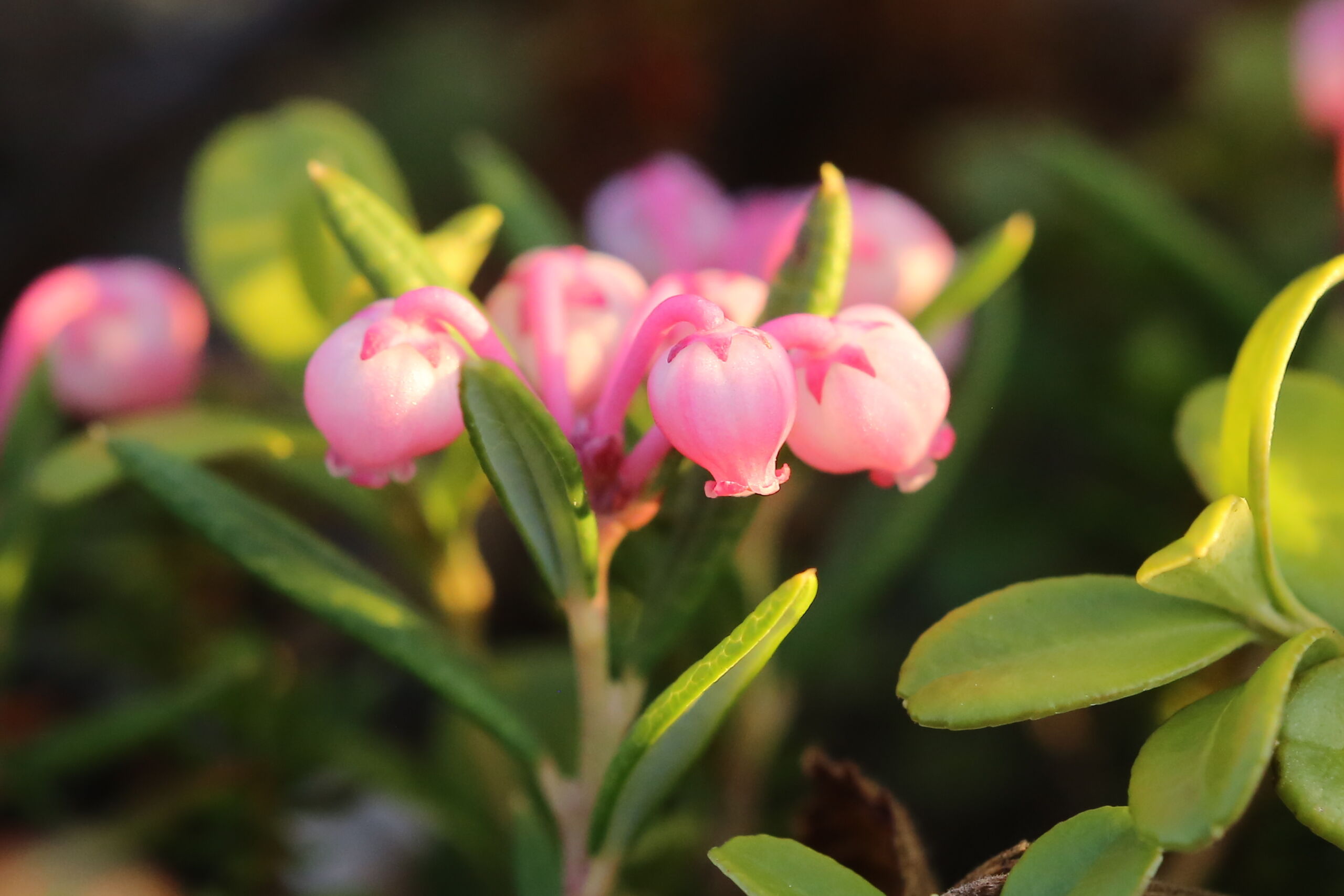
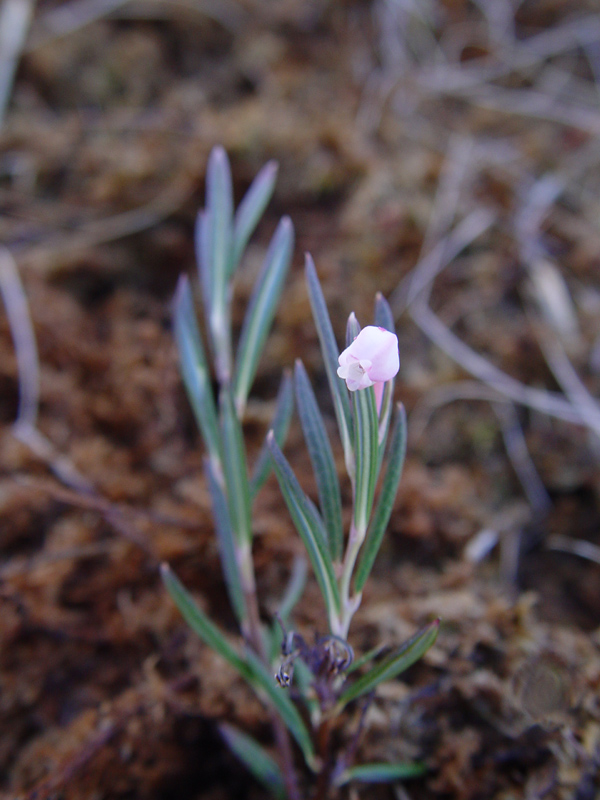
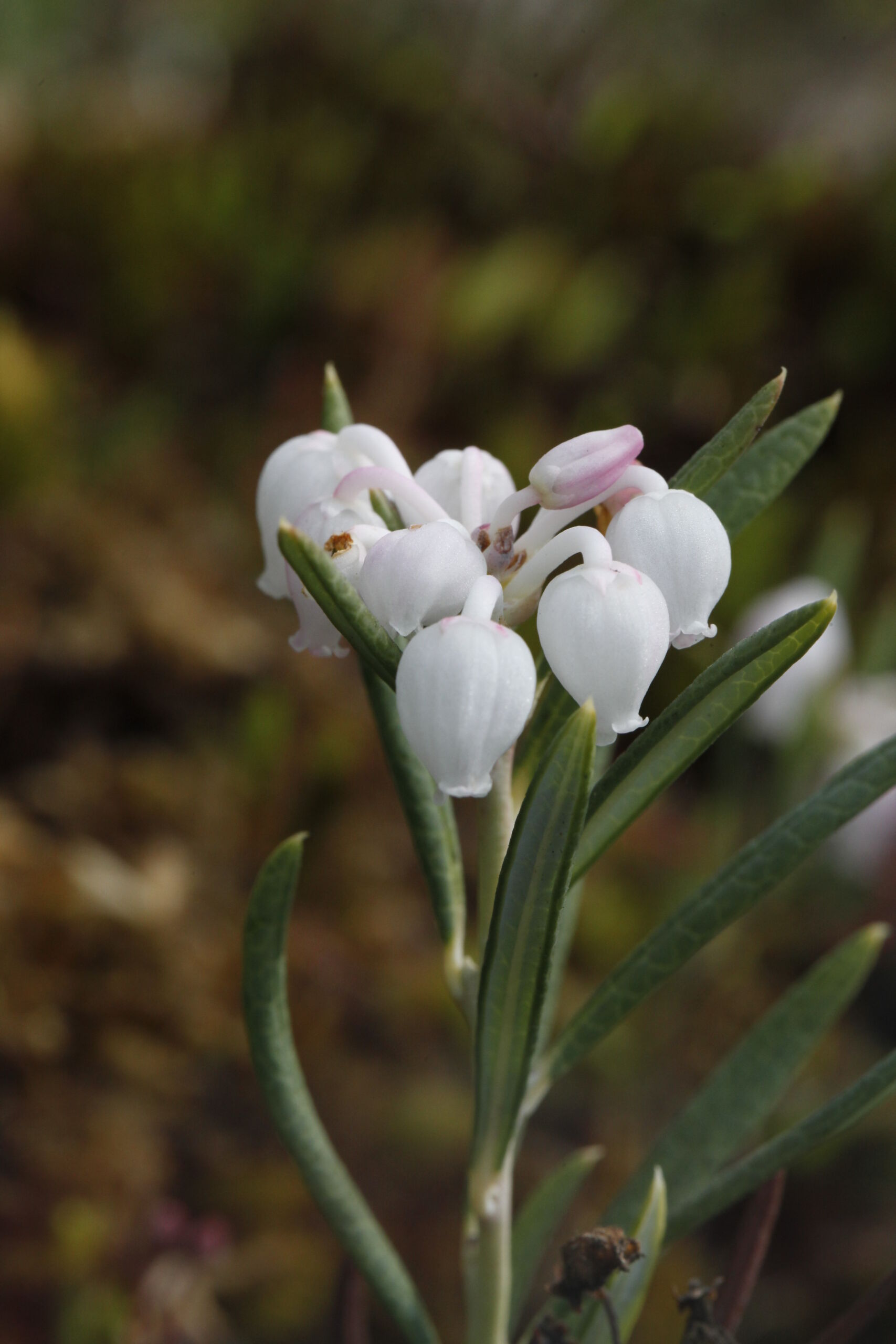
‘Blue Ice’ is the bog rosemary you pick when the foliage is the point. North Carolina Extension lists it as one of the two named cultivars of the species, and the University of Connecticut plant database describes its selling point in five words: intense slate-blue leaf color, popular in the trade. The Royal Horticultural Society calls it a dwarf, low-growing, compact, spreading evergreen shrub with narrow blue-green leaves, and adds the detail that makes it a garden plant rather than a botanical footnote: in spring it throws profuse clusters of small nodding pink bell-shaped flowers that almost cover the plant and hide the foliage underneath.
That is the whole pitch, and it is a good one. Most bog plants are green-on-green for most of the year; ‘Blue Ice’ is blue-green all year and then pink for a few glorious weeks. It is still the same plant underneath the selection, though: a low, slow, evergreen heath of the sphagnum bog, with leathery leaves that are dark above and white beneath, margins rolled under like a tiny scroll to slow water loss in bright, windy places. The blue is a waxy bloom on that same leaf, not a different leaf altogether.
Poison warning, first and always: every part of bog rosemary is poisonous. It contains grayanotoxins, the same family of compounds that makes some heath-family honey toxic, and eating any part of it can cause dizziness, vomiting, and breathing trouble. This is a look-at plant, never a taste-it plant, and it is not a substitute for culinary rosemary, which is a mint-family herb from the Mediterranean and not a relative at all. Keep it away from curious children and grazing animals, and wash your hands after handling it.
How to grow
Grow ‘Blue Ice’ by copying a bog, in miniature. Give it moist, acid, humus-rich soil and sun to part shade, and plant it where water lingers: a bog garden, a pond or stream margin, a rain garden that actually stays damp, or a container sunk into a tray of rainwater. The soil recipe is the whole game: peaty or sandy, humus-rich, lime-free, and strongly acidic, around pH 3.5 to 5.5. Ordinary garden soil, especially anything limy, is a slow death sentence for a calcifuge like this one. If your soil is neutral or alkaline, build the bog in a container with ericaceous compost and peat, and keep lime out of it entirely, including in the water you use.
Plant in spring so the roots settle before winter, set the crown at the same depth it grew in the pot, and mulch with pine needles or shredded bark to hold moisture and keep the root zone cool. Space plants 24 to 36 inches apart: this is a slow spreader, maturing over 5 to 10 years, and it will not fill a gap in a season, so do not plant it as a quick groundcover and then blame it for being itself. Full sun is fine where moisture is reliable; where summers run hot, give it dappled shade or afternoon shade, because heat plus humidity is the combination this plant hates most.
The Florida translation, honestly: this is a cold-climate bog plant, hardy in zones 2 to 6, and it does not do well in heat and humidity or anywhere south of zone 6. For most of Florida that means this guide is a study in what the plant wants, not a planting recommendation: a container kept cool and wet in the far north of the state is a trial, not a promise, and the rest of the state should admire it from the species guide and spend its bog-garden energy on plants that actually like warm, wet feet. If you are reading this from a genuinely cold climate, everything below is for you.
Water & feeding
Water is not optional here. Bog rosemary wants constantly moist soil and will not tolerate drying out between waterings; a dry spell is the fastest way to lose it. Rainwater is better than hard tap water, because hard water creeps the pH upward over time, and pH is destiny for this plant. In a container, stand the pot in a shallow tray and keep the tray topped up in summer, but do not let the plant sit in stagnant, airless water for weeks on end, which invites root rot.
Feeding is light and lime-free or not at all. A plant in good peaty soil needs very little fertilizer, and a standard garden feed can do more harm than good. If you feed, use a dilute ericaceous (acid-loving plant) feed in spring, and never use a fertilizer containing calcium carbonate. The real feeding, ecologically speaking, comes from the heath family’s ericoid mycorrhizae, the fungi that live in its roots and help it scavenge nutrients from poor, acidic peat. That is why bog plants thrive on almost nothing: they have subcontracted the foraging.
Common problems
The honest problem list for ‘Blue Ice’ is short, and most of it is the gardener, not the plant. Wrong soil is number one: alkaline or lime-rich soil shows up as yellowing leaves, stunted growth, and a plant that slowly gives up. Drought is number two: browned leaf tips and dieback after a dry spell. Heat and humidity are number three, and they are not fixable with mulch; south of zone 6 this plant simply declines. Waterlogging is the subtler trap: it wants wet, not airless, and the RHS notes it may be susceptible to root-rot fungus in waterlogged soil, so the bog should drain slowly, not stand as a stagnant pool.
Pests and diseases are otherwise few; North Carolina Extension reports no known diseases or insect pests for the species, and the RHS calls ‘Blue Ice’ generally pest-free. Prune lightly after flowering if you must, removing dead, diseased, or damaged branches, and leave the rest alone: this is not a shrub that wants shaping.
Harvest
There is no harvest here, and that is the point to be clear about rather than coy. Bog rosemary is poisonous, so nothing about it goes in the kitchen, the teapot, or the medicine cabinet. What you harvest is the show: a spring flush of pink bells over blue-green foliage, and an evergreen mat the rest of the year. Deadhead nothing, pick nothing, and enjoy the plant the way you enjoy a good piece of northern weather: from a respectful distance, in the right climate, while it lasts. If a seller ever offers you ‘Blue Ice’ as an edible rosemary substitute, walk away: that seller does not know this plant.
Browse all plant & pest guides
Saving seeds
Blue Ice is a named cultivar, so seed saved from it won’t come true — buy a nursery plant instead. The Saving seeds section of the Bog Rosemary guide covers seed for the straight species.