
🩷 Bog Rosemary
What it looks like
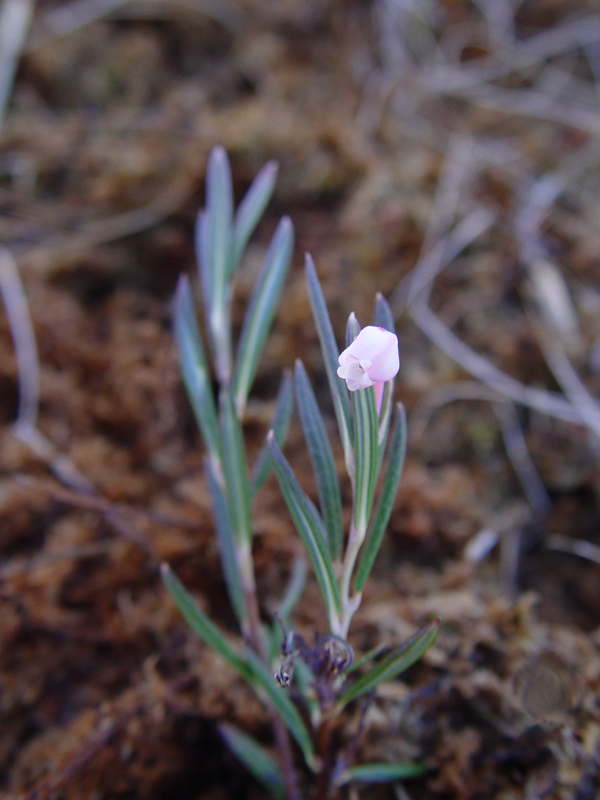

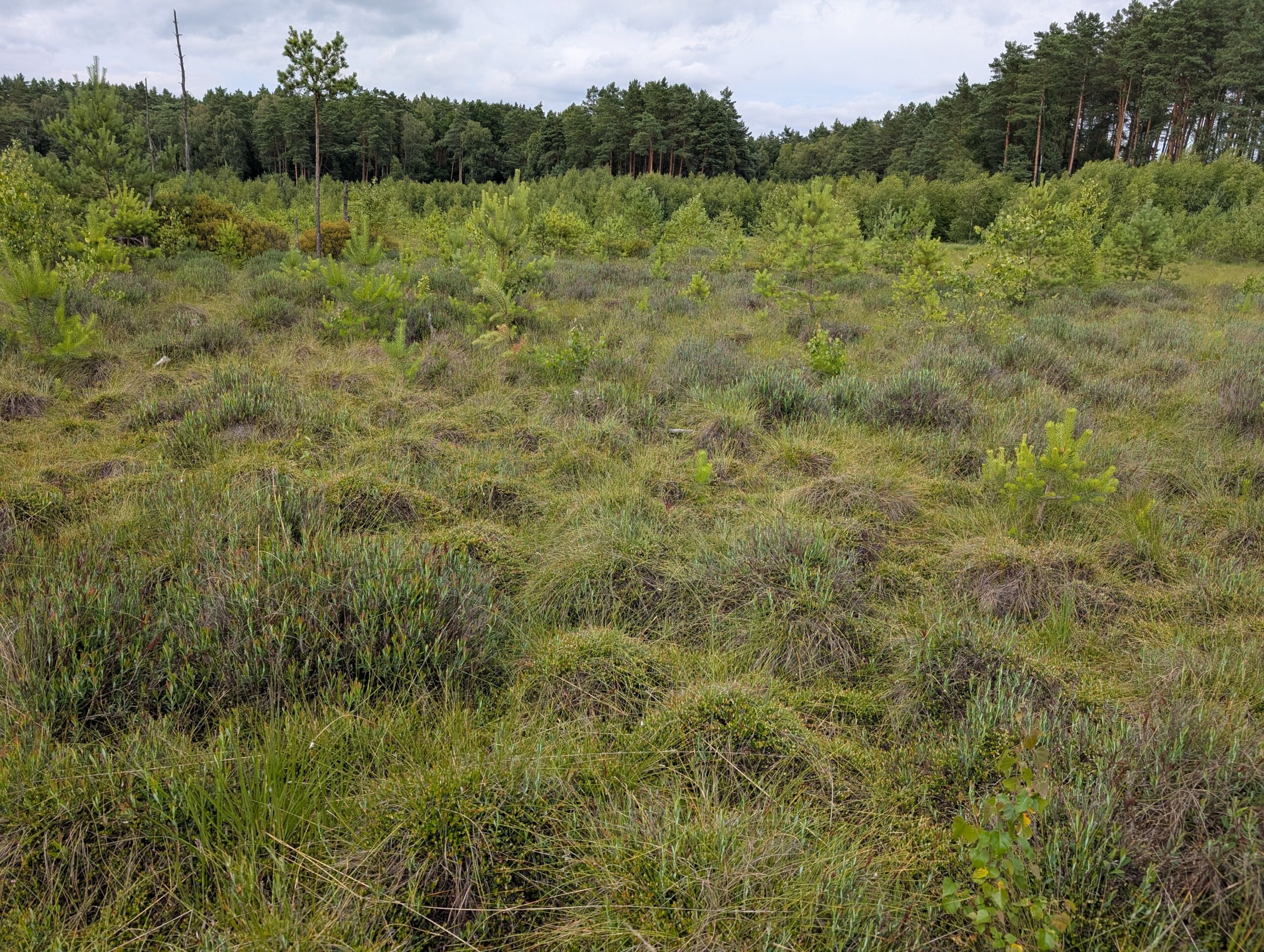
Bog rosemary is a low, evergreen shrub of the heath family, Ericaceae, the same family that holds blueberries, cranberries, rhododendrons, and mountain laurel. In the wild it is usually a miniature: most plants stand only 4 to 8 inches tall, rarely reaching about 16 inches, with slender, creeping stems that root as they go and slowly knit themselves into a mat. Garden references list larger plants, up to 2 or even 3 feet, and that disagreement is worth knowing before you buy: the plant you get from a nursery, grown in rich garden peat with steady water, may grow taller and lusher than the wind-pruned wild plant on a sphagnum mat. Either way, the habit is the same, a low, spreading, slow-growing groundcover that looks delicate and behaves like a survivor.
The leaves are the reason for the common name, and the reason the name is a trap. They are narrow, lance-shaped, leathery, and evergreen, 1 to 5 centimeters long, dark green above and startlingly white beneath, with the margins rolled under in a tight curl. At a glance they look like rosemary leaves, and that is the whole story of the name: a superficial resemblance, not a relationship. True culinary rosemary is a mint-family herb from the Mediterranean; bog rosemary is a heath from the circumpolar north, and the two plants share nothing but a leaf silhouette. The white undersides and rolled margins are bog engineering, not decoration: they slow water loss from leaves that sit in bright, windy, exposed places, and the evergreen habit lets the plant start photosynthesizing the moment the snow melts, before its deciduous neighbors have even woken up.
The flowers are the payoff, and they are small enough to miss if you walk past too fast. In late spring to early summer, each branch tip carries a small nodding cluster, a curved umbel, of bell-shaped, urn-shaped flowers, white to pink, only 5 to 8 millimeters long, like a handful of tiny lanterns hung upside down. They bloom in May through July depending on latitude, and they are followed by a small, dry, roundish capsule that splits into five parts and has no ornamental value worth mentioning. The whole plant is a study in miniature: small leaves, small bells, small fruit, and a very large attitude about where it will and will not live.
Two disambiguations matter here, both in plain text. First, bog rosemary is not edible, not a rosemary substitute, and not a plant to nibble out of curiosity: every part of it is poisonous, and that warning is repeated in the problems section below because it is the single most important fact about growing it. Second, the genus Andromeda holds only this one species. Botanists recognize two varieties, var. polifolia across northern Europe, Asia, and northwestern North America, and var. latifolia, also known as Andromeda glaucophylla, in northeastern North America, but there is no second Andromeda species waiting in the wings. A genus-level guide would describe this same plant, so this species guide is the growing guide for the whole genus.
How to grow
Grow bog rosemary by copying a bog, and be honest with yourself about whether you can. In nature it grows only in cold, peat-accumulating wetlands: sphagnum bogs, fens, and peaty margins across the northern Northern Hemisphere, from Newfoundland to Saskatchewan in North America and south to New Jersey, Indiana, and Minnesota at the warm edge of its range, with a circumpolar range across northern Europe and Asia. The soil is the whole recipe: moist, cool, peaty or sandy, humus-rich, lime-free, and strongly acidic, around pH 3.5 to 5.5. It wants light shade to full sun, with dappled sunlight or partial shade the safest bet in most gardens, and full sun only where moisture is reliable. Plant it in a bog garden, at a pond or stream margin, in a rain garden that stays damp, or in a container sunk into a damp bed, and never in ordinary garden soil with a bag of lime worked in. Lime is the enemy here: this is a plant that evolved in ground with almost no calcium, and alkaline soil will kill it as surely as drought will.
Hardiness is the good news and the bad news at once. Bog rosemary is hardy to zone 2, shrugging off cold that kills most garden shrubs, and the standard range given by extension sources is zones 2 to 6. One nursery reference stretches that to zone 9, but that is an outlier, and the conservative reading, backed by North Carolina Extension and most garden references, is zones 2 to 6. The limiting factor is not cold but heat and humidity: it does not do well south of zone 6, and it is frankly not a Florida plant. Florida gardeners reading this guide should admire it from a distance, in photographs, because Florida heat, humidity, and summer rain are the opposite of what this plant wants, and no amount of peat will fake a boreal bog through a Florida August. In zones 2 to 6, plant in spring or fall, space plants 24 to 36 inches apart so the creeping stems have room to knit into a mat, and set them at the same depth they grew in the pot. It spreads slowly by creeping rhizomes and suckers, so patience is part of the planting plan: this is a plant that takes its time and then, years later, surprises you with a dense, flowery mat.
Do not feed it like a garden shrub. Bog plants live in nutrient-poor peat, and bog rosemary leans on mycorrhizal fungi in its roots to extract what little nutrition exists there. Rich fertilizer and compost-heavy soil push soft growth and invite trouble; a lean, peaty, acidic mix is the correct generosity. If you must mulch, use acidic organic matter, pine needles or shredded bark, kept off the crowns, and in drier sites a spring mulch helps hold the moisture this plant insists on. Propagation is possible but slow, like everything else about this plant: semi-ripe cuttings taken in July or August root with care, and seed needs the cold, damp patience of a bog winter. For most gardeners, the honest advice is to buy a nursery plant, build it a proper bog corner once, and then leave it to its slow, mat-forming business.
Water & feeding
Water is the non-negotiable. Bog rosemary requires consistently moist soil and must not be allowed to dry out between waterings. Think of a wrung-out sponge: damp all the way through, never soggy-stagnant for weeks, never dry. In a true bog garden with sphagnum and a high water table, nature does the work. In a garden bed, you do it: water deeply when the top inch begins to dry, keep the root zone cool with mulch, and check it in hot, dry spells, because a dried-out bog rosemary rarely forgives you. Wet soils are tolerated well, and standing water in a bog setting is part of its native life, but a container plant sitting in a saucer of stagnant water will rot like anything else. Drainage here means oxygen in the peat, not dryness: moist and airy beats wet and airless, and dry is simply fatal.
Feeding is the opposite of watering: do almost nothing. No lime, ever. No heavy fertilizer. A light spring feed with an acid-formulating, slow-release fertilizer is the most that some growers recommend, and many growers recommend nothing at all beyond the peat itself. If your plant is yellowing in alkaline soil, the problem is pH, not hunger, and fertilizer will not fix it: only repotting into acidic peat will. This is one of those plants where the kindest thing you can do is stop trying to improve it and let the bog conditions do their quiet work.
Common problems
- Poisonous, all parts. This is the headline warning. Bog rosemary contains grayanotoxins, also called andromedotoxins, the same family of toxins found in rhododendron and mountain laurel, and every part, leaves, stems, flowers, and fruit, is poisonous if eaten. Reported symptoms include dizziness, vomiting, diarrhea, and respiratory problems, and the plant is dangerous to people, pets, and livestock. Do not plant it where toddlers or grazing animals will sample it, do not brew it, do not confuse it with culinary rosemary, and teach children that this rosemary is a look-but-do-not-touch plant.
- Heat and humidity. The most common reason for failure south of zone 6. A plant that thrives through a zone 2 winter will sulk, scorch, and die in a hot, humid summer, and shade alone does not save it. If you are south of zone 6, admire it elsewhere.
- Drying out. The second most common killer. One dry spell at the wrong moment can finish a plant that survived a winter at minus 40. Consistent moisture is not a preference, it is the plant’s life support.
- Alkaline or limed soil. Ordinary garden soil, concrete leachate near paths and foundations, and well-meaning lime applications all push pH up, and bog rosemary chloroses and declines. Test pH before planting, and plant in peat, not in your beds.
- Powdery mildew, leaf spot, and rust. These show up occasionally, powdery mildew as white spots on the upper leaf surfaces, and they are usually a sign of stress, crowding, or poor air movement rather than a crisis. Improve air circulation, avoid overhead watering late in the day, and remove affected leaves.
- Wild collection. Bog rosemary is a species of special concern in parts of its range, including Pennsylvania, where it is ranked vulnerable, and it is a protected species in some European regions. Never dig it from a wild bog: buy nursery-grown plants, and leave wild populations to the bogs that made them.
Harvest
There is no harvest from bog rosemary, and that is a feature, not a gap. The fruit is a small dry capsule with no ornamental or culinary value, and the plant’s value is the flower show in May through July, the evergreen mat through winter, and the wildlife role it plays in a bog garden, where its bells feed early pollinators and its mat shelters the damp world underneath. Butterfly gardeners should know the honest context: bog rosemary appears as a host plant in northern butterfly guides, including for the cranberry blue, the frigga fritillary, and the mariposa copper, which is why it earns a growing guide here at all. If you garden in zones 2 to 6 and can give it a real bog corner, it is a jewel. If you cannot, the honest harvest is the knowledge, and the photographs.
Saving seeds
Toxicity warning first, because it matters more than anything else in this section: bog rosemary (Andromeda polifolia) is poisonous. All parts of the plant, leaves, flowers, and pollen included, contain grayanotoxins, also called andromedotoxin, which can cause nausea, vomiting, dizziness, low blood pressure, and heart rhythm problems if ingested. Do not eat it, do not brew it as tea, and keep it out of reach of children and pets. Wear gloves when handling cuttings or seed heads, wash your hands afterward, and grow it as an ornamental bog plant, never as anything to taste. This warning is not decoration; it is the section.
With that said, bog rosemary seed is a slow, northern project, and Florida gardeners should hear the climate part plainly: this is a circumboreal bog subshrub that wants cold winters and permanently moist, acidic peat, and it will not thrive in Florida heat. Seed saving belongs to a northern bog garden, or to a cool-climate grower with a genuine bog to plant into.
Collect seed from the small dry capsules in late summer, when they are ripe, and dry them fully indoors with airflow before extracting the tiny seed. In nature, bog rosemary seed is in no hurry at all: it may sit in the soil for a year or more before germinating, and seedling establishment in the wild is rare, with most spread happening vegetatively by rhizomes. In the greenhouse, sow in late winter or early spring in an acidic compost, surface-sowing or barely covering the seed, in light shade, and keep it moist and well ventilated, because the seedlings are famously prone to damping off, the fungal collapse that fells crowded, airless seedlings. Some growers cold-stratify the seed for a month or two in the refrigerator first, and that matches the plant’s winter expectation, but sources disagree on whether it is required, so treat a chill as helpful rather than magical. Germination, when it comes, usually takes a month or two at cool temperatures, and it is uneven, so sow more than you think you need and do not discard a tray too soon.
Prick seedlings out into individual pots as soon as they are handleable, grow them on under cover for at least their first winter, and plant out only in early summer once they are six inches tall or more, into the wet, lime-free, peaty ground they demand. From seed to flower is a multi-year wait, and seedlings vary, so named selections are kept true by cuttings, not seed, and even those test patience: half-ripe cuttings taken in summer can take well over a year to root, layering takes longer still, and division in early spring works best on plants prepared the season before. Honestly, for most growers, division or a nursery plant beats seed entirely, and seed is for the patient bog gardener who enjoys raising a poisonous beauty from scratch.
Store any seed you are not sowing right away the careful way: dried thoroughly, labeled, airtight with a desiccant packet, cool and dark, and labeled with the toxicity warning as well as the name, because a jar of tiny brown seed looks innocent and this one is not. Never sow saved seed into a wild bog, where a garden strain does not belong, and never let children handle the seed heads unsupervised. A beautiful, toxic bog plant deserves respect at every step, from capsule to compost.
Varieties
Bog rosemary is sold mostly as the straight species, and named varieties are few. Only real, verified forms are listed and linked here.
- Andromeda polifolia var. polifolia: The typical form, widespread across northern Europe, Asia, and northwestern North America, with the classic narrow leaves and pink-to-white bells.
- Andromeda polifolia var. latifolia (syn. Andromeda glaucophylla): The northeastern North American variety, with broader, more strongly glaucous, blue-white leaves. Some references treat it as a separate species, which is why you may see it sold under the glaucophylla name.
- ‘Blue Ice’: The blue-leaved bog rosemary, selected for slate-blue foliage and a spring blizzard of pink bells.
- ‘Nana’ (also sold as ‘Compacta’): The dwarf, mounding bog rosemary, under a foot tall and made for rock gardens and low, wet borders.
- ‘Compacta Alba’: The white-flowered compact bog rosemary, a scarce nursery form with pure white bells over silver-gray foliage.
No other named varieties were verified for this guide, and that scarcity is itself information: this is a wild plant with a small nursery footprint, not a shrub with a catalog of cultivars. If a seller offers you a bog rosemary variety not listed here, check that the name is real before you pay for it.