
🧸 Nana Bog Rosemary
Why this variety
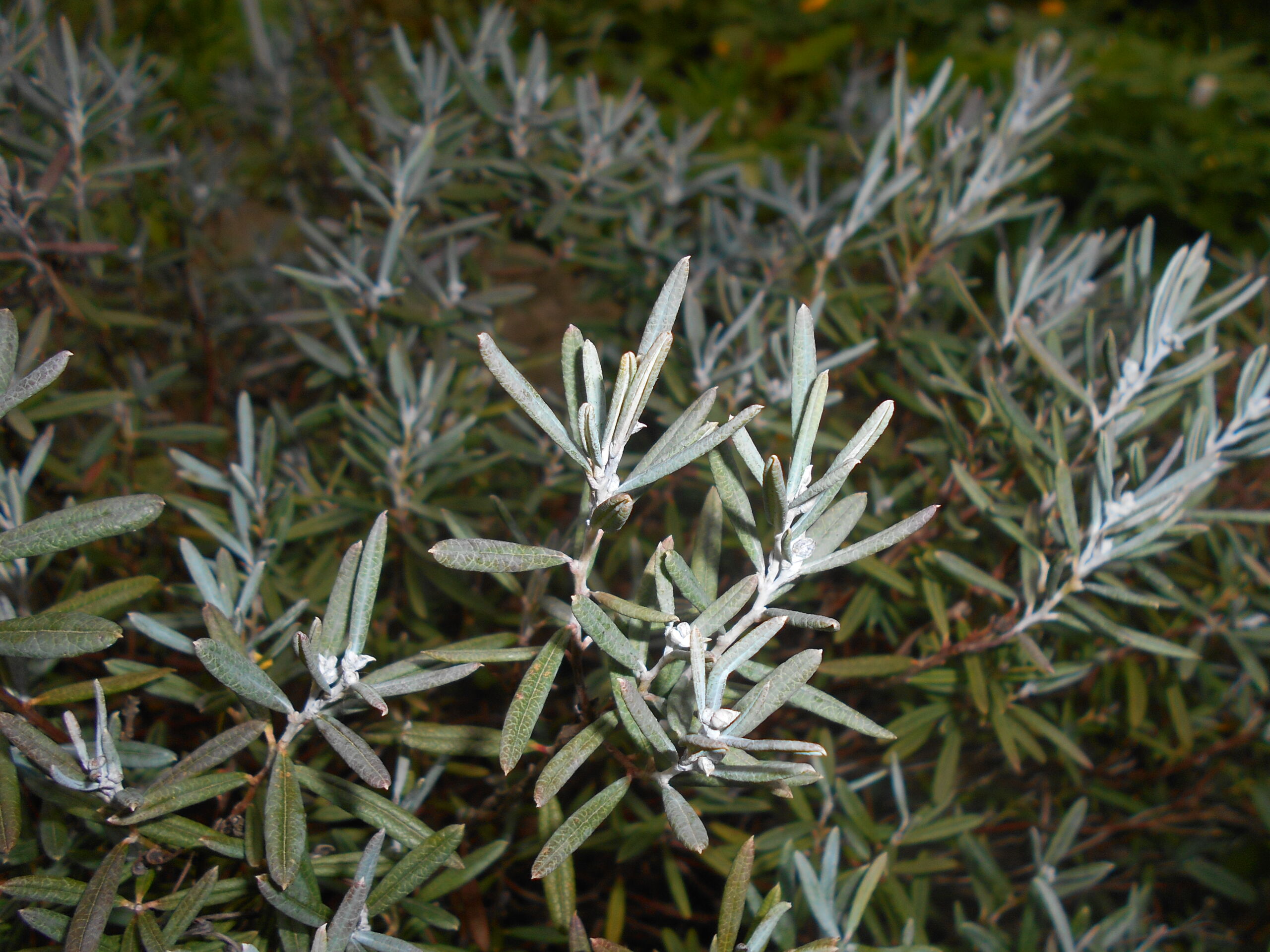
‘Nana’ is the small one, and small is the whole idea. North Carolina Extension lists it alongside ‘Blue Ice’ as one of the two named cultivars of bog rosemary, and the University of Connecticut database describes it as a dwarf habit, perhaps no taller than 18 inches. The fuller nursery description, and the one used in the species guide, is tighter: a compact, mounding form, under a foot tall and about 3 feet wide, suited to rock gardens and low borders in moist, acidic situations, hardy in zones 2 to 6.
One guide, two names, on purpose. This plant is also sold as ‘Compacta’, and the species guide lists it that way: ‘Nana’ (also sold as ‘Compacta’). They are the same dwarf, mounding plant under two trade names, not two varieties to collect, so this single guide covers both labels. If a nursery tag says ‘Compacta’, you are buying this plant; if it says ‘Nana’, you are buying this plant. Do not pay twice for the same shrub. Note the separate honor: ‘Compacta’ under that name holds the Royal Horticultural Society’s Award of Garden Merit, which is a useful check that the dwarf form is a real, garden-tested selection and not a marketing invention.
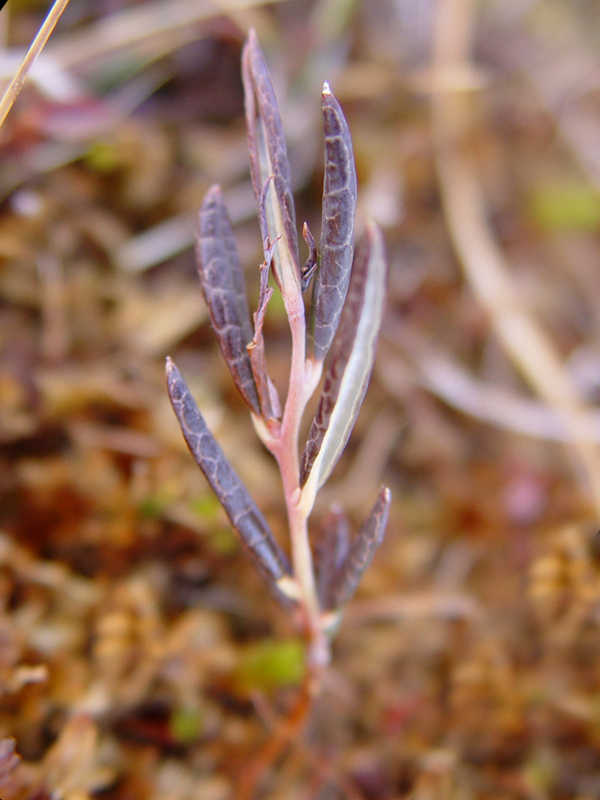
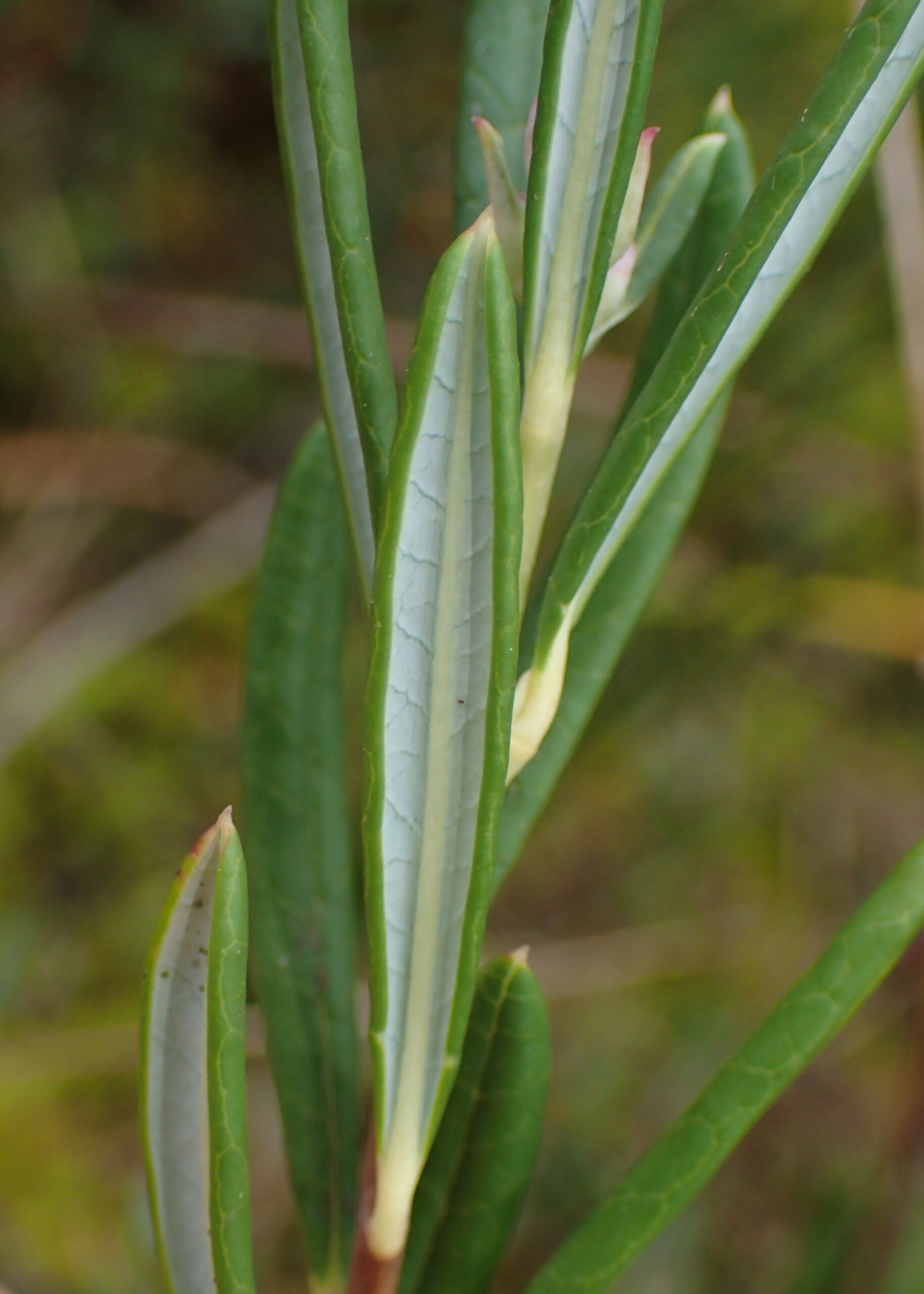
Everything else about it is bog rosemary, shrunk: evergreen, leathery, rosemary-looking leaves that are white beneath with rolled margins, and masses of tiny pink bells in late spring to early summer. Its job in the garden is detail work, the front of a damp border, the edge of a bog garden, the rock garden pocket that never dries out, where a full-size shrub would be a boulder and this one is a jewel.
Poison warning, first and always: every part of bog rosemary is poisonous. It contains grayanotoxins, the same family of compounds that makes some heath-family honey toxic, and eating any part of it can cause dizziness, vomiting, and breathing trouble. This is a look-at plant, never a taste-it plant, and it is not a substitute for culinary rosemary, which is a mint-family herb from the Mediterranean and not a relative at all. Keep it away from curious children and grazing animals, and wash your hands after handling it.
How to grow
Plant ‘Nana’ exactly where a bog rosemary wants to be, only lower. Moist, acidic, humus-rich, lime-free soil around pH 3.5 to 5.5, full sun to part shade, and a spot that stays damp: a bog garden, a pond margin, a rain garden, or a container with a water tray. In a rock garden, which is its classic home, the trick is a rock garden that is wet, not the usual dry scree: build the pocket with peat and ericaceous compost, mulch it, and water it like a bog plant, because that is what it is.
Set plants 24 to 36 inches apart so the mounds have room to spread to their full 3-foot width without elbowing each other, and be patient: this is a slow grower, and a mound that looks lonely in year one is a mound doing its job. Full sun suits it where moisture is reliable; in hotter summers, afternoon shade keeps the root zone cool. It is an acid-loving evergreen that needs full to partial sun and a moderate growth rate, which is nursery-speak for “it will get there, just not this afternoon.”
The Florida translation, honestly: this is a cold-climate bog plant, hardy in zones 2 to 6, and it does not do well in heat and humidity or anywhere south of zone 6. For most of Florida that means this guide is a study in what the plant wants, not a planting recommendation: a container kept cool and wet in the far north of the state is a trial, not a promise, and the rest of the state should admire it from the species guide and spend its bog-garden energy on plants that actually like warm, wet feet. If you are reading this from a genuinely cold climate, everything below is for you.
Water & feeding
Keep it moist, always. ‘Nana’ does not tolerate drying out, and a small plant in a shallow rock pocket dries out faster than a big shrub in deep peat, so the smallest plant in this group is paradoxically the thirstiest to watch. Rainwater beats hard tap water for the same reason as with every bog rosemary: hard water nudges pH upward, and this plant lives or dies by acidity. Mulch each spring with pine needles or shredded bark to hold moisture and keep roots cool.
Feed lightly or not at all, and only with an ericaceous feed if you feed in spring. The plant’s real nutrition comes from poor, acidic soil plus its ericoid mycorrhizal fungi, which mine nutrients from peat that most plants cannot use. Rich soil and standard fertilizer do not make it grow faster; they mostly make it unhappy.
Common problems
The problems are the species problems, at pocket scale. Alkaline soil shows as yellowing and decline; test before you plant, because guessing is how bog plants die. Drought browns the tips and thins the mound, especially in a rock garden that drains too freely. Heat and humidity south of zone 6 are a climate mismatch, not a care failure, and no amount of watering fixes a plant that wants a cold bog and gets a hot summer. Stagnant water can invite root rot, so the spot should be wet and slowly draining, not a sealed puddle.
Otherwise this is a notably trouble-free plant: North Carolina Extension reports no known diseases or insect pests for the species. Prune only after flowering, and only to remove dead or damaged wood; a dwarf mound that is sheared into a ball stops looking like a bog plant and starts looking like an apology.
Harvest
Again, no harvest: bog rosemary is poisonous, and ‘Nana’ is no exception just because it is cute. What you get instead is a year-round evergreen mound and a spring carpet of tiny pink bells, at ankle height, where you can actually see them without kneeling in a bog. Do not pick the bells, do not brew the leaves, and do not let the rosemary look-alike leaves fool anyone in the household into thinking this is a herb. The name is a leaf-shape joke; the poison is real.
Browse all plant & pest guides
Saving seeds
‘Nana’ is the small one, and small is the whole idea. North Carolina Extension lists it alongside ‘Blue Ice’ as one of the two named cultivars of bog rosemary, and the University of Connecticut database describes it as a dwarf habit, perhaps no taller than 18 inches. The fuller nursery description is tighter: a compact, mounding form, under a foot tall and about 3 feet wide, suited to rock gardens and low borders in moist, acidic situations. This plant is also sold as ‘Compacta’ — they are the same dwarf, mounding plant under two trade names, not two varieties to collect. As a named cultivar it is kept true by cuttings, not by seed — seedlings would not hold the dwarf, mounding habit. Plant ‘Nana’ exactly where a bog rosemary wants to be, only lower: moist, acidic, humus-rich, lime-free soil around pH 3.5 to 5.5, full sun to part shade, and a spot that stays damp. The full method is in the Saving seeds section of the Bog Rosemary guide.