
🤍 Compacta Alba Bog Rosemary
Why this variety
‘Compacta Alba’ is the white one, and the scarce one, and this guide is honest about both halves of that sentence. The Royal Horticultural Society lists the name with Accepted status, and nursery references describe it as a compact form with white flowers rather than pink. The species guide flagged it the same way: a compact form reported by nurseries with white flowers, availability limited, listed as a reported nursery form rather than a widely verified cultivar. That caveat is not a footnote; it is the reason this guide exists in this form, with the thinness of the record stated up front instead of padded over.
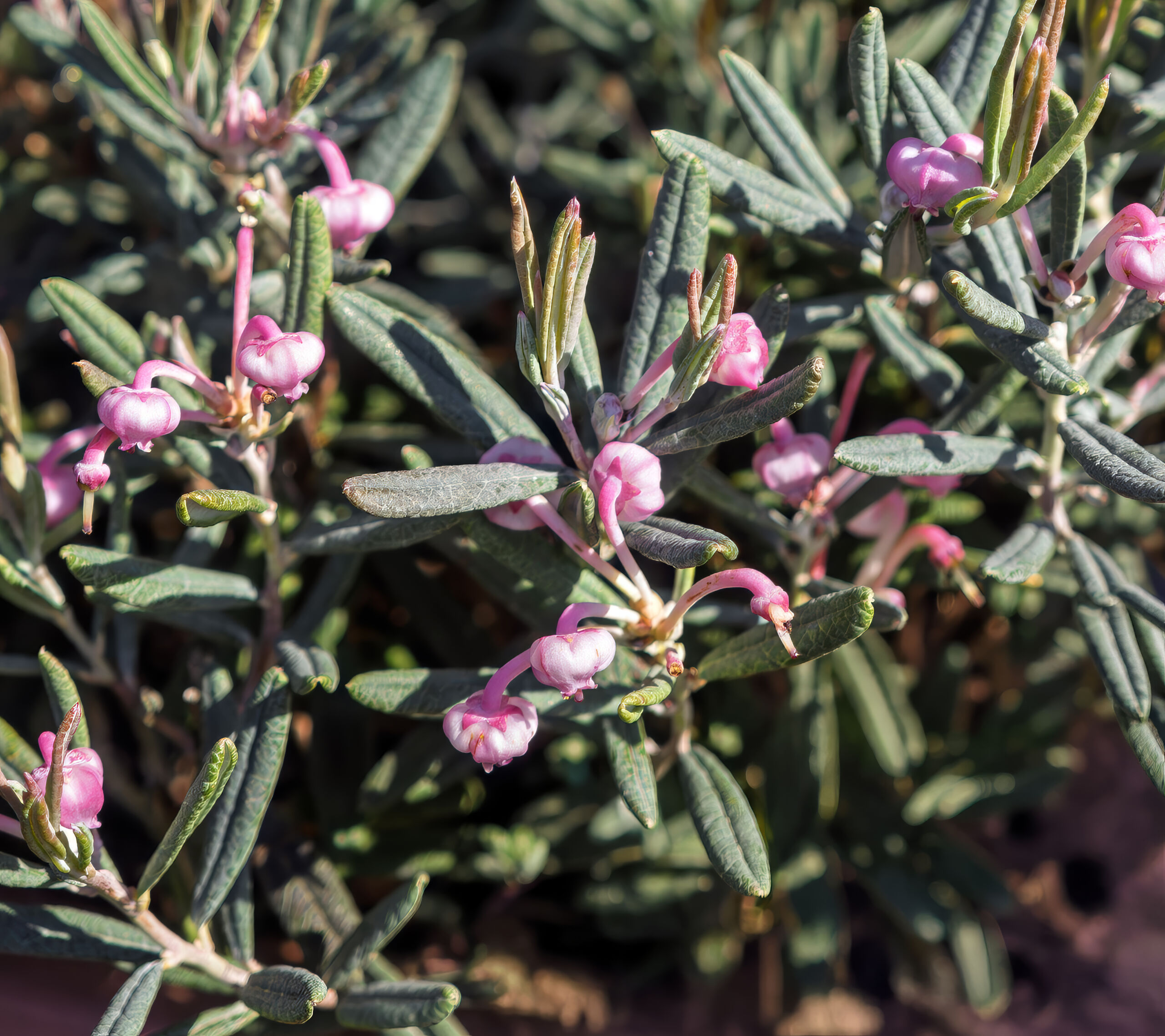
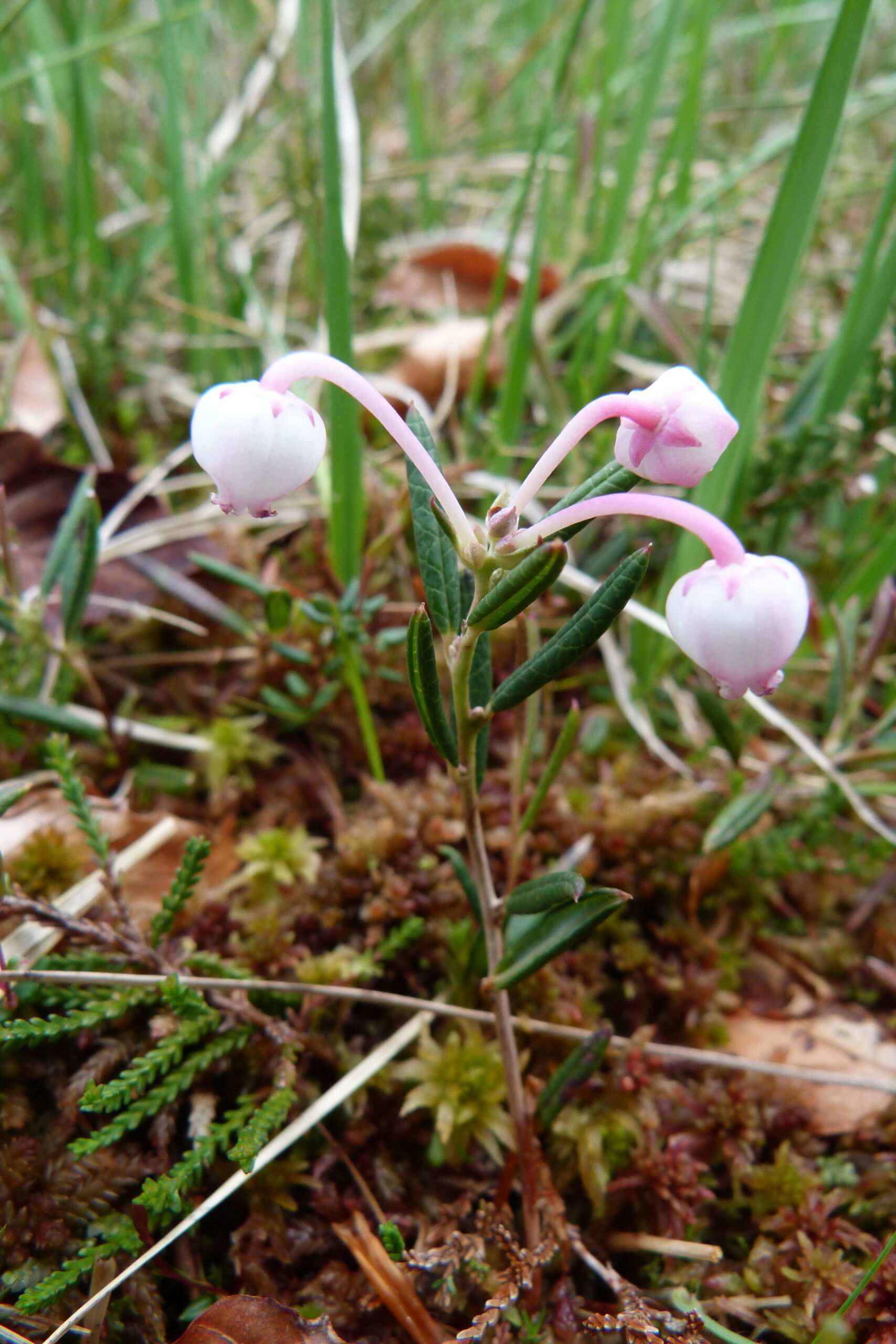
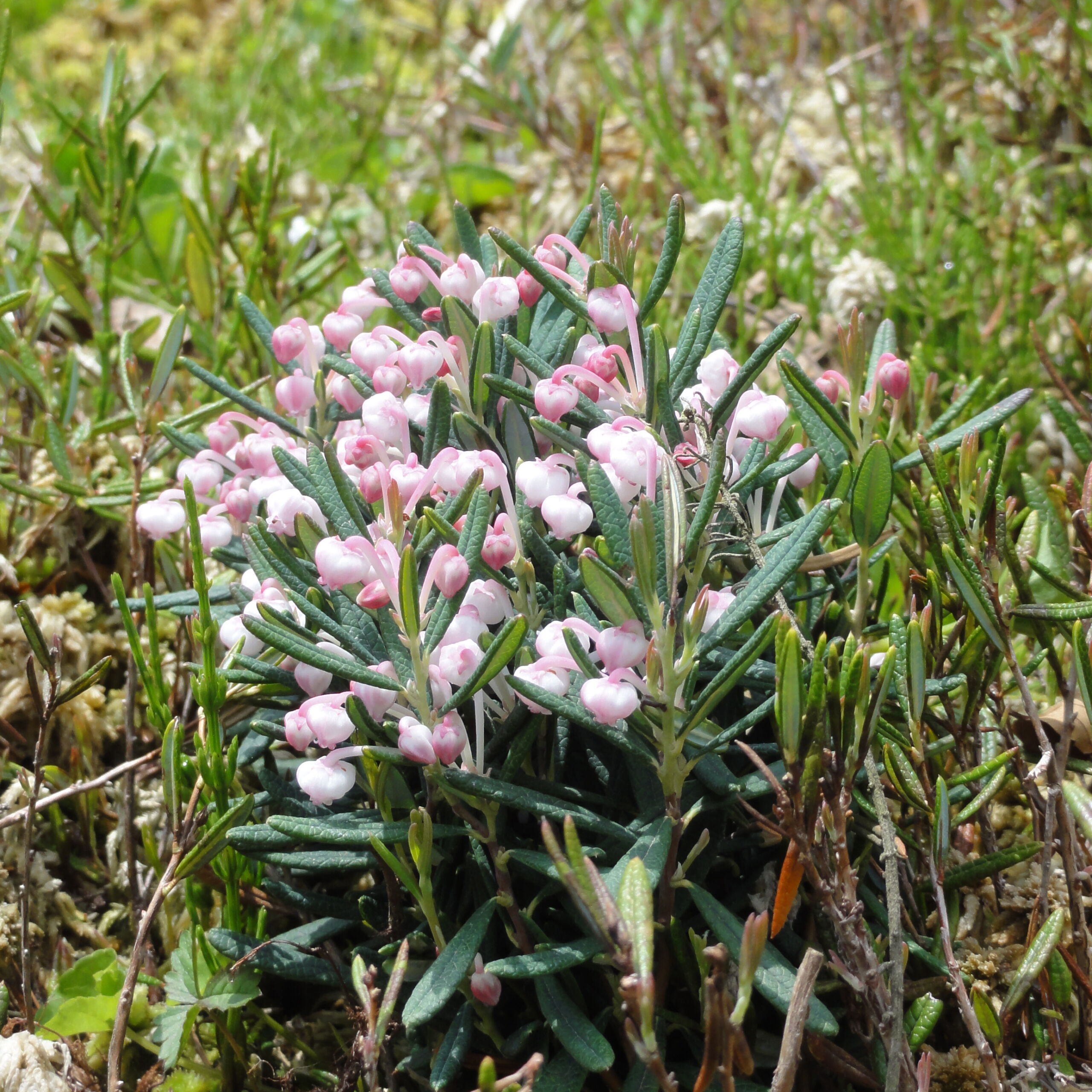
What is documented, and what this guide rests on: a nursery description of the closely named ‘Alba’ form, sometimes referred to as ‘Compacta Alba’, as a spreading, semi-prostrate, evergreen shrub with dense, finely textured, silver-gray foliage, reaching up to 6 inches in height and up to 8 inches in width, with masses of pure white, globe- or urn-shaped flowers at the branch tips in spring, and leaves 1/2 to 1 1/2 inches long that look, as ever, like rosemary leaves. The same entry gives the growing envelope used in the hero stats: zones 2 to 6, part shade to full sun, pH 3.5 to 5.5, normal to moist water. Everything below that is bog rosemary culture applied to a very small, white-flowered plant, and where a figure comes from that single entry, the guide says so rather than dressing it up as a consensus.
The appeal is obvious once you picture it: the same miniature heath habit, but the spring bells are white, not pink, over silver-gray foliage, so the plant reads as a little patch of moonlight at the front of a damp border instead of a pink cloud. If you find one from a reputable nursery, that is a genuine find. If a seller cannot tell you where their stock came from, treat the name with the same skepticism the species guide recommends for any unlisted bog rosemary variety.
Poison warning, first and always: every part of bog rosemary is poisonous. It contains grayanotoxins, the same family of compounds that makes some heath-family honey toxic, and eating any part of it can cause dizziness, vomiting, and breathing trouble. This is a look-at plant, never a taste-it plant, and it is not a substitute for culinary rosemary, which is a mint-family herb from the Mediterranean and not a relative at all. Keep it away from curious children and grazing animals, and wash your hands after handling it.
How to grow
Grow ‘Compacta Alba’ as a bog rosemary that happens to be tiny and white. Moist, acidic, humus-rich, lime-free soil at pH 3.5 to 5.5, part shade to full sun, and a spot that stays damp: a rock garden pocket built wet, the front of a bog garden, a container with a water tray, or a low, moist border. Plant in spring, set the crown at pot depth, and mulch with pine needles or bark to hold moisture and keep the roots cool.
Spacing is grower guidance, not a cited cultivar measurement: at roughly 8 inches wide, plants set about 12 inches apart will knit into a low mat without crowding, and the small size makes it a plant for the front row, the container edge, or the rock pocket, never the back of a border. It is a slow grower, so a newly planted patch will look sparse for a season or two; that is the plant’s pace, not a failure.
The Florida translation, honestly: this is a cold-climate bog plant, hardy in zones 2 to 6, and it does not do well in heat and humidity or anywhere south of zone 6. For most of Florida that means this guide is a study in what the plant wants, not a planting recommendation: a container kept cool and wet in the far north of the state is a trial, not a promise, and the rest of the state should admire it from the species guide and spend its bog-garden energy on plants that actually like warm, wet feet. If you are reading this from a genuinely cold climate, everything below is for you.
Water & feeding
Keep it moist, and in drier sites mulch well each spring, which is the nursery advice for this form in so many words. Rainwater is preferable to hard tap water, because hard water pushes pH up and this plant’s whole life is lived between pH 3.5 and 5.5. In a container, a shallow water tray in summer keeps the root zone damp without drowning it.
Feed lightly or not at all, and only with an ericaceous feed in spring if you feed. Like every bog rosemary, it leans on ericoid mycorrhizal fungi in its roots to scavenge nutrients from poor, acidic peat, which is why rich soil and standard fertilizer are not a shortcut to a bigger plant. They are a shortcut to a stressed one.
Common problems
The risks are the species risks, plus one that is specific to this plant: mislabeling. Because availability is limited and the name overlaps with ‘Alba’, a plant sold as ‘Compacta Alba’ should be checked on flowering: if the bells open pink, you have a compact pink form, not this one, and a reputable seller should make that right. The other problems are familiar: alkaline soil (yellowing, decline), drought (browned tips, thinning mat), heat and humidity south of zone 6 (climate mismatch, not fixable), and stagnant water inviting root rot. Pests and diseases are otherwise few for the species, and pruning is limited to dead or damaged wood after flowering.
Harvest
No harvest, as with every bog rosemary: the plant is poisonous, white flowers or not. The white bells are the harvest for the eyes, in spring, at ankle height, over silver-gray evergreen foliage. Do not brew them, do not cook with the leaves, and do not let the rosemary resemblance do its usual trick on anyone in the household. A rare plant is not a safer plant; it is just a rarer poisonous one, and a prettier one to look at.
Browse all plant & pest guides
Saving seeds
Compacta Alba is a scarce nursery form of bog rosemary with white flowers — keep it from cuttings, not seed; seedlings won’t hold the white flowers or the compact form. The Saving seeds section of the Bog Rosemary guide covers seed for the straight species.