
🍇 Blue Magic Grape Hyacinth
What it looks like
Why this variety
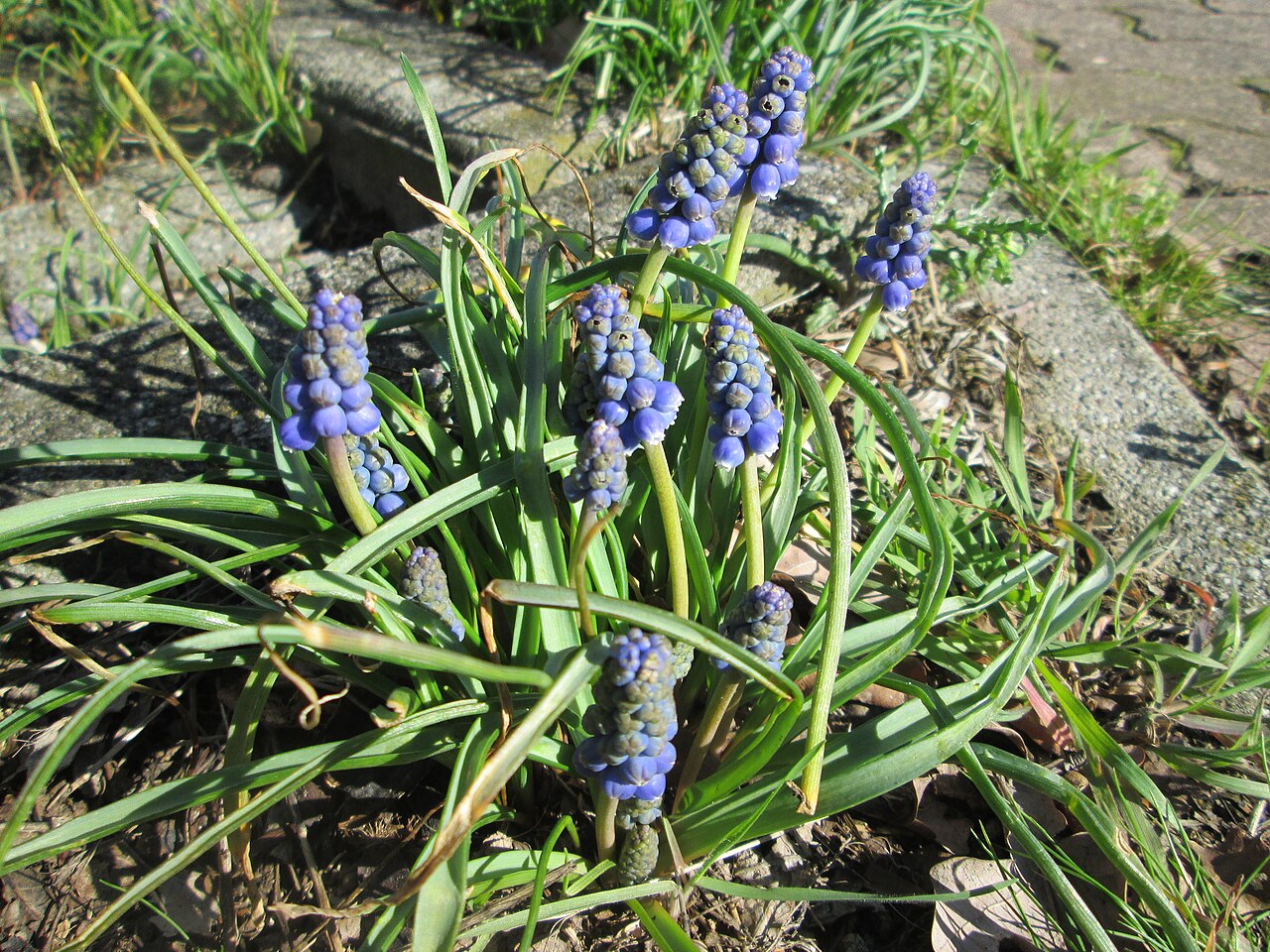
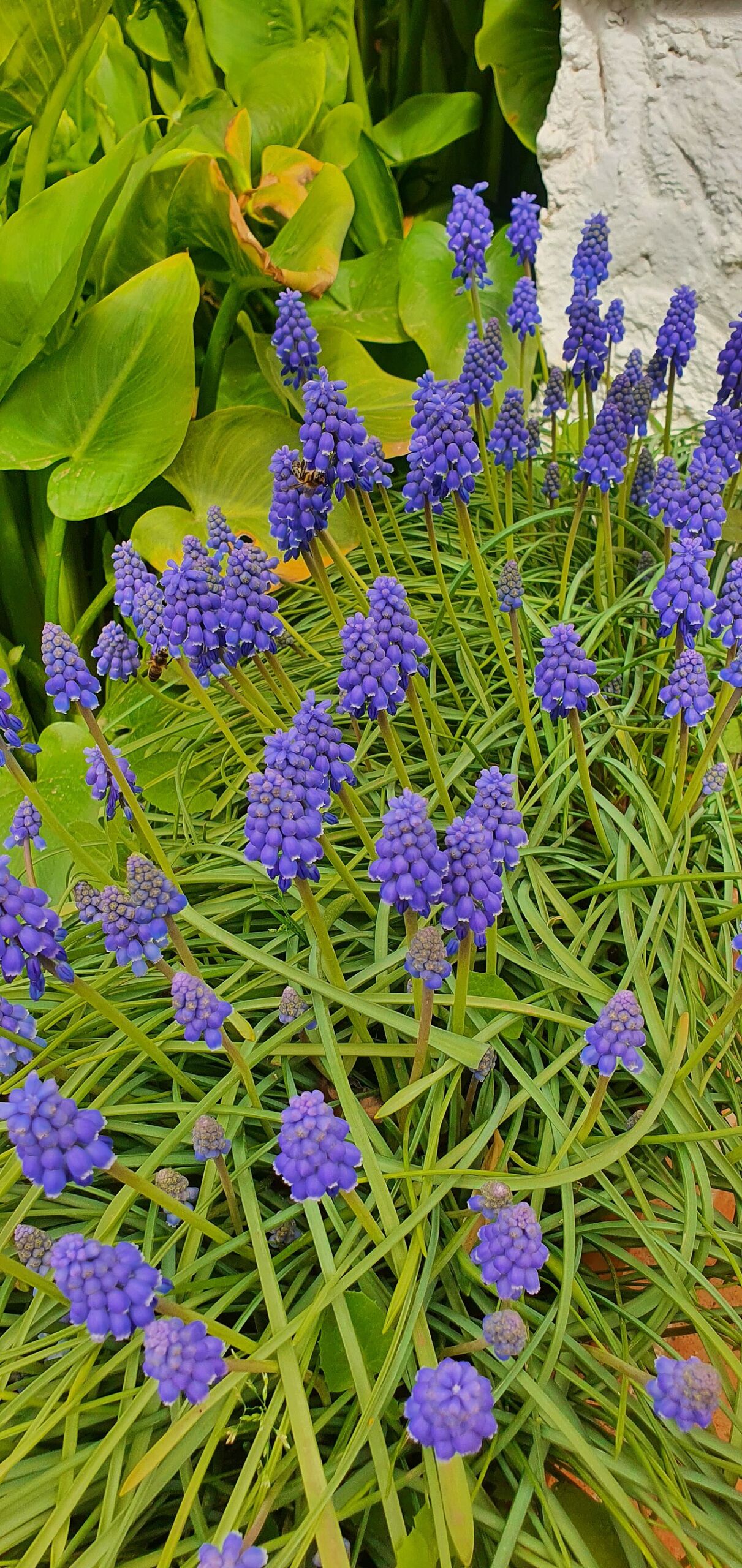
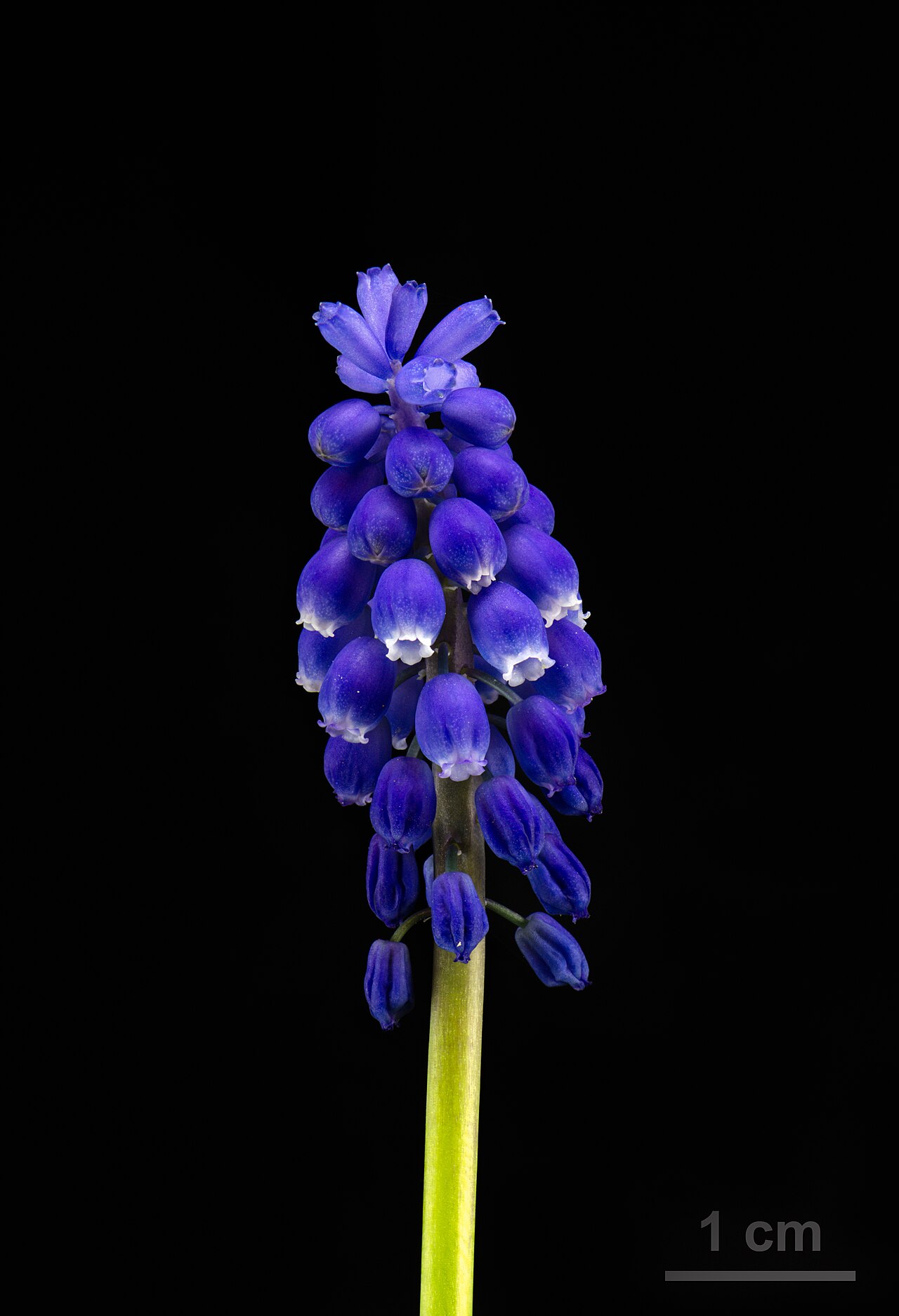
Blue Magic is the grape hyacinth for gardeners who want the classic look at its deepest: dense, 6- to 8-inch spikes of tiny, deep blue, grape-like bells, each spike sweetly scented, in mid-spring, on a plant that multiplies freely by bulb offsets and self-seeds lightly. Plant a hundred bulbs in a drift and you get a blue river in spring; plant a dozen in a pot and you get a blue bouquet on a doorstep. Grape hyacinth is the spring bulb that asks least and gives most — fall bulbs, spring color, and more bulbs next year without replanting.
The trade-off is its enthusiasm and its afterlife: Blue Magic multiplies and self-seeds, so a drift becomes a colony, which is wonderful in a meadow and a chore in a formal bed — deadhead if you do not want seedlings, and edit volunteers in spring. The foliage also emerges in fall and persists through winter, looking grassy and a little untidy, and it must not be cut until it yellows after bloom, because the leaves feed next year’s spike. Do not eat the bulbs: muscari bulbs are mildly toxic, and they are not grapes, whatever the flowers suggest.
If you are new to choosing between cultivars, the Varieties Matter guide explains why the name after the plant matters as much as the plant itself. Blue Magic is a perfect example: it is not just a grape hyacinth in the abstract, it is a grape hyacinth with a specific job, a specific history, and specific strengths.
Florida honesty: grape hyacinth is a North Florida trial, not a statewide promise — it needs winter chill to bloom well, and Florida’s short winters are not its home weather. In North Florida, plant bulbs in fall in sun to part shade and well-drained soil, and treat bloom as a triumph and return bloom as a bonus. South of the Panhandle, expect foliage without flowers, and plant a native rain lily for spring blue instead.
How to grow
Plant bulbs in fall, 3 inches deep, in sun to part shade and average, well-drained soil — grape hyacinth is the easiest spring bulb, asking only for drainage and a cold winter. Work worm castings into the bed at planting, plant in drifts of a dozen or more for a river effect, and mark the spot, because the foliage emerges in fall and persists through winter. Do not eat the bulbs, and do not cut foliage until it yellows after bloom.
Set plants 2-3 inches apart, bulbs 3 inches deep in soil with a pH around 6.0-7.0. Work worm castings into the bed at planting and mulch to hold moisture. A well-fed grape hyacinth plant rewards that care directly: steadier growth, better bloom, and a show that actually shows up.
Water & feeding
Keep soil moist in spring while the plant is growing, then let it dry as foliage dies back — grape hyacinth bulbs rot in summer wetness. Water at the soil line, mulch lightly, and feed lightly: castings at planting is plenty. After foliage yellows, reduce watering and let bulbs rest.
Common problems
- Enthusiastic spreading — grape hyacinth multiplies by offsets and seed; deadhead if you do not want a colony.
- Grassy winter foliage looking untidy — foliage emerges in fall and persists; do not cut it until it yellows after bloom.
- Mildly toxic bulbs — muscari bulbs are toxic if eaten; do not mistake them for grapes or onions.
- Failure to bloom without winter chill — grape hyacinth needs cold winters; in warm zones, treat it as a trial.
- Bulb rot in wet soil — plant in drainage, never where rain ponds.
Harvest
Cut spikes for small spring bouquets, when bells are fully open — grape hyacinth lasts a few days in water and suits tiny, woodland-style arrangements and pots. Do not cut heavily: the plant needs its foliage to feed next year’s bulb. Leave foliage to yellow naturally, deadhead if you do not want seedlings, and divide congested clumps in fall every few years.
Browse all plant & pest guides
Saving seeds
Blue Magic is a named cultivar, so seed saved from it won’t come true — divide bulb offsets instead. The Propagation section of the Grape Hyacinth guide covers how the species is propagated.