
🌾 Blue Oat Grass
What it looks like
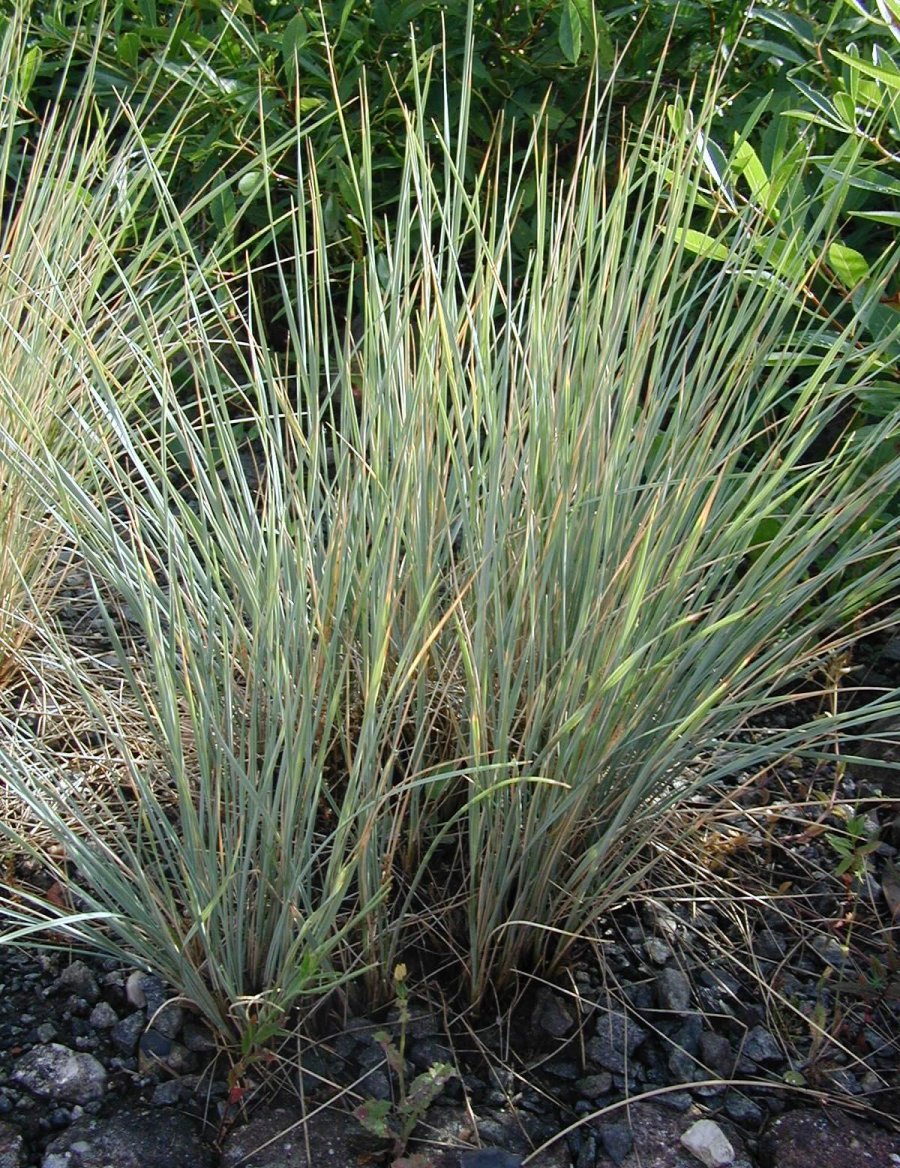
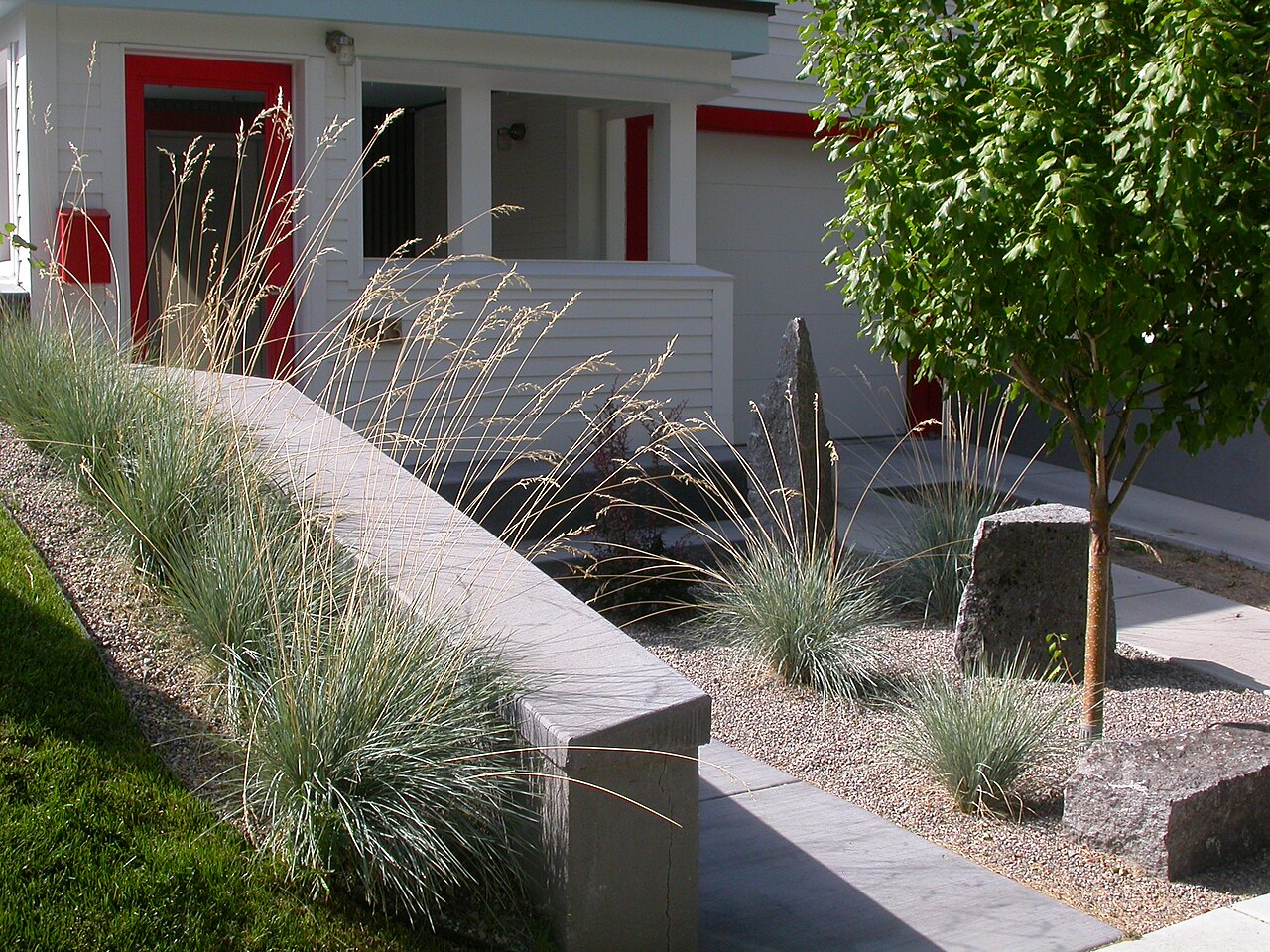
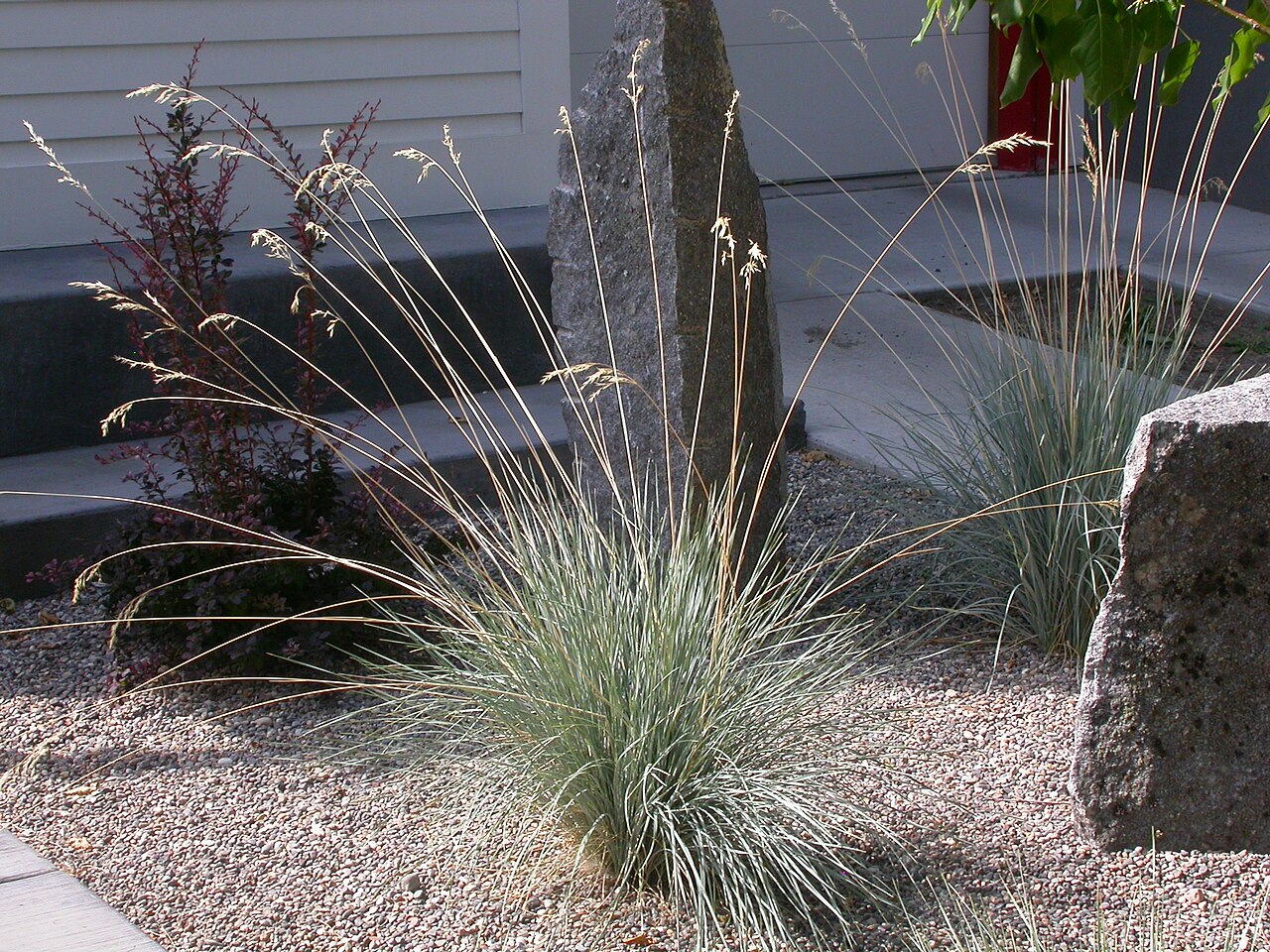
How to grow
Blue oat grass is a dense, clumping, cool-season ornamental grass, 2–3 feet tall and 1–2 feet wide, with narrow arching silvery-blue foliage and, in mid to late summer, airy spikes of bluish-brown flowers on panicles that rise above the leaves and ripen gold by fall. Plant in spring or fall in full sun and dry to medium, well-drained loamy or sandy soil — drier soil actually gives the best blue color, while wet winter soil is its enemy. It tolerates clay only if drainage is good, and it sulks in shade, where leaves flop, and in high heat and humidity, where it fades fast; it is a cool-climate grass, not a Florida one. Mass it in groups for a drift of blue, or use one clump as an accent. It is evergreen in mild winters and semi-evergreen where winters are cold.
Water & feeding
Water regularly in the first growing season to establish roots, then water deeply but infrequently — established plants are drought-tolerant, and overwatering causes crown and root rot. Feed at most once a year; lean soil keeps the blue color strong, and rich soil makes floppy green growth. Mulch lightly with gravel rather than moisture-holding bark in wet climates.
Common problems
- Rot in wet soil — the number-one killer; fix drainage before planting, and never let it sit wet through winter.
- Flopping leaves — too much shade or too much water and fertilizer; move to sun and lean soil.
- Rust in humid climates — improve airflow, avoid overhead watering, and remove affected leaves.
- Fading color in heat and humidity — a climate limit, not a care failure; in hot-summer regions, give afternoon shade and accept a shorter season.
Notes
Comb out or cut away dead foliage and spent flower stems in spring before new growth starts, and divide clumps in spring every few years to rejuvenate them. Blue oat grass is generally pest-free, deer- and rabbit-resistant, and not known to be invasive — a well-behaved ornamental that stays where you put it.
Browse all plant & pest guides
Saving seeds (and why division is the dependable route)
Blue oat grass keeps gardeners honest about a small disagreement: sources do not fully agree on how much viable seed it sets in cultivation. Some report that it produces seed and can be grown from it, others that it rarely sets viable seed and hardly ever self-sows. Both can be true of different plants in different gardens, so here is the practical version — try seed if you enjoy an experiment, but do not bet the border on it.
For the experiment: in late summer, watch the tall stems for the tan, oat-like seed heads. Wait until they are fully dry and papery, then clip the heads into a paper bag and rub the seed free. The seed route that works best is the patient one — press the seed lightly into soil in late summer and leave it in a cold frame over winter, letting the cold season break dormancy, with sprouts to look for the following spring. Barely cover the seed, keep it moist but never soggy, and accept that germination may be patchy. A thin result is not your failure; it is this plant being itself.
The dependable route is division, and it doubles as routine maintenance. Every three or four years, established clumps get crowded and tired in the middle. In early spring, dig up the whole clump, discard the woody center, and split the vigorous outer crown into sections with a sharp spade or knife, making sure each piece carries roots and several healthy shoots. Replant at the same depth, water well, and you have exact copies of the parent — same steel-blue blades, same arching habit, no seedling lottery. That is how you keep a named plant a named plant.
One reassurance while you are at it: blue oat grass is a clump-former, not a runner. It does not spread by rhizomes or stolons, and it is not considered invasive — the occasional seedling, if one appears at all, is easy to pull. Florida note: this is a cool-season grass that prefers cooler climates, so in Florida heat it may be short-lived no matter how you propagate it; if you are saving seed here, dry it thoroughly first and store it airtight with a desiccant packet, cool and dark, because Florida humidity is the enemy of every seed jar.
Varieties
Every named variety of Blue Oat Grass with its own growing guide:
- Sapphire Blue Oat Grass — The brighter-blue oat grass: wider foliage and brighter blue color than the species — the showpiece selection of a low-water grass.
- Saphirsprudel Blue Oat Grass — The German blue oat grass: a named European selection listed in the nursery trade alongside Sapphire, with the species’ steel-blue fountain habit.