
🌾 Saphirsprudel Blue Oat Grass
What it looks like
Why this variety
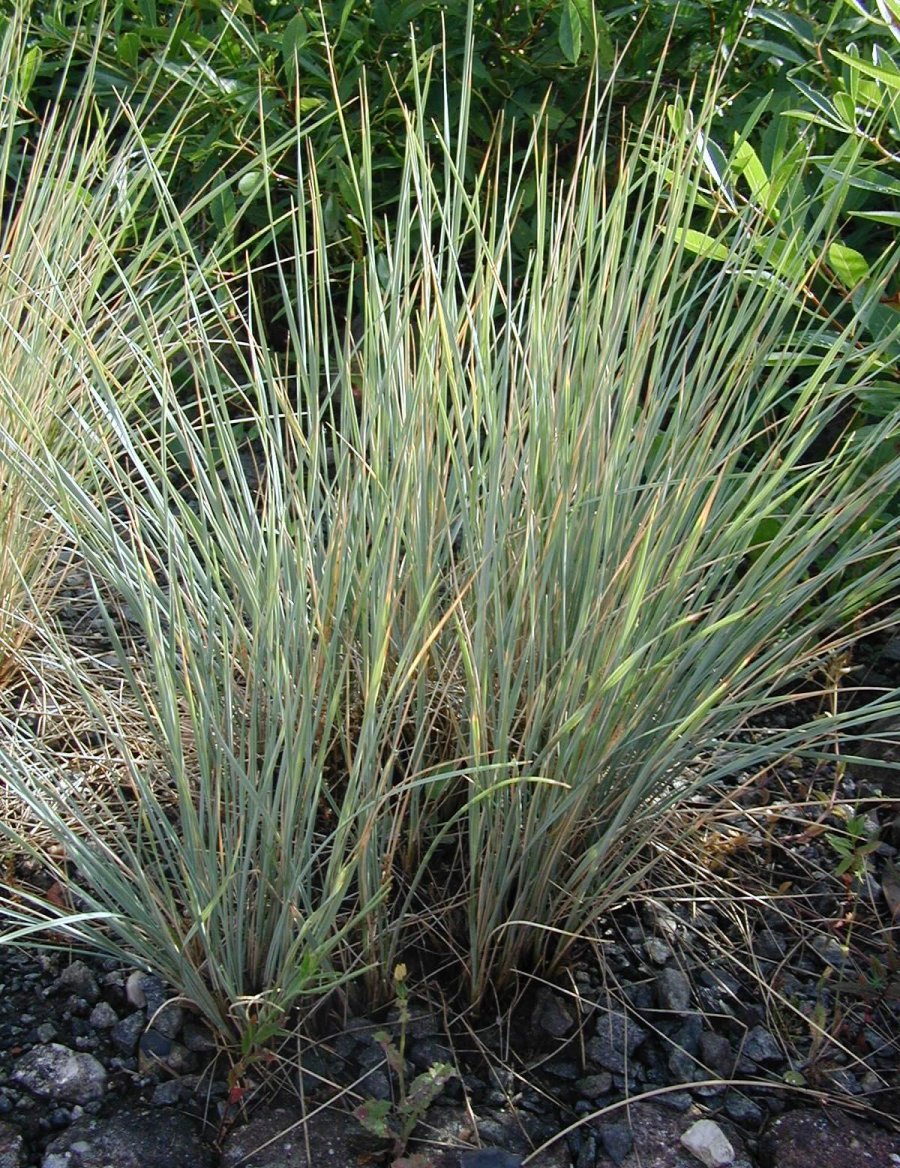
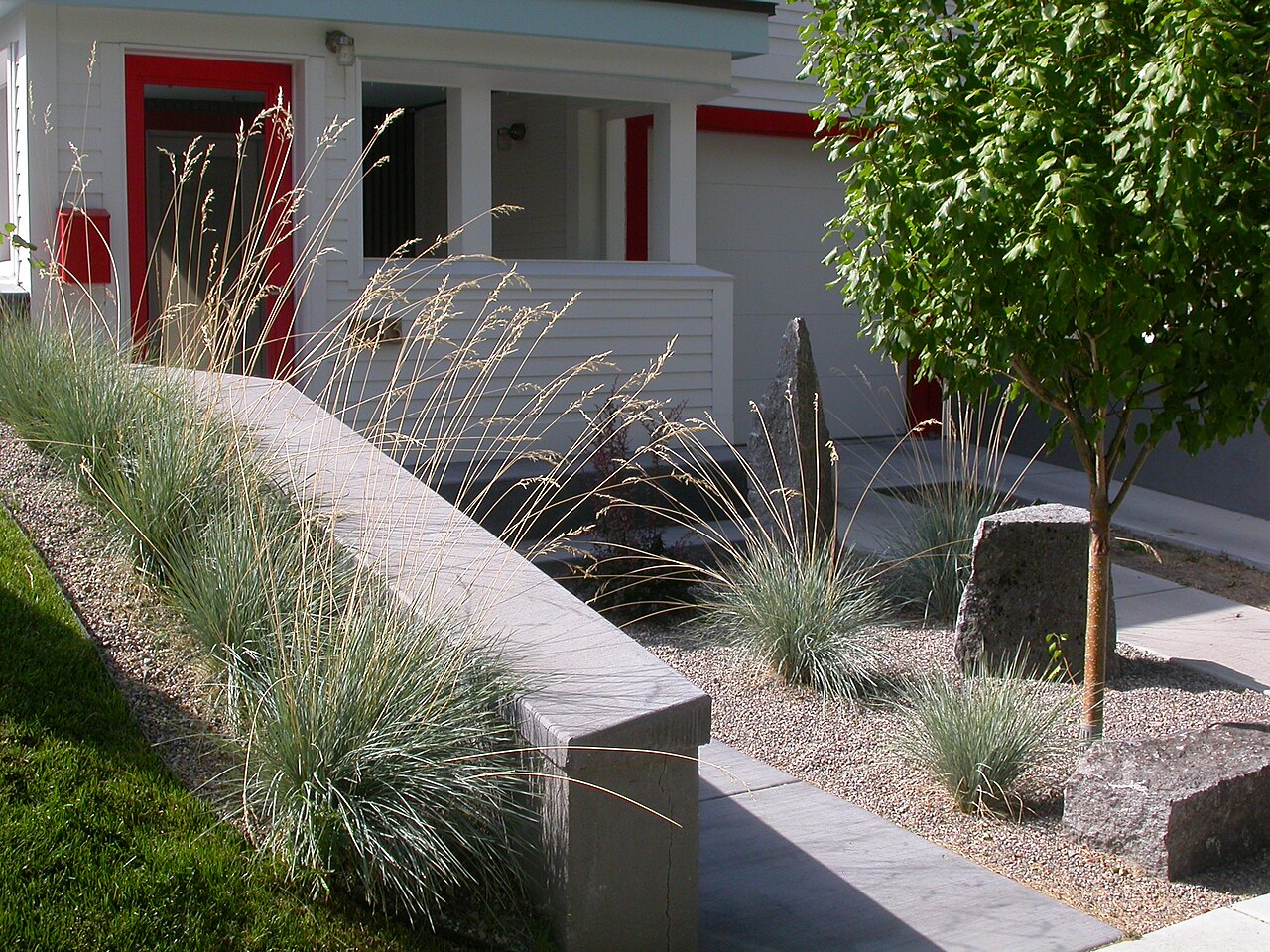
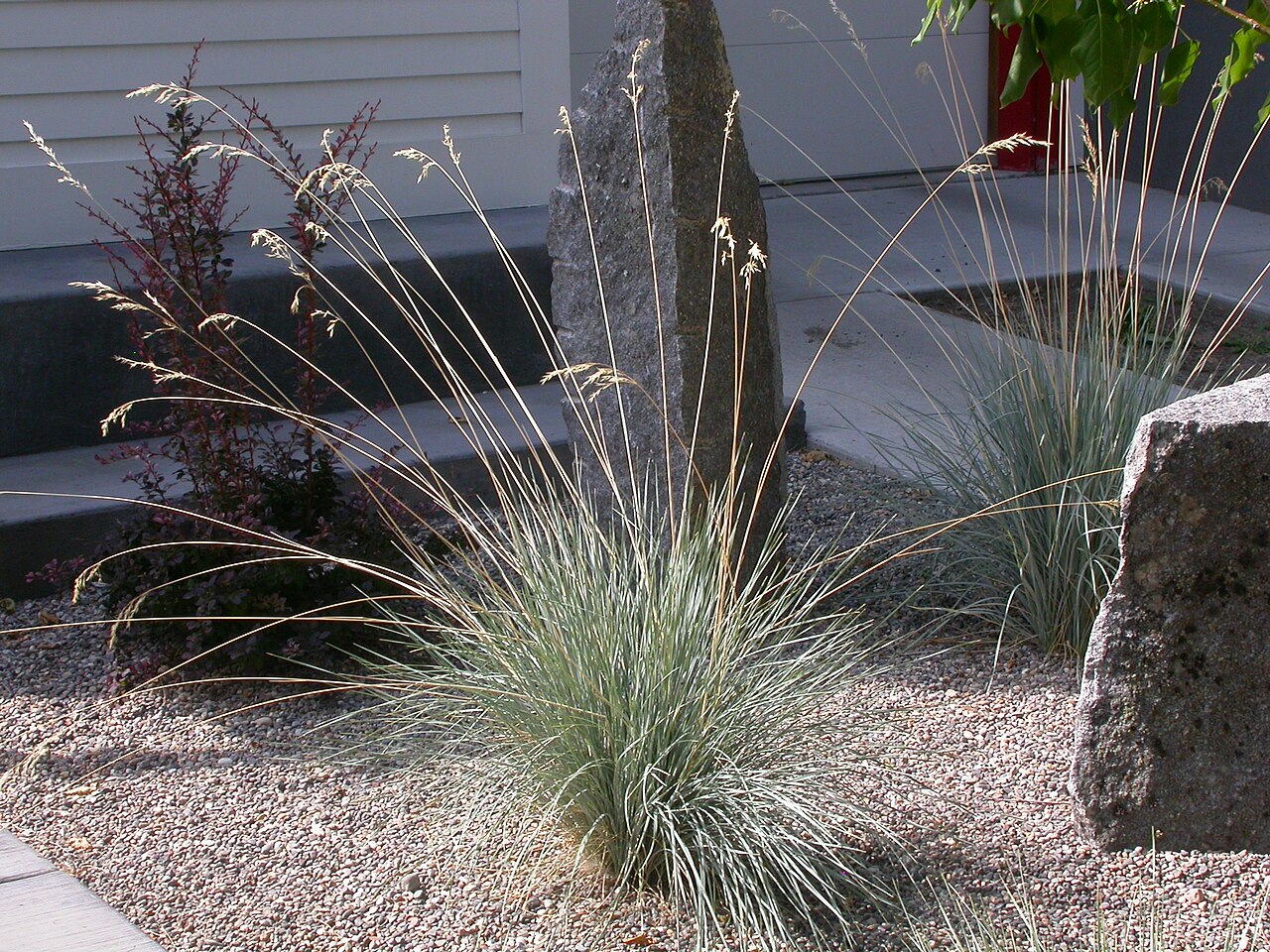
Saphirsprudel — the name is German for ‘sapphire fountain,’ which is as good a description of blue oat grass as any — is a named European selection of Helictotrichon sempervirens listed in the nursery trade as a distinct cultivar alongside Sapphire. It carries the species’ virtues in full: a dense, clumping, cool-season grass, 2 to 3 feet tall, with narrow, arching, steel-blue leaves that form a fountain-like mound, topped in summer by oat-like plumes that catch the light and move in the wind. Where Sapphire is marketed on brighter blue and wider foliage, Saphirsprudel is the continental counterpart — the selection European nurseries grew when they wanted a reliable, steel-blue oat grass with a name that promised exactly what it delivers.
The trade-off is the same as for every blue oat grass: wet feet are fatal, maturity is slow (2 to 5 years), and humidity plus soggy soil is the killing combination, not cold alone. Plant Saphirsprudel in full sun in sharply drained, neutral to slightly alkaline soil — raised beds where rain ponds — and do not water it like a lawn or mulch it into moisture. It also dislikes moving once established, so choose its spot once, give it room to fountain, and let it settle into the long-lived clump it becomes.
If you are new to choosing between cultivars, the Varieties Matter guide explains why the name after the plant matters as much as the plant itself. Saphirsprudel is a perfect example: it is not just a blue oat grass in the abstract, it is a blue oat grass with a specific job, a specific history, and specific strengths.
Florida honesty, stated plainly: blue oat grass is a North Florida trial, not a statewide promise. It is hardy to zone 8, and Florida’s humidity plus wet summers are exactly what it dislikes — expect decline or death south of the Panhandle, and even in North Florida give Saphirsprudel full sun, sharp drainage (raised beds strongly recommended), and no extra water. Its European origin does not make it any more tolerant of Florida wet heat than Sapphire; trial both if you want to compare, but trial them in drainage you trust.
How to grow
Plant in spring or fall in full sun and sharply drained, neutral to slightly alkaline soil — blue oat grass hates wet feet above all, and it is slow to maturity, taking 2 to 5 years to become the fountain it wants to be. Work a little worm castings into the bed at planting, do not overwater it, and site it once: it resents moving once established. Raised beds are strongly recommended where summer rain ponds, because wet soil, not cold, is what kills it.
Set plants 18-24 inches apart in soil with a pH around 6.5-7.5. Work worm castings into the bed at planting and mulch to hold moisture. A well-fed blue oat grass plant rewards that care directly: steadier growth, better bloom, and a show that actually shows up.
Water & feeding
Water to establish, then water sparingly — blue oat grass wants sharp drainage and lean soil, and wet feet kill it faster than drought does. Water at the soil line, do not mulch heavily, and feed lightly: castings at planting is usually enough. In a wet summer, drainage is the care program; in a dry summer, occasional deep watering is plenty.
Common problems
- Rot in wet soil — the blue-oat-grass killer; sharp drainage or raised beds, and no overwatering, especially in winter.
- Slow maturity — 2 to 5 years to full size; be patient, do not move it, and judge it in year three, not year one.
- Decline in humidity plus wet soil — the killing combination; drainage and air circulation matter more than any fertilizer.
- Browning in hot, dry spells — water deeply but infrequently in drought, and do not shear the foliage, which removes the plant’s food factory.
- Damage from moving — an established clump resents transplanting; site it once and let it become the fountain it wants to be.
Harvest
There is no flower harvest to speak of — blue oat grass is grown for foliage and for its oat-like plumes, which can be cut for dried arrangements in summer when they are fully formed. Leave the foliage standing over winter for structure and protection, and comb out dead leaves in spring rather than shearing the clump hard. Divide only if you must, and do it in spring, because an established clump resents moving and division is a rescue, not routine care.
Browse all plant & pest guides
Saving seeds
Saphirsprudel — the name is German for ‘sapphire fountain,’ which is as good a description of blue oat grass as any — is a named European selection of Helictotrichon sempervirens listed in the nursery trade as a distinct cultivar alongside Sapphire. It carries the species’ virtues in full: a dense, clumping, cool-season grass, 2 to 3 feet tall, with narrow, arching, steel-blue leaves that form a fountain-like mound, topped in summer by oat-like plumes that catch the light and move in the wind. As a named blue oat grass it is kept true by division, not by seed — plant in spring or fall in full sun and sharply drained, neutral to slightly alkaline soil: blue oat grass hates wet feet above all, and it is slow to maturity, taking 2 to 5 years to become the fountain it wants to be. Work a little worm castings into the bed at planting, do not overwater it, and site it once: it resents moving once established. The full method is in the Saving seeds (and why division is the dependable route) section of the Blue Oat Grass guide.