
🏖️ Blue Pacific Shore Juniper
What it looks like
Why this variety
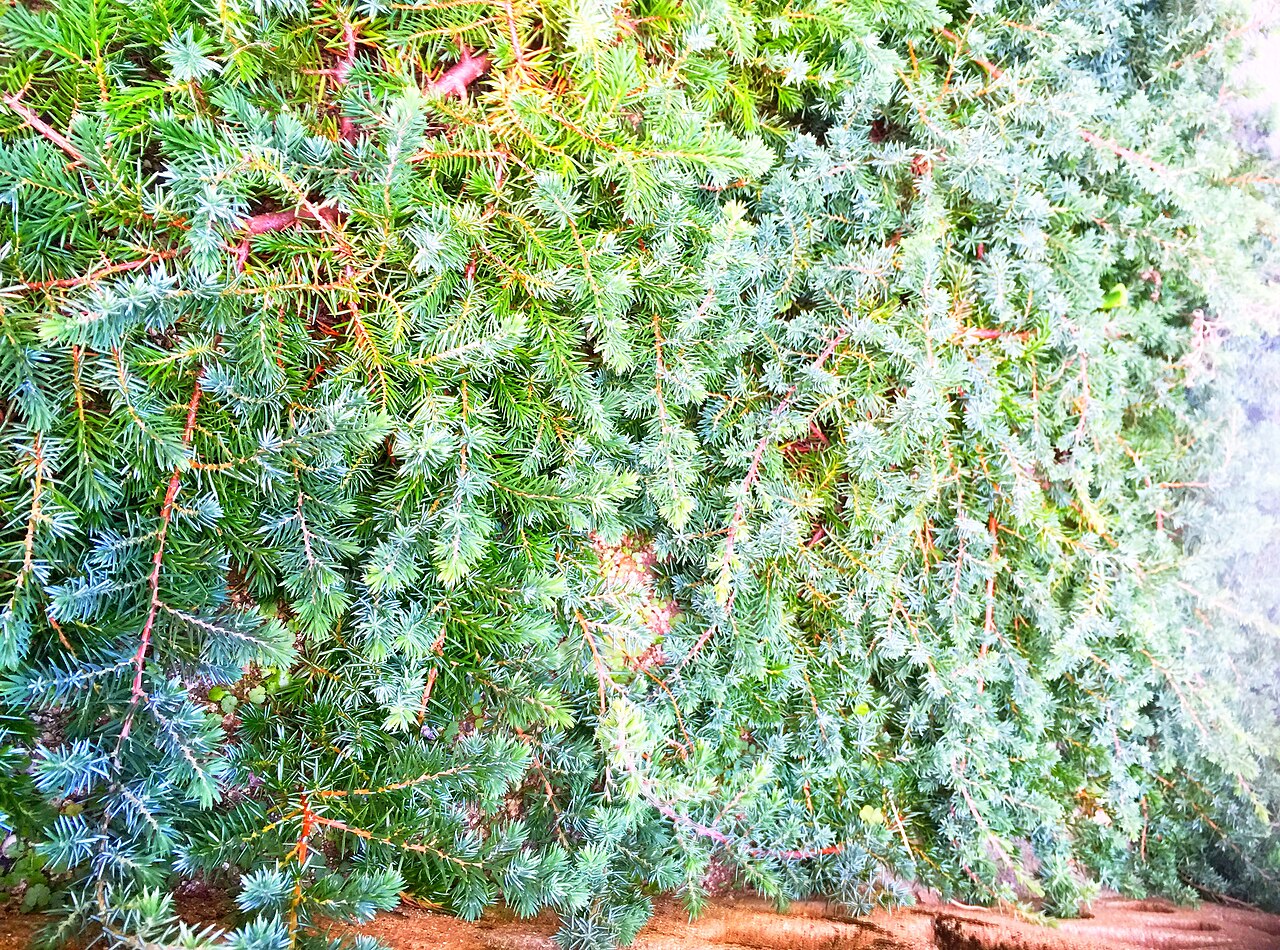
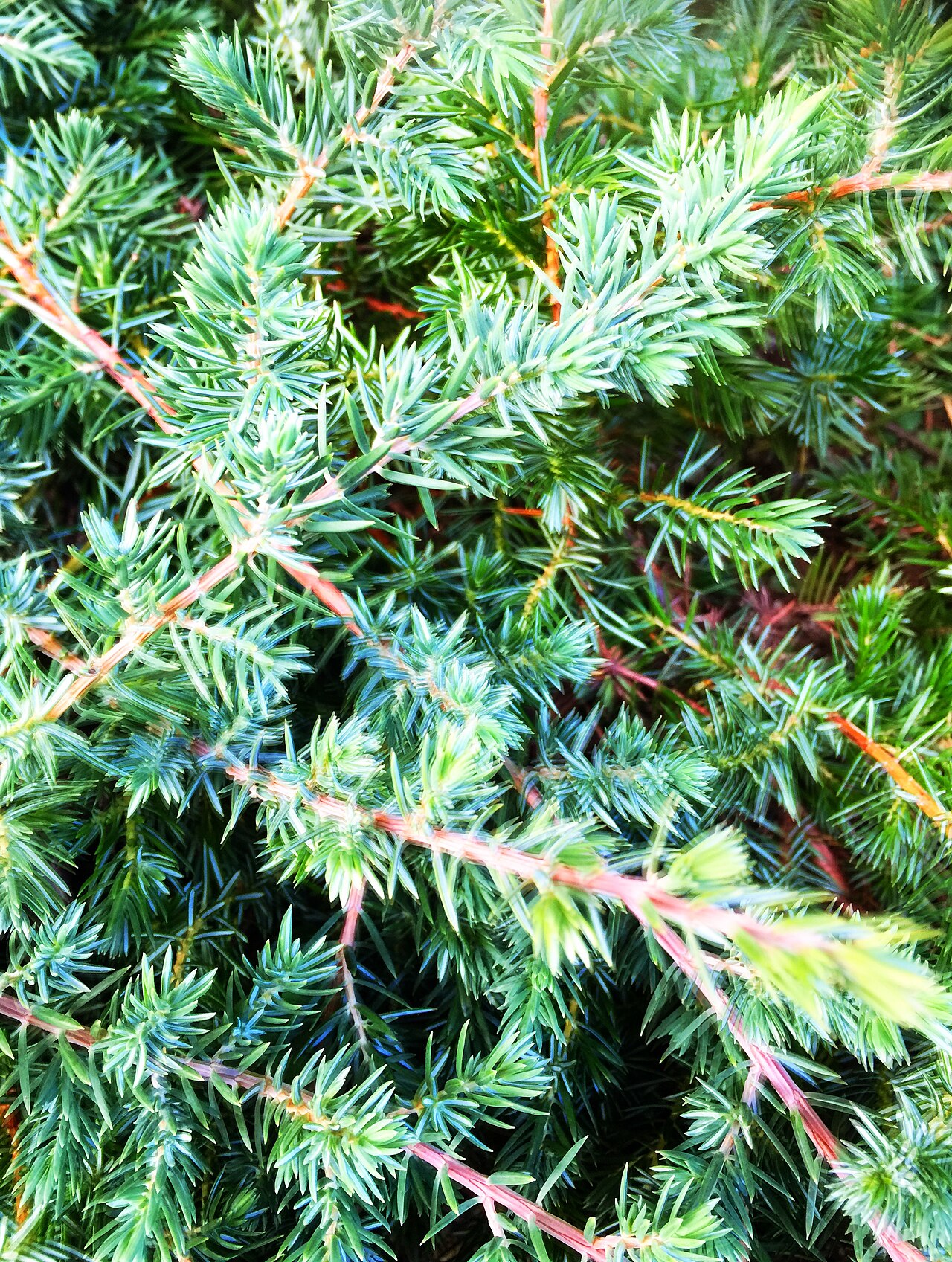
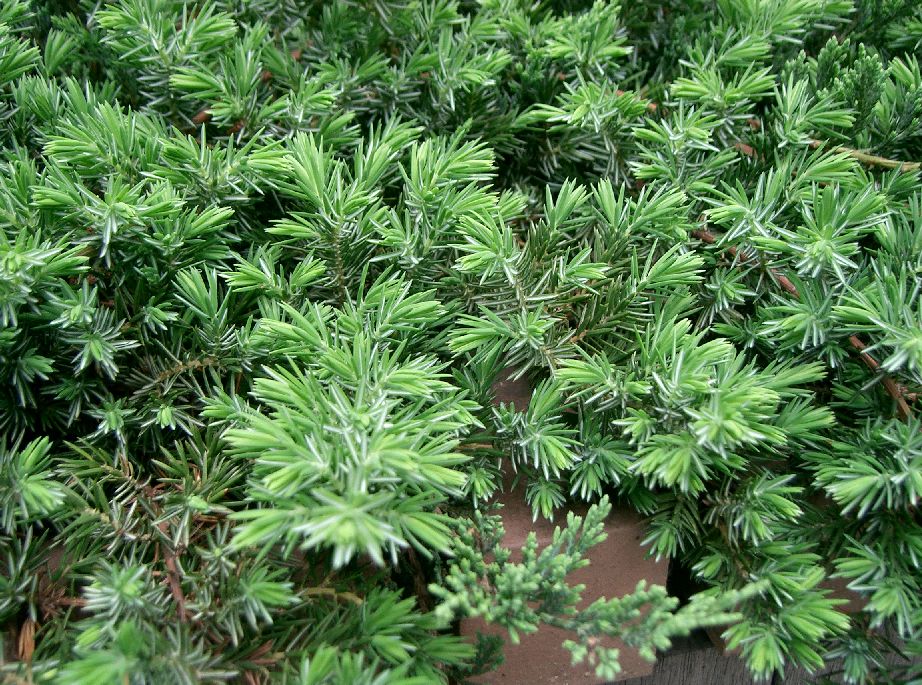
Blue Pacific is the most popular shore juniper in the trade, and it earned that spot by being the one juniper that actually likes the South: a low-growing, trailing form about 1 foot tall with handsome blue-green foliage, it is among the most heat-tolerant and fastest-growing of the shore junipers, and it is the cultivar extension services name first when a southern gardener asks for a spreading juniper. It is native-stock from Japan’s sandy coasts, so salt spray, wind, and sand are home turf, not hazards.
The trade-off is size and appetite: Blue Pacific spreads 6 to 7 feet wide and wants full sun and sharp drainage, so site it where it can run — a bank, a coastal bed, a wide foundation sweep — and do not plant it in shade or soggy soil and expect that blue-green carpet. Florida honesty: shore juniper is the happy exception among junipers — it is genuinely heat- and salt-tolerant and is rated as adaptable all the way to Florida, which is why it is often called the best spreading juniper for the South. It still demands full sun and sharp drainage; in a soggy bed or deep shade it will thin out and sulk like any juniper.
If you are new to choosing between cultivars, the Varieties Matter guide explains why the name after the plant matters as much as the plant itself. See also the species guide: Shore Juniper.
How to grow
Plant in full sun in sandy, well-drained soil; on clay, plant on a slope or berm so water never ponds around the crown. Space plants 5-6 feet apart for groundcover and water in well. It is a natural for slopes, seaside beds, and erosion control, where its dense mat holds sand and soil in place.
Water & feeding
Water to establish in the first season, then water sparingly — shore juniper is drought-tolerant once rooted and rots in wet soil. Feed lightly or not at all; worm castings at planting is enough. Salt spray needs no washing off — this plant evolved for it.
Common problems
- Phomopsis blight in humid, airless spots — prune out gray-brown tips and open up air flow.
- Spider mites in hot, dry weather — stippled needles; hose down.
- Root rot in wet, poorly drained soil — drainage is the deal-breaker.
- Bagworms — hand-pick cone-like bags before they spread.
- Thinning in shade — full sun is required for a dense mat; shade makes it leggy.
Pruning & care
Prune only to remove dead or blighted wood and to keep it off paths and driveways. Never shear the top flat; a shore juniper sheared on top thins underneath. Inspect in spring for blight tips after wet winters.
Browse all plant & pest guides
Saving seeds
Blue Pacific is a named cultivar, so seed saved from it won’t come true — buy a nursery plant instead. The Saving seeds section of the Shore Juniper guide covers seed for the straight species.