
🌿 Bocking 14 Comfrey
What it looks like
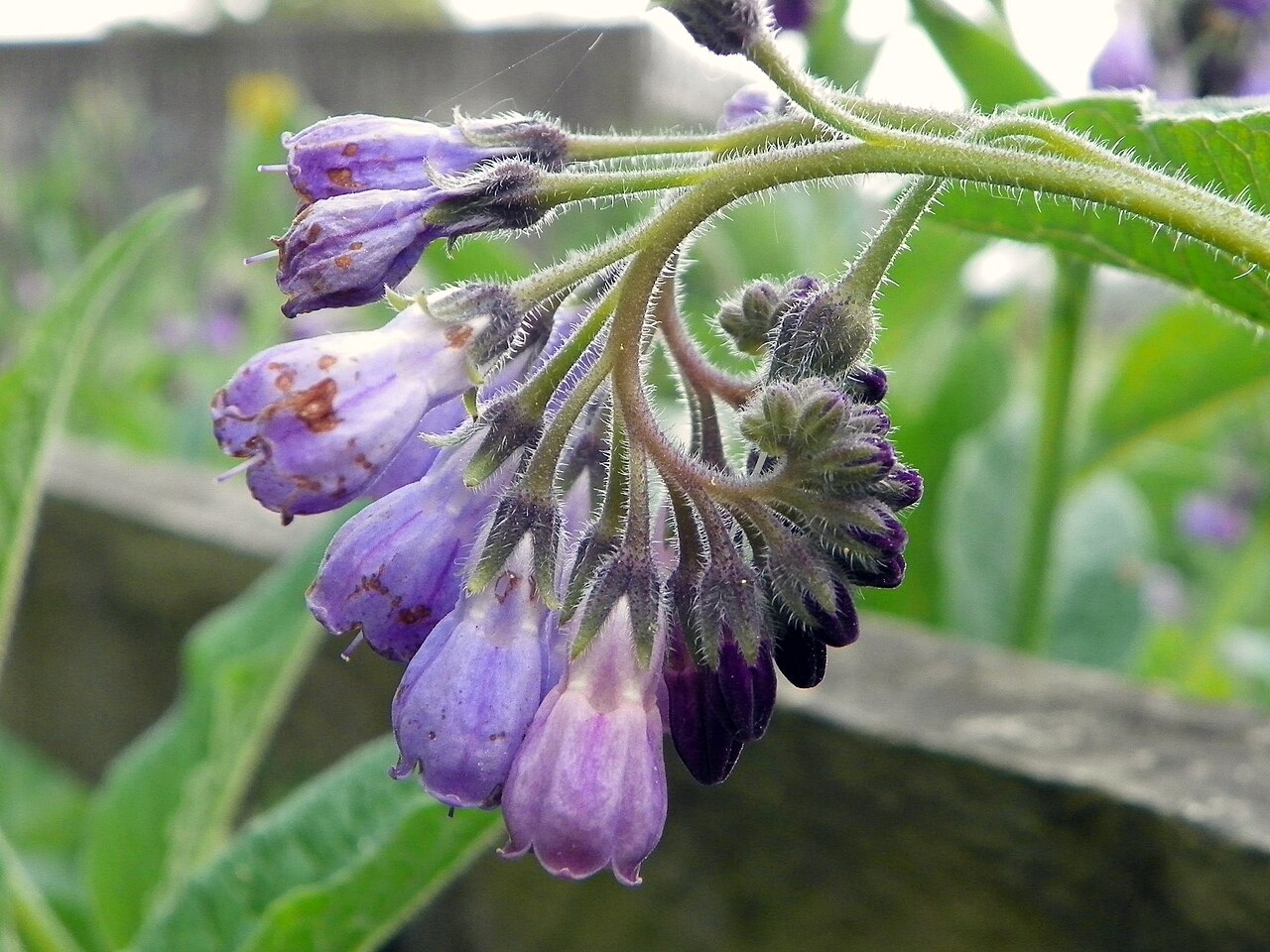
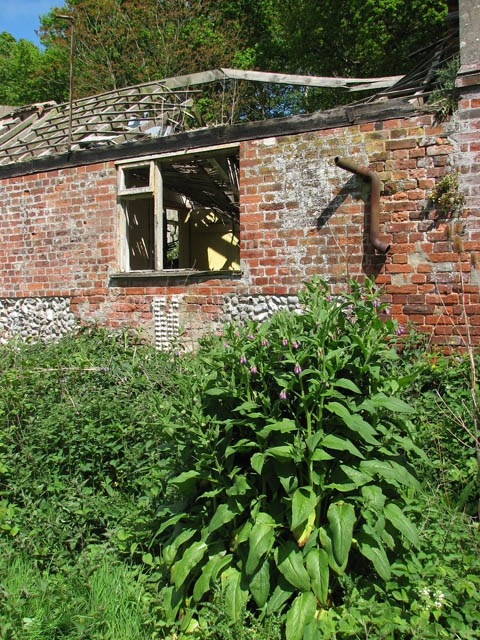
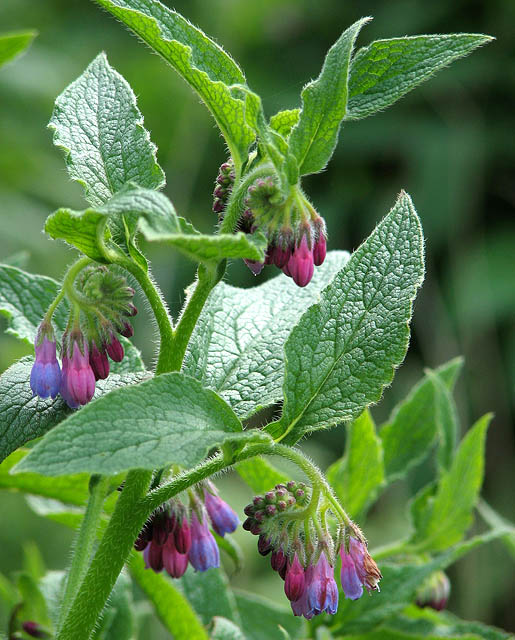
Why this variety
Bocking 14 is the comfrey every permaculture gardener actually means when they say ‘comfrey.’ It is a sterile hybrid of Russian comfrey, developed in the 1950s by Lawrence Hills at the Henry Doubleday Research Association, selected for vigorous growth, deep roots, and — crucially — no viable seed. Plant it once and it stays in its clump, multiplying only by root division, instead of seeding itself across the garden the way common comfrey does.
Its job is fertility: deep roots, 6–8 feet down, mine potassium and other minerals from the subsoil and pack them into leaves you cut 3–4 times a year for mulch, compost activator, or liquid feed. It is also famously high in potassium compared with its sibling Bocking 4, which is why it is the strain most often recommended for feeding fruiting plants. One caution, stated plainly: comfrey contains pyrrolizidine alkaloids that can harm the liver, so it is grown here as a garden fertility plant, not eaten or brewed for internal use.
How to grow
Buy root cuttings or crown divisions — sterile plants make no seed, so any ‘Bocking 14 seed’ for sale is not Bocking 14. Plant 2–4 inch root pieces horizontally 2–3 inches deep, or set crowns in spring or fall, in deep, moist, fertile soil in full sun to part shade. Give it room: a mature clump is 3–4 feet across, and it is a permanent resident.
Water in well and mulch the first season. Once established, Bocking 14 is tough and drought-tolerant for a comfrey, though it yields best with steady moisture. Do not plant it where you might later want something else — any root fragment left in the soil regrows, so removal means careful digging, not a change of mind.
Water & feeding
Water deeply while establishing and in dry spells; comfrey yields most leaf when it is not drought-stressed, and a thirsty comfrey gives thin, small leaves. Once established it tolerates dry periods, but regular water is what turns it into a biomass machine.
Feed it little or nothing — comfrey feeds other plants, and its deep roots find their own fertility. A mulch of its own cut leaves around the crown returns minerals to the topsoil and is the most honest fertilizer it needs.
Common problems
- Permanence — the main ‘problem’ is that Bocking 14 does not leave. Plant it where it can stay for decades: an orchard edge, a dedicated fertility bed, a corner that will never become a vegetable row.
- Comfrey rust and mildew on stressed plants — usually cosmetic; cut affected leaves and let the plant regrow, which it does enthusiastically.
- Slugs on young leaves in damp weather — mature plants outgrow them, but protect new cuttings with a mulch-free ring or a board trap at night.
- Confusion with common comfrey — buy from a reputable source and check the label: Symphytum × uplandicum ‘Bocking 14’, sold as root cuttings, not seed. Seed means common comfrey, with all its seeding habits.
Harvest
Cut leaves from year one lightly, and 3–4 full cuttings a year once established, cutting stems about 2 inches above the ground with shears or a sickle. Harvest before flowering for the most nutrient-dense leaves, and leave the last growth of the season standing to feed the crown for winter.
Use cut leaves as mulch around fruit trees and hungry crops, layer them into compost as an activator, or steep them in a bucket of water for a few weeks to make liquid feed — dilute the resulting dark liquid well before use, and wear gloves, since comfrey leaves are bristly and the liquid feed smells exactly as strong as it looks.
Browse all plant & pest guides
Saving seeds
Bocking 14 is a sterile hybrid, so it makes no viable seed — propagate it from root cuttings or crown divisions instead. The Propagation section of the Comfrey guide covers how the species is propagated.