
🍠 Bun Long Taro
What it looks like
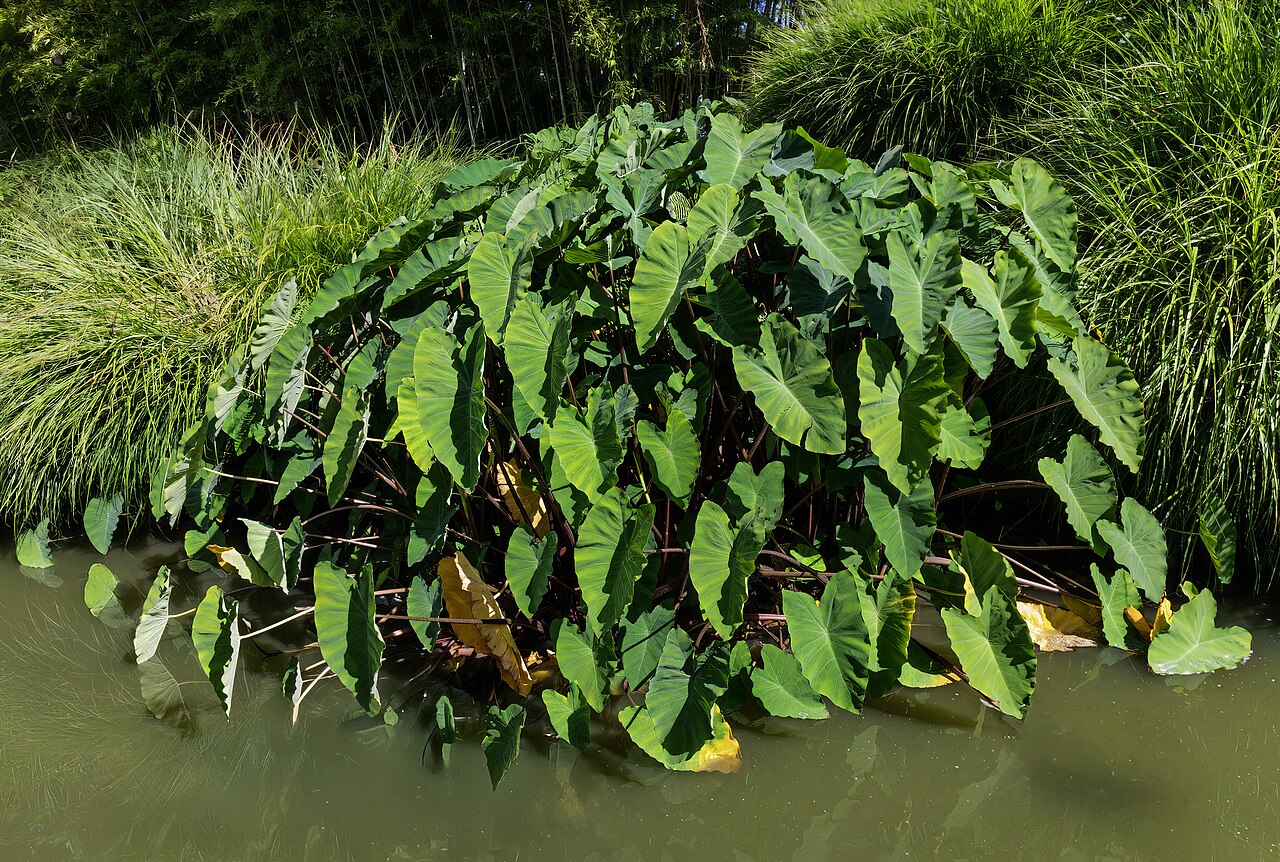
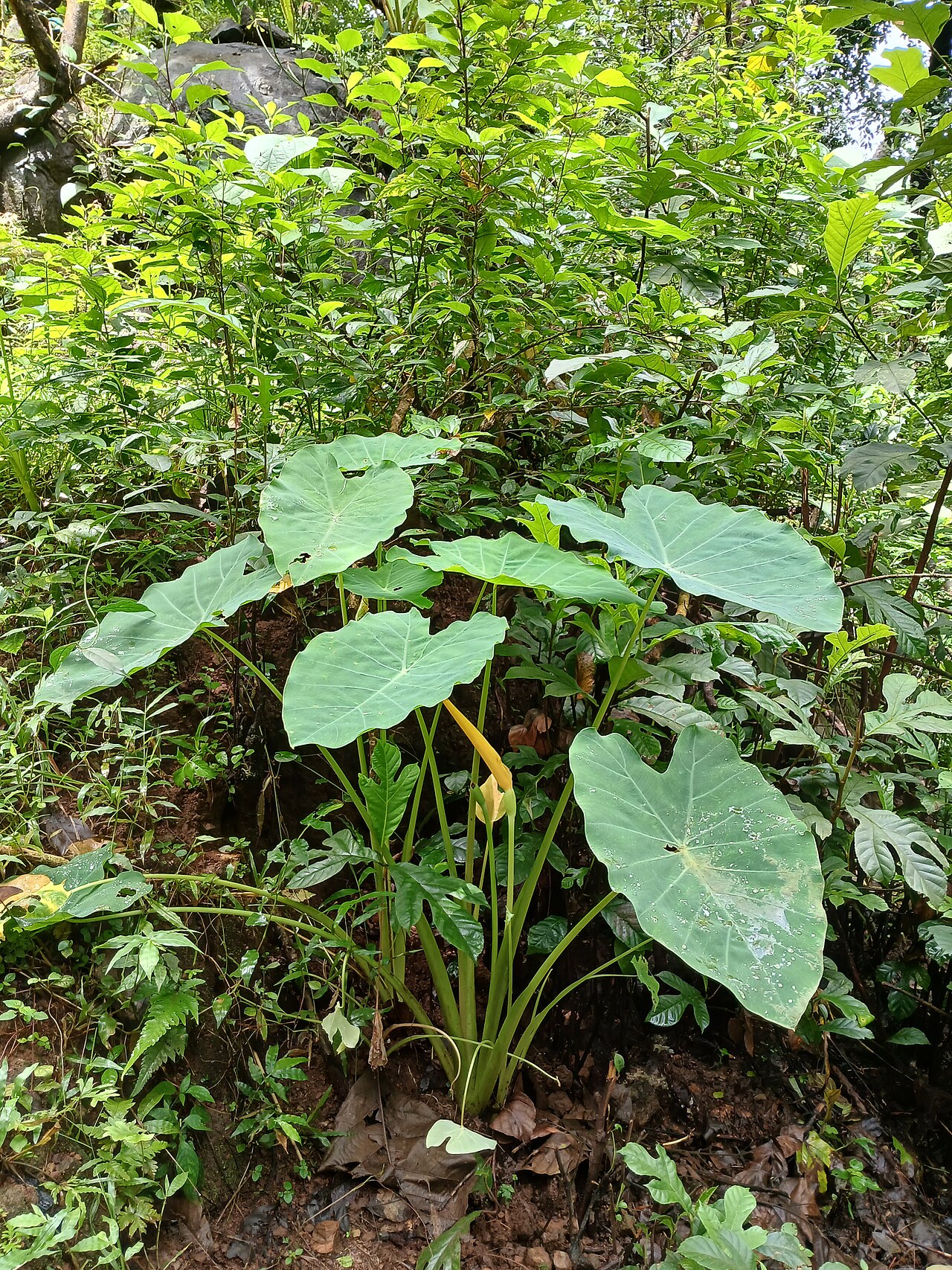

Why this variety
Bun Long is the taro most cooks mean when they say Chinese taro: an elongated, cylindrical corm with light purple-flecked flesh, a delicate flavor, and a smooth, almost creamy texture when cooked. It is the most widely grown upland taro in the island state where taro is a staple, and it earned that place by being versatile — good boiled, steamed, fried into chips, or cubed into soup — where a poi-only taro would be a one-trick corm.
Bun Long is also the practical taro for a home garden: it grows as an upland crop in ordinary wet garden soil, no flooded field required, and it produces both a main corm and edible leaves (cooked thoroughly, always) for the traditional wrapped dishes. If you want one taro that covers dinner, chips, and soup from the same planting, Bun Long is the one to plant first.
If you are new to choosing between cultivars, the Varieties Matter guide explains why the name after the plant matters as much as the plant itself. And if you want the whole clan at a glance, the broader Taro guide covers taro generally.
How to grow
In Florida, taro is in its element and then some: heat, humidity, and rain are exactly what it wants, and it will grow with an enthusiasm that demands a plan. Plant it in spring after the soil warms, give it rich, wet ground or a large container, and never plant it where it can escape into a ditch, pond, or wetland — taro that wanders is a weed with a passport. Cook every part thoroughly; raw taro is not food, it is a chemistry lesson in calcium oxalate crystals.
Plant corm pieces or small corms in spring after the soil is warm, 3 feet apart in rich, wet soil or a large container, with the growing point just below the surface. Keep the soil wet all season — a dry spell stalls growth — and feed with compost every month or so. Harvest when the leaves yellow and die back, usually 9 to 11 months after planting, and cure the corms in a dry, shady spot for a week before storing.
Water & feeding
Taro drinks like a wetland plant because it is one. Keep the soil wet — soggy is fine, standing water is fine for wetland types — mulch heavily, and feed with compost through the season. A taro that dries out stops growing and sulks, while a taro that stays wet grows leaves big enough to shade a dog.
Common problems
Taro leaf blight and corm rots love hot, wet, still air, so give plants airflow and never plant in soil that stays waterlogged and sour. Aphids and spider mites can colonize leaves in dry spells; a strong jet of water handles them. And remember the containment rule: taro spreads by runners and cormlets, so a container or a contained bed keeps a good crop from becoming a neighborhood weed.
Harvest
Dig the whole plant when the leaves yellow, shake off the soil, and cut the corm from the stem. Cure for a week in shade, then store cool and dry. Cook thoroughly — boil, steam, or roast until completely tender — because raw or undercooked taro irritates the mouth and throat. The leaves are edible only after long, thorough cooking, and the young leaves are the tenderest.
Nerdy fact: Taro is one of the oldest cultivated food plants on Earth, farmed for thousands of years across Asia and the Pacific, where it traveled with voyaging peoples as a canoe plant — a crop so important it was carried across oceans. Bun Long’s long season is the price of that history: ten months from planting to pot, and worth every one.
Saving seeds
Bun Long is a named taro type, so seed isn’t the way to keep it true — replant corm pieces instead. The Propagation section of the Taro guide covers how the species is propagated.