
🍈 California Dreaming Che
What it looks like
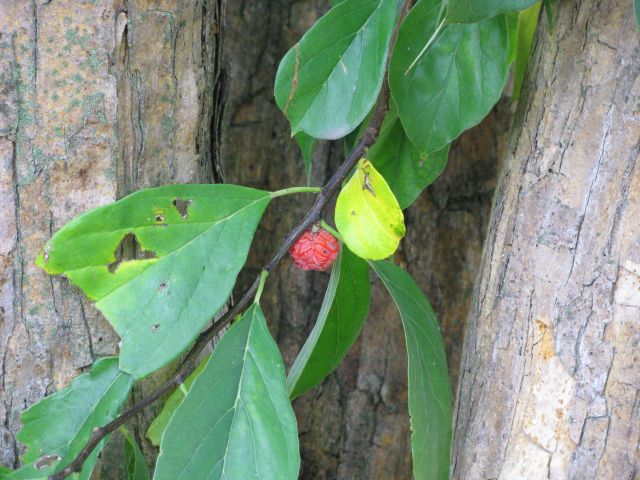
Why this variety
California Dreaming is the che for growers who tried a seedless che and wanted bigger fruit: it is a named selection sold by specialty nurseries, noted for larger fruit than most che cultivars and a more upright growth habit, with the same juicy, sweet, watermelon-with-berry flavor that makes che worth growing. Where Norris is the safe, seedless standard, California Dreaming is the size upgrade, and growers who have fruited it report holding fruit to full ripeness for the best flavor, because che picked underripe is a disappointment and che picked ripe is a revelation.
Culture matches Norris exactly: North and Central Florida, full sun, well-drained soil, grafted tree on Osage orange rootstock, and the same pollination caution — if you want seedless fruit from a seedless female, keep male che trees away. California Dreaming is a little less widely trialed than Norris, so this guide frames it as the second pick, not the first: plant Norris for certainty, add California Dreaming when you want a bigger-fruited companion and are willing to be the trial. Prune for shape in winter, water through dry spells, and expect a tough, pest-free tree once established.
If you are new to choosing between cultivars, the Varieties Matter guide explains why the name after the plant matters as much as the plant itself. California Dreaming is a perfect example: it is not just a che in the abstract, it is a che with a specific job, a specific history, and specific strengths.
How to grow
Plant a grafted tree in spring in full sun and well-drained soil — che must be grafted onto Osage orange rootstock, which tames its suckering and thorns and gives a single-trunked tree instead of a thicket. Work worm castings into the planting hole, water through the first season, and space 12 to 15 feet from other trees. Prune in winter for shape, and do not plant a male che near a seedless female if you want seedless fruit, because pollination is how seedless fruit becomes seedy. Che is notably pest-free once established.
Set plants 12-15 feet in soil with a pH around 6.0-7.5. Work worm castings into the bed at planting and mulch to hold moisture. A well-fed che plant rewards that care directly: steadier growth, better bloom, and a show that actually shows up.
Water & feeding
Water to establish, then water moderately — che is drought-tolerant once established and sulks in waterlogged soil. Water at the soil line, mulch to hold moisture, and feed lightly: castings at planting plus a balanced organic feed in spring. A young grafted tree needs steady water through its first season; an established tree handles dry spells, and overwatering is a bigger risk than underwatering once roots are deep.
Common problems
- Seediness from a nearby male — a male che pollinating a seedless female makes seedy fruit; keep males away from seedless females.
- Suckering and thorns on own-root trees — plant grafted trees on Osage orange rootstock, and remove any rootstock suckers promptly.
- Underripe fruit disappointment — che picked underripe is bland; wait until fruit is fully soft and colored before picking.
- Failure in hot, low-chill climates — che needs winter chill; in warm zones, treat it as a North and Central trial, not a South promise.
- Birds eating ripe fruit — net trees or pick promptly when fruit ripens, because birds find che fruit as fast as you do.
Harvest
Harvest fruit in late summer to fall, when fruit is fully soft, fully colored, and yields gently to pressure — che picked underripe is bland, and che picked ripe is sweet, juicy, and worth the wait. Pick fruit by hand, since ripe che is soft and bruises easily, and eat fresh or freeze pulp for later, because che does not store long fresh. Do not plant a male nearby if you want seedless fruit, and do not be surprised if birds take a share: pick promptly when fruit ripens, and share the rest with the birds as the price of growing fruit outdoors.
Browse all plant & pest guides
Saving seeds
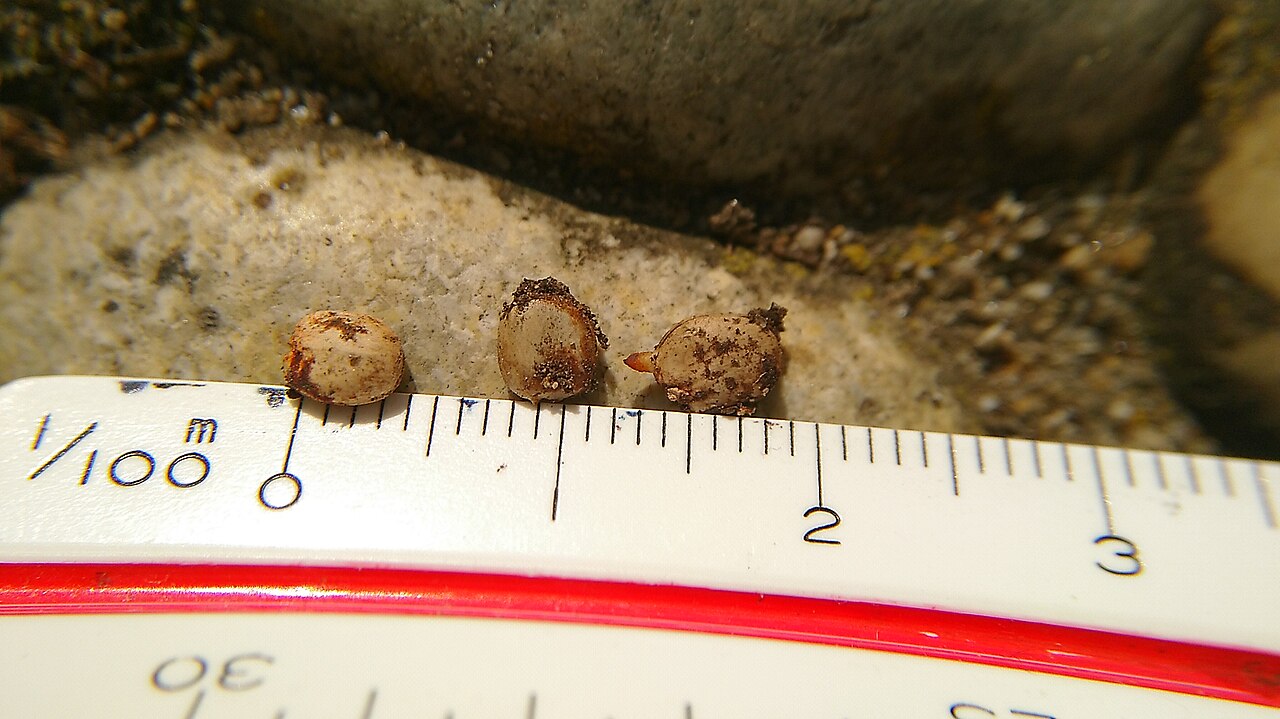
California Dreaming is a named selection, so seed saved from it won’t come true — buy a grafted tree instead. The Saving seeds section of the Che guide covers seed for the straight species.