
🍓 Che
What it looks like
How to grow
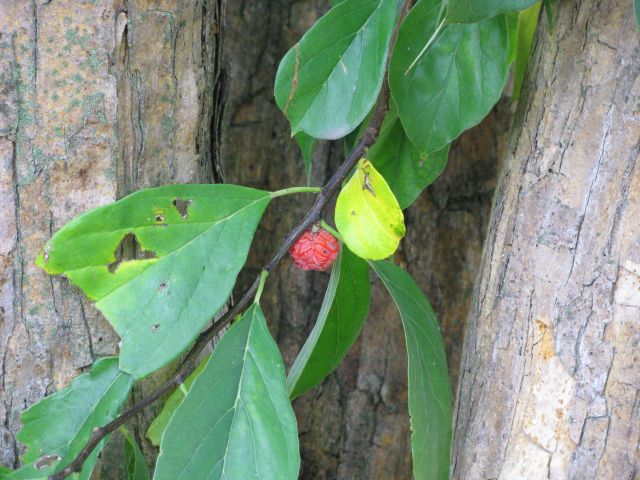
Che, also called Mandarin melon berry or Chinese mulberry, is a small, thorny tree related to mulberry and osage orange, bearing soft, red, raspberry-like fruit that tastes like a mild mulberry with a hint of melon. It is tougher than it looks: hardy to about zone 6, tolerant of heat, drought, and poor soil once established, and happy in full sun. The pollination detail matters — most che trees are dioecious, so plant a male near females for a full crop, unless you buy a variety noted as self-fertile. Prune to a small tree form and wear gloves: the branches are thorny. Fruit quality varies by seedling, so buy a named, fruiting variety where possible, and expect a tree that is more productive than pretty.
Water & feeding
Water while young and in dry spells; established che is drought-tolerant. Mulch to hold moisture and suppress weeds. Feed lightly in spring with compost or a balanced fertilizer; heavy feeding makes thorny, leafy growth.
Common problems
- No fruit — usually a missing male pollinator; check the variety’s needs before replanting.
- Thorns — prune with gloves and site away from paths where children play.
- Fruit drop in drought — water while fruit ripens.
- Birds — they find che fast; net if you want more than a taste.
Harvest
Pick when fruit turns fully red and soft and pulls easily; it bruises like a raspberry, so use a shallow container. Eat fresh, or cook into jam and sauce the same day. Overripe fruit ferments fast, so pick often.
Browse all plant & pest guides
Saving seeds
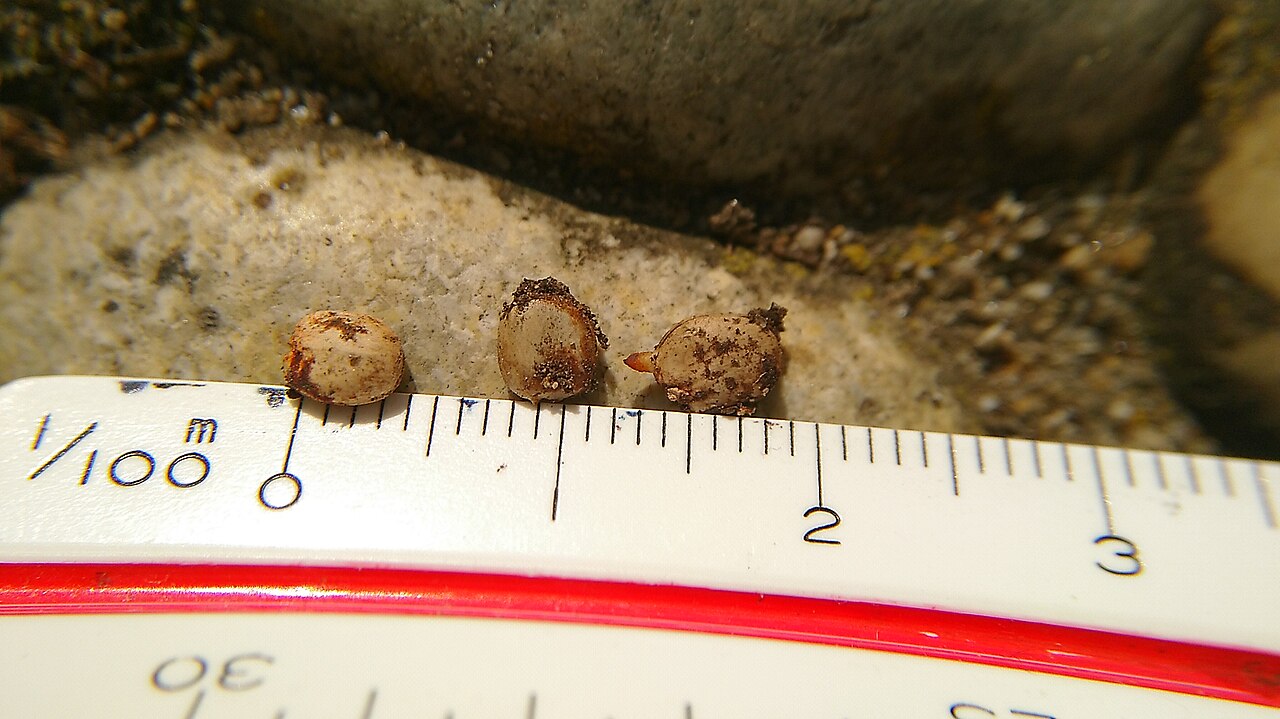
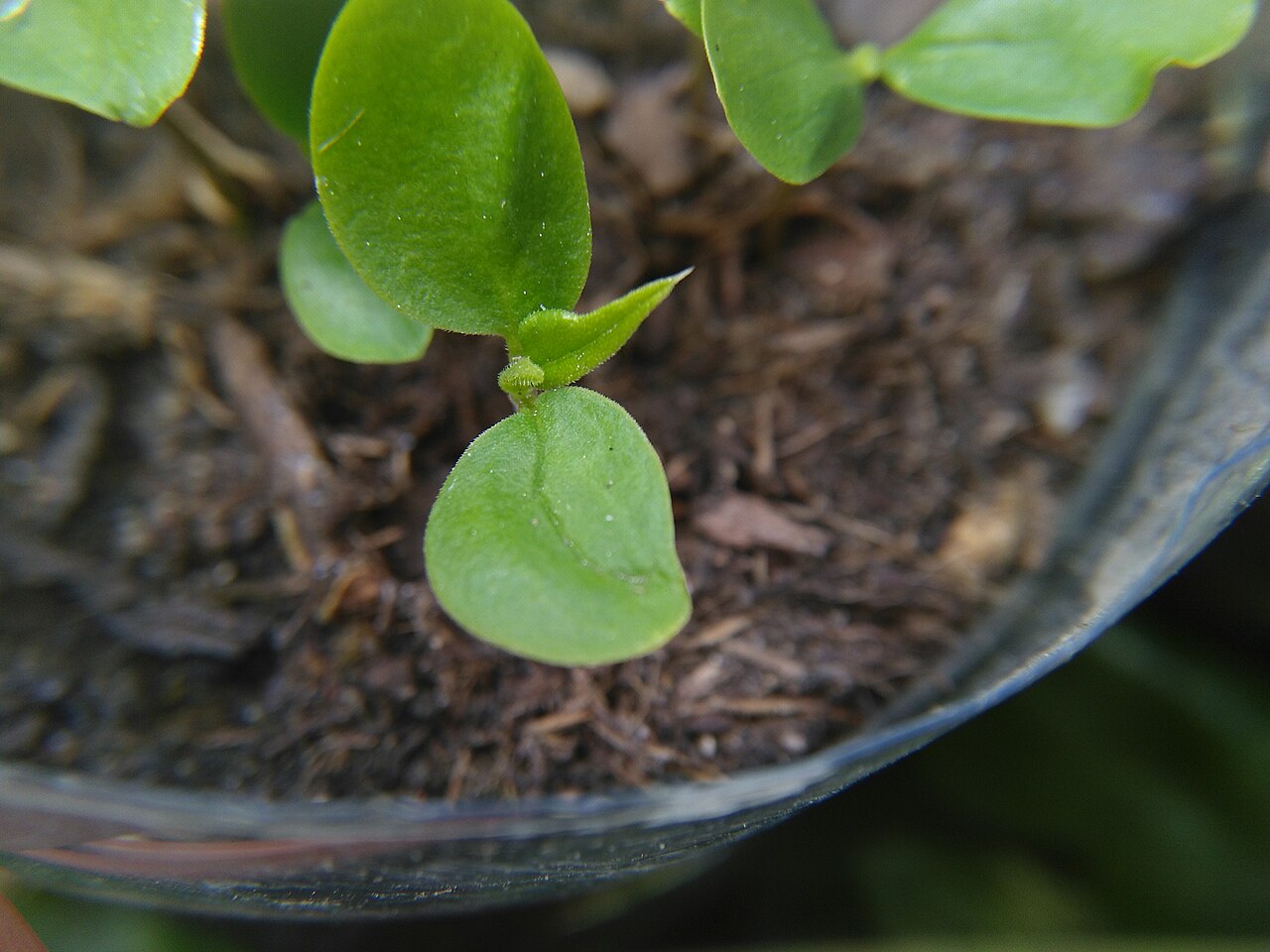
Che seed is easy to germinate and hard to trust, and both halves of that sentence matter. The fruit of Maclura tricuspidata — che, Chinese mulberry, mandarin melon berry — is a knobbly red multiple fruit carrying a few small brown seeds, and fresh seed sown as soon as it is pulled from a ripe fruit germinates readily, often within weeks. But che trees are dioecious, with male and female flowers on separate trees, so a seedling is a lottery ticket: you will not know whether it is male or female, or whether its fruit will be worth eating, until it bears — and seedlings can take up to around ten years to get there, while a grafted or cutting-grown tree may fruit in two or three.
That lottery has one more twist: the most popular che trees in cultivation are seedless female selections, grown precisely so one tree fruits heavily without a male nearby. A seedless fruit, by definition, gives you no seed to save — and if a male tree is growing nearby, a supposedly seedless female may set seeded fruit instead, which is another reason not to plant a male next to a seedless female if you value seedlessness. So before you save che seed, ask what tree it came from: seed from an unnamed seedling tree is an experiment; seed from a named cultivar will not reproduce that cultivar.
To collect, let fruit go dead ripe and soft on the tree, mash the pulp away in water, and rinse the seeds clean. Sow fresh seed right away for the best results. If you must store it, do not dry it in a jar and forget it the way you would a bean: stored che seed benefits from a period of cool, moist stratification — mixed into damp sand or a damp paper towel in the fridge — before sowing in spring. In Florida humidity, that damp-cold step needs a sealed container and a watchful eye, since warm, wet seed in a fridge that cycles warm is an invitation to mold.
For a tree you actually want to eat from, cuttings and grafting beat seed every time. Softwood cuttings taken in midsummer and treated with rooting hormone root well, and grafting a known female onto Osage orange (Maclura pomifera) rootstock is the classic move: grafted trees tend to be more vigorous and upright, with fewer thorns and far less suckering than a tree on its own roots. Save seed for fun, for rootstock experiments, or to raise a seedling and see what fate hands you — just do it with your eyes open, and plant a cutting or a grafted tree alongside it if you want fruit you can count on.
Varieties
Every named variety of Che with its own growing guide:
- California Dreaming Che — The big-fruited che: larger, sweet, watermelon-flavored fruit on a more upright tree, the che for growers who want size.
- Norris Che — The seedless melon berry: sweet, seedless, cantaloupe-watermelon fruit on a thornless-grafted tree, the che to start with.