
🌲 Candicans White Fir
What it looks like
Why this variety
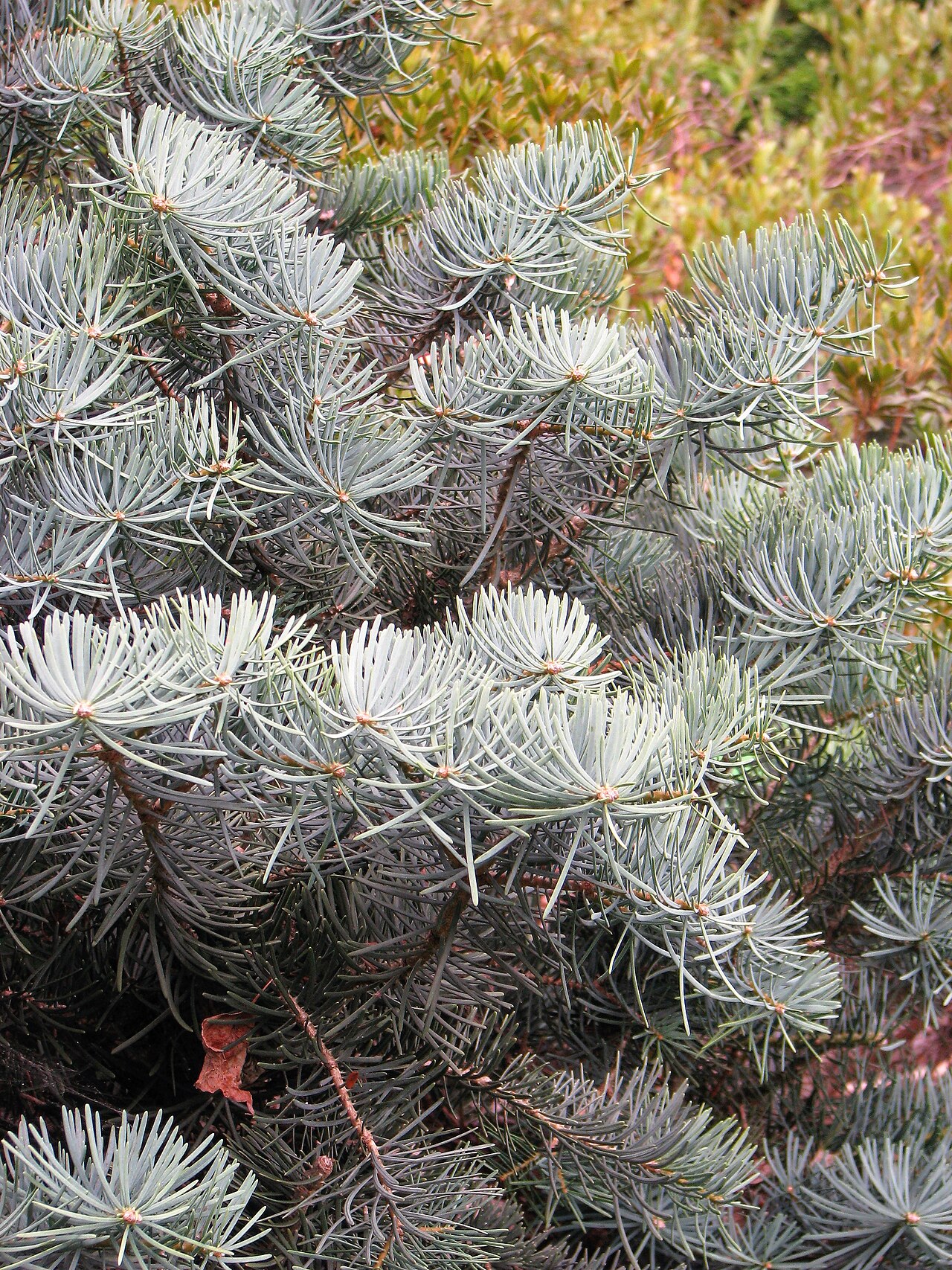
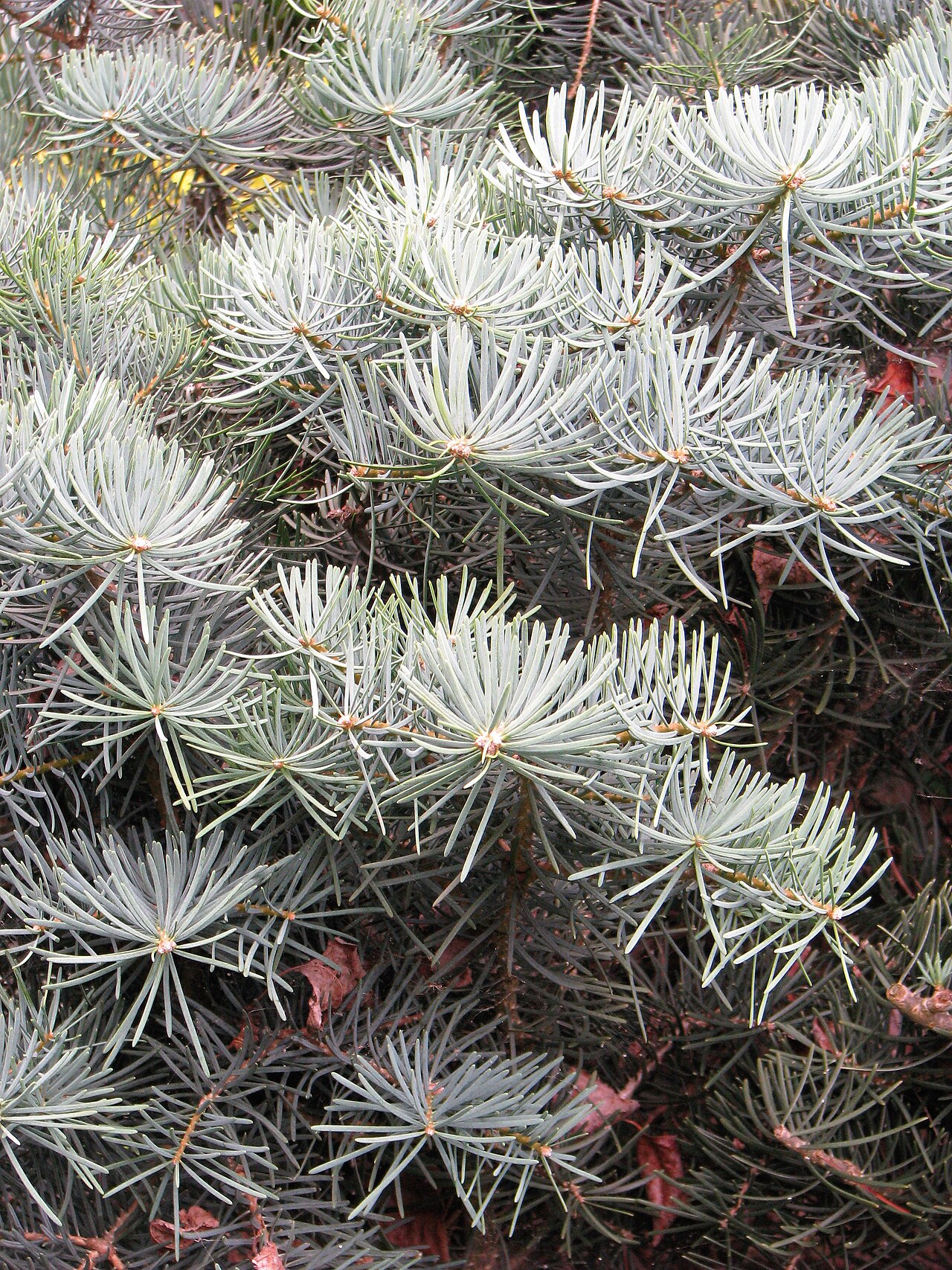
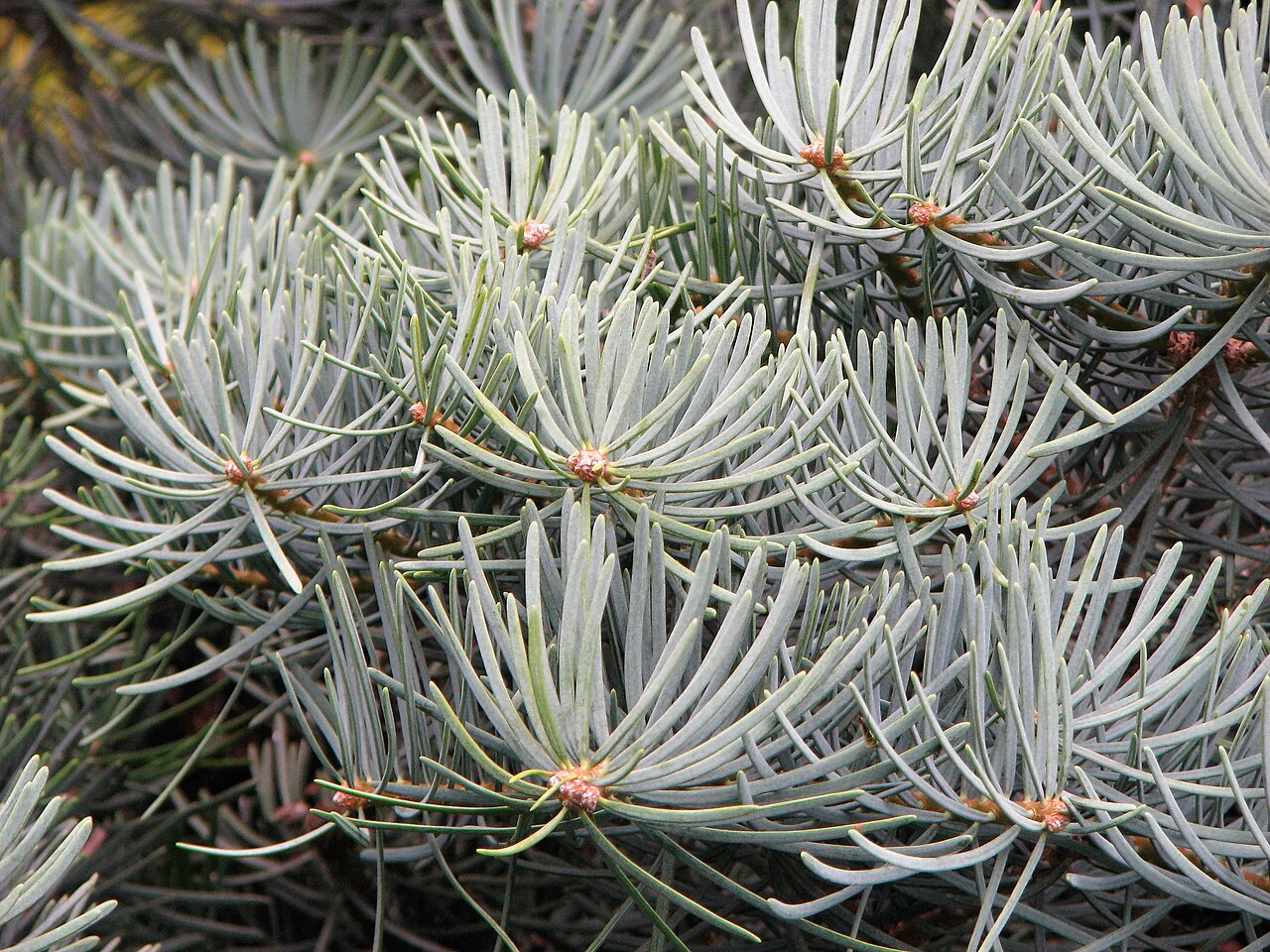
Candicans is the white fir that other blue conifers get compared to: the University of Connecticut calls its needles intensely silvery-blue, perhaps the bluest of all Abies, and Oregon State calls it a popular clone with large, bright silver-blue needles. This is not a subtle blue-green — on a sunny winter day, Candicans looks frosted even when there is no frost. Unlike the dwarfs in this set, it is a full-size tree, so the blue comes at landscape scale.
White fir is the most heat- and drought-tolerant of the firs in this set once established, and it handles a wider range of soils than Fraser or balsam — but ‘most tolerant’ is not ‘Florida-proof.’ It still wants cold winters, good drainage, and room: a 60-foot tree with a broad crown is a legacy planting, not a foundation shrub. Plant it for the next owner as much as for yourself.
Florida honesty: this is a northern-tree guide, not a Florida planting promise. Firs want cool summers, cold winters, and steady moisture, and Florida heat and humidity work against all three. Treat this variety as reference for a northern garden, or as the story behind a cut Christmas tree — not as a tree to plant expecting it to thrive statewide in Florida. At most, a far-north trial in a cool, sheltered, irrigated microclimate is an experiment, not a recommendation, and a failed experiment here says nothing bad about the tree: it is simply out of its climate.
If you are new to choosing between cultivars, the Varieties Matter guide explains why the name after the plant matters as much as the plant itself. The species guide for White Fir covers the species as a whole; this guide is about what makes this one selection different.
How to grow
Plant in spring or early autumn, in full sun to light shade, in moist, well-drained, slightly acid soil. Dig the hole no deeper than the root ball and twice as wide, settle the plant so the root flare sits at soil level, water deeply, and mulch without piling mulch against the trunk — the classic mulch volcano is how good trees get bark rot. Stake only if the site is windy, and remove the stake within a year.
Plant Candicans as a specimen with the whole sky above it: no wires, no future roofline conflicts, and at least 25 feet from other large trees. It transplants best in spring, establishes with deep watering, and then tolerates drier conditions better than most firs — but do not confuse drought tolerance with drought love.
Water & feeding
Water deeply to establish, and keep the soil evenly moist but never waterlogged through the first two growing seasons. Firs sulk in both drought and wet feet: mulch holds moisture, but soggy clay is a slow death sentence. Once established, water in dry spells; feed lightly, if at all — worm castings worked into the surface in spring is plenty, because rich, fast growth on a fir is soft growth that winter punishes.
Common problems
- Heat and humidity stress — the limiting factor south of its zone; browning needles and thin growth in hot summers mean the climate, not your care, is the problem.
- Root rot in wet or heavy soil — plant high, improve drainage, and never let a fir sit in standing water.
- Spider mites and balsam woolly adelgid on stressed trees — keep the tree vigorous, hose foliage in dry weather, and remove badly infested branches.
- Winter burn on exposed sites — shelter from cold, drying wind matters more than wrapping; a windbreak beats a blanket.
- Canker and root disease on wet sites — white fir’s drought tolerance does not extend to wet feet.
Pruning & enjoying it
Candicans is a winter garden in one tree: silver-blue needles, a soft, layered crown, and upright cones that break apart on the branch. It is also a genuinely useful shade tree in its zone — just one that happens to look like it was dipped in moonlight. Prune only to remove dead or crossing branches; the natural pyramidal form is the display.
Browse all plant & pest guides
Saving seeds
Candicans is a popular clone, so seed saved from it won’t come true — buy a grafted tree instead. The Saving seeds section of the White Fir guide covers seed for the straight species.