
🟡 Cape Gooseberry
What it looks like
How to grow
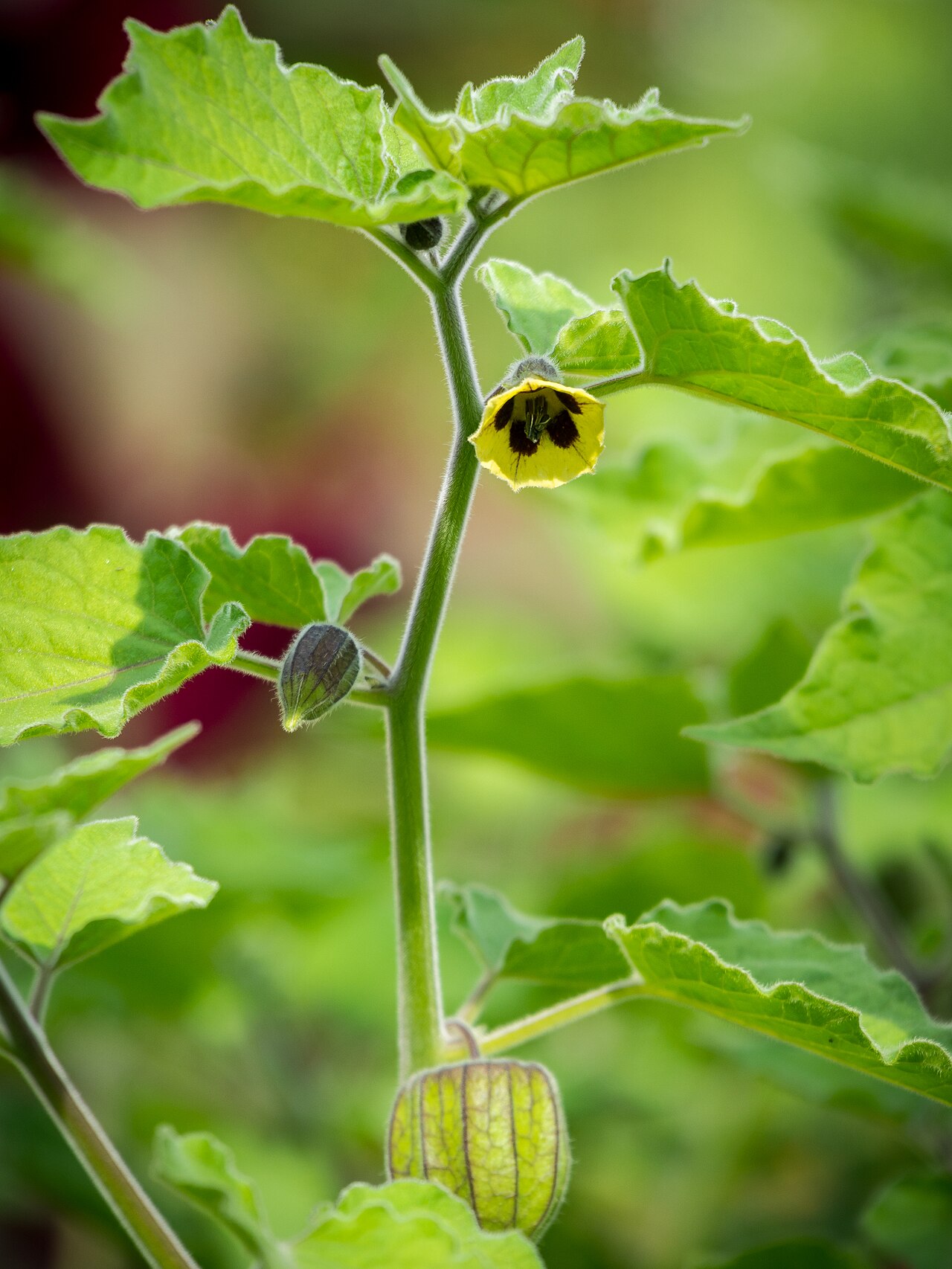
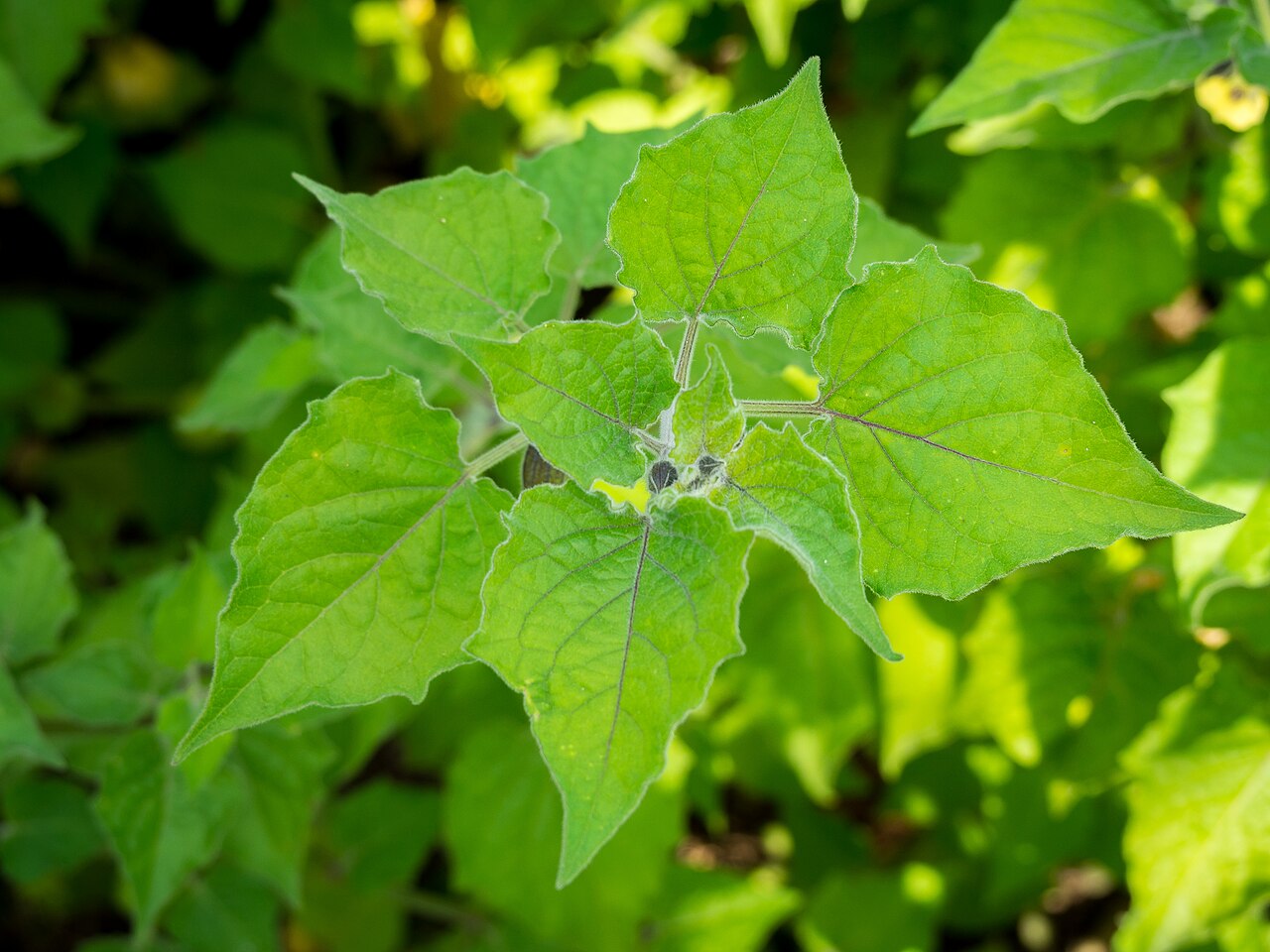
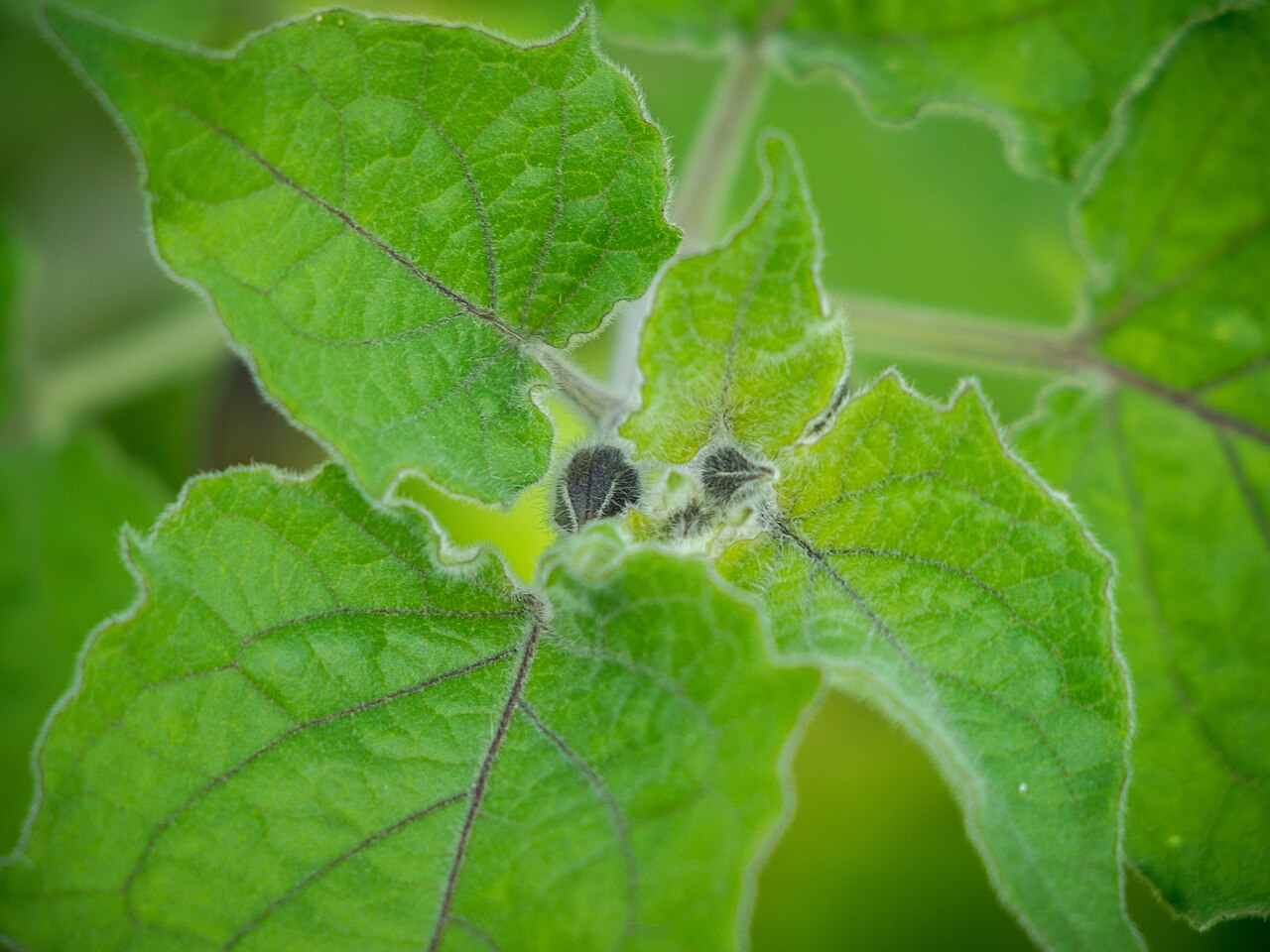
Cape gooseberry — golden berry, Inca berry — is a perennial cousin of the annual ground cherry, larger in plant (3–5 feet, shrubby) and in berry, with a sweeter-tart flavor that makes it a favorite for fresh eating and desserts. In zones 8–11 it lives as a perennial, dying back in light frost and resprouting; in colder zones, grow it as an annual from seed started indoors 8 weeks before the last frost, or overwinter a potted plant indoors. Plant in rich, well-drained soil after frost danger, mulch underneath so dropped fruit stays clean, and give it room — cape gooseberries sprawl and branch enthusiastically. They are self-fertile, so one plant fruits, and they produce over a long season once they start.
Water & feeding
Steady moisture during growth and fruiting; cape gooseberries tolerate brief drought but fruit better with regular watering. Mulch to hold moisture and keep fruit clean. Feed lightly — overfertilizing produces leafy sprawl with fewer berries.
Common problems
- Frost killing top growth — in zone 8, mulch the crown and expect resprouting; in colder zones, treat as an annual
- Fruit rotting on wet ground — mulch thickly under plants
- Flea beetles and hornworms, as with other Physalis — row covers early, hand-picking later
- Sprawling habit overtaking neighbors — prune or trellis to contain it
Harvest
Gather when the husks have turned tan and papery and the berries inside are golden-orange — fruit still in a green husk is not ripe. Eat fresh, dip in chocolate, or make jam and pies; the flavor is sweet-tart with tropical, pineapple-like notes.
Browse all plant & pest guides
Saving seeds
First, the nightshade rule, because it matters for seed saving as much as for eating: only fully ripe cape gooseberries are food. The berry must be golden-orange inside a husk that has dried to straw and loosened, and anything green, unripe, or still in a green husk is not to be eaten. Luckily, seed saving wants exactly the same fruit, so the rule and the recipe point the same way. Pick your seed fruit from your most vigorous, best-flavored plants at the end of the season, not from a struggling plant you feel sorry for, because you are selecting the parents of next year’s crop whether you mean to or not.
Inside each golden berry sit hundreds of tiny, flat seeds wrapped in a slippery gel, much like tomato seeds, and that gel is the whole cleaning puzzle. Scoop the pulp into a small jar with a splash of water and let it ferment for a day or two, no longer; the gel loosens, the good seeds sink, and a little mold on top is normal and harmless. If fermentation sounds like more biology experiment than you signed up for, the lazy method also works: spread the pulp thinly on a plate, let it dry for several days, then rub it to free the seeds and pick them out. Either way, finish by rinsing the seeds in a fine sieve, spreading them on paper or a coffee filter in the shade, and drying them for several days until they feel completely dry and papery. In Florida, dry them indoors with air moving, not on a humid porch, and do not jar them until you are sure; trapped moisture is how a good seed lot turns into a moldy one. Store the dry seed in a labeled envelope or jar with a desiccant packet, cool, dark, and dry.
On viability, be realistic rather than romantic. Well-dried seed kept cool and dry stays usable for a good while, but germination slides with age, so sow your freshest seed first and sow a few extra from any older lot rather than trusting it blindly. A quick germination test on a damp paper towel before your main sowing will save you a month of staring at empty trays. When you do sow, go shallow, just a few millimeters deep, in warm mix around 70 to 85 degrees Fahrenheit, and expect sprouts in roughly 10 to 20 days. Cape gooseberry is self-fertile, so a single plant can fruit and set seed on its own, and seed from an open-pollinated plant grown alone will usually produce seedlings that resemble the parent. If you are growing several Physalis types together, ground cherries, tomatillos, and cape gooseberries all in one patch, some crossing is possible, so keep seed plants apart if keeping a type pure matters to you.
Two shortcuts are worth knowing. If you have one standout plant, softwood tip cuttings root readily in a moist, free-draining mix and give you a clone, no genetic lottery involved. And in frost-free climates, cape gooseberry self-seeds with enthusiasm, so volunteers will appear where berries dropped; in Florida beds, that means pulling extras before they take over a corner you had other plans for. Seed saving here is easy, generous, and forgiving, which is exactly what you want from a plant that hands you hundreds of seeds per berry.
Varieties
Every named variety of Cape Gooseberry with its own growing guide:
- Golden Berry Cape Gooseberry — The Long Ashton goldenberry — sweet-tart lantern fruit, and the cape gooseberry most worth growing.