
🟡 Golden Berry Cape Gooseberry
What it looks like
Why this variety
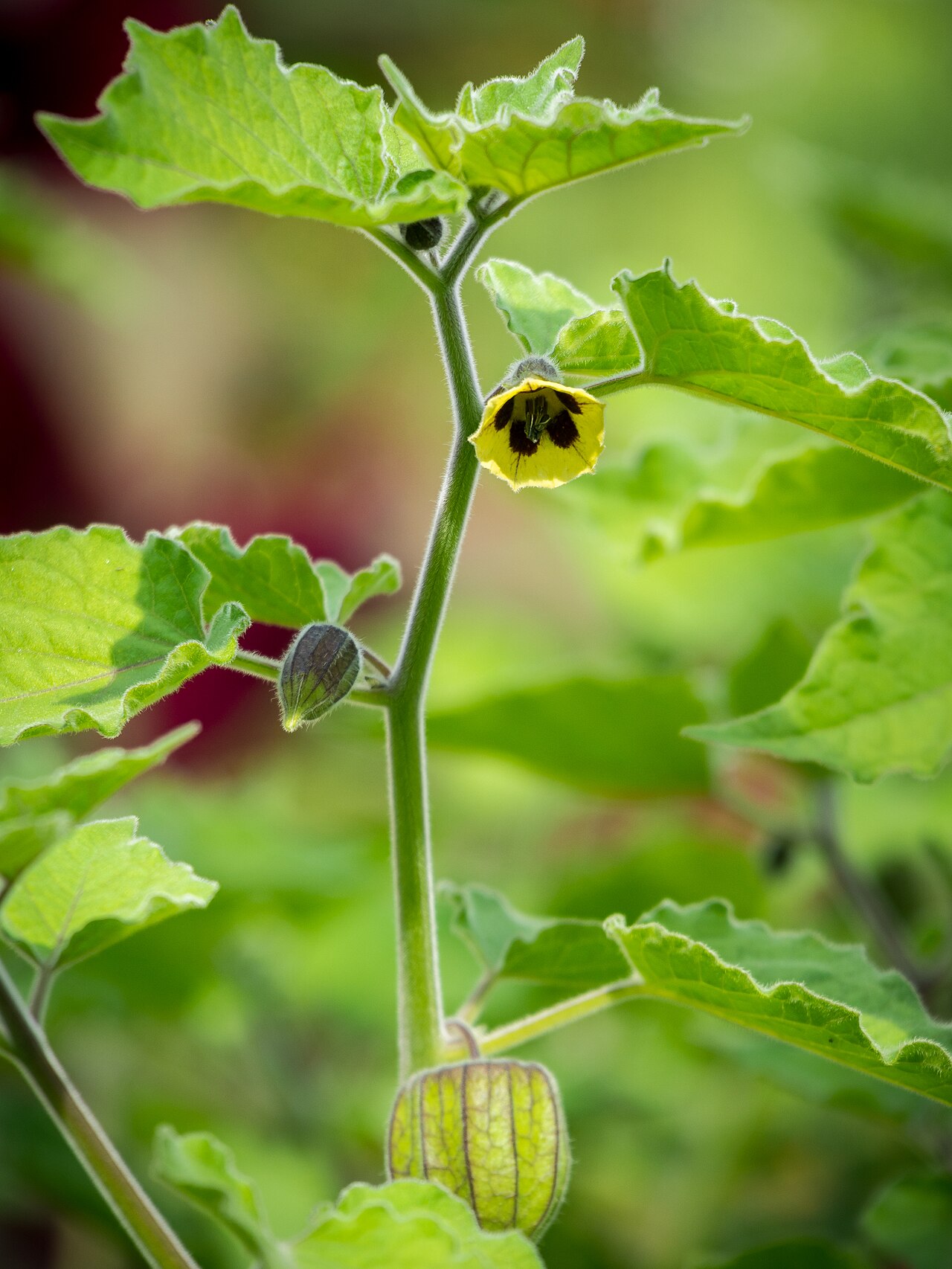
Golden Berry is the named cape gooseberry selection most often cited as superior to unnamed types: a clone developed, or at least distributed, by England’s Long Ashton Research Station around 1980, producing rich golden fruit with the classic cape gooseberry flavor — sweet-tart, perfumed, somewhere between pineapple, tomato, and citrus. The fruit hides inside a papery lantern husk that turns from green to tan as it ripens, which is both packaging and ripeness indicator in one elegant design.
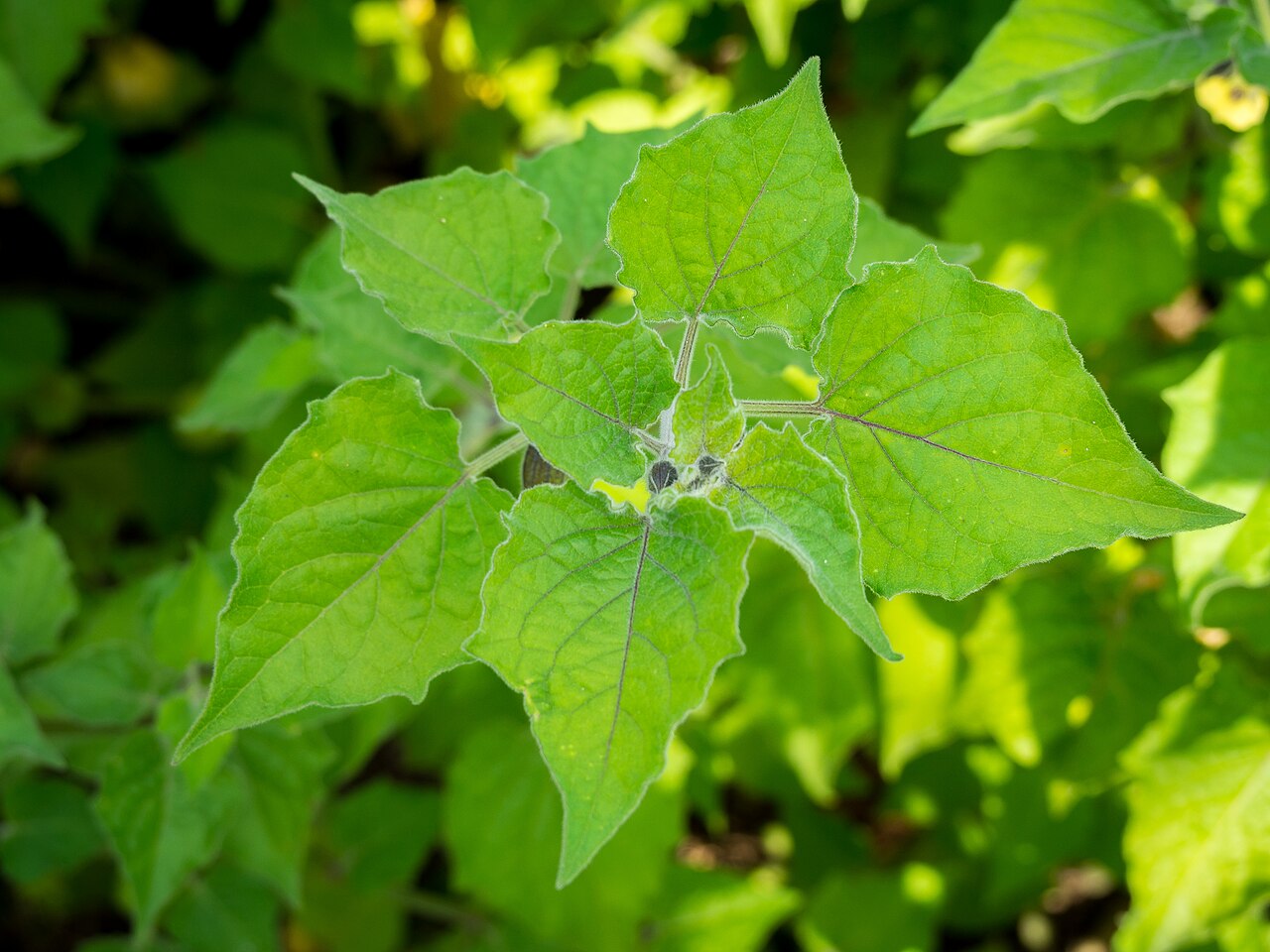
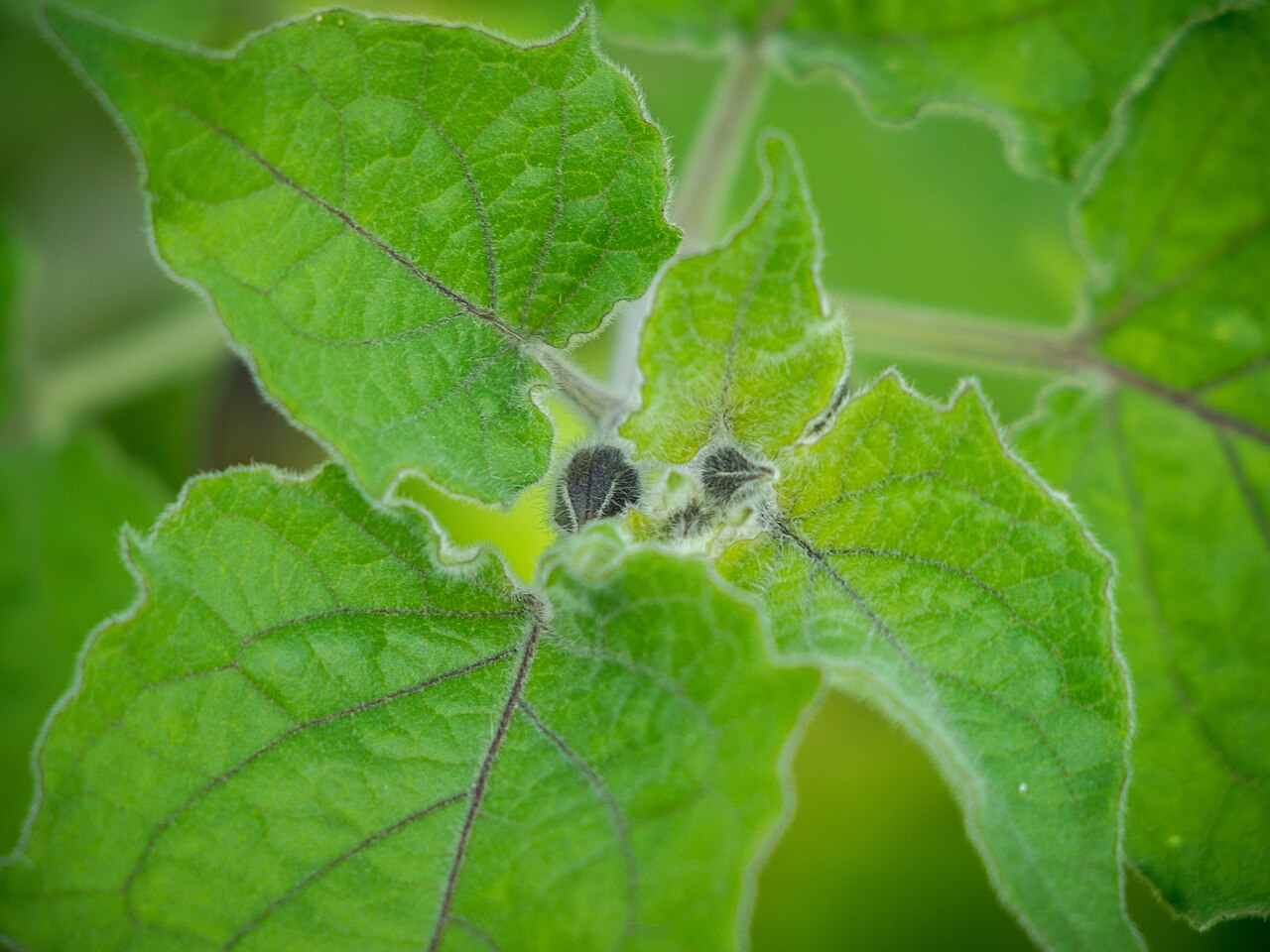
Why grow a named selection when seed packets of plain cape gooseberry are everywhere? Because Physalis naming is famously messy — seed sold as cape gooseberry, goldenberry, or ground cherry may be any of several species — and Golden Berry is a documented selection with a track record for fruit quality. It is also a beautiful plant: sprawling, soft-leaved, yellow-flowered, and productive over a long season, giving you fruit for fresh eating, salads, chutneys, jams, and desserts that look like they came from a fancier garden than yours.
How to grow
Here is the honest Florida part first: cape gooseberry is one of the few berries on this list that genuinely likes Florida. It is perennial in zones 8–11 and an easy annual anywhere else, so across most of the state it can be grown as a long-season annual or a short-lived perennial. Give it sun, drainage, and room to sprawl, and keep it away from soggy ground, which is the one Florida condition it truly hates.
Start seed indoors 6–8 weeks before the last frost, or direct-sow in warm soil in Florida, where the season is long. Transplant after frost danger into full sun and well-drained soil, spacing plants about 3 feet apart and giving them room to sprawl — cape gooseberry is not a tidy upright plant, and staking or a low cage keeps fruit off the ground. In Florida it can be grown as a long-season annual everywhere and as a perennial in the warmest zones, where a light frost may kill top growth but the roots often resprout.
Water & feeding
Water about an inch a week, at soil level, and feed lightly: worm castings at planting and a light side-dress once plants are fruiting is plenty, since overfeeding grows leaves at the expense of fruit. Mulch to hold moisture and keep husks clean, and do not overwater — cape gooseberry tolerates dry spells far better than soggy feet, and wet Florida soil is its one real enemy.
Common problems
- Aphids, whiteflies, and flea beetles are the insect usual suspects, all worse in hot, dry spells; blast aphids with water and give plants room for airflow.
- Fruit that drops before ripening usually means drought stress or an immature plant, not disease.
- The plant and unripe fruit belong to the nightshade family, so eat only fully ripe, golden fruit — green fruit and foliage are not food.
- In Florida, root-knot nematodes can build up in sandy soil; rotate beds and do not follow cape gooseberry with tomatoes or peppers in the same spot.
Harvest
Harvest when husks turn papery tan and the berry inside is deep golden-orange; fruit often drops when ripe, so check the ground and the plant daily at peak season. Husked berries keep a week or two in the refrigerator and longer in the husk, and they dry beautifully. Taste before cooking: a fully ripe Golden Berry needs nothing added, and that is the test of whether you grew it right.
Browse all plant & pest guides
Saving seeds
Golden Berry is a named clone — a selection from England’s Long Ashton Research Station — so propagate it by cuttings to hold the fruit quality; seed-grown plants won’t reliably stay true, and Physalis naming is famously messy anyway. The Saving seeds section of the Cape Gooseberry guide covers seed for the species generally.