
🥬 Carolina Broadleaf Mustard Greens
What it looks like
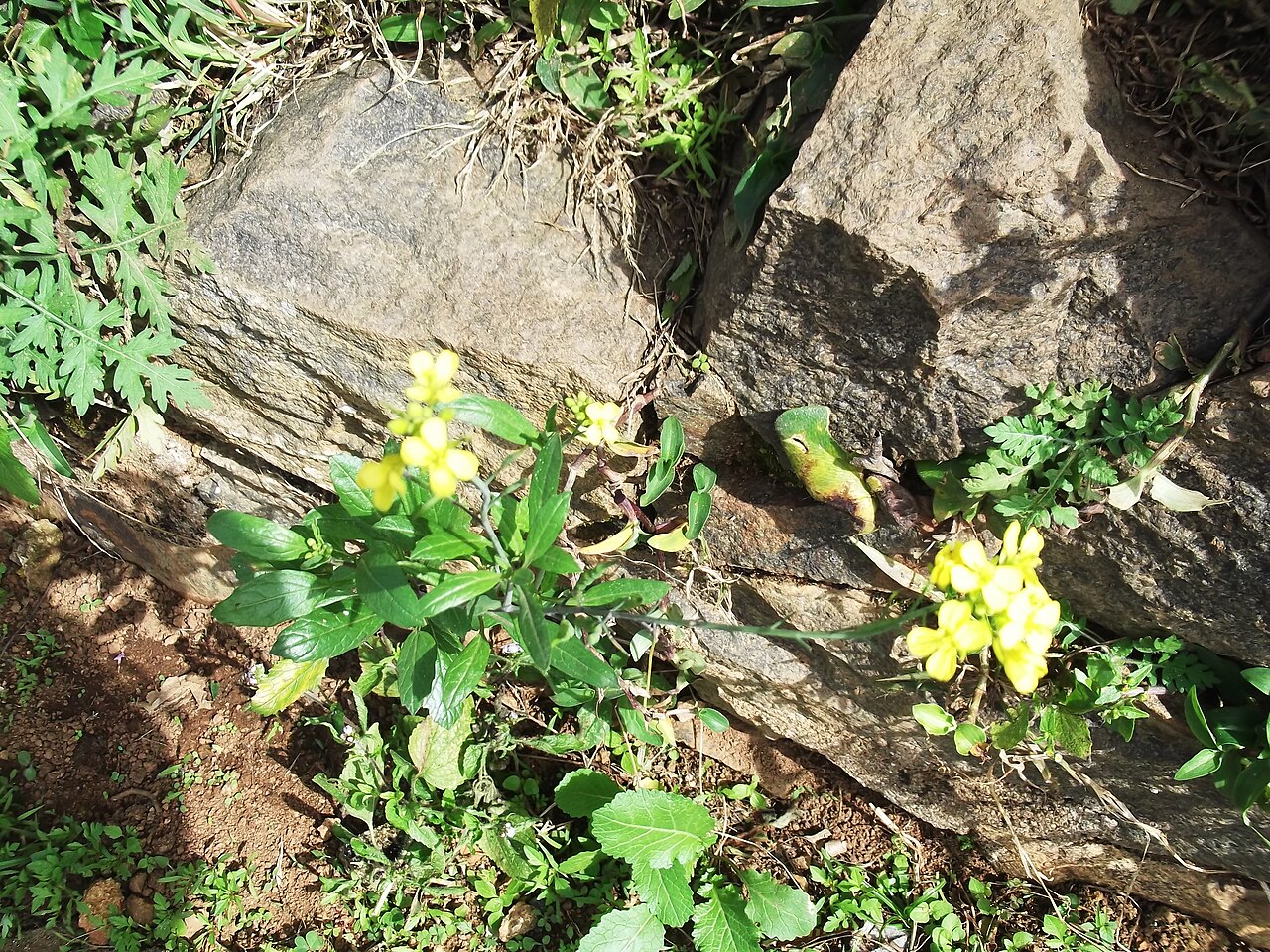
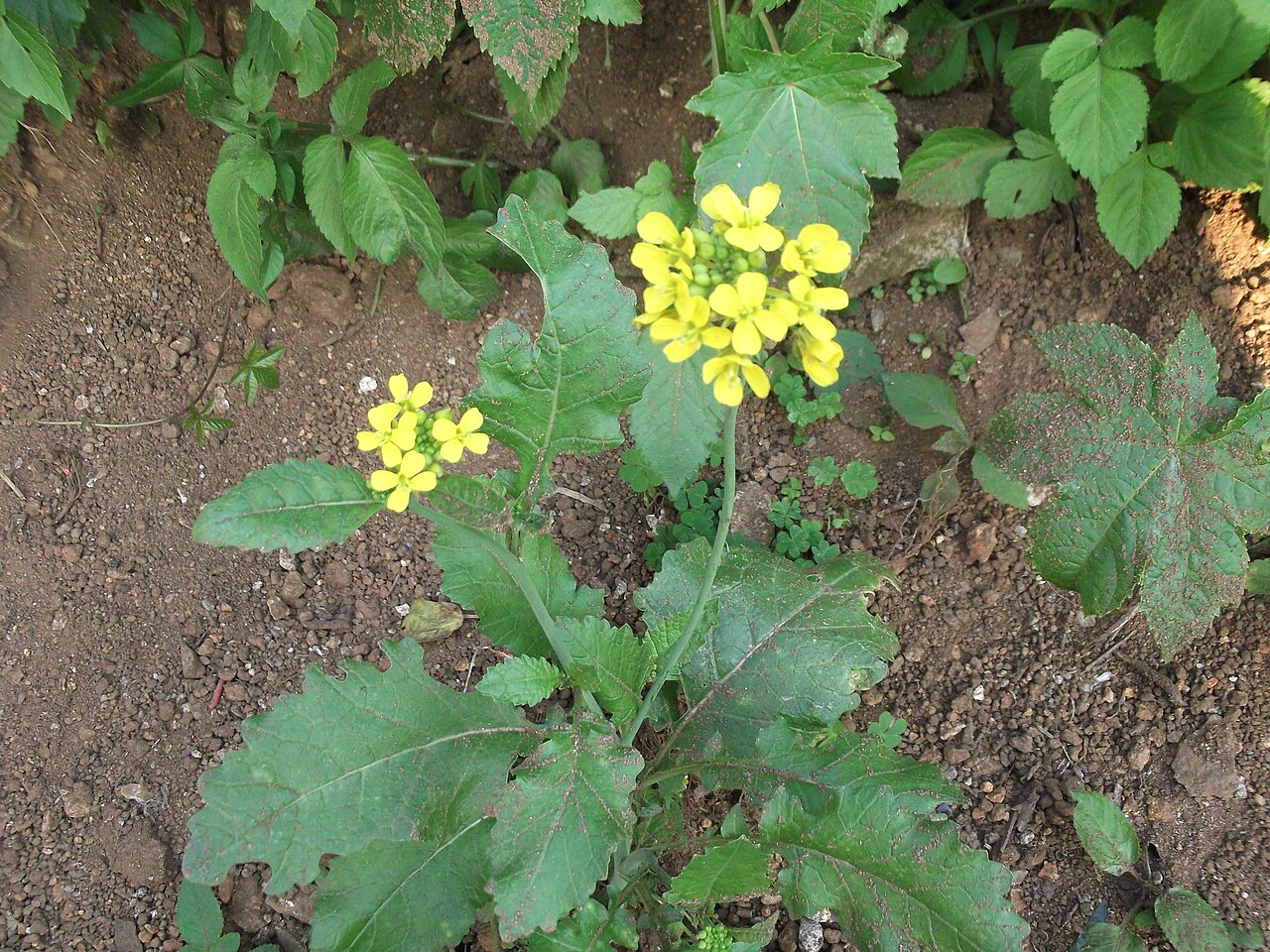
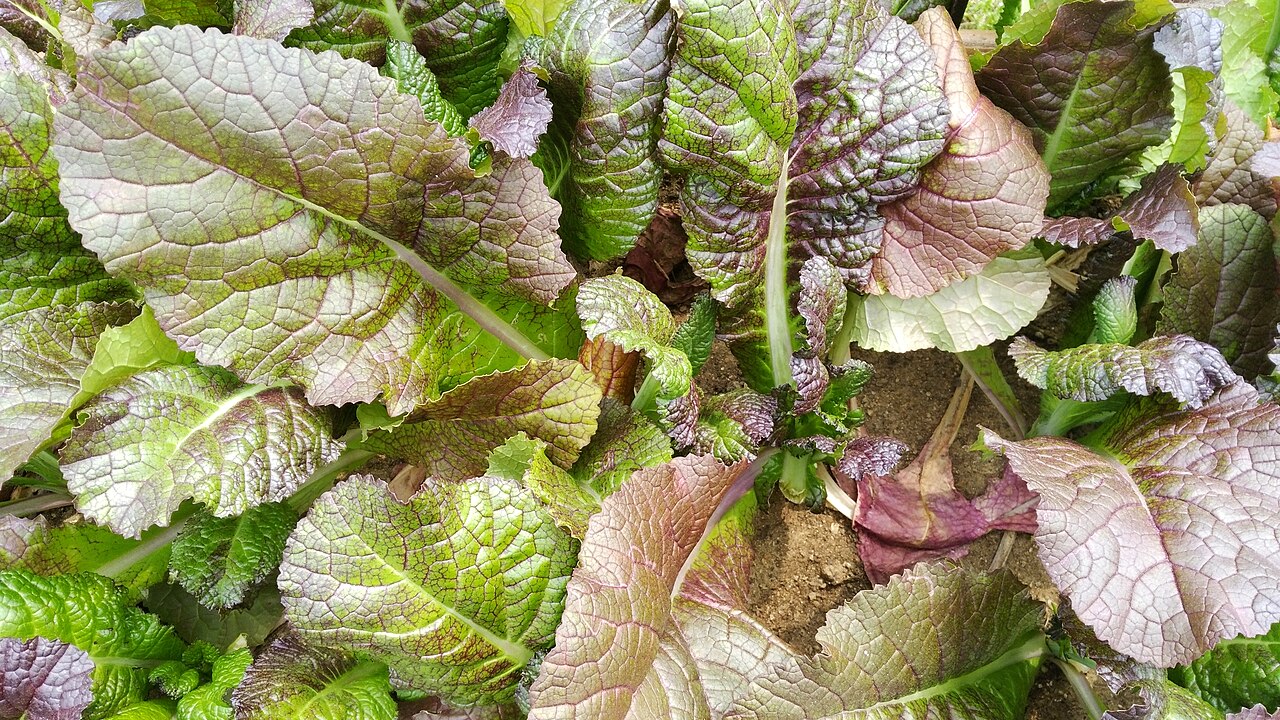
Why this variety
Carolina Broadleaf is a cherished Southern heirloom, rooted in the same cooking-green tradition as its better-known cousin Florida Broadleaf, but a distinct variety in its own right: broad, smooth leaves meant for braising rather than eating raw. This is the mustard for the pot, not the salad bowl — leaves that hold up to long cooking, mellow into something rich and savory, and produce the potlikker that Southern cooks treat as liquid gold.
Listings put maturity at about 40-50 days, with baby leaves harvestable from about 21 days, and the plant is built for cut-and-come-again harvesting: pick outer leaves and the inner rosette keeps producing. For a Florida garden, Carolina Broadleaf is a winter workhorse — sow in fall, harvest through winter, and let it feed the kitchen for months from a single row.
How to grow
Direct-sow in fall through spring in Florida, September through March, with winter as the prime season. Sow shallow, keep the seedbed evenly moist, and thin to about 12 inches for full plants. Stagger plantings every 2-3 weeks for continuous harvest rather than one overwhelming glut — mustard greens all mature at once if you let them, and a household can only eat so much potlikker in a week.
Work compost and castings in at planting, mulch lightly, and keep water steady. Broadleaf mustards are forgiving plants, but drought makes them tough and extra-pungent, while steady water keeps leaves tender even at full size. Harvest outer leaves first and let the center keep growing.
Water & feeding
Mustard greens need steady moisture, about an inch a week; drought makes leaves tough and extra-hot. Feed at planting with castings and compost; mustards are light feeders, and overfeeding makes rank leaves.
Common problems
- Bolting — flower stalks from heat or long days; plant for fall-through-spring harvest and succession-sow.
- Flea beetles — tiny shot-holes in leaves; use row cover on young plants.
- Aphids — clusters on undersides; blast with water.
- Downy mildew in humid weather — space for airflow and water at the base.
Harvest
Pick baby leaves from about 21 days, cut outer leaves for continuous harvest, or harvest the whole plant at full maturity, 40-50 days. For cooking greens, pick leaves before the center stalk elongates; once it bolts, leaves turn tough and the flavor sharpens past pleasant.
Browse all plant & pest guides
Saving seeds
Carolina Broadleaf is a Southern heirloom, so it comes true from seed — save seed from your best plants and let them dry fully before storing. The full method is in the Saving seeds section of the Mustard Greens guide.